Trump administration
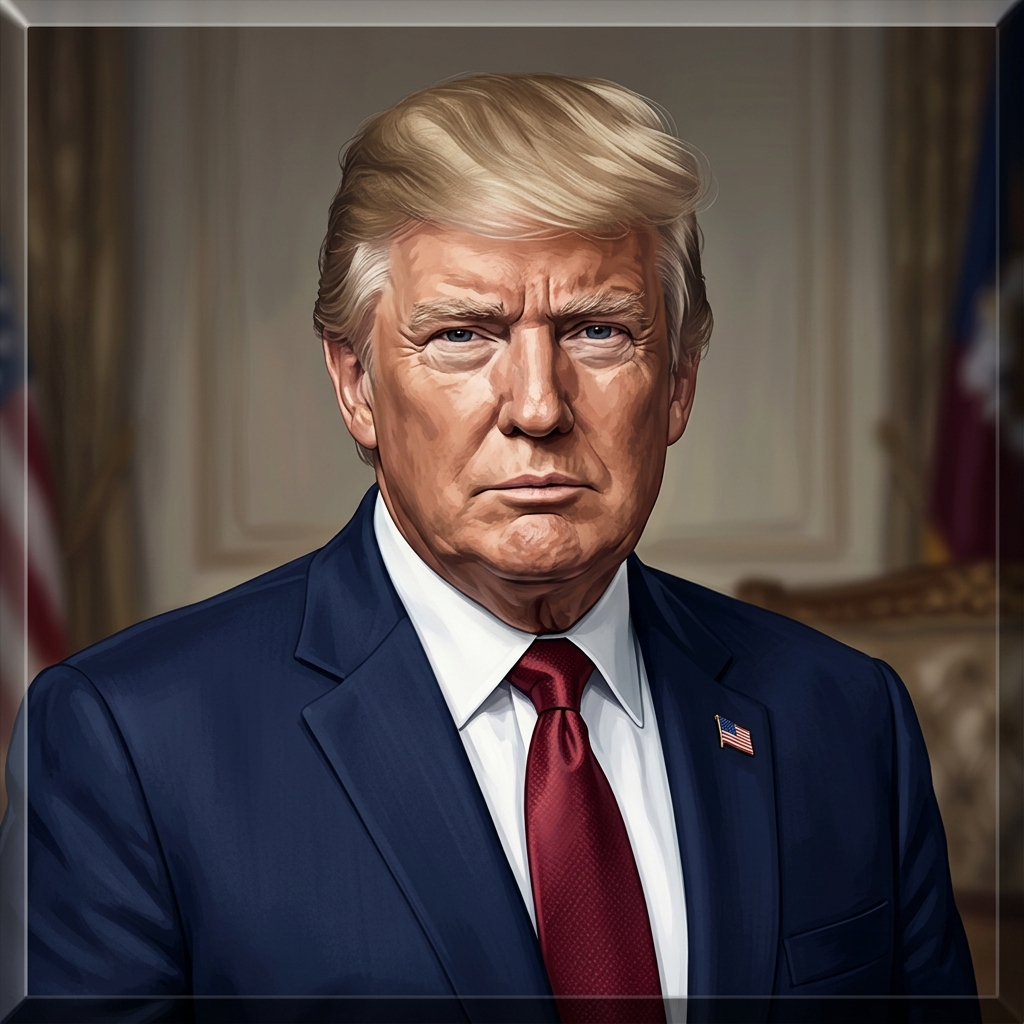
VS
Putin critics
?
No actors in this side.
No actors in this side.
The Trump administration is the executive branch of the United States federal government under President Donald Trump, which has pursued a diplomatic approach toward Russia that includes inviting Russian President Vladimir Putin to the G20 summit in Miami.
Secretary of State Marco Rubio has framed the invitation as an opportunity for Putin to engage with other world leaders.
Putin critics are a diverse group of U.S. lawmakers, foreign policy analysts, and international observers who question or oppose engagement with Putin, citing Russia's war in Ukraine and his international isolation.
The two sides have conflicting interests over how to handle Russia.
The Trump administration has at times criticized Putin, including on May 25, 2025, when Trump issued a blistering criticism of Russia's bombardment of Kyiv and Odesa, while also pursuing diplomatic outreach such as the G20 invitation.
Putin critics argue that such engagement risks legitimizing Putin and eroding NATO's credibility, and they contend that Putin is stringing the administration along rather than negotiating in good faith.
The dispute plays out amid ongoing tensions over Russia's war in Ukraine and Putin's international isolation.
Critics, including Senator John Kennedy, have publicly criticized the administration's approach to Putin amid peace talks, while analysts have debated whether Trump's criticisms mark a turning point in his Russia policy.
The invitation to the G20 summit in Miami has drawn attention as a focal point of this debate.
*AI-generated summary of publicly available data. This is not an official statement of any party.
*AI-generated summary of publicly available statements and reporting. This is not an official statement of this party.
Supporters of the Trump administration argue that inviting Putin to the G20 restores the diplomatic norms of great-power summitry, preserving stability through engagement rather than isolation.
Supporters of the Trump administration argue that inviting Putin to the G20 restores the diplomatic customs of great-power summits, where leaders engage rivals face to face rather than through isolation.
Supporters of the Trump administration counter that cultural memory also honors leaders who chose engagement over isolation, arguing that refusing dialogue can freeze conflict and cost more lives than a summit table ever does.
Supporters of the Trump administration argue that inviting Putin to the G20 is legally consistent with the host nation's prerogative to convene summit diplomacy under international law.
Supporters of Trump administration argue that inviting Putin to the G20 is legally sound, since host nations may invite any head of state and no binding international tribunal has convicted him.
Supporters of the Trump administration counter that ICC warrants bind only member states, and the US is not a party, so hosting Putin at the G20 carries no legal obligation to arrest him.
Supporters of the Trump administration argue that inviting Putin to Miami converts his isolation into leverage, forcing Russia to the table on US terms rather than ceding ground to critics abroad.
Supporters of the Trump administration argue that inviting Putin to Miami converts his isolation into leverage, forcing engagement on US terms where power, not principle, sets the table.
Supporters of the Trump administration counter that the invite forces Putin to negotiate publicly on US terms, trading symbolic legitimacy for leverage, while critics gain only rhetoric and no seat at the table.
Supporters of the Trump administration argue that engaging Putin at the G20 is morally preferable to isolation, since dialogue and economic ties offer a better path to peace than confrontation.
Supporters of the Trump administration argue that inviting Putin to the G20 reflects the moral value of keeping dialogue open, since engagement, not isolation, is what advances peace.
Supporters of the Trump administration counter that engaging Putin at the G20 serves a moral purpose: only dialogue can end the killing in Ukraine, and refusing to talk leaves innocents to suffer.
Supporters of the Trump administration argue that extending the G20 invitation to Putin reflects a moral commitment to peacemaking, citing scripture's call to pursue reconciliation even with adversaries.
Supporters of the Trump administration argue that inviting Putin reflects a moral commitment to peacemaking, invoking scripture's call to pursue reconciliation with adversaries rather than isolation.
Supporters of the Trump administration counter that seeking peace with Russia reflects the biblical call to be peacemakers, arguing that ending the war protects Ukraine's churches and faithful more than continued conflict does.
*AI-generated summary of publicly available statements and reporting. This is not an official statement of this party.
Supporters of Putin critics argue the invitation betrays a cultural memory: past summits that normalized isolated leaders eroded the moral stigma that keeps aggression costly.
Supporters of Putin critics see the Miami invitation as a cultural betrayal, arguing that welcoming a leader under an international arrest warrant normalizes what they view as impunity and erases the memory of Ukraine's dead.
Supporters of Putin critics counter that great-power summitry has always been a stage for cultural legitimacy, and seating Putin there rewards a leader whose rule rests on suppressing dissent, not on restoring norms.
Supporters of Putin critics argue that inviting Putin to the G20 risks legitimizing a leader subject to an ICC arrest warrant, letting him evade legal accountability for Ukraine.
Supporters of Putin critics argue that hosting Putin at the G20 legitimizes a leader subject to an ICC arrest warrant, undermining international legal accountability for Ukraine.
Supporters of Putin critics counter that an ICC arrest warrant for Putin binds G20 host nations legally, so summit invitations clash with states' duty to cooperate in his detention.
Supporters of Putin critics argue the Miami invite hands Putin the legitimacy and world-stage access isolation was meant to deny him, at no cost to Russia.
Supporters of Putin critics argue the Miami G20 invitation hands Putin a legitimacy he cannot win on the battlefield, letting him pose as a peer statesman while Ukraine burns.
Supporters of Putin critics counter that a summit invitation hands Putin the legitimacy he lacks, letting him trade nothing while the US surrenders the isolation that was its only real leverage.
Supporters of Putin critics argue that hosting Putin at the G20 rewards an indicted leader, morally legitimizing aggression and eroding accountability for Ukraine.
Supporters of Putin critics argue that hosting Putin at the G20 lends legitimacy to a leader facing war-crimes allegations, and that moral principle should outweigh diplomatic convenience.
Supporters of Putin critics counter that dialogue with a leader accused of poisoning and jailing opponents is not morally neutral: engaging Putin legitimizes him while he faces no accountability for those acts.
Supporters of Putin critics argue that welcoming a leader whose war has devastated religious communities and churches in Ukraine betrays the moral duty to defend the innocent and uphold sacred order.
Supporters of Putin critics, citing religious justifications for principled isolation, argue that hosting Putin grants moral legitimacy to a leader whose war violates sacred teachings on peace and human dignity.
Supporters of Putin critics counter that scripture also demands justice for the oppressed, arguing that welcoming an aggressor without repentance mocks reconciliation and rewards injustice.
AI-generated summary of publicly available statements and reporting. This is not an official statement of this party.
Supporters of the Trump administration argue that inviting Putin to the G20 restores the diplomatic norms of great-power summitry, preserving stability through engagement rather than isolation.
Supporters of the Trump administration argue that inviting Putin to the G20 restores the diplomatic customs of great-power summits, where leaders engage rivals face to face rather than through isolation.
Supporters of the Trump administration counter that cultural memory also honors leaders who chose engagement over isolation, arguing that refusing dialogue can freeze conflict and cost more lives than a summit table ever does.
Supporters of the Trump administration argue that inviting Putin to the G20 is legally consistent with the host nation's prerogative to convene summit diplomacy under international law.
Supporters of Trump administration argue that inviting Putin to the G20 is legally sound, since host nations may invite any head of state and no binding international tribunal has convicted him.
Supporters of the Trump administration counter that ICC warrants bind only member states, and the US is not a party, so hosting Putin at the G20 carries no legal obligation to arrest him.
Supporters of the Trump administration argue that inviting Putin to Miami converts his isolation into leverage, forcing Russia to the table on US terms rather than ceding ground to critics abroad.
Supporters of the Trump administration argue that inviting Putin to Miami converts his isolation into leverage, forcing engagement on US terms where power, not principle, sets the table.
Supporters of the Trump administration counter that the invite forces Putin to negotiate publicly on US terms, trading symbolic legitimacy for leverage, while critics gain only rhetoric and no seat at the table.
Supporters of the Trump administration argue that engaging Putin at the G20 is morally preferable to isolation, since dialogue and economic ties offer a better path to peace than confrontation.
Supporters of the Trump administration argue that inviting Putin to the G20 reflects the moral value of keeping dialogue open, since engagement, not isolation, is what advances peace.
Supporters of the Trump administration counter that engaging Putin at the G20 serves a moral purpose: only dialogue can end the killing in Ukraine, and refusing to talk leaves innocents to suffer.
Supporters of the Trump administration argue that extending the G20 invitation to Putin reflects a moral commitment to peacemaking, citing scripture's call to pursue reconciliation even with adversaries.
Supporters of the Trump administration argue that inviting Putin reflects a moral commitment to peacemaking, invoking scripture's call to pursue reconciliation with adversaries rather than isolation.
Supporters of the Trump administration counter that seeking peace with Russia reflects the biblical call to be peacemakers, arguing that ending the war protects Ukraine's churches and faithful more than continued conflict does.
Supporters of Putin critics argue the invitation betrays a cultural memory: past summits that normalized isolated leaders eroded the moral stigma that keeps aggression costly.
Supporters of Putin critics see the Miami invitation as a cultural betrayal, arguing that welcoming a leader under an international arrest warrant normalizes what they view as impunity and erases the memory of Ukraine's dead.
Supporters of Putin critics counter that great-power summitry has always been a stage for cultural legitimacy, and seating Putin there rewards a leader whose rule rests on suppressing dissent, not on restoring norms.
Supporters of Putin critics argue that inviting Putin to the G20 risks legitimizing a leader subject to an ICC arrest warrant, letting him evade legal accountability for Ukraine.
Supporters of Putin critics argue that hosting Putin at the G20 legitimizes a leader subject to an ICC arrest warrant, undermining international legal accountability for Ukraine.
Supporters of Putin critics counter that an ICC arrest warrant for Putin binds G20 host nations legally, so summit invitations clash with states' duty to cooperate in his detention.
Supporters of Putin critics argue the Miami invite hands Putin the legitimacy and world-stage access isolation was meant to deny him, at no cost to Russia.
Supporters of Putin critics argue the Miami G20 invitation hands Putin a legitimacy he cannot win on the battlefield, letting him pose as a peer statesman while Ukraine burns.
Supporters of Putin critics counter that a summit invitation hands Putin the legitimacy he lacks, letting him trade nothing while the US surrenders the isolation that was its only real leverage.
Supporters of Putin critics argue that hosting Putin at the G20 rewards an indicted leader, morally legitimizing aggression and eroding accountability for Ukraine.
Supporters of Putin critics argue that hosting Putin at the G20 lends legitimacy to a leader facing war-crimes allegations, and that moral principle should outweigh diplomatic convenience.
Supporters of Putin critics counter that dialogue with a leader accused of poisoning and jailing opponents is not morally neutral: engaging Putin legitimizes him while he faces no accountability for those acts.
Supporters of Putin critics argue that welcoming a leader whose war has devastated religious communities and churches in Ukraine betrays the moral duty to defend the innocent and uphold sacred order.
Supporters of Putin critics, citing religious justifications for principled isolation, argue that hosting Putin grants moral legitimacy to a leader whose war violates sacred teachings on peace and human dignity.
Supporters of Putin critics counter that scripture also demands justice for the oppressed, arguing that welcoming an aggressor without repentance mocks reconciliation and rewards injustice.
US President Donald Trump invites Russian President Vladimir Putin to the G20 summit in Miami.
Senator John Kennedy criticized the Trump administration's approach to Putin amid the latest peace talks, with the Louisiana Republican also commenting on his party.
US President Donald Trump issued a blistering criticism of Russia's massive and dayslong bombardment of Kyiv, Odesa, and other Ukrainian cities.