Trump administration
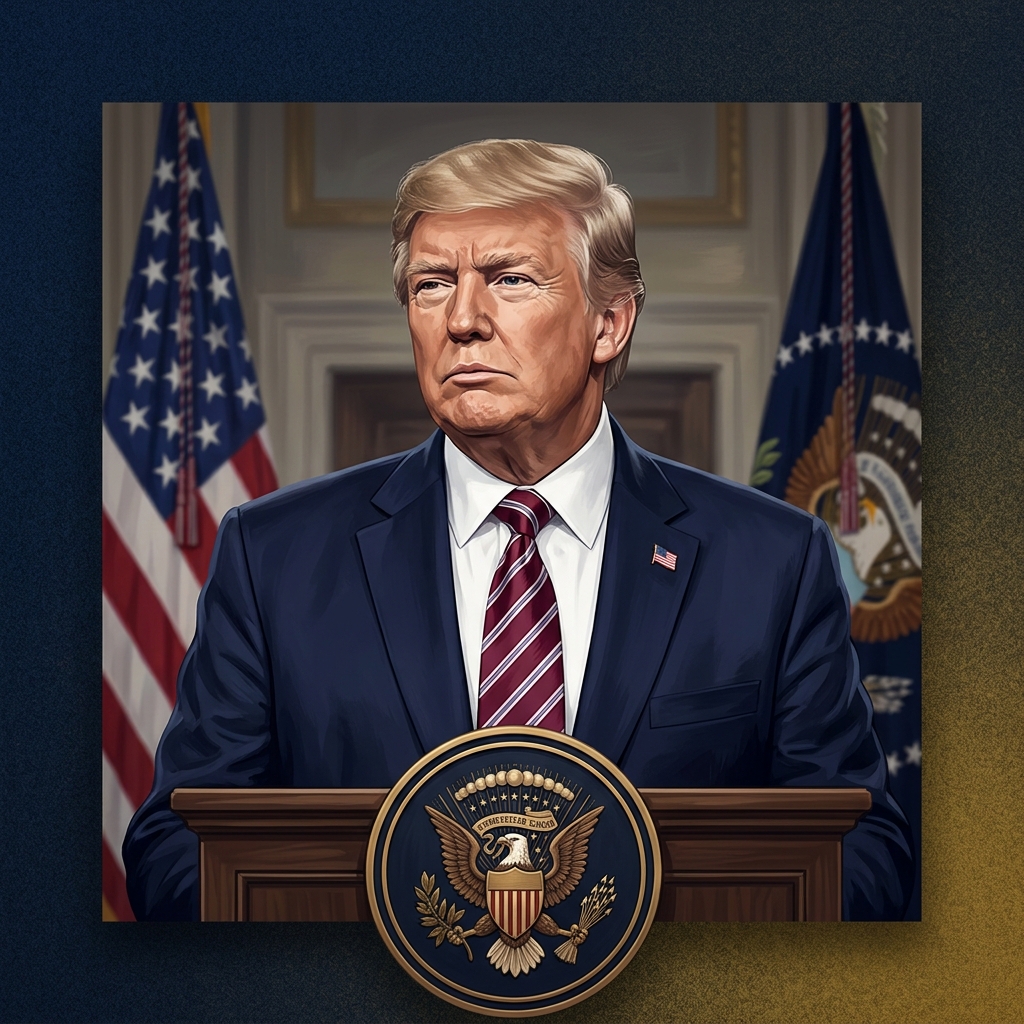
VS
Republican and Democratic lawmakers


The Trump administration announced a plan to import diesel from Russia weeks before the US midterm elections.
Lawmakers from both parties have criticised the deal, raising questions about sanctions and political timing.
*AI-generated summary of publicly available data. This is not an official statement of any party.
*AI-generated summary of publicly available statements and reporting. This is not an official statement of this party.
Supporters of the Trump administration argue the diesel deal reflects pragmatic governance, prioritizing Americans' everyday needs—like affordable fuel—over symbolic politics, and they maintain that keeping vital trade channels open preserves stability.
Supporters of the Trump administration argue the diesel deal reflects pragmatism over politics, prioritizing American energy stability and lower costs for working families despite bipartisan criticism.
Supporters of the Trump administration counter that America's energy strength lies in global market influence, not isolation, and that trade in fuels reflects pragmatic cultural continuity of free enterprise over symbolic purity.
Supporters of the Trump administration argue the diesel import plan is legally permissible because no statute bars Russian diesel purchases, and they maintain that Congress, not the executive, must pass any new sanctions.
Supporters of Trump administration argue the diesel import plan is legally sound, as no sanctions order bars Russian diesel, and they maintain lawmakers questioning the timing cite politics rather than law.
Supporters of the Trump administration counter that the president holds broad statutory authority to ease sanctions, so no separate congressional authorization is legally required for such imports.
Supporters of the Trump administration argue the diesel deal is pure pragmatism: cheaper fuel before midterms undercuts rivals' gas-price attacks, and sanctions waivers are leverage, not concessions.
Supporters of the Trump administration argue the diesel deal puts cheap fuel ahead of performative sanctions, trading a political hit from lawmakers for lower prices that voters reward.
Supporters of the Trump administration counter that lawmakers decrying the timing quietly backed the same imports when prices spiked, showing the objection is about midterm positioning rather than leverage.
Supporters of the Trump administration argue that securing affordable diesel for Americans matters more than political optics, and that easing fuel costs before winter is a moral duty to households, not a concession to Russia.
Supporters of the Trump administration argue that securing affordable diesel for Americans matters more than political optics, and that timing criticism ignores the practical need to lower fuel costs before winter.
Supporters of the Trump administration counter that securing affordable diesel for American families before winter is itself a moral duty, and that lawmakers criticizing the move offer no alternative that lowers costs at the pump.
Supporters of the Trump administration argue that importing Russian diesel serves the moral duty to keep energy affordable for American families, citing stewardship of resources.
Supporters of the Trump administration argue that importing Russian diesel reflects a moral duty to keep fuel affordable for struggling families, invoking stewardship of resources and care for the vulnerable.
Supporters of the Trump administration counter that scripture calls believers to steward affordable energy for the vulnerable, and that the diesel shipment kept prices low for families, a moral duty they place above the sanctions argument.
*AI-generated summary of publicly available statements and reporting. This is not an official statement of this party.
Supporters of Republican and Democratic lawmakers argue that importing Russian diesel weeks before the midterms betrays American energy independence, placing foreign supply over domestic producers and national self-sufficiency.
Supporters of Republican and Democratic lawmakers argue that importing Russian diesel weeks before the midterms betrays America's cultural self-reliance, signaling weakness to rivals while voters decide the nation's direction.
Supporters of Republican and Democratic lawmakers counter that prioritizing cheap fuel over cultural and environmental safeguards erodes national identity and long-term sovereignty.
Supporters of Republican and Democratic lawmakers argue that importing Russian diesel without clear congressional authorization may violate existing sanctions law, and they maintain that such a deal requires legal review before proceeding.
Supporters of Republican and Democratic lawmakers argue that importing Russian diesel without clear sanctions authorization may violate existing US law, and they maintain that Congress must review the deal's legality before it proceeds.
Republican and Democratic lawmakers counter that Congress already mandated the sanctions through CAATSA, so the executive's claim that only new legislation can restrict Russian diesel misreads existing law.
Supporters of Republican and Democratic lawmakers argue the timing exposes motive: importing Russian diesel weeks before midterms serves electoral optics, not energy needs, and they maintain sanctions leverage was traded for political convenience.
Supporters of Republican and Democratic lawmakers argue the diesel timing is pure leverage: forcing a pre-election choice between cheap fuel and sanction credibility lets them brand rivals as either weak on Russia or indifferent to voters' costs.
Republican and Democratic lawmakers counter that waivers traded for cheap pre-midterm fuel hand leverage to the very rivals it targets, letting them lock in supply terms while Congress loses its say.
Supporters of the lawmakers argue that lifting sanctions on Russian diesel for political timing is a moral failure, prioritizing midterm gains over solidarity with Ukraine.
Supporters of Republican and Democratic lawmakers argue that importing Russian diesel weeks before an election puts political gain above moral consistency, betraying stated sanctions principles.
Supporters of Republican and Democratic lawmakers counter that a moral duty to households cannot rest on easing sanctions for Russia, since history shows appeasing aggressors invites deeper crises that fall hardest on the same families.
Supporters of Republican and Democratic lawmakers argue that importing Russian diesel weeks before the midterms betrays the nation's moral duty to uphold sanctions, and that faith and stewardship demand consistency over political convenience.
Supporters of Republican and Democratic lawmakers argue that importing Russian diesel weeks before the midterms betrays the stewardship entrusted to leaders, since faith and precedent call for sanctions upheld, not bargains struck for political gain.
Supporters of Republican and Democratic lawmakers counter that moral stewardship of resources cannot be separated from moral duty to uphold justice, arguing that affordable energy purchased through trade with an adversarial power betrays the inherited moral order they are sworn t.
AI-generated summary of publicly available statements and reporting. This is not an official statement of this party.
Supporters of the Trump administration argue the diesel deal reflects pragmatic governance, prioritizing Americans' everyday needs—like affordable fuel—over symbolic politics, and they maintain that keeping vital trade channels open preserves stability.
Supporters of the Trump administration argue the diesel deal reflects pragmatism over politics, prioritizing American energy stability and lower costs for working families despite bipartisan criticism.
Supporters of the Trump administration counter that America's energy strength lies in global market influence, not isolation, and that trade in fuels reflects pragmatic cultural continuity of free enterprise over symbolic purity.
Supporters of the Trump administration argue the diesel import plan is legally permissible because no statute bars Russian diesel purchases, and they maintain that Congress, not the executive, must pass any new sanctions.
Supporters of Trump administration argue the diesel import plan is legally sound, as no sanctions order bars Russian diesel, and they maintain lawmakers questioning the timing cite politics rather than law.
Supporters of the Trump administration counter that the president holds broad statutory authority to ease sanctions, so no separate congressional authorization is legally required for such imports.
Supporters of the Trump administration argue the diesel deal is pure pragmatism: cheaper fuel before midterms undercuts rivals' gas-price attacks, and sanctions waivers are leverage, not concessions.
Supporters of the Trump administration argue the diesel deal puts cheap fuel ahead of performative sanctions, trading a political hit from lawmakers for lower prices that voters reward.
Supporters of the Trump administration counter that lawmakers decrying the timing quietly backed the same imports when prices spiked, showing the objection is about midterm positioning rather than leverage.
Supporters of the Trump administration argue that securing affordable diesel for Americans matters more than political optics, and that easing fuel costs before winter is a moral duty to households, not a concession to Russia.
Supporters of the Trump administration argue that securing affordable diesel for Americans matters more than political optics, and that timing criticism ignores the practical need to lower fuel costs before winter.
Supporters of the Trump administration counter that securing affordable diesel for American families before winter is itself a moral duty, and that lawmakers criticizing the move offer no alternative that lowers costs at the pump.
Supporters of the Trump administration argue that importing Russian diesel serves the moral duty to keep energy affordable for American families, citing stewardship of resources.
Supporters of the Trump administration argue that importing Russian diesel reflects a moral duty to keep fuel affordable for struggling families, invoking stewardship of resources and care for the vulnerable.
Supporters of the Trump administration counter that scripture calls believers to steward affordable energy for the vulnerable, and that the diesel shipment kept prices low for families, a moral duty they place above the sanctions argument.
Supporters of Republican and Democratic lawmakers argue that importing Russian diesel weeks before the midterms betrays American energy independence, placing foreign supply over domestic producers and national self-sufficiency.
Supporters of Republican and Democratic lawmakers argue that importing Russian diesel weeks before the midterms betrays America's cultural self-reliance, signaling weakness to rivals while voters decide the nation's direction.
Supporters of Republican and Democratic lawmakers counter that prioritizing cheap fuel over cultural and environmental safeguards erodes national identity and long-term sovereignty.
Supporters of Republican and Democratic lawmakers argue that importing Russian diesel without clear congressional authorization may violate existing sanctions law, and they maintain that such a deal requires legal review before proceeding.
Supporters of Republican and Democratic lawmakers argue that importing Russian diesel without clear sanctions authorization may violate existing US law, and they maintain that Congress must review the deal's legality before it proceeds.
Republican and Democratic lawmakers counter that Congress already mandated the sanctions through CAATSA, so the executive's claim that only new legislation can restrict Russian diesel misreads existing law.
Supporters of Republican and Democratic lawmakers argue the timing exposes motive: importing Russian diesel weeks before midterms serves electoral optics, not energy needs, and they maintain sanctions leverage was traded for political convenience.
Supporters of Republican and Democratic lawmakers argue the diesel timing is pure leverage: forcing a pre-election choice between cheap fuel and sanction credibility lets them brand rivals as either weak on Russia or indifferent to voters' costs.
Republican and Democratic lawmakers counter that waivers traded for cheap pre-midterm fuel hand leverage to the very rivals it targets, letting them lock in supply terms while Congress loses its say.
Supporters of the lawmakers argue that lifting sanctions on Russian diesel for political timing is a moral failure, prioritizing midterm gains over solidarity with Ukraine.
Supporters of Republican and Democratic lawmakers argue that importing Russian diesel weeks before an election puts political gain above moral consistency, betraying stated sanctions principles.
Supporters of Republican and Democratic lawmakers counter that a moral duty to households cannot rest on easing sanctions for Russia, since history shows appeasing aggressors invites deeper crises that fall hardest on the same families.
Supporters of Republican and Democratic lawmakers argue that importing Russian diesel weeks before the midterms betrays the nation's moral duty to uphold sanctions, and that faith and stewardship demand consistency over political convenience.
Supporters of Republican and Democratic lawmakers argue that importing Russian diesel weeks before the midterms betrays the stewardship entrusted to leaders, since faith and precedent call for sanctions upheld, not bargains struck for political gain.
Supporters of Republican and Democratic lawmakers counter that moral stewardship of resources cannot be separated from moral duty to uphold justice, arguing that affordable energy purchased through trade with an adversarial power betrays the inherited moral order they are sworn t.
The Trump administration announced a plan to import diesel from Russia weeks before the US midterm elections.