Trump administration
VS
Russia
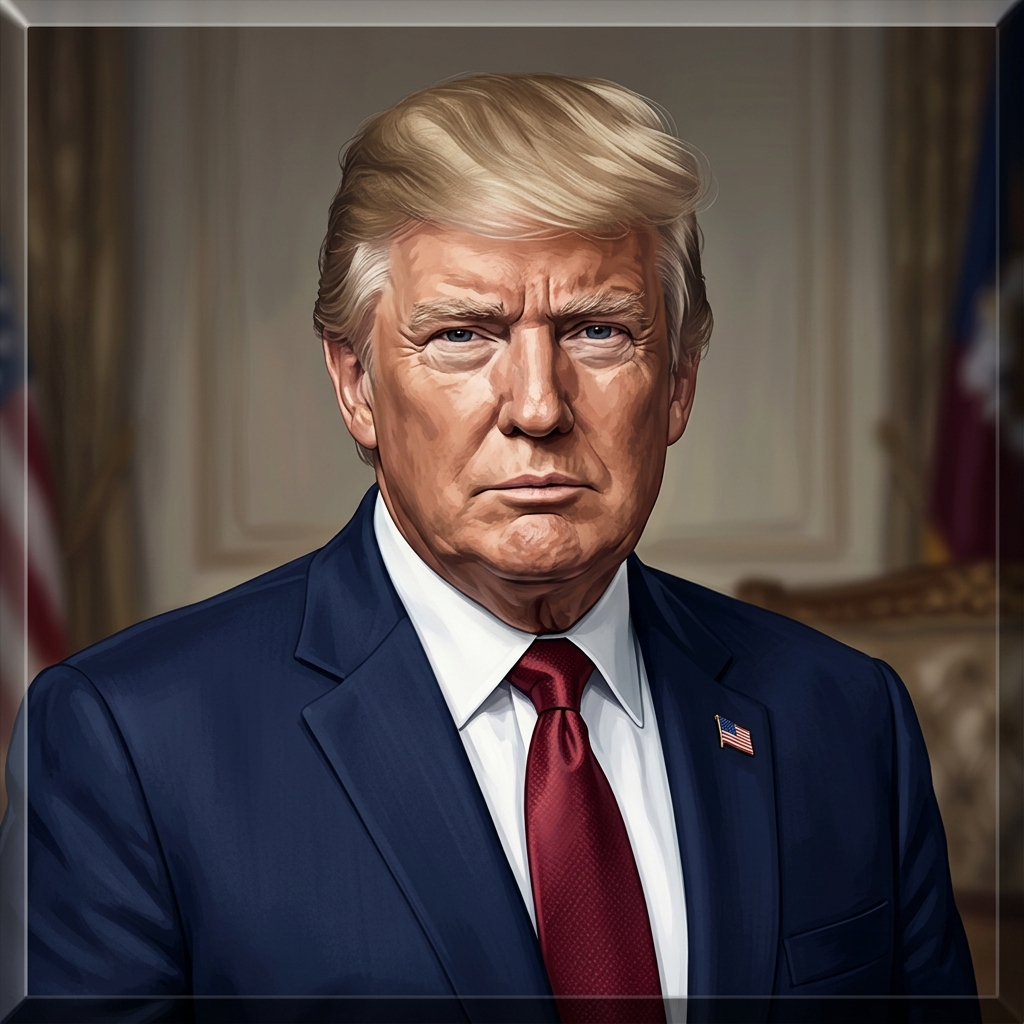
The Trump administration refers to the executive branch of the U.S. federal government under President Donald Trump, which conducts American foreign policy and implements sanctions legislation passed by Congress.
Russia is the government of the Russian Federation, a major energy exporter whose economy relies heavily on oil and gas revenues.
The two sides are in conflict over Russia's war in Ukraine.
The Trump administration has enacted and implemented sanctions targeting Russia, including the Lindsey O.
Graham Sanctioning Russia and Iran Act of 2026, which expands sanctions on Russian officials, banks, and a shadow fleet of tankers, and directs the president to impose tariffs of up to 100 percent on major buyers of Russian oil such as China and India.
Russia opposes these measures, which are designed to pressure it economically over its actions in Ukraine.
The dispute reflects broader tensions that date back to at least 2015, when allied foreign intelligence agencies began reporting secret contacts between Trump campaigners and known or suspected Russian agents.
The Trump administration has also previously enacted the Countering America's Adversaries Through Sanctions Act (CAATSA), imposing new sanctions on Russia, Iran, and North Korea.
*AI-generated summary of publicly available data. This is not an official statement of any party.
*AI-generated summary of publicly available statements and reporting. This is not an official statement of this party.
Supporters of the Trump administration argue that sanctions on Russian oil buyers defend national sovereignty and the cultural value of standing firm against aggression, preserving the global order inherited from prior generations.
Supporters of the Trump administration argue the sanctions law defends sovereign borders and national honor, upholding the principle that aggression against a neighbor cannot become accepted international custom.
Supporters of the Trump administration counter that energy sanctions target state aggression, not cultural heritage, arguing that sovereign identity does not exempt a nation from accountability for coercive acts abroad.
Supporters of the Trump administration argue the sanctions law is a lawful exercise of US statutory authority to counter Russian aggression, consistent with international norms against territorial conquest.
Supporters of the Trump administration argue the sanctions law is a lawful exercise of congressional and executive authority to enforce international norms against Russia's war in Ukraine.
Supporters of the Trump administration counter that CAATSA targets designated persons, not lawful trade, and that Congress codified it under U.S. law, so the sovereignty and WTO objections misstate the statute's legal reach.
Supporters of the Trump administration argue the oil tariffs are leverage, not punishment: by targeting China and India's purchases, Washington forces them to pressure Moscow, converting trade dependence into coercive diplomacy.
Supporters of Trump administration argue the sanctions law forces China and India to bear the cost of Russia's war, leveraging trade pain to fracture Moscow's oil revenue without direct U.S. combat.
Supporters of Trump counter that signing sanctions preserved his veto-proof leverage for future deals; they argue flexibility, not defiance, keeps Moscow guessing and India-China buyers at the table.
Supporters of the Trump administration argue that sanctioning Russia's oil buyers is a moral stand against aggression, using economic pressure to end the war and protect Ukraine's sovereignty.
Supporters of Trump administration argue that tariffing Russian oil buyers is a moral stand against aggression, using economic pressure to end the war and protect sovereignty.
Supporters of the Trump administration counter that halting Russia's war machine is a moral duty, and that nations funding it through oil purchases share responsibility for the violence, so pressure on them is justified.
Supporters of the Trump administration argue the sanctions reflect a moral duty to restrain aggression, invoking just-war tradition that tyrants must be checked.
Supporters of the Trump administration argue that scripture commands just rulers to restrain aggression, so economic pressure on Russian oil buyers serves the moral duty to defend Ukraine's innocent.
Supporters of Trump administration counter that America defends religious liberty and traditional faith, challenging the claim that sanctions target Orthodox Christianity rather than Russian aggression.
*AI-generated summary of publicly available statements and reporting. This is not an official statement of this party.
Supporters of Russia argue the sanctions are a cultural attack on national identity, framing Russia's energy exports as a sovereign heritage that foreign powers have no right to police or tariff.
Supporters of Russia argue the sanctions law is a cultural assault, framing Russian oil exports as a matter of national identity and self-determination against outside pressure.
Supporters of Russia counter that sanctions, framed as defending cultural values, in fact impose one culture's rules on others, ignoring Russia's own civilizational traditions and right to self-determination.
Supporters of Russia argue the U.S. sanctions law is unlawful extraterritorial coercion, penalizing third states like China and India for lawful trade in violation of sovereignty and WTO rules.
Supporters of Russia argue the sanctions law lacks UN Security Council authorization, making secondary tariffs on third-party oil buyers unlawful under international trade rules.
Supporters of Russia counter that unilateral US sanctions lack UN Security Council authorization, so invoking international norms against territorial conquest is legally selective.
Supporters of Russia argue the sanctions reveal Trump's weakness, not strength: by caving to Congress, he surrendered leverage, pushing China and India closer to Moscow and proving Russia's oil buyers cannot be dictated to.
Supporters of Russia argue the Trump sanctions are a coercive lever aimed less at Moscow than at forcing China and India to choose sides, betting economic pain outweighs their interest in cheap Russian oil.
Supporters of Russia counter that leverage cuts both ways: China and India buy discounted crude precisely because sanctions created the discount, so Washington's tariffs push them closer to Moscow, not away.
Supporters of Russia argue that secondary tariffs punishing China and India for buying Russian oil are morally illegitimate, since they coerce third-party nations not party to the Ukraine conflict.
Supporters of Russia argue the sanctions are morally hypocritical, since the US trades with many nations while punishing others for buying Russian oil.
Supporters of Russia counter that pressing third countries to stop buying Russian oil morally punishes ordinary citizens worldwide, not the Kremlin, since food and energy costs rise most for the poor.
Supporters of Russia argue that Western sanctions, including Trump's oil tariffs, reflect a secular liberal order hostile to traditional Christian nations, and that Russia defends Orthodox faith and family values against Western moral decay.
Supporters of Russia argue that Western sanctions, including the 2026 Trump law, threaten the traditional Orthodox Christian unity binding Russia and Ukraine, which they see as one spiritual civilization.
Supporters of Russia counter that just-war tradition also honors sovereign authority, and that the Orthodox Church has long taught that external powers should not judge or punish a nation's leaders.
AI-generated summary of publicly available statements and reporting. This is not an official statement of this party.
Supporters of the Trump administration argue that sanctions on Russian oil buyers defend national sovereignty and the cultural value of standing firm against aggression, preserving the global order inherited from prior generations.
Supporters of the Trump administration argue the sanctions law defends sovereign borders and national honor, upholding the principle that aggression against a neighbor cannot become accepted international custom.
Supporters of the Trump administration counter that energy sanctions target state aggression, not cultural heritage, arguing that sovereign identity does not exempt a nation from accountability for coercive acts abroad.
Supporters of the Trump administration argue the sanctions law is a lawful exercise of US statutory authority to counter Russian aggression, consistent with international norms against territorial conquest.
Supporters of the Trump administration argue the sanctions law is a lawful exercise of congressional and executive authority to enforce international norms against Russia's war in Ukraine.
Supporters of the Trump administration counter that CAATSA targets designated persons, not lawful trade, and that Congress codified it under U.S. law, so the sovereignty and WTO objections misstate the statute's legal reach.
Supporters of the Trump administration argue the oil tariffs are leverage, not punishment: by targeting China and India's purchases, Washington forces them to pressure Moscow, converting trade dependence into coercive diplomacy.
Supporters of Trump administration argue the sanctions law forces China and India to bear the cost of Russia's war, leveraging trade pain to fracture Moscow's oil revenue without direct U.S. combat.
Supporters of Trump counter that signing sanctions preserved his veto-proof leverage for future deals; they argue flexibility, not defiance, keeps Moscow guessing and India-China buyers at the table.
Supporters of the Trump administration argue that sanctioning Russia's oil buyers is a moral stand against aggression, using economic pressure to end the war and protect Ukraine's sovereignty.
Supporters of Trump administration argue that tariffing Russian oil buyers is a moral stand against aggression, using economic pressure to end the war and protect sovereignty.
Supporters of the Trump administration counter that halting Russia's war machine is a moral duty, and that nations funding it through oil purchases share responsibility for the violence, so pressure on them is justified.
Supporters of the Trump administration argue the sanctions reflect a moral duty to restrain aggression, invoking just-war tradition that tyrants must be checked.
Supporters of the Trump administration argue that scripture commands just rulers to restrain aggression, so economic pressure on Russian oil buyers serves the moral duty to defend Ukraine's innocent.
Supporters of Trump administration counter that America defends religious liberty and traditional faith, challenging the claim that sanctions target Orthodox Christianity rather than Russian aggression.
Supporters of Russia argue the sanctions are a cultural attack on national identity, framing Russia's energy exports as a sovereign heritage that foreign powers have no right to police or tariff.
Supporters of Russia argue the sanctions law is a cultural assault, framing Russian oil exports as a matter of national identity and self-determination against outside pressure.
Supporters of Russia counter that sanctions, framed as defending cultural values, in fact impose one culture's rules on others, ignoring Russia's own civilizational traditions and right to self-determination.
Supporters of Russia argue the U.S. sanctions law is unlawful extraterritorial coercion, penalizing third states like China and India for lawful trade in violation of sovereignty and WTO rules.
Supporters of Russia argue the sanctions law lacks UN Security Council authorization, making secondary tariffs on third-party oil buyers unlawful under international trade rules.
Supporters of Russia counter that unilateral US sanctions lack UN Security Council authorization, so invoking international norms against territorial conquest is legally selective.
Supporters of Russia argue the sanctions reveal Trump's weakness, not strength: by caving to Congress, he surrendered leverage, pushing China and India closer to Moscow and proving Russia's oil buyers cannot be dictated to.
Supporters of Russia argue the Trump sanctions are a coercive lever aimed less at Moscow than at forcing China and India to choose sides, betting economic pain outweighs their interest in cheap Russian oil.
Supporters of Russia counter that leverage cuts both ways: China and India buy discounted crude precisely because sanctions created the discount, so Washington's tariffs push them closer to Moscow, not away.
Supporters of Russia argue that secondary tariffs punishing China and India for buying Russian oil are morally illegitimate, since they coerce third-party nations not party to the Ukraine conflict.
Supporters of Russia argue the sanctions are morally hypocritical, since the US trades with many nations while punishing others for buying Russian oil.
Supporters of Russia counter that pressing third countries to stop buying Russian oil morally punishes ordinary citizens worldwide, not the Kremlin, since food and energy costs rise most for the poor.
Supporters of Russia argue that Western sanctions, including Trump's oil tariffs, reflect a secular liberal order hostile to traditional Christian nations, and that Russia defends Orthodox faith and family values against Western moral decay.
Supporters of Russia argue that Western sanctions, including the 2026 Trump law, threaten the traditional Orthodox Christian unity binding Russia and Ukraine, which they see as one spiritual civilization.
Supporters of Russia counter that just-war tradition also honors sovereign authority, and that the Orthodox Church has long taught that external powers should not judge or punish a nation's leaders.
President Trump signed a law imposing sanctions on Russia over the Ukraine war, including tariffs on major buyers of Russian oil.
President Trump signed into law the Countering America's Adversaries Through Sanctions Act (CAATSA), enacting new sanctions on Russia, Iran, and North Korea.
Starting in 2015, several allied foreign intelligence agencies began reporting secret contacts between Trump campaigners and known or suspected Russian agents.