Trump administration
VS
Russia

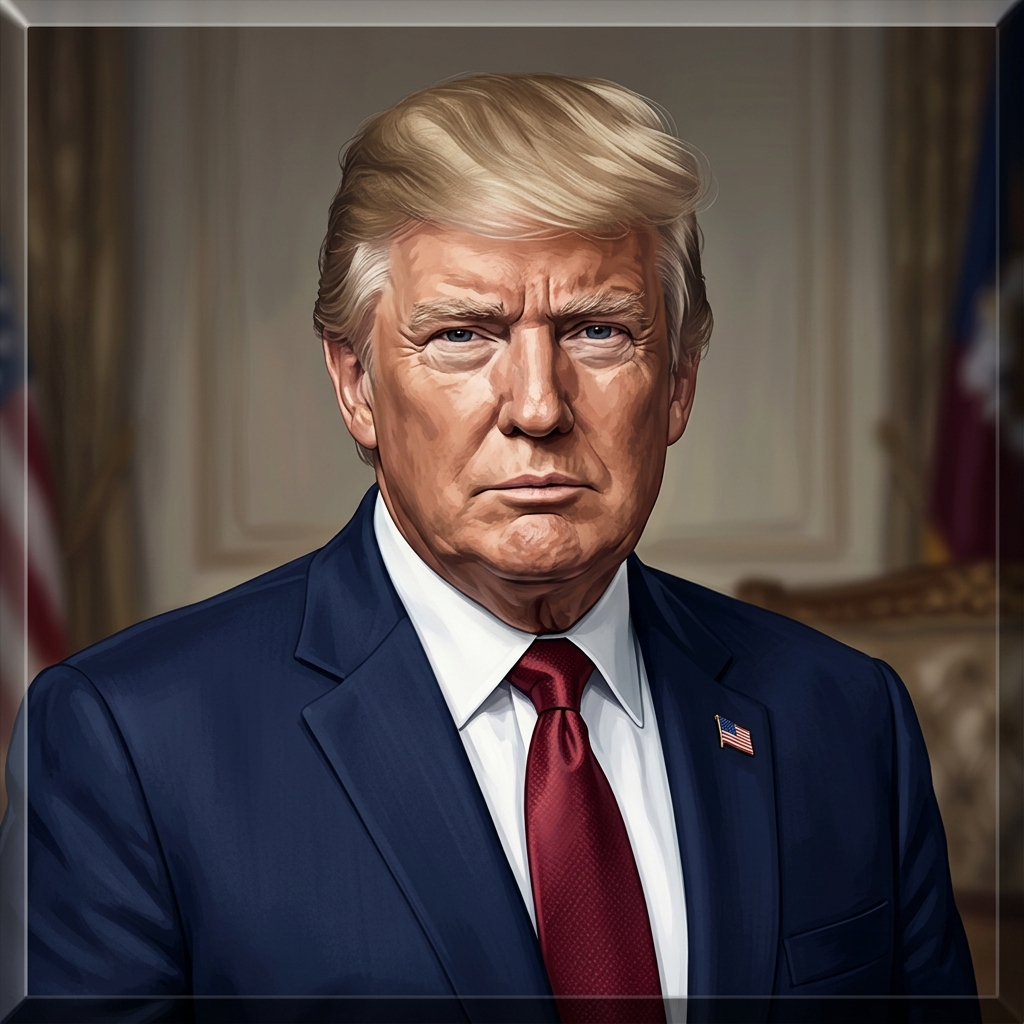
The Trump administration is the executive branch of the United States government under President Donald Trump, which has repeatedly attempted to broker a peace deal between Russia and Ukraine.
Russia is the state led by President Vladimir Putin that launched a full-scale invasion of Ukraine in 2022.
Ukraine is the sovereign state defending itself against that invasion with international support, including prior U.S. military and financial aid.
The three parties have conflicting interests over how and whether the war should end.
The Trump administration has pushed for a negotiated settlement and, according to the research material, has directed pauses in U.S. aid and proposed halting strikes on energy infrastructure.
Russia has sought to maximize its territorial gains and has said the Trump administration is listening to its arguments, while Ukraine has relied on continued Western support to resist Russian advances.
The United States had allocated about $175 billion related to the invasion, including $106 billion in direct aid to Ukraine, making the scope and conditions of any truce a central point of disagreement.
U.S.-led peace negotiations have so far failed to end the war, and the research material notes a sense of Moscow maximizing its gains while the Biden administration abandoned long-held red lines before Trump took office.
A proposed halt to attacks on energy infrastructure is being discussed even as strikes on such targets continue, leaving the practical outcome uncertain.
*AI-generated summary of publicly available data. This is not an official statement of any party.
*AI-generated summary of publicly available statements and reporting. This is not an official statement of this party.
Supporters of the Trump administration argue that brokering an energy truce reflects America's traditional role as peacemaker, preserving stability and order rather than prolonging conflict.
Supporters of the Trump administration argue that brokering an energy truce upholds the cultural value of protecting civilian infrastructure and restoring order, prioritizing stability over continued escalation.
Supporters of the Trump administration counter that sovereignty claims ring hollow when strikes on civilian energy grids erase the cultural heritage and daily life of Ukrainian communities.
Supporters of the Trump administration counter that Kyiv's refusal to treat any truce as genuine reflects a deeper cultural refusal to negotiate, prolonging a war that inherited diplomatic restraint could have ended.
Supporters of the Trump administration argue that a limited energy truce is a lawful, sovereign act of mediation, not a concession, since it protects civilian infrastructure while respecting each nation's authority.
Supporters of the Trump administration argue that a limited energy-infrastructure truce is lawful statecraft, not a concession, since sovereign states may negotiate reciprocal limits on targeting to protect civilian infrastructure.
Supporters of the Trump administration counter that sovereignty and national security law let Ukraine strike military-linked grids as self-defense, regardless of any formal accord Russia demands.
Supporters of the Trump administration counter that a bilateral energy truce binds the parties directly and needs no third-party security guarantee to be legally effective.
Supporters of Trump administration argue an energy truce forces both Russia and Ukraine to trade escalation for leverage, letting Washington broker terms while strikes continue as bargaining chips.
Supporters of the Trump administration argue the energy truce is leverage, not mercy: freezing strikes preserves US influence over both parties’ incentives while keeping Washington central to any deal.
Supporters of the Trump administration counter that any energy truce is leverage, not concession: they argue Washington trades a pause Moscow wants for terms Kyiv needs, keeping aid and sanctions as bargaining chips rather than freezing gains.
Supporters of the Trump administration counter that halting strikes on both sides is leverage traded, not surrendered: Russia's refineries stay exposed, and Washington can restart Kyiv's deep strikes any time Moscow reneges.
Supporters of the Trump administration argue that brokering an energy truce is a moral necessity, shielding civilians from winter suffering and laying groundwork for broader peace.
Supporters of Trump administration argue that brokering an energy truce is a moral duty, shielding civilians from winter hardship and de-escalating a war that has inflicted immense suffering on ordinary people.
Supporters of the Trump administration counter that targeting civilian energy infrastructure weaponizes winter against families, a moral line no military rationale erases.
Supporters of the Trump administration counter that shielding either side's civilians is a moral duty, not a concession, and that Ukraine's grid strikes risk normalizing attacks on the infrastructure civilians rely on.
Supporters of the Trump administration argue that pursuing an energy truce reflects a moral duty to protect civilian life, invoking the religious principle of mercy and the stewardship of creation.
Supporters of the Trump administration argue that seeking an energy truce reflects a moral duty to protect civilian life, invoking just-war teachings that innocent noncombatants should be spared.
Supporters of Trump administration counter that a temporary pause on energy strikes does not amount to a just peace, since Scripture calls leaders to pursue justice and protect the innocent from ongoing aggression.
Supporters of the Trump administration counter that halting strikes would let Russia regroup and prolong the war, and that just-war tradition also permits proportionate force to secure a just peace.
*AI-generated summary of publicly available statements and reporting. This is not an official statement of this party.
Supporters of Russia argue that energy infrastructure strikes are a legitimate matter of national security, not a cultural concession, and that any truce must respect Russia's sovereign interests rather than external pressure.
Supporters of Russia argue that energy infrastructure strikes are a legitimate matter of national security, not a cultural concession, and that outside calls for a truce ignore Russia's sovereign right to defend its strategic interests.
Supporters of Russia counter that external brokering ignores the cultural and historical ties binding Russia and Ukraine, and that lasting stability must come from the region's own shared identity, not from an outside power's mediation.
Supporters of Russia argue that any energy-infrastructure truce must be a binding, reciprocal legal agreement, not a unilateral pause, since international law permits strikes on military-linked grids absent a formal accord.
Supporters of Russia argue that a binding energy truce requires mutual legal guarantees, not one-sided pauses, since international law permits strikes on infrastructure tied to military logistics.
Supporters of Russia counter that international law requires impartial mediation; a partial truce shielding only one side's grid violates neutrality and cannot be lawful.
Supporters of Russia argue that an energy truce serves Moscow's interests by freezing battlefield momentum while preserving leverage over Ukraine's grid, a concession they see as legitimizing gains already seized.
Supporters of Russia argue an energy truce only serves Washington's interests, since Ukraine's grid is already crippled and Russia gains nothing by freezing a battlefield advantage it can exploit.
Supporters of Russia counter that Washington seeks not peace but leverage, so any truce simply freezes the battlefield while the West rearms Kyiv; Moscow keeps striking because concessions without enforcement are surrender.
Supporters of Russia argue that attacks on Ukraine's energy grid are militarily justified because the infrastructure fuels Kyiv's war effort, and they insist any truce must address the root causes of the conflict rather than freeze only one side's advantages.
Supporters of Russia argue that a pause on energy strikes serves stability, since attacks on infrastructure risk civilian harm and escalation; they maintain any truce must address the root causes of the conflict to be durable.
Supporters of Russia counter that energy strikes are militarily justified because Ukraine uses power infrastructure to sustain its war effort, and that a truce shielding civilians would only prolong a conflict the West provoked.
Supporters of Russia argue that backing a pause on energy strikes reflects a religious duty to protect civilians and preserve the created order, and they maintain that such restraint honors traditional moral limits even amid war.
Supporters of Russia argue that talks of an energy truce are premature, since strikes on infrastructure serve legitimate military aims and any pause must address the conflict's root causes, not merely its symptoms.
Supporters of Russia counter that true mercy protects believers from Western secular influence, and that Russia's Orthodox heritage—not Western energy deals—is the moral foundation for peace.
AI-generated summary of publicly available statements and reporting. This is not an official statement of this party.
Supporters of the Trump administration argue that brokering an energy truce reflects America's traditional role as peacemaker, preserving stability and order rather than prolonging conflict.
Supporters of the Trump administration argue that brokering an energy truce upholds the cultural value of protecting civilian infrastructure and restoring order, prioritizing stability over continued escalation.
Supporters of the Trump administration counter that sovereignty claims ring hollow when strikes on civilian energy grids erase the cultural heritage and daily life of Ukrainian communities.
Supporters of the Trump administration counter that Kyiv's refusal to treat any truce as genuine reflects a deeper cultural refusal to negotiate, prolonging a war that inherited diplomatic restraint could have ended.
Supporters of the Trump administration argue that a limited energy truce is a lawful, sovereign act of mediation, not a concession, since it protects civilian infrastructure while respecting each nation's authority.
Supporters of the Trump administration argue that a limited energy-infrastructure truce is lawful statecraft, not a concession, since sovereign states may negotiate reciprocal limits on targeting to protect civilian infrastructure.
Supporters of the Trump administration counter that sovereignty and national security law let Ukraine strike military-linked grids as self-defense, regardless of any formal accord Russia demands.
Supporters of the Trump administration counter that a bilateral energy truce binds the parties directly and needs no third-party security guarantee to be legally effective.
Supporters of Trump administration argue an energy truce forces both Russia and Ukraine to trade escalation for leverage, letting Washington broker terms while strikes continue as bargaining chips.
Supporters of the Trump administration argue the energy truce is leverage, not mercy: freezing strikes preserves US influence over both parties’ incentives while keeping Washington central to any deal.
Supporters of the Trump administration counter that any energy truce is leverage, not concession: they argue Washington trades a pause Moscow wants for terms Kyiv needs, keeping aid and sanctions as bargaining chips rather than freezing gains.
Supporters of the Trump administration counter that halting strikes on both sides is leverage traded, not surrendered: Russia's refineries stay exposed, and Washington can restart Kyiv's deep strikes any time Moscow reneges.
Supporters of the Trump administration argue that brokering an energy truce is a moral necessity, shielding civilians from winter suffering and laying groundwork for broader peace.
Supporters of Trump administration argue that brokering an energy truce is a moral duty, shielding civilians from winter hardship and de-escalating a war that has inflicted immense suffering on ordinary people.
Supporters of the Trump administration counter that targeting civilian energy infrastructure weaponizes winter against families, a moral line no military rationale erases.
Supporters of the Trump administration counter that shielding either side's civilians is a moral duty, not a concession, and that Ukraine's grid strikes risk normalizing attacks on the infrastructure civilians rely on.
Supporters of the Trump administration argue that pursuing an energy truce reflects a moral duty to protect civilian life, invoking the religious principle of mercy and the stewardship of creation.
Supporters of the Trump administration argue that seeking an energy truce reflects a moral duty to protect civilian life, invoking just-war teachings that innocent noncombatants should be spared.
Supporters of Trump administration counter that a temporary pause on energy strikes does not amount to a just peace, since Scripture calls leaders to pursue justice and protect the innocent from ongoing aggression.
Supporters of the Trump administration counter that halting strikes would let Russia regroup and prolong the war, and that just-war tradition also permits proportionate force to secure a just peace.
Supporters of Russia argue that energy infrastructure strikes are a legitimate matter of national security, not a cultural concession, and that any truce must respect Russia's sovereign interests rather than external pressure.
Supporters of Russia argue that energy infrastructure strikes are a legitimate matter of national security, not a cultural concession, and that outside calls for a truce ignore Russia's sovereign right to defend its strategic interests.
Supporters of Russia counter that external brokering ignores the cultural and historical ties binding Russia and Ukraine, and that lasting stability must come from the region's own shared identity, not from an outside power's mediation.
Supporters of Russia argue that any energy-infrastructure truce must be a binding, reciprocal legal agreement, not a unilateral pause, since international law permits strikes on military-linked grids absent a formal accord.
Supporters of Russia argue that a binding energy truce requires mutual legal guarantees, not one-sided pauses, since international law permits strikes on infrastructure tied to military logistics.
Supporters of Russia counter that international law requires impartial mediation; a partial truce shielding only one side's grid violates neutrality and cannot be lawful.
Supporters of Russia argue that an energy truce serves Moscow's interests by freezing battlefield momentum while preserving leverage over Ukraine's grid, a concession they see as legitimizing gains already seized.
Supporters of Russia argue an energy truce only serves Washington's interests, since Ukraine's grid is already crippled and Russia gains nothing by freezing a battlefield advantage it can exploit.
Supporters of Russia counter that Washington seeks not peace but leverage, so any truce simply freezes the battlefield while the West rearms Kyiv; Moscow keeps striking because concessions without enforcement are surrender.
Supporters of Russia argue that attacks on Ukraine's energy grid are militarily justified because the infrastructure fuels Kyiv's war effort, and they insist any truce must address the root causes of the conflict rather than freeze only one side's advantages.
Supporters of Russia argue that a pause on energy strikes serves stability, since attacks on infrastructure risk civilian harm and escalation; they maintain any truce must address the root causes of the conflict to be durable.
Supporters of Russia counter that energy strikes are militarily justified because Ukraine uses power infrastructure to sustain its war effort, and that a truce shielding civilians would only prolong a conflict the West provoked.
Supporters of Russia argue that backing a pause on energy strikes reflects a religious duty to protect civilians and preserve the created order, and they maintain that such restraint honors traditional moral limits even amid war.
Supporters of Russia argue that talks of an energy truce are premature, since strikes on infrastructure serve legitimate military aims and any pause must address the conflict's root causes, not merely its symptoms.
Supporters of Russia counter that true mercy protects believers from Western secular influence, and that Russia's Orthodox heritage—not Western energy deals—is the moral foundation for peace.
Talks of a possible halt in attacks on energy facilities come as strikes on such targets continue unabated.
Russian officials reported that President Trump had a call with Vladimir Putin over a visit to Moscow by U.S. peace envoys.
President Putin said the Trump administration was listening to Russia's arguments on the Ukraine war, while Russia faced possible punitive actions from Trump over a lack of engagement in U.S.-led peace efforts.
In March 2025, President Trump directed a pause to U.S. assistance as part of his attempts to broker a peace deal between Russia and Ukraine.
BBC reporting described Moscow maximizing its gains and the Biden administration abandoning long-held red lines before Trump sought to deliver on his claim to end the war.