Trump administration
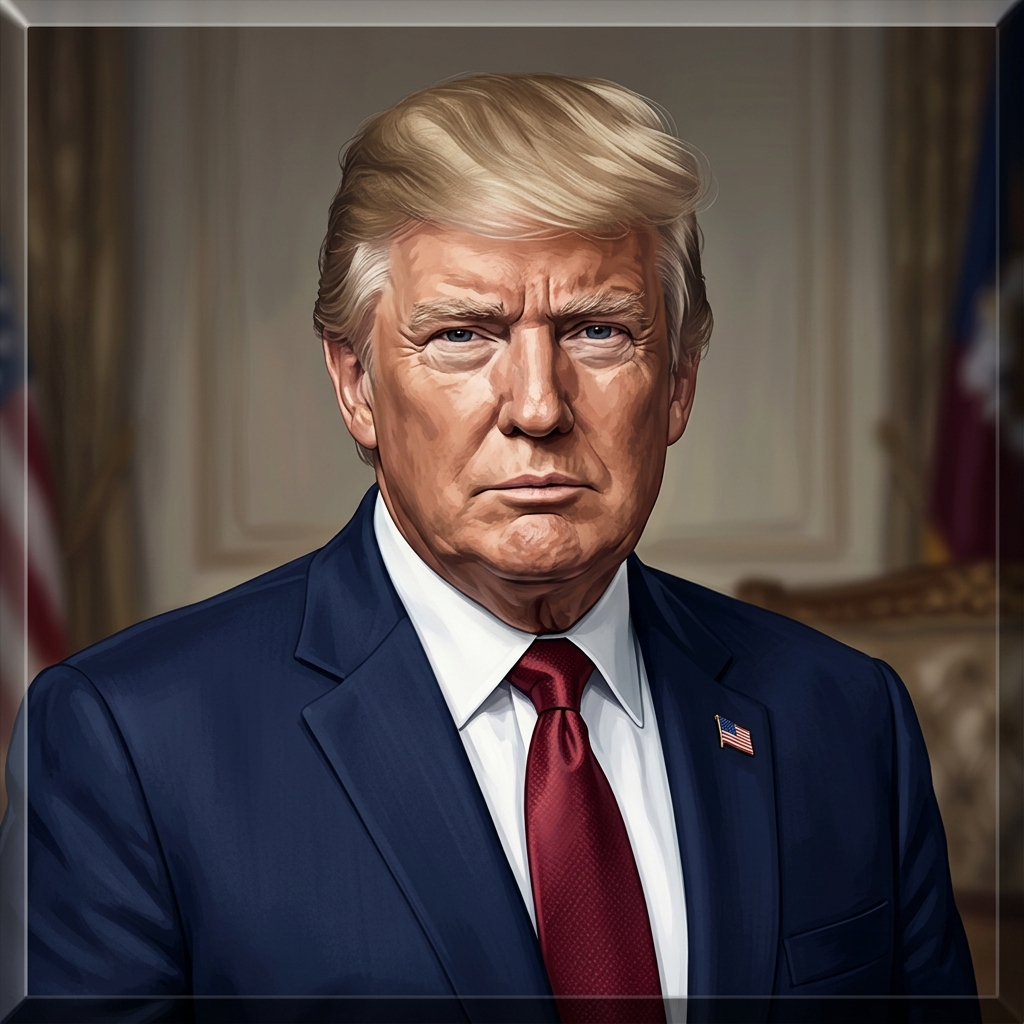
VS
Sanctions advocates
?
No actors in this side.
No actors in this side.
The United States is increasing diesel imports from Russia despite existing sanctions, driven by surging fuel prices and upcoming midterm elections.
This has sparked debate over the effectiveness and consistency of the sanctions regime.
*AI-generated summary of publicly available data. This is not an official statement of any party.
*AI-generated summary of publicly available statements and reporting. This is not an official statement of this party.
Supporters of the Trump administration argue that securing affordable diesel for American families and farmers is a cultural priority, and that pragmatic deals with Russia honor the nation's tradition of putting domestic stability above ideological purity.
Supporters of the Trump administration argue that prioritizing American families' fuel costs over rigid sanctions dogma reflects a cultural preference for practical governance rooted in national interest, not ideological purity.
Supporters of the Trump administration counter that American moral credibility rests on sustaining working families, not symbolic purity; keeping fuel flowing preserves the inherited way of life sanctions advocates would sacrifice for consistency.
Supporters of the Trump administration argue that sanctions law grants the executive latitude to prioritize domestic fuel supply and price stability, so increased Russian diesel imports remain legally permissible.
Supporters of the Trump administration argue that the sanctions' legal scope never barred Russian diesel purchases, so the imports remain lawful and consistent with the rules as written.
Supporters of the Trump administration counter that sanctions on Russian crude target specific entities, not refined diesel, so imports remain legally compliant unless expressly banned.
Supporters of Trump administration argue that buying Russian diesel to curb pump prices before midterms is pragmatic statecraft: sanctions serve leverage, not principle, and flexibility now preserves domestic power.
Supporters of the Trump administration argue that buying Russian diesel to cool fuel prices before the midterms is pragmatic leverage, not weakness—sanctions bend when domestic power is at stake.
Supporters of the Trump administration counter that sanctions were always leverage, not scripture; releasing diesel to cut pump prices before midterms converts abstract pressure into concrete domestic wins, which is how power is actually kept.
Supporters of the Trump administration argue that easing diesel imports from Russia is a moral necessity to shield American families from surging fuel costs, prioritizing domestic welfare over rigid sanctions.
Supporters of the Trump administration argue that easing sanctions on Russian diesel serves ordinary Americans facing high fuel costs, prioritizing their welfare over rigid geopolitical consistency.
Supporters of Trump administration counter that securing affordable fuel for American families is itself the moral priority, and that allies who lecture about coherence while still buying Russian energy lack standing to judge.
Supporters of the Trump administration argue that practical stewardship of the nation's welfare—keeping fuel affordable for families—reflects a moral duty to preserve order and stability at home, even amid tensions abroad.
Supporters of the Trump administration argue that easing Russian diesel imports reflects a prudential duty to shield families from hardship, holding that faith calls leaders to steward stability and order above rigid ideological purity.
Supporters of the Trump administration counter that governing requires prudence, not purity, citing Romans 13's grant of authority to secure the common good.
*AI-generated summary of publicly available statements and reporting. This is not an official statement of this party.
Supporters of Sanctions advocates argue that importing Russian diesel while sanctions stand signals cultural inconsistency, eroding the moral credibility America projects abroad and undermining the shared values that give sanctions their force.
Supporters of Sanctions advocates argue that importing Russian diesel while sanctions stand betrays a cultural commitment to consistency, since a sanctions regime seen as selectively enforced loses the moral authority that gives it force.
Supporters of Sanctions advocates counter that America's cultural identity is rooted in standing against aggression, not trading with it; they argue that sacrificing principle for cheap fuel betrays that heritage.
Supporters of Sanctions advocates argue that importing Russian diesel despite existing sanctions violates the legal integrity of the sanctions regime, since enforcement must remain consistent to carry moral and legal weight.
Sanctions advocates argue that importing Russian diesel while sanctions remain in force is legally incoherent, since enforcing trade restrictions requires consistent application rather than selective waivers for political convenience.
Sanctions advocates counter that the law conditions relief on verified compliance, not price goals, so executive discretion cannot override statutory limits merely to favor domestic fuel supply.
Supporters of Sanctions advocates argue that importing Russian diesel to cool pump prices before midterms exposes sanctions as a bargaining chip, not a principle—proof the White House will trade leverage for votes.
Supporters of Sanctions advocates argue that the Trump administration quietly tolerates Russian diesel imports because cheap fuel wins midterms, proving that sanctions serve domestic politics, not principle.
Supporters of Sanctions advocates counter that visible waivers signal to Moscow and allies that sanctions collapse under domestic pressure, eroding the very leverage Trump claims to preserve.
Supporters of sanctions advocates argue that buying Russian diesel while penalizing Russia is morally incoherent, since it undermines the stated purpose of pressuring Moscow and signals that principle yields to fuel prices.
Supporters of Sanctions advocates argue that buying Russian diesel while sanctions remain in place is morally incoherent, since the revenue funds the very state the measures target.
Sanctions advocates counter that funding Russian diesel morally implicates American consumers in atrocities, since sanctions aim to deny Moscow revenue for its war; cheaper fuel purchased with bloodshed is no bargain.
Supporters of Sanctions advocates argue that buying diesel from Russia while sanctioning it betrays a moral duty to keep faith with the sanctions, since scripture warns that a double-minded nation is unstable in all its ways.
Supporters of Sanctions advocates invoke scripture's call to honest weights and consistent judgment, arguing that a sanctions regime applied selectively—banning Russian oil while importing Russian diesel—betrays the moral integrity that faith demands of nations.
Sanctions advocates counter that scripture commands faithfulness to God's justice over material comfort, citing Matthew 6:24—no one can serve both God and money—so cheap fuel cannot excuse tolerating oppression.
AI-generated summary of publicly available statements and reporting. This is not an official statement of this party.
Supporters of the Trump administration argue that securing affordable diesel for American families and farmers is a cultural priority, and that pragmatic deals with Russia honor the nation's tradition of putting domestic stability above ideological purity.
Supporters of the Trump administration argue that prioritizing American families' fuel costs over rigid sanctions dogma reflects a cultural preference for practical governance rooted in national interest, not ideological purity.
Supporters of the Trump administration counter that American moral credibility rests on sustaining working families, not symbolic purity; keeping fuel flowing preserves the inherited way of life sanctions advocates would sacrifice for consistency.
Supporters of the Trump administration argue that sanctions law grants the executive latitude to prioritize domestic fuel supply and price stability, so increased Russian diesel imports remain legally permissible.
Supporters of the Trump administration argue that the sanctions' legal scope never barred Russian diesel purchases, so the imports remain lawful and consistent with the rules as written.
Supporters of the Trump administration counter that sanctions on Russian crude target specific entities, not refined diesel, so imports remain legally compliant unless expressly banned.
Supporters of Trump administration argue that buying Russian diesel to curb pump prices before midterms is pragmatic statecraft: sanctions serve leverage, not principle, and flexibility now preserves domestic power.
Supporters of the Trump administration argue that buying Russian diesel to cool fuel prices before the midterms is pragmatic leverage, not weakness—sanctions bend when domestic power is at stake.
Supporters of the Trump administration counter that sanctions were always leverage, not scripture; releasing diesel to cut pump prices before midterms converts abstract pressure into concrete domestic wins, which is how power is actually kept.
Supporters of the Trump administration argue that easing diesel imports from Russia is a moral necessity to shield American families from surging fuel costs, prioritizing domestic welfare over rigid sanctions.
Supporters of the Trump administration argue that easing sanctions on Russian diesel serves ordinary Americans facing high fuel costs, prioritizing their welfare over rigid geopolitical consistency.
Supporters of Trump administration counter that securing affordable fuel for American families is itself the moral priority, and that allies who lecture about coherence while still buying Russian energy lack standing to judge.
Supporters of the Trump administration argue that practical stewardship of the nation's welfare—keeping fuel affordable for families—reflects a moral duty to preserve order and stability at home, even amid tensions abroad.
Supporters of the Trump administration argue that easing Russian diesel imports reflects a prudential duty to shield families from hardship, holding that faith calls leaders to steward stability and order above rigid ideological purity.
Supporters of the Trump administration counter that governing requires prudence, not purity, citing Romans 13's grant of authority to secure the common good.
Supporters of Sanctions advocates argue that importing Russian diesel while sanctions stand signals cultural inconsistency, eroding the moral credibility America projects abroad and undermining the shared values that give sanctions their force.
Supporters of Sanctions advocates argue that importing Russian diesel while sanctions stand betrays a cultural commitment to consistency, since a sanctions regime seen as selectively enforced loses the moral authority that gives it force.
Supporters of Sanctions advocates counter that America's cultural identity is rooted in standing against aggression, not trading with it; they argue that sacrificing principle for cheap fuel betrays that heritage.
Supporters of Sanctions advocates argue that importing Russian diesel despite existing sanctions violates the legal integrity of the sanctions regime, since enforcement must remain consistent to carry moral and legal weight.
Sanctions advocates argue that importing Russian diesel while sanctions remain in force is legally incoherent, since enforcing trade restrictions requires consistent application rather than selective waivers for political convenience.
Sanctions advocates counter that the law conditions relief on verified compliance, not price goals, so executive discretion cannot override statutory limits merely to favor domestic fuel supply.
Supporters of Sanctions advocates argue that importing Russian diesel to cool pump prices before midterms exposes sanctions as a bargaining chip, not a principle—proof the White House will trade leverage for votes.
Supporters of Sanctions advocates argue that the Trump administration quietly tolerates Russian diesel imports because cheap fuel wins midterms, proving that sanctions serve domestic politics, not principle.
Supporters of Sanctions advocates counter that visible waivers signal to Moscow and allies that sanctions collapse under domestic pressure, eroding the very leverage Trump claims to preserve.
Supporters of sanctions advocates argue that buying Russian diesel while penalizing Russia is morally incoherent, since it undermines the stated purpose of pressuring Moscow and signals that principle yields to fuel prices.
Supporters of Sanctions advocates argue that buying Russian diesel while sanctions remain in place is morally incoherent, since the revenue funds the very state the measures target.
Sanctions advocates counter that funding Russian diesel morally implicates American consumers in atrocities, since sanctions aim to deny Moscow revenue for its war; cheaper fuel purchased with bloodshed is no bargain.
Supporters of Sanctions advocates argue that buying diesel from Russia while sanctioning it betrays a moral duty to keep faith with the sanctions, since scripture warns that a double-minded nation is unstable in all its ways.
Supporters of Sanctions advocates invoke scripture's call to honest weights and consistent judgment, arguing that a sanctions regime applied selectively—banning Russian oil while importing Russian diesel—betrays the moral integrity that faith demands of nations.
Sanctions advocates counter that scripture commands faithfulness to God's justice over material comfort, citing Matthew 6:24—no one can serve both God and money—so cheap fuel cannot excuse tolerating oppression.
President Donald Trump's deal with Putin comes amid surging fuel prices and looming US midterm elections.