Trump administration
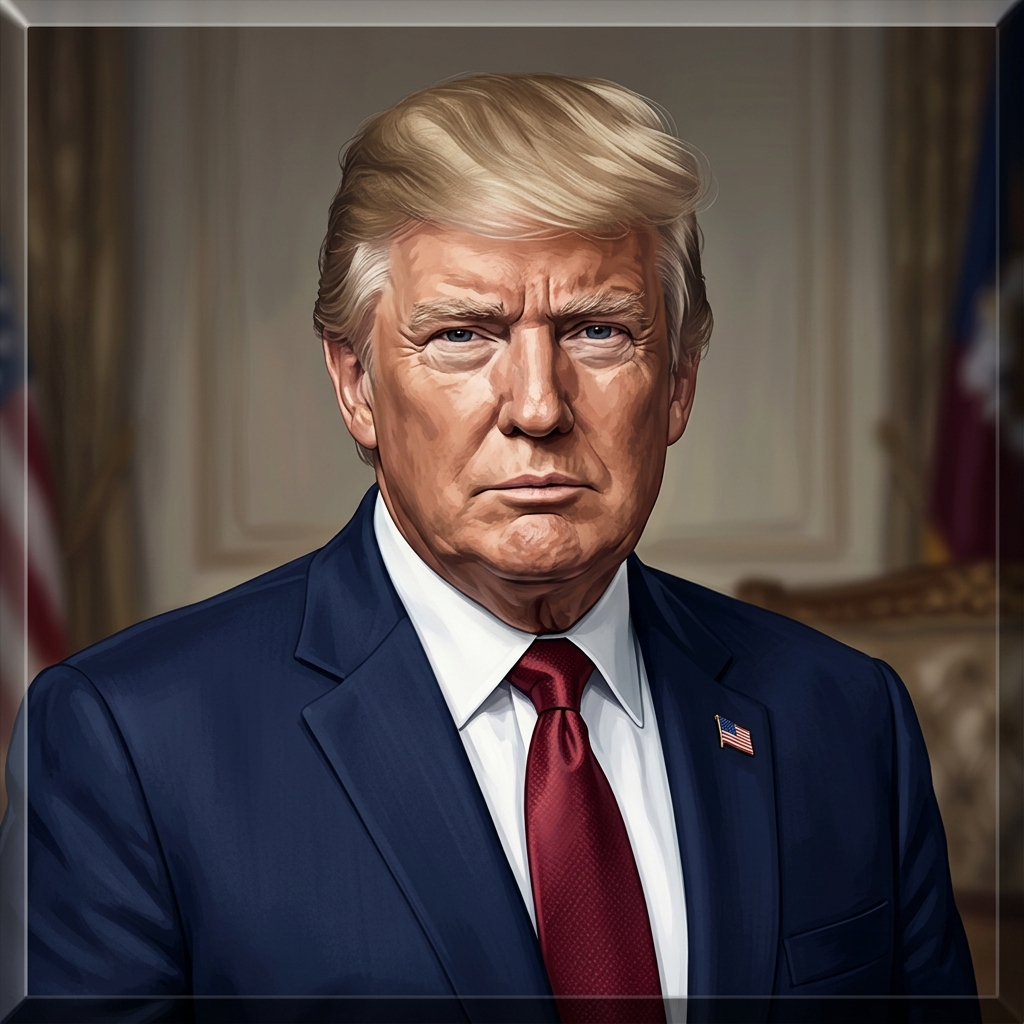
VS
Saudi authorities
A deadly attack on Riyadh airport killed 12 people and injured over 300, according to Saudi authorities.
President Donald Trump said the United States may intervene and is looking into it, raising the question of whether the US should take military action in response.
*AI-generated summary of publicly available data. This is not an official statement of any party.
*AI-generated summary of publicly available statements and reporting. This is not an official statement of this party.
Supporters of the Trump administration invoke a cultural memory of American resolve after past attacks, arguing that hesitation abroad invites further aggression and that standing with Saudi Arabia honors a longstanding alliance.
Supporters of the Trump administration argue that America’s cultural role as a global protector demands standing with Saudi Arabia, recalling past alliances where US resolve steadied the region.
Supporters of the Trump administration counter that America's own cultural and strategic ties to the kingdom give it standing, and that sovereignty has never barred outside powers from defending shared interests.
Supporters of the Trump administration argue that international law permits military action when a host government requests assistance against a terrorist attack, and that Saudi authorities' formal consent would supply the legal basis.
Supporters of the Trump administration argue that international law permits US military action if Saudi authorities request aid or consent, treating self-defense and host-nation consent as lawful bases.
Supporters of the Trump administration counter that sovereignty does not shield a host state whose security failures enable attacks on foreign nationals, and that self-defense under Article 51 can justify action absent Riyadh's consent.
Supporters of the Trump administration argue that intervention is leverage, not charity: backing Riyadh preserves oil flow, arms deals, and influence over Iran, and a visible US response reminds allies that protection carries a price.
Supporters of the Trump administration argue that intervention in Riyadh serves US leverage, not charity: tying military aid to Saudi cooperation on oil and regional security extracts concessions Riyadh resists otherwise.
Supporters of the Trump administration counter that Riyadh's sovereignty still depends on Washington's security guarantee, so the crown's authority erodes far more from appearing to bow to pressure than from any outside action.
Supporters of the Trump administration argue that America bears a moral duty to protect global stability and innocent life, so responding to the Riyadh attack may be justified—though they insist any action must weigh ecological and civilian harm carefully.
Supporters of the Trump administration argue that military force can be a moral duty to protect the innocent, yet environmentalists caution that such intervention risks long-term ecological harm, urging restraint.
Supporters of the Trump administration counter that sovereignty cannot shield a government from moral accountability when its actions endanger shared resources, arguing that ecological harm crosses borders and no nation's security claim outweighs planetary duty.
Supporters of the Trump administration argue that scripture charges rulers with protecting the innocent, citing Romans 13 on authority as God's servant for justice, so they see a measured response as a moral duty.
Supporters of the Trump administration argue that scripture's call to protect the innocent and pursue justice gives moral warrant for intervening after the Riyadh attack.
Supporters of the Trump administration counter that Saudi guardianship of Mecca and Medina concerns worship, not the right to police other nations; they cite Romans 13 to argue civil authority is God-ordained, not a religious license for regional coercion.
*AI-generated summary of publicly available statements and reporting. This is not an official statement of this party.
Supporters of Saudi authorities argue that the kingdom's sovereignty and cultural identity must be defended by its own institutions, and that outside military intervention would undermine national self-determination.
Supporters of Saudi authorities argue that Riyadh's sovereignty must be respected, and that outside intervention in response to the airport attack would violate the nation's right to self-determination.
Supporters of Saudi authorities counter that Saudi culture values sovereign independence, so partnership is framed as mutual respect between nations, not as a US favor granted to a dependent ally.
Supporters of Saudi authorities argue that under international law, sovereignty grants Riyadh the primary right to investigate and respond to the airport attack; they maintain outside military intervention requires consent or UN authorization.
Supporters of Saudi authorities argue that national sovereignty under international law bars unilateral US military action on Saudi territory absent Riyadh's consent, and point to the government's own investigation as the proper legal channel.
Supporters of Saudi authorities counter that no public record shows Riyadh formally requesting or consenting to such action, and without documented host-state consent, the cited legal basis remains unestablished.
Supporters of Saudi authorities argue that sovereignty dictates Riyadh sets the response, not Washington; they warn that outside military action would inflame the region and erode the crown's authority.
Supporters of Saudi authorities argue that Riyadh’s security is a domestic matter, and that inviting US military action would trade sovereignty for dependence, making the kingdom appear unable to defend itself.
Supporters of Saudi authorities counter that leverage cuts both ways: Riyadh's oil capacity and arms purchases give it options beyond Washington, so a visible US price risks pushing the kingdom toward China and Russia instead of compliance.
Supporters of Saudi authorities argue that sovereignty imposes a moral duty: a nation bears responsibility for its own security, and foreign military intervention, however well-intentioned, risks compounding tragedy and eroding the very order it claims to defend.
Supporters of Saudi authorities argue that Saudi sovereignty must be respected, and that the kingdom, not outside powers, should decide any response to the Riyadh airport attack.
Supporters of Saudi authorities counter that stability claims ring hollow when the 2019 Aramco strike harmed no civilians, yet Washington still weighed military action; they argue sovereignty, not foreign duty, protects innocent life.
Supporters of Saudi authorities argue that the kingdom, as guardian of Islam's holiest sites, must defend the ummah's stability and deter aggression against its land.
Supporters of Saudi authorities argue that, as custodians of Islam's holiest sites, the Kingdom's religious legitimacy obliges it to defend Muslim lives, so outside military intervention risks undermining that sacred guardianship.
Supporters of Saudi authorities counter that Romans 13 also binds rulers to preserve order and restrain vengeance, so they see measured statecraft, not moral crusade, as the religious duty owed to the innocent.
AI-generated summary of publicly available statements and reporting. This is not an official statement of this party.
Supporters of the Trump administration invoke a cultural memory of American resolve after past attacks, arguing that hesitation abroad invites further aggression and that standing with Saudi Arabia honors a longstanding alliance.
Supporters of the Trump administration argue that America’s cultural role as a global protector demands standing with Saudi Arabia, recalling past alliances where US resolve steadied the region.
Supporters of the Trump administration counter that America's own cultural and strategic ties to the kingdom give it standing, and that sovereignty has never barred outside powers from defending shared interests.
Supporters of the Trump administration argue that international law permits military action when a host government requests assistance against a terrorist attack, and that Saudi authorities' formal consent would supply the legal basis.
Supporters of the Trump administration argue that international law permits US military action if Saudi authorities request aid or consent, treating self-defense and host-nation consent as lawful bases.
Supporters of the Trump administration counter that sovereignty does not shield a host state whose security failures enable attacks on foreign nationals, and that self-defense under Article 51 can justify action absent Riyadh's consent.
Supporters of the Trump administration argue that intervention is leverage, not charity: backing Riyadh preserves oil flow, arms deals, and influence over Iran, and a visible US response reminds allies that protection carries a price.
Supporters of the Trump administration argue that intervention in Riyadh serves US leverage, not charity: tying military aid to Saudi cooperation on oil and regional security extracts concessions Riyadh resists otherwise.
Supporters of the Trump administration counter that Riyadh's sovereignty still depends on Washington's security guarantee, so the crown's authority erodes far more from appearing to bow to pressure than from any outside action.
Supporters of the Trump administration argue that America bears a moral duty to protect global stability and innocent life, so responding to the Riyadh attack may be justified—though they insist any action must weigh ecological and civilian harm carefully.
Supporters of the Trump administration argue that military force can be a moral duty to protect the innocent, yet environmentalists caution that such intervention risks long-term ecological harm, urging restraint.
Supporters of the Trump administration counter that sovereignty cannot shield a government from moral accountability when its actions endanger shared resources, arguing that ecological harm crosses borders and no nation's security claim outweighs planetary duty.
Supporters of the Trump administration argue that scripture charges rulers with protecting the innocent, citing Romans 13 on authority as God's servant for justice, so they see a measured response as a moral duty.
Supporters of the Trump administration argue that scripture's call to protect the innocent and pursue justice gives moral warrant for intervening after the Riyadh attack.
Supporters of the Trump administration counter that Saudi guardianship of Mecca and Medina concerns worship, not the right to police other nations; they cite Romans 13 to argue civil authority is God-ordained, not a religious license for regional coercion.
Supporters of Saudi authorities argue that the kingdom's sovereignty and cultural identity must be defended by its own institutions, and that outside military intervention would undermine national self-determination.
Supporters of Saudi authorities argue that Riyadh's sovereignty must be respected, and that outside intervention in response to the airport attack would violate the nation's right to self-determination.
Supporters of Saudi authorities counter that Saudi culture values sovereign independence, so partnership is framed as mutual respect between nations, not as a US favor granted to a dependent ally.
Supporters of Saudi authorities argue that under international law, sovereignty grants Riyadh the primary right to investigate and respond to the airport attack; they maintain outside military intervention requires consent or UN authorization.
Supporters of Saudi authorities argue that national sovereignty under international law bars unilateral US military action on Saudi territory absent Riyadh's consent, and point to the government's own investigation as the proper legal channel.
Supporters of Saudi authorities counter that no public record shows Riyadh formally requesting or consenting to such action, and without documented host-state consent, the cited legal basis remains unestablished.
Supporters of Saudi authorities argue that sovereignty dictates Riyadh sets the response, not Washington; they warn that outside military action would inflame the region and erode the crown's authority.
Supporters of Saudi authorities argue that Riyadh’s security is a domestic matter, and that inviting US military action would trade sovereignty for dependence, making the kingdom appear unable to defend itself.
Supporters of Saudi authorities counter that leverage cuts both ways: Riyadh's oil capacity and arms purchases give it options beyond Washington, so a visible US price risks pushing the kingdom toward China and Russia instead of compliance.
Supporters of Saudi authorities argue that sovereignty imposes a moral duty: a nation bears responsibility for its own security, and foreign military intervention, however well-intentioned, risks compounding tragedy and eroding the very order it claims to defend.
Supporters of Saudi authorities argue that Saudi sovereignty must be respected, and that the kingdom, not outside powers, should decide any response to the Riyadh airport attack.
Supporters of Saudi authorities counter that stability claims ring hollow when the 2019 Aramco strike harmed no civilians, yet Washington still weighed military action; they argue sovereignty, not foreign duty, protects innocent life.
Supporters of Saudi authorities argue that the kingdom, as guardian of Islam's holiest sites, must defend the ummah's stability and deter aggression against its land.
Supporters of Saudi authorities argue that, as custodians of Islam's holiest sites, the Kingdom's religious legitimacy obliges it to defend Muslim lives, so outside military intervention risks undermining that sacred guardianship.
Supporters of Saudi authorities counter that Romans 13 also binds rulers to preserve order and restrain vengeance, so they see measured statecraft, not moral crusade, as the religious duty owed to the innocent.
12 killed and over 300 injured in an attack on Riyadh airport, according to Saudi authorities.