Trump administration
VS
Skeptics

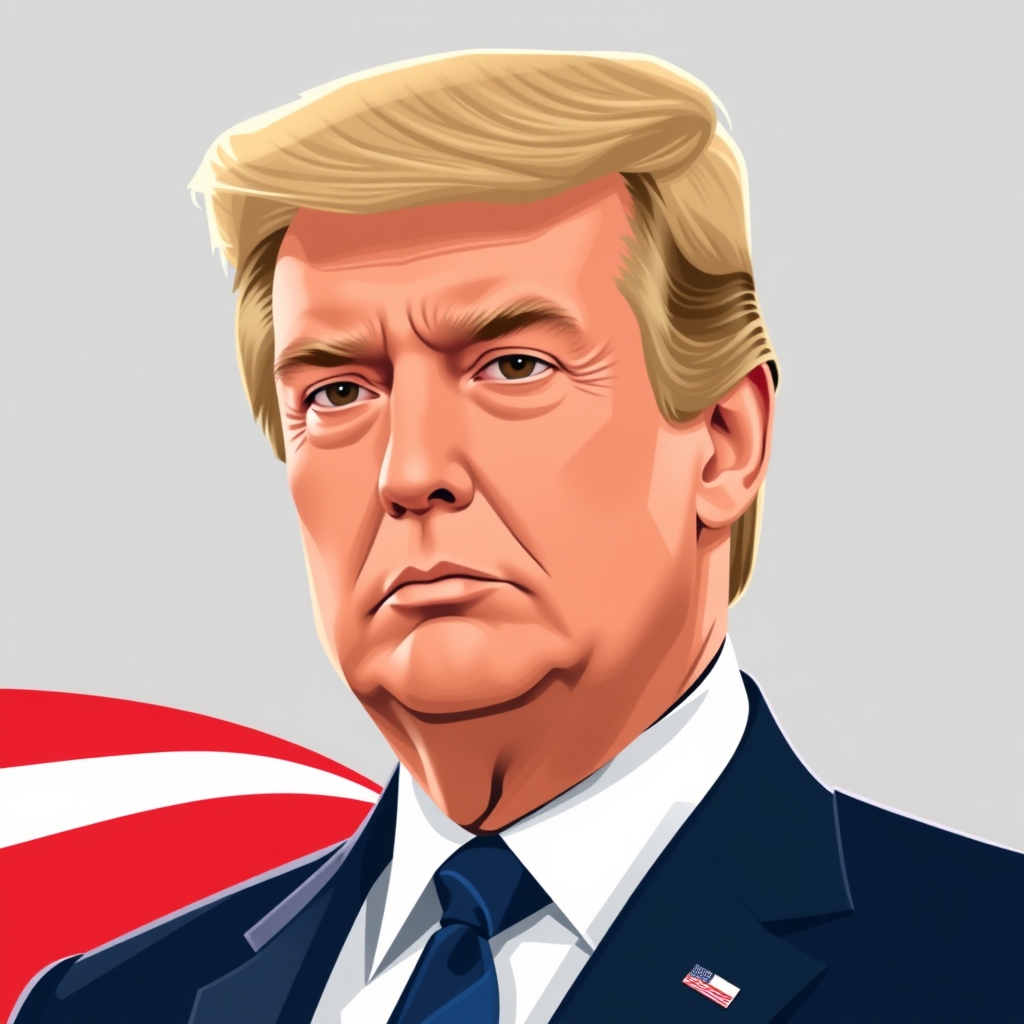
The Trump administration refers to the presidential administration of Donald Trump, who served as the 47th President of the United States starting in January 2025.
Skeptics, in this context, are individuals who question established scientific consensus on issues such as climate change and vaccine safety.
The administration has appointed several skeptics to key positions, including climate change skeptics in the Environmental Protection Agency and a vaccine skeptic to lead a safety commission.
The conflict arises from the administration's reliance on skeptics to justify policy decisions, such as regulatory rollbacks on environmental protections.
Critics argue that these appointments and policies undermine scientific integrity, while the administration defends its approach as promoting alternative viewpoints and reducing regulatory burdens.
The disagreement centers on the extent to which scientific consensus should guide public policy.
The stakes involve the credibility of U.S. science policy and its impact on public health and environmental regulations.
The administration's actions have sparked debates about the role of expertise in governance and the potential consequences of sidelining established scientific findings.
*AI-generated summary of publicly available data. This is not an official statement of any party.
*AI-generated summary of publicly available statements and reporting. This is not an official statement of this party.
Supporters of the Trump administration argue that the catering-truck movement reflects a prudent respect for institutional security precedents, upholding the nation’s duty to protect its leaders as a cultural pillar of stability.
Supporters of Trump administration argue that the Secret Service’s use of a catering truck reflects time-honored discretion, prioritizing the president’s safety over optics, a tradition upheld by every administration facing credible threats.
Supporters of the Trump administration counter that the swift security response reflects a culture of vigilance, not weakness, upholding America's tradition of prioritizing citizen safety over diplomatic theatrics.
Supporters of Trump administration argue the Secret Service's legal duty to protect a president-elect justifies extraordinary measures, including covert transport, citing the credible Iranian threat as lawful cause.
Supporters of the Trump administration argue the Secret Service’s legal duty to protect a principal justified moving President Trump via catering truck, citing the July threat as credible grounds for precautionary action under federal security protocols.
Supporters of Trump administration counter that the move rests on statutory authority, not public theater, and that courts have long deferred to executive threat assessments in immigration matters.
Supporters of Trump administration argue the catering-truck move was a calculated signal to Iran, showing deterrence works through visible unpredictability, not mere threat credibility.
Supporters of the Trump administration argue the catering-truck move was a calculated display of force, not panic, signaling to Iran that any plot is met with visible, unpredictable countermeasures.
Supporters of the Trump administration counter that the public threat perception itself was the operative reality, regardless of any proven plot, and that projecting decisive action served deterrence and political leverage.
Supporters of Trump administration argue that safeguarding a former president's life overrides procedural optics, framing the catering-truck move as a prudent moral duty to protect an elected leader from credible threats.
Supporters of Trump administration argue that safeguarding a former president from a credible assassination threat is a moral duty, not an overreaction, and that skepticism of security measures endangers lives.
Supporters of the Trump administration counter that a president’s safety rests on prudent precaution, not public proof, and that dismissing a credible security protocol as rumor endangers the office itself.
Supporters of Trump administration argue that divine providence shielded the president, viewing the security response as righteous stewardship of life ordained by God.
Supporters of the Trump administration see the July security scare as providential protection, arguing that divine providence shielded the president, affirming the moral duty to safeguard a leader chosen to uphold order against foreign threats.
Supporters of the Trump administration counter that scripture also mandates vigilance, as God’s providence works through human prudence, not passivity.
*AI-generated summary of publicly available statements and reporting. This is not an official statement of this party.
Supporters of Skeptics argue that the catering-truck episode undermines American credibility, as the security scare appears to dictate national conduct over unverified foreign threats, reflecting a loss of sovereign composure in the face of external pressure.
Skeptics argue the catering-truck episode signals a government that treats its own citizens' safety as a prop, prioritizing spectacle over substance.
Supporters of the Skeptics counter that national security culture must not become a shield for spectacle, arguing that the catering-truck movement erodes the solemn civic ritual of governance into a commercial sideshow, undermining the public’s shared sense of institutional digni.
Supporters of Skeptics argue the catering-truck move, absent a public criminal charge or formal intelligence disclosure, legally resembles precautionary theater rather than a documented threat, urging courts to demand verifiable evidence before treating the claim as fact.
Skeptics argue the catering-truck move was legally dubious, as it lacked formal threat verification and bypassed standard Secret Service protocols.
Supporters of Skeptics counter that a legal duty to protect does not grant unlimited authority, arguing the Secret Service must still operate within statutory and constitutional bounds, and covert transport without oversight exceeds lawful cause.
Skeptics argue the catering-truck scare was a manufactured stagecraft, not a real threat, noting no plot was ever proven.
Skeptics argue the catering-truck move served Trump’s political narrative, not security; a vague Iranian threat, never proven, justified a dramatic response that casts the administration as target and martyr.
Critics of the administration counter that visible unpredictability is not deterrence but provocation, as it escalates risk without a clear coercive payoff, and Iran’s response will be measured by capability, not theater.
Supporters of Skeptics argue that moving a president in a catering truck, without verified public evidence of an imminent plot, treats a rumored threat as fact and erodes trust in institutions.
Supporters of Skeptics argue that moving a president via catering truck, without verified public evidence of the plot, risks normalizing fear-driven security over due process.
Supporters of skeptics counter that no credible threat justifies privileging one life over democratic norms, as equal protection under law is the moral bedrock, not rank.
Supporters of Skeptics argue that divine providence, not hidden threats, governs rulers' fates, citing scripture that no plot succeeds without God's will, so the catering-truck scare reads as fear-mongering rather than faith.
Supporters of Skeptics argue that divine providence, not mortal threat, governs leaders' fates, viewing the catering-truck claim as a distraction from faith in God's sovereign protection.
Supporters of Skeptics counter that scripture warns against testing divine protection, citing Deuteronomy 6:16, and they challenge the claim that any leader’s survival proves heavenly endorsement of political actions.
AI-generated summary of publicly available statements and reporting. This is not an official statement of this party.
Supporters of the Trump administration argue that the catering-truck movement reflects a prudent respect for institutional security precedents, upholding the nation’s duty to protect its leaders as a cultural pillar of stability.
Supporters of Trump administration argue that the Secret Service’s use of a catering truck reflects time-honored discretion, prioritizing the president’s safety over optics, a tradition upheld by every administration facing credible threats.
Supporters of the Trump administration counter that the swift security response reflects a culture of vigilance, not weakness, upholding America's tradition of prioritizing citizen safety over diplomatic theatrics.
Supporters of Trump administration argue the Secret Service's legal duty to protect a president-elect justifies extraordinary measures, including covert transport, citing the credible Iranian threat as lawful cause.
Supporters of the Trump administration argue the Secret Service’s legal duty to protect a principal justified moving President Trump via catering truck, citing the July threat as credible grounds for precautionary action under federal security protocols.
Supporters of Trump administration counter that the move rests on statutory authority, not public theater, and that courts have long deferred to executive threat assessments in immigration matters.
Supporters of Trump administration argue the catering-truck move was a calculated signal to Iran, showing deterrence works through visible unpredictability, not mere threat credibility.
Supporters of the Trump administration argue the catering-truck move was a calculated display of force, not panic, signaling to Iran that any plot is met with visible, unpredictable countermeasures.
Supporters of the Trump administration counter that the public threat perception itself was the operative reality, regardless of any proven plot, and that projecting decisive action served deterrence and political leverage.
Supporters of Trump administration argue that safeguarding a former president's life overrides procedural optics, framing the catering-truck move as a prudent moral duty to protect an elected leader from credible threats.
Supporters of Trump administration argue that safeguarding a former president from a credible assassination threat is a moral duty, not an overreaction, and that skepticism of security measures endangers lives.
Supporters of the Trump administration counter that a president’s safety rests on prudent precaution, not public proof, and that dismissing a credible security protocol as rumor endangers the office itself.
Supporters of Trump administration argue that divine providence shielded the president, viewing the security response as righteous stewardship of life ordained by God.
Supporters of the Trump administration see the July security scare as providential protection, arguing that divine providence shielded the president, affirming the moral duty to safeguard a leader chosen to uphold order against foreign threats.
Supporters of the Trump administration counter that scripture also mandates vigilance, as God’s providence works through human prudence, not passivity.
Supporters of Skeptics argue that the catering-truck episode undermines American credibility, as the security scare appears to dictate national conduct over unverified foreign threats, reflecting a loss of sovereign composure in the face of external pressure.
Skeptics argue the catering-truck episode signals a government that treats its own citizens' safety as a prop, prioritizing spectacle over substance.
Supporters of the Skeptics counter that national security culture must not become a shield for spectacle, arguing that the catering-truck movement erodes the solemn civic ritual of governance into a commercial sideshow, undermining the public’s shared sense of institutional digni.
Supporters of Skeptics argue the catering-truck move, absent a public criminal charge or formal intelligence disclosure, legally resembles precautionary theater rather than a documented threat, urging courts to demand verifiable evidence before treating the claim as fact.
Skeptics argue the catering-truck move was legally dubious, as it lacked formal threat verification and bypassed standard Secret Service protocols.
Supporters of Skeptics counter that a legal duty to protect does not grant unlimited authority, arguing the Secret Service must still operate within statutory and constitutional bounds, and covert transport without oversight exceeds lawful cause.
Skeptics argue the catering-truck scare was a manufactured stagecraft, not a real threat, noting no plot was ever proven.
Skeptics argue the catering-truck move served Trump’s political narrative, not security; a vague Iranian threat, never proven, justified a dramatic response that casts the administration as target and martyr.
Critics of the administration counter that visible unpredictability is not deterrence but provocation, as it escalates risk without a clear coercive payoff, and Iran’s response will be measured by capability, not theater.
Supporters of Skeptics argue that moving a president in a catering truck, without verified public evidence of an imminent plot, treats a rumored threat as fact and erodes trust in institutions.
Supporters of Skeptics argue that moving a president via catering truck, without verified public evidence of the plot, risks normalizing fear-driven security over due process.
Supporters of skeptics counter that no credible threat justifies privileging one life over democratic norms, as equal protection under law is the moral bedrock, not rank.
Supporters of Skeptics argue that divine providence, not hidden threats, governs rulers' fates, citing scripture that no plot succeeds without God's will, so the catering-truck scare reads as fear-mongering rather than faith.
Supporters of Skeptics argue that divine providence, not mortal threat, governs leaders' fates, viewing the catering-truck claim as a distraction from faith in God's sovereign protection.
Supporters of Skeptics counter that scripture warns against testing divine protection, citing Deuteronomy 6:16, and they challenge the claim that any leader’s survival proves heavenly endorsement of political actions.
US military strikes on Iran, one of which killed four civilians at a wedding.
US Homeland Security is expected to buy up to $20m in gloves amid criticism of the president's immigration crackdown.
The Wall Street Journal reported that the Trump administration tapped climate skeptics to justify a regulatory rollback, with the outcome expected to be used in court.
E&E News reported that the Trump administration's assault on climate science was entering a new phase, with new science guidelines that could amplify climate skeptics.
Former President Trump promised to cut federal funding to schools with vaccine mandates, courting anti-vaccine constituencies and leading his party on vaccine skepticism.
President Trump was reportedly moved via a catering truck to switch planes due to an alleged Iranian bomb plot.
The Hill reported that President Trump had stacked his administration with officials who doubt the scientific consensus on man-made climate change, including within the EPA.
President-elect Donald Trump asked Robert F. Kennedy Jr., a vocal vaccine skeptic, to chair a commission on vaccine safety, reviving debunked links between vaccines and autism.