Trump administration
VS
Skeptics

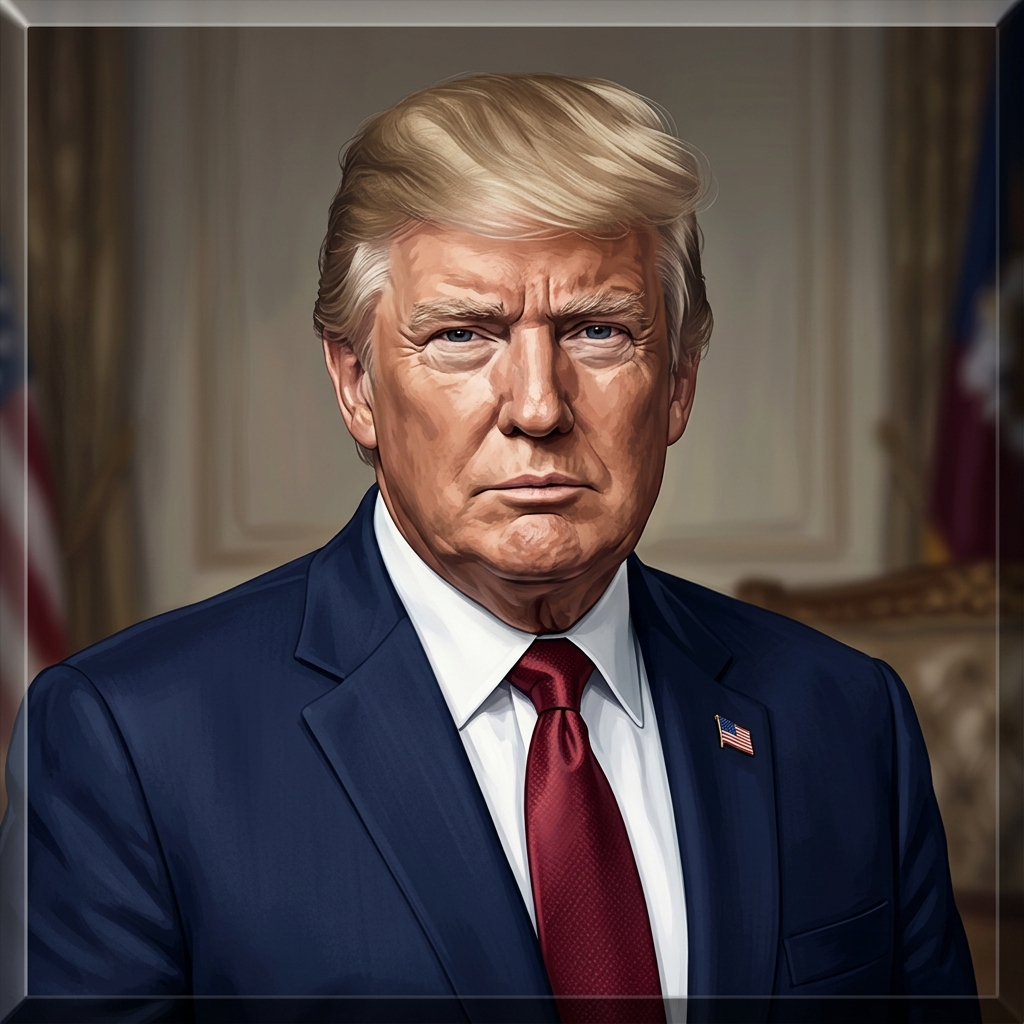
The Trump administration refers to the executive branch leadership under President Donald Trump, whose policies have often challenged established scientific consensus on issues such as climate change and vaccines.
Skeptics, in this context, are individuals and groups who question the scientific evidence behind climate change or vaccine safety, and who have been appointed or consulted by the administration to support its regulatory rollbacks.
The conflict arises because the Trump administration has sought to weaken environmental and public health regulations, often relying on the input of skeptics to justify these actions.
Skeptics, in turn, have gained influence and visibility through their alignment with the administration, while critics argue that this approach undermines scientific integrity and public health protections.
The stakes include the future of climate policy, vaccine mandates, and the role of scientific expertise in government decision-making.
*AI-generated summary of publicly available data. This is not an official statement of any party.
*AI-generated summary of publicly available statements and reporting. This is not an official statement of this party.
Supporters of the Trump administration argue that scaling back US-South Korea drills mirrors a proven historical cycle, where easing military pressure opens diplomatic doors with adversaries, citing past summits as precedent for cultural dialogue over provocation.
Supporters of the Trump administration argue that scaling back drills with South Korea breaks a cyclical pattern of provocation, echoing past diplomatic openings that historically lowered tensions on the Korean Peninsula.
Supporters of the Trump administration counter that the alliance’s cultural bond rests on shared prosperity, not perpetual drills, citing past pauses that preserved deterrence while opening dialogue, which history shows strengthens, not weakens, regional trust.
Supporters of the Trump administration argue that the scaled-back exercises remain a lawful exercise of presidential authority, preserving the US-ROK mutual defense treaty while opening diplomatic space.
Supporters of the Trump administration argue that scaling back US-South Korea drills is a lawful, sovereign exercise of presidential authority to pursue diplomacy, not a binding concession that alters treaty obligations.
Supporters of the Trump administration counter that national sovereignty permits adjusting military deployments without treaty symmetry, as international law leaves force posture decisions to each state’s discretion.
Supporters of Trump administration argue the drill drawdown is a calculated lever: by denying Pyongyang a pretext for hostility, Washington tests whether Kim’s China alignment is ideological or transactional, betting that cost-benefit logic will force a rebalance.
Supporters of the Trump administration argue the drill drawdown is a calculated price to test Kim Jong Un's real leverage, betting that China's grip loosens only when Pyongyang sees Washington as the more reliable patron.
Supporters of the Trump administration counter that the drill pause is a calculated cost-benefit move, not weakness, as it trades a symbolic exercise for tangible denuclearization steps and shifts the burden of escalation onto Pyongyang, whose bluff collapses without U.S.
Supporters of the Trump administration argue that scaling back US-South Korea drills is a moral act of peacemaking, trusting that dialogue over provocation honors divine law and the sanctity of life.
Supporters of Trump administration argue that scaling back military drills reflects a moral commitment to peace over provocation, believing dialogue with Kim Jong Un honors the sacred duty to avoid needless bloodshed.
Supporters of the Trump administration counter that moral leadership requires exhausting every peaceful path before conflict, and that faith in principled dialogue, not past failures, defines a just and courageous foreign policy.
Supporters of the Trump administration argue that scaling back military drills reflects a faith in diplomatic engagement over provocation, seeing this as a moral step toward peace that scripture commends.
Supporters of the Trump administration see the scaled-back drills as a faithful act of peacemaking, trusting that goodwill, not provocation, opens the path to dialogue, as scripture teaches that blessed are the peacemakers.
Supporters of the Trump administration counter that peace, not force, reflects divine order, as scripture teaches that righteousness exalts a nation, and they trust diplomacy over costly martial display to quiet the Korean peninsula.
*AI-generated summary of publicly available statements and reporting. This is not an official statement of this party.
Supporters of the Skeptics argue that scaling back US-South Korea drills undermines the cultural bond of shared sacrifice that anchors the alliance, a gesture China reads as weakness rather than sincerity.
Supporters of Skeptics argue that scaling back joint US-South Korea drills erodes the cultural symbolism of allied resolve, which Seoul and Washington have long upheld as their shared deterrent identity.
Critics of the administration counter that cultural dialogue cannot substitute for strategic deterrence, noting that past summits produced no lasting denuclearization, only North Korean propaganda victories that eroded regional trust in US commitments.
Skeptics argue that scaling back US-South Korea exercises lacks legal reciprocity, as North Korea’s treaty obligations with China remain binding, making any concession an unenforceable gesture under international law.
Supporters of Skeptics argue that scaling back US-South Korea exercises lacks legal reciprocity, as North Korea's treaty obligations to China remain unchanged, making any security concession premature under international law.
Skeptics counter that treaty obligations demand operational credibility, not symbolic posturing; scaled-back drills risk signaling weakness to Pyongyang and eroding deterrence, which legal scholars argue undermines the mutual defense pact’s core purpose.
Skeptics argue Trump's drill cut is a one-sided concession that signals weakness, not leverage, and Kim Jong Un will pocket the gain while staying anchored to China's security umbrella.
Skeptics argue that Trump’s drill concession is a bargaining chip spent before talks even begin, handing Kim Jong Un a strategic win with zero guaranteed return, while China watches approvingly as the US-South Korea alliance weakens.
Skeptics counter that the drawdown signals weakness, not leverage, and Pyongyang reads concessions as capitulation, emboldening further brinkmanship while Beijing watches Washington blink first, securing deeper Chinese alignment.
Supporters of the Skeptics argue that trading proven security guarantees for unverified diplomatic gestures risks abandoning allies, a moral breach of trust that data on North Korea's past treaty violations cannot justify.
Supporters of Skeptics argue that trading concrete allied security for unverified diplomatic overtures risks abandoning South Korea’s moral claim to defense, undermining trust in U.S. commitments without evidence of reciprocal denuclearization.
Supporters of Skeptics counter that peacemaking without verifiable denuclearization risks moral complacency, as ambiguity can enable oppression.
Supporters of the Skeptics argue that scaling back US-South Korea drills trades proven deterrence for uncertain diplomacy, a break with the inherited wisdom that strength preserves peace.
Supporters of Skeptics argue that scaling back military readiness, a shield of order, risks signaling weakness to Kim Jong Un, who treats concessions as divine favor for his regime.
Skeptics counter that scripture commends vigilance and strength, not unilateral concession; peace through weakness invites aggression and abandons the moral duty to protect the innocent, which faith demands.
AI-generated summary of publicly available statements and reporting. This is not an official statement of this party.
Supporters of the Trump administration argue that scaling back US-South Korea drills mirrors a proven historical cycle, where easing military pressure opens diplomatic doors with adversaries, citing past summits as precedent for cultural dialogue over provocation.
Supporters of the Trump administration argue that scaling back drills with South Korea breaks a cyclical pattern of provocation, echoing past diplomatic openings that historically lowered tensions on the Korean Peninsula.
Supporters of the Trump administration counter that the alliance’s cultural bond rests on shared prosperity, not perpetual drills, citing past pauses that preserved deterrence while opening dialogue, which history shows strengthens, not weakens, regional trust.
Supporters of the Trump administration argue that the scaled-back exercises remain a lawful exercise of presidential authority, preserving the US-ROK mutual defense treaty while opening diplomatic space.
Supporters of the Trump administration argue that scaling back US-South Korea drills is a lawful, sovereign exercise of presidential authority to pursue diplomacy, not a binding concession that alters treaty obligations.
Supporters of the Trump administration counter that national sovereignty permits adjusting military deployments without treaty symmetry, as international law leaves force posture decisions to each state’s discretion.
Supporters of Trump administration argue the drill drawdown is a calculated lever: by denying Pyongyang a pretext for hostility, Washington tests whether Kim’s China alignment is ideological or transactional, betting that cost-benefit logic will force a rebalance.
Supporters of the Trump administration argue the drill drawdown is a calculated price to test Kim Jong Un's real leverage, betting that China's grip loosens only when Pyongyang sees Washington as the more reliable patron.
Supporters of the Trump administration counter that the drill pause is a calculated cost-benefit move, not weakness, as it trades a symbolic exercise for tangible denuclearization steps and shifts the burden of escalation onto Pyongyang, whose bluff collapses without U.S.
Supporters of the Trump administration argue that scaling back US-South Korea drills is a moral act of peacemaking, trusting that dialogue over provocation honors divine law and the sanctity of life.
Supporters of Trump administration argue that scaling back military drills reflects a moral commitment to peace over provocation, believing dialogue with Kim Jong Un honors the sacred duty to avoid needless bloodshed.
Supporters of the Trump administration counter that moral leadership requires exhausting every peaceful path before conflict, and that faith in principled dialogue, not past failures, defines a just and courageous foreign policy.
Supporters of the Trump administration argue that scaling back military drills reflects a faith in diplomatic engagement over provocation, seeing this as a moral step toward peace that scripture commends.
Supporters of the Trump administration see the scaled-back drills as a faithful act of peacemaking, trusting that goodwill, not provocation, opens the path to dialogue, as scripture teaches that blessed are the peacemakers.
Supporters of the Trump administration counter that peace, not force, reflects divine order, as scripture teaches that righteousness exalts a nation, and they trust diplomacy over costly martial display to quiet the Korean peninsula.
Supporters of the Skeptics argue that scaling back US-South Korea drills undermines the cultural bond of shared sacrifice that anchors the alliance, a gesture China reads as weakness rather than sincerity.
Supporters of Skeptics argue that scaling back joint US-South Korea drills erodes the cultural symbolism of allied resolve, which Seoul and Washington have long upheld as their shared deterrent identity.
Critics of the administration counter that cultural dialogue cannot substitute for strategic deterrence, noting that past summits produced no lasting denuclearization, only North Korean propaganda victories that eroded regional trust in US commitments.
Skeptics argue that scaling back US-South Korea exercises lacks legal reciprocity, as North Korea’s treaty obligations with China remain binding, making any concession an unenforceable gesture under international law.
Supporters of Skeptics argue that scaling back US-South Korea exercises lacks legal reciprocity, as North Korea's treaty obligations to China remain unchanged, making any security concession premature under international law.
Skeptics counter that treaty obligations demand operational credibility, not symbolic posturing; scaled-back drills risk signaling weakness to Pyongyang and eroding deterrence, which legal scholars argue undermines the mutual defense pact’s core purpose.
Skeptics argue Trump's drill cut is a one-sided concession that signals weakness, not leverage, and Kim Jong Un will pocket the gain while staying anchored to China's security umbrella.
Skeptics argue that Trump’s drill concession is a bargaining chip spent before talks even begin, handing Kim Jong Un a strategic win with zero guaranteed return, while China watches approvingly as the US-South Korea alliance weakens.
Skeptics counter that the drawdown signals weakness, not leverage, and Pyongyang reads concessions as capitulation, emboldening further brinkmanship while Beijing watches Washington blink first, securing deeper Chinese alignment.
Supporters of the Skeptics argue that trading proven security guarantees for unverified diplomatic gestures risks abandoning allies, a moral breach of trust that data on North Korea's past treaty violations cannot justify.
Supporters of Skeptics argue that trading concrete allied security for unverified diplomatic overtures risks abandoning South Korea’s moral claim to defense, undermining trust in U.S. commitments without evidence of reciprocal denuclearization.
Supporters of Skeptics counter that peacemaking without verifiable denuclearization risks moral complacency, as ambiguity can enable oppression.
Supporters of the Skeptics argue that scaling back US-South Korea drills trades proven deterrence for uncertain diplomacy, a break with the inherited wisdom that strength preserves peace.
Supporters of Skeptics argue that scaling back military readiness, a shield of order, risks signaling weakness to Kim Jong Un, who treats concessions as divine favor for his regime.
Skeptics counter that scripture commends vigilance and strength, not unilateral concession; peace through weakness invites aggression and abandons the moral duty to protect the innocent, which faith demands.
Trump is scaling back US-South Korea military exercises as he signals interest in renewed talks with Kim Jong Un.
The Trump administration commissioned a report written by climate-science skeptics arguing against climate regulations, as reported by the Wall Street Journal.
E&E News reported that Trump's science guidelines could amplify climate skeptics, with critics saying the goal is to devalue research that could hinder the administration's ambitions.
President-elect Trump announced his intention to nominate Robert F. Kennedy Jr., a vaccine skeptic, to lead the U.S. Department of Health and Human Services.
Former President Trump promised to cut funding to schools with vaccine mandates and courted anti-vaccine constituencies.
Republican presidential hopefuls saw Trump's embrace of his administration's Covid-19 vaccine policies as an opportunity to gain ground in the primary.
POLITICO reported that President Trump was filling upper ranks of his administration with appointees who shared his disbelief in the scientific evidence for climate change.