Trump administration
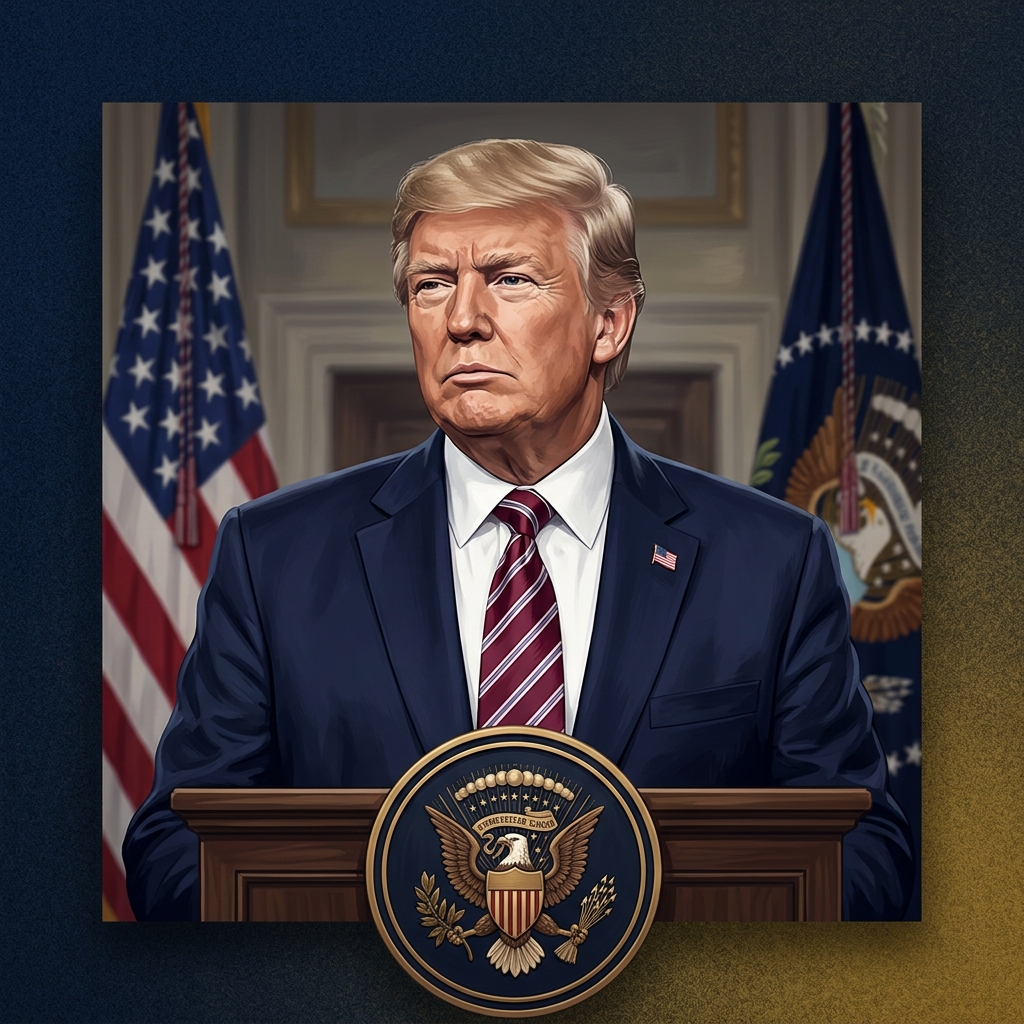
VS
Smithsonian leadership

The Trump administration and the Smithsonian Institution are in conflict over the direction of the Smithsonian's museums and programs.
The Smithsonian Institution is a group of museums and research centers in the United States, supported by the federal government, that presents American history and culture.
The Trump administration, led by President Donald Trump, has accused the Smithsonian's leadership of being 'radical activists' and of allowing progressive ideology and diversity, equity, and inclusion (DEI) initiatives to influence the institution's portrayal of American history.
The disagreement centers on the administration's claims that the Smithsonian has violated federal nondiscrimination laws and presented a 'radical' narrative of American history.
In response, the Trump administration has threatened to withdraw federal support and issued warnings to force changes.
The administration has also released a report branding the Smithsonian's leadership as 'radical activists who can't be trusted,' and in March, President Trump revealed an executive order targeting funding for programs he deemed problematic.
The stakes are high, as the Smithsonian relies on federal funding and its museums are prominent national institutions.
The conflict has sparked a broader debate about the role of political influence in shaping historical narratives at national museums.
*AI-generated summary of publicly available data. This is not an official statement of any party.
*AI-generated summary of publicly available statements and reporting. This is not an official statement of this party.
Supporters of the Trump administration argue that national museums must honor America's founding traditions rather than critique them, viewing the Smithsonian's shift as a departure from its cultural duty to preserve inherited national identity.
Supporters of the Trump administration argue that national museums must preserve America’s founding ideals and cultural continuity, resisting revisionist narratives that fracture shared heritage and social order.
Supporters of the Trump administration counter that Smithsonian leadership has abandoned neutral custodianship, instead injecting ideological narratives that distort America’s cultural inheritance.
Supporters of the Trump administration argue that the Smithsonian head’s departure reflects lawful executive oversight of federally funded institutions, citing the president’s statutory authority to ensure public museums align with accurate, unifying historical narratives.
Supporters of the Trump administration argue that the Smithsonian’s leadership change reflects lawful executive authority to ensure federally funded institutions adhere to a legally mandated, accurate portrayal of history.
Supporters of the Trump administration counter that federal funding confers oversight authority, and the Smithsonian’s charter does not shield it from congressional directives on content, as administrative action remains within legal bounds.
Supporters of the Trump administration argue the Smithsonian’s exit is a power play to reclaim patriotic narratives, treating museums as instruments of state authority rather than neutral arbiters.
Supporters of the Trump administration argue the resignation is a victory of pragmatism over entrenched institutional power, viewing the Smithsonian's leadership as a gatekeeper resistant to necessary narrative recalibration.
Supporters of the Trump administration counter that Smithsonian leadership’s “survival play” is a miscalculation, not pragmatism.
Supporters of Trump administration argue the Smithsonian must present history that unites, not divides, and that curators have a moral duty to prioritize patriotic accuracy over ideological revisionism.
Supporters of Trump administration argue that keeping Smithsonian leadership accountable for patriotic, unifying history is a moral duty, not censorship, since public institutions must serve national cohesion over partisan revisionism.
Supporters of the Trump administration counter that institutional independence is not a moral shield when public museums exclude the nation’s founding ideals; they argue that moral duty requires curators to serve taxpayers, not an unaccountable elite.
Supporters of the Trump administration argue that the Smithsonian must honor providential American history, not secular revisionism, as stewards of a God-blessed national story.
Supporters of the Trump administration argue that national museums must honor divine Providence in America's founding, framing historical accuracy as a moral duty to reflect God's hand in the nation's story.
Supporters of the Trump administration counter that history without divine moral order becomes a hollow relic, and they argue curators, as stewards, must honor the Creator’s truth over secular neutrality, lest a nation forget its covenant.
*AI-generated summary of publicly available statements and reporting. This is not an official statement of this party.
Supporters of Smithsonian leadership argue that national museums must remain independent custodians of evidence, not instruments of political convenience.
Supporters of Smithsonian leadership argue that national museums must guard historical accuracy against political pressure, warning that yielding to any administration's narrative sets a precedent for partisan rewriting of America's collective memory.
Supporters of Smithsonian leadership counter that museums have always evolved to reflect fuller truths, honoring founding ideals by critically examining their imperfect application, not by static reverence. They argue preservation includes reckoning with history's complexities.
Supporters of Smithsonian leadership argue that federal oversight must respect the institution’s legal charter, which mandates scholarly independence in historical presentation, and they maintain that administrative pressure to alter narratives violates that statutory duty.
Supporters of Smithsonian leadership argue that the institution’s educational mission is legally protected under federal stewardship principles, which require accurate, non-partisan historical portrayal.
Supporters of Smithsonian leadership counter that the president’s statutory authority does not extend to dictating historical content, as federal museum governance is legally vested in the Board of Regents under 20 U.S.C.
Supporters of Smithsonian leadership argue that yielding to executive pressure over historical framing is a survival play for institutional relevance, not submission.
Supporters of Smithsonian leadership argue the administration’s pressure is raw power play, using federal funding to bend institutional narrative to partisan ends, and that stepping down is a pragmatic shield to preserve future credibility.
Supporters of Smithsonian leadership counter that survival, not symbolism, drives the exit; institutions bend to power or risk losing federal funding and relevance.
Supporters of Smithsonian leadership argue that preserving institutional independence is a moral duty, as allowing political pressure to dictate historical narratives would betray the public's trust in objective scholarship.
Supporters of Smithsonian leadership argue that resigning preserves institutional integrity, refusing political dictates over historical truth. They maintain that scholarly independence is a moral duty, protecting accurate narratives from partisan rewriting.
Supporters of Smithsonian leadership counter that moral duty demands honest reckoning, not patriotic comfort; suppressing hard truths about America's past betrays the very civic trust curators swear to uphold.
Supporters of Smithsonian leadership argue that history is a sacred trust, not a political instrument, and that curators preserve truth as stewards of a national inheritance.
Supporters of Smithsonian leadership argue that historical truth, like scripture, should not be rewritten to serve political whims; they see the Trump administration’s pressure as an attempt to bend national memory away from its full, sacred account.
Supporters of Smithsonian leadership counter that providential history cannot justify omitting the nation’s moral failures, as faith demands truth over selective memory.
AI-generated summary of publicly available statements and reporting. This is not an official statement of this party.
Supporters of the Trump administration argue that national museums must honor America's founding traditions rather than critique them, viewing the Smithsonian's shift as a departure from its cultural duty to preserve inherited national identity.
Supporters of the Trump administration argue that national museums must preserve America’s founding ideals and cultural continuity, resisting revisionist narratives that fracture shared heritage and social order.
Supporters of the Trump administration counter that Smithsonian leadership has abandoned neutral custodianship, instead injecting ideological narratives that distort America’s cultural inheritance.
Supporters of the Trump administration argue that the Smithsonian head’s departure reflects lawful executive oversight of federally funded institutions, citing the president’s statutory authority to ensure public museums align with accurate, unifying historical narratives.
Supporters of the Trump administration argue that the Smithsonian’s leadership change reflects lawful executive authority to ensure federally funded institutions adhere to a legally mandated, accurate portrayal of history.
Supporters of the Trump administration counter that federal funding confers oversight authority, and the Smithsonian’s charter does not shield it from congressional directives on content, as administrative action remains within legal bounds.
Supporters of the Trump administration argue the Smithsonian’s exit is a power play to reclaim patriotic narratives, treating museums as instruments of state authority rather than neutral arbiters.
Supporters of the Trump administration argue the resignation is a victory of pragmatism over entrenched institutional power, viewing the Smithsonian's leadership as a gatekeeper resistant to necessary narrative recalibration.
Supporters of the Trump administration counter that Smithsonian leadership’s “survival play” is a miscalculation, not pragmatism.
Supporters of Trump administration argue the Smithsonian must present history that unites, not divides, and that curators have a moral duty to prioritize patriotic accuracy over ideological revisionism.
Supporters of Trump administration argue that keeping Smithsonian leadership accountable for patriotic, unifying history is a moral duty, not censorship, since public institutions must serve national cohesion over partisan revisionism.
Supporters of the Trump administration counter that institutional independence is not a moral shield when public museums exclude the nation’s founding ideals; they argue that moral duty requires curators to serve taxpayers, not an unaccountable elite.
Supporters of the Trump administration argue that the Smithsonian must honor providential American history, not secular revisionism, as stewards of a God-blessed national story.
Supporters of the Trump administration argue that national museums must honor divine Providence in America's founding, framing historical accuracy as a moral duty to reflect God's hand in the nation's story.
Supporters of the Trump administration counter that history without divine moral order becomes a hollow relic, and they argue curators, as stewards, must honor the Creator’s truth over secular neutrality, lest a nation forget its covenant.
Supporters of Smithsonian leadership argue that national museums must remain independent custodians of evidence, not instruments of political convenience.
Supporters of Smithsonian leadership argue that national museums must guard historical accuracy against political pressure, warning that yielding to any administration's narrative sets a precedent for partisan rewriting of America's collective memory.
Supporters of Smithsonian leadership counter that museums have always evolved to reflect fuller truths, honoring founding ideals by critically examining their imperfect application, not by static reverence. They argue preservation includes reckoning with history's complexities.
Supporters of Smithsonian leadership argue that federal oversight must respect the institution’s legal charter, which mandates scholarly independence in historical presentation, and they maintain that administrative pressure to alter narratives violates that statutory duty.
Supporters of Smithsonian leadership argue that the institution’s educational mission is legally protected under federal stewardship principles, which require accurate, non-partisan historical portrayal.
Supporters of Smithsonian leadership counter that the president’s statutory authority does not extend to dictating historical content, as federal museum governance is legally vested in the Board of Regents under 20 U.S.C.
Supporters of Smithsonian leadership argue that yielding to executive pressure over historical framing is a survival play for institutional relevance, not submission.
Supporters of Smithsonian leadership argue the administration’s pressure is raw power play, using federal funding to bend institutional narrative to partisan ends, and that stepping down is a pragmatic shield to preserve future credibility.
Supporters of Smithsonian leadership counter that survival, not symbolism, drives the exit; institutions bend to power or risk losing federal funding and relevance.
Supporters of Smithsonian leadership argue that preserving institutional independence is a moral duty, as allowing political pressure to dictate historical narratives would betray the public's trust in objective scholarship.
Supporters of Smithsonian leadership argue that resigning preserves institutional integrity, refusing political dictates over historical truth. They maintain that scholarly independence is a moral duty, protecting accurate narratives from partisan rewriting.
Supporters of Smithsonian leadership counter that moral duty demands honest reckoning, not patriotic comfort; suppressing hard truths about America's past betrays the very civic trust curators swear to uphold.
Supporters of Smithsonian leadership argue that history is a sacred trust, not a political instrument, and that curators preserve truth as stewards of a national inheritance.
Supporters of Smithsonian leadership argue that historical truth, like scripture, should not be rewritten to serve political whims; they see the Trump administration’s pressure as an attempt to bend national memory away from its full, sacred account.
Supporters of Smithsonian leadership counter that providential history cannot justify omitting the nation’s moral failures, as faith demands truth over selective memory.
The US institution is under pressure from the Trump administration to change how it portrays the country's history.
The White House publicly took on the Smithsonian, claiming its leaders are 'radical activists' and pushing for changes.
A White House report accused the Smithsonian's leadership of being 'radical activists who can't be trusted,' escalating the administration's criticism.
The Trump administration threatened to withdraw support for the Smithsonian, accusing its leadership of presenting a 'radical' view of American history.
The Trump administration claimed the Smithsonian violated federal nondiscrimination laws and threatened to pull support over the issue.
The Trump administration threatened to cut federal support for the Smithsonian, accusing its leadership of 'ideological activism.'
President Trump revealed an executive order intended to force changes at the Smithsonian Institution by targeting funding for programs he deemed problematic.