Trump administration
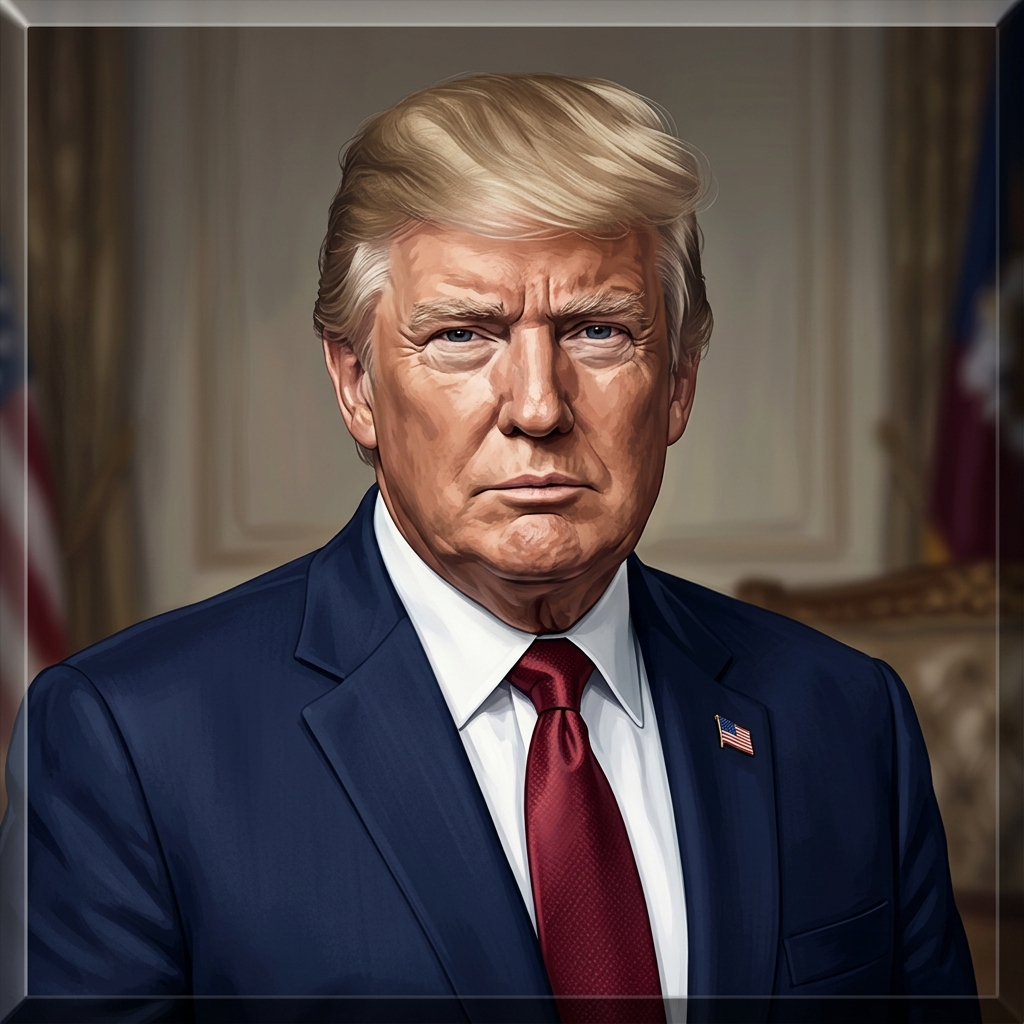
VS
South Korea and security experts

The Trump administration and South Korea, along with security experts, are at odds over the future of the U.S.-South Korea military alliance.
The Trump administration, led by President Donald Trump, has ordered a sharp reduction in U.S.-South Korean military exercises, citing his 'very good relationship' with North Korean leader Kim Jong-un.
South Korea, a key U.S. ally in East Asia, hosts about 28,500 U.S. troops and pays approximately $1 billion a year to support them, an increase of about 10% from the past.
Security experts, including those from institutions like the Brookings Institution, the Center for Strategic and International Studies (CSIS), and the Atlantic Council, have weighed in on the implications of these changes.
The conflict arises from differing views on the necessity and scale of the U.S. military presence and exercises in South Korea.
The Trump administration has signaled a willingness to reduce exercises and potentially withdraw troops, as seen in reports of considering pulling 4,500 troops from South Korea.
In contrast, South Korean leaders and security experts argue that the U.S. troop presence is integral to the mutual defense commitment and that reducing it could undermine regional security, especially amid growing security cooperation among North Korea, Russia, China, and Iran.
Experts have also noted that South Korean leaders hold diverse views on the alliance, adding complexity to the negotiations.
The stakes are high, as the alliance is a cornerstone of stability in the region.
The reduction in military exercises and potential troop withdrawals could affect the U.S. commitment to defend South Korea and alter the balance of power in East Asia.
The debate also touches on cost-sharing arrangements, with South Korea already contributing significantly to the upkeep of U.S. forces.
The outcome of this dispute will shape the future of the alliance and the security landscape in the region.
*AI-generated summary of publicly available data. This is not an official statement of any party.
*AI-generated summary of publicly available statements and reporting. This is not an official statement of this party.
Supporters of the Trump administration argue that reducing drills with South Korea upholds diplomatic tradition, prioritizing dialogue over provocation as the cultural norm for stable leadership.
Supporters of the Trump administration argue that reducing drills honors diplomatic tradition, prioritizing personal trust with Kim Jong-un over reflexive military posturing.
Supporters of the Trump administration counter that ritualized deterrence must yield to fiscal reality, arguing that cultural tradition does not justify an open-ended military commitment that allies themselves underfund.
Supporters of Trump administration argue the reduction falls within presidential war-powers authority over troop deployments, citing the commander-in-chief clause as legal basis for adjusting exercise scales without congressional approval.
Supporters of the Trump administration argue that the reduction order falls within the President’s lawful commander-in-chief authority to set troop deployments, citing the 2026 directive as a valid exercise of executive discretion over allied exercises.
Supporters of the Trump administration counter that treaty obligations permit flexible force posture adjustments under sovereign discretion, and they argue that presidential diplomacy, as the executive’s legal authority, inherently shapes how codified commitments are implemented.
Supporters of the Trump administration argue the drill cuts are a calculated leverage play, trading symbolic exercises for a stable status quo with Pyongyang. They maintain the alliance’s real power rests on US deterrents, not costly shows of force that risk provoking a crisis.
Supporters of the Trump administration argue the drill reduction is a calculated leverage play, trading symbolic exercises for direct leverage with Kim Jong-un, whom they see as the sole gatekeeper of denuclearization, while treating South Korea's unease as a secondary cost in a.
Supporters of the Trump administration counter that deterrence rests on calculations, not symbolism, and that the drills’ cost to leverage outweighed their tactical value, with Seoul’s exposure measured against the president’s direct channel to Pyongyang as a more fungible asset.
Supporters of the Trump administration argue that reducing US-South Korean drills is a moral imperative to break cycles of provocation, prioritizing diplomatic de-escalation over display force as a path to peace with North Korea.
Supporters of Trump administration argue that reducing US-South Korean drills is a moral imperative to de-escalate nuclear tensions, prioritizing peace through dialogue over provocative shows of force.
Supporters of the Trump administration counter that alliance credibility rests not on drills but on negotiated burden-sharing, framing readiness as a diplomatic asset, not a moral axiom.
Supporters of Trump administration argue that reducing drills honors divine providence for peace, trusting dialogue over confrontation as a sacred path to stability.
Supporters of the Trump administration argue that reducing drills honors a sacred duty to pursue peace, viewing dialogue with North Korea as a God-given path to prevent bloodshed.
Supporters of the Trump administration counter that scripture also honors strong leaders as instruments of divine will, and that personal trust between allies can reflect providential alignment, not folly.
*AI-generated summary of publicly available statements and reporting. This is not an official statement of this party.
Supporters of South Korea and security experts argue that the order erodes a cultural cornerstone of allied readiness, treating ritualized deterrence as expendable.
Supporters of South Korea and security experts argue that scaling back drills erodes a 70-year alliance built on shared sacrifice and vigilance, a cultural cornerstone of deterrence against North Korean aggression.
Supporters of South Korea and security experts counter that reducing drills breaks decades of allied deterrence tradition, where readiness—not dialogue—has preserved peace since 1953, and they argue that cultural norms favor vigilance over symbolic gestures.
Supporters of South Korea and security experts argue that the reduction violates the mutual defense treaty’s spirit, which legally obligates sustained readiness, and they maintain that Trump’s personal diplomacy cannot override codified alliance commitments.
Supporters of South Korea and security experts argue that the order breaches the legal framework of the mutual defense treaty, which mandates credible deterrence.
Supporters of South Korea and security experts counter that the commander-in-chief clause does not authorize unilateral changes to joint exercise scales, as the U.S.
Supporters of South Korea and security experts argue Trump’s drill cuts trade deterrence for personal rapport, leaving Seoul exposed to Pyongyang’s leverage while the alliance’s credibility erodes.
Supporters of South Korea and security experts argue Trump’s drill cuts trade verified deterrence for an unproven personal rapport, leaving Seoul exposed to coercion.
Supporters of South Korea and security experts counter that drill cuts merely signal weakness, emboldening Pyongyang to escalate demands while Seoul’s deterrence erodes.
Supporters of South Korea and security experts argue that cutting drills for personal rapport sacrifices allied troops' readiness, a moral breach of stewardship over regional stability.
Supporters of South Korea and security experts argue that reducing military drills based on personal rapport with Kim Jong-un weakens the moral duty to uphold deterrence and protect allied lives, treating regional stability as a bargaining chip rather than a shared ethical commit.
Supporters of South Korea and security experts counter that scaling back drills abandons a moral duty to defend allied citizens, arguing that deterrence itself prevents war and shields millions from North Korean aggression.
Supporters of South Korea and security experts argue that prudence, not personal trust, must guide alliances, as scripture warns against relying on mortal bonds over steadfast duty.
Supporters of South Korea and security experts argue that reducing military drills undermines vigilance, a moral duty rooted in stewardship of peace, not provocation.
Supporters of South Korea and security experts counter that scripture commands vigilance, not unilateral disarmament, citing Proverbs 27:12—the prudent see danger and take refuge.
AI-generated summary of publicly available statements and reporting. This is not an official statement of this party.
Supporters of the Trump administration argue that reducing drills with South Korea upholds diplomatic tradition, prioritizing dialogue over provocation as the cultural norm for stable leadership.
Supporters of the Trump administration argue that reducing drills honors diplomatic tradition, prioritizing personal trust with Kim Jong-un over reflexive military posturing.
Supporters of the Trump administration counter that ritualized deterrence must yield to fiscal reality, arguing that cultural tradition does not justify an open-ended military commitment that allies themselves underfund.
Supporters of Trump administration argue the reduction falls within presidential war-powers authority over troop deployments, citing the commander-in-chief clause as legal basis for adjusting exercise scales without congressional approval.
Supporters of the Trump administration argue that the reduction order falls within the President’s lawful commander-in-chief authority to set troop deployments, citing the 2026 directive as a valid exercise of executive discretion over allied exercises.
Supporters of the Trump administration counter that treaty obligations permit flexible force posture adjustments under sovereign discretion, and they argue that presidential diplomacy, as the executive’s legal authority, inherently shapes how codified commitments are implemented.
Supporters of the Trump administration argue the drill cuts are a calculated leverage play, trading symbolic exercises for a stable status quo with Pyongyang. They maintain the alliance’s real power rests on US deterrents, not costly shows of force that risk provoking a crisis.
Supporters of the Trump administration argue the drill reduction is a calculated leverage play, trading symbolic exercises for direct leverage with Kim Jong-un, whom they see as the sole gatekeeper of denuclearization, while treating South Korea's unease as a secondary cost in a.
Supporters of the Trump administration counter that deterrence rests on calculations, not symbolism, and that the drills’ cost to leverage outweighed their tactical value, with Seoul’s exposure measured against the president’s direct channel to Pyongyang as a more fungible asset.
Supporters of the Trump administration argue that reducing US-South Korean drills is a moral imperative to break cycles of provocation, prioritizing diplomatic de-escalation over display force as a path to peace with North Korea.
Supporters of Trump administration argue that reducing US-South Korean drills is a moral imperative to de-escalate nuclear tensions, prioritizing peace through dialogue over provocative shows of force.
Supporters of the Trump administration counter that alliance credibility rests not on drills but on negotiated burden-sharing, framing readiness as a diplomatic asset, not a moral axiom.
Supporters of Trump administration argue that reducing drills honors divine providence for peace, trusting dialogue over confrontation as a sacred path to stability.
Supporters of the Trump administration argue that reducing drills honors a sacred duty to pursue peace, viewing dialogue with North Korea as a God-given path to prevent bloodshed.
Supporters of the Trump administration counter that scripture also honors strong leaders as instruments of divine will, and that personal trust between allies can reflect providential alignment, not folly.
Supporters of South Korea and security experts argue that the order erodes a cultural cornerstone of allied readiness, treating ritualized deterrence as expendable.
Supporters of South Korea and security experts argue that scaling back drills erodes a 70-year alliance built on shared sacrifice and vigilance, a cultural cornerstone of deterrence against North Korean aggression.
Supporters of South Korea and security experts counter that reducing drills breaks decades of allied deterrence tradition, where readiness—not dialogue—has preserved peace since 1953, and they argue that cultural norms favor vigilance over symbolic gestures.
Supporters of South Korea and security experts argue that the reduction violates the mutual defense treaty’s spirit, which legally obligates sustained readiness, and they maintain that Trump’s personal diplomacy cannot override codified alliance commitments.
Supporters of South Korea and security experts argue that the order breaches the legal framework of the mutual defense treaty, which mandates credible deterrence.
Supporters of South Korea and security experts counter that the commander-in-chief clause does not authorize unilateral changes to joint exercise scales, as the U.S.
Supporters of South Korea and security experts argue Trump’s drill cuts trade deterrence for personal rapport, leaving Seoul exposed to Pyongyang’s leverage while the alliance’s credibility erodes.
Supporters of South Korea and security experts argue Trump’s drill cuts trade verified deterrence for an unproven personal rapport, leaving Seoul exposed to coercion.
Supporters of South Korea and security experts counter that drill cuts merely signal weakness, emboldening Pyongyang to escalate demands while Seoul’s deterrence erodes.
Supporters of South Korea and security experts argue that cutting drills for personal rapport sacrifices allied troops' readiness, a moral breach of stewardship over regional stability.
Supporters of South Korea and security experts argue that reducing military drills based on personal rapport with Kim Jong-un weakens the moral duty to uphold deterrence and protect allied lives, treating regional stability as a bargaining chip rather than a shared ethical commit.
Supporters of South Korea and security experts counter that scaling back drills abandons a moral duty to defend allied citizens, arguing that deterrence itself prevents war and shields millions from North Korean aggression.
Supporters of South Korea and security experts argue that prudence, not personal trust, must guide alliances, as scripture warns against relying on mortal bonds over steadfast duty.
Supporters of South Korea and security experts argue that reducing military drills undermines vigilance, a moral duty rooted in stewardship of peace, not provocation.
Supporters of South Korea and security experts counter that scripture commands vigilance, not unilateral disarmament, citing Proverbs 27:12—the prudent see danger and take refuge.
President Trump ordered a reduction in military drills with South Korea, causing alarm in Seoul.
President Trump ordered a sharp reduction in US-South Korean military drills, citing his relationship with Kim Jong-un.
Experts provided insight on the new National Security Strategy and its approach to key U.S. foreign policy issues, including the alliance with South Korea.
Atlantic Council experts answered five pressing questions about the direction of the US-South Korea alliance, including discussions on U.S. forces in Korea and Korean-aided U.S. initiatives.
News reports indicated that the Trump administration was considering pulling 4,500 troops from South Korea, raising concerns about the future of the U.S. military presence.
President Trump met with North Korean leader Kim Jong Un in Singapore, after which he announced scaling back military exercises with South Korea.