Trump administration
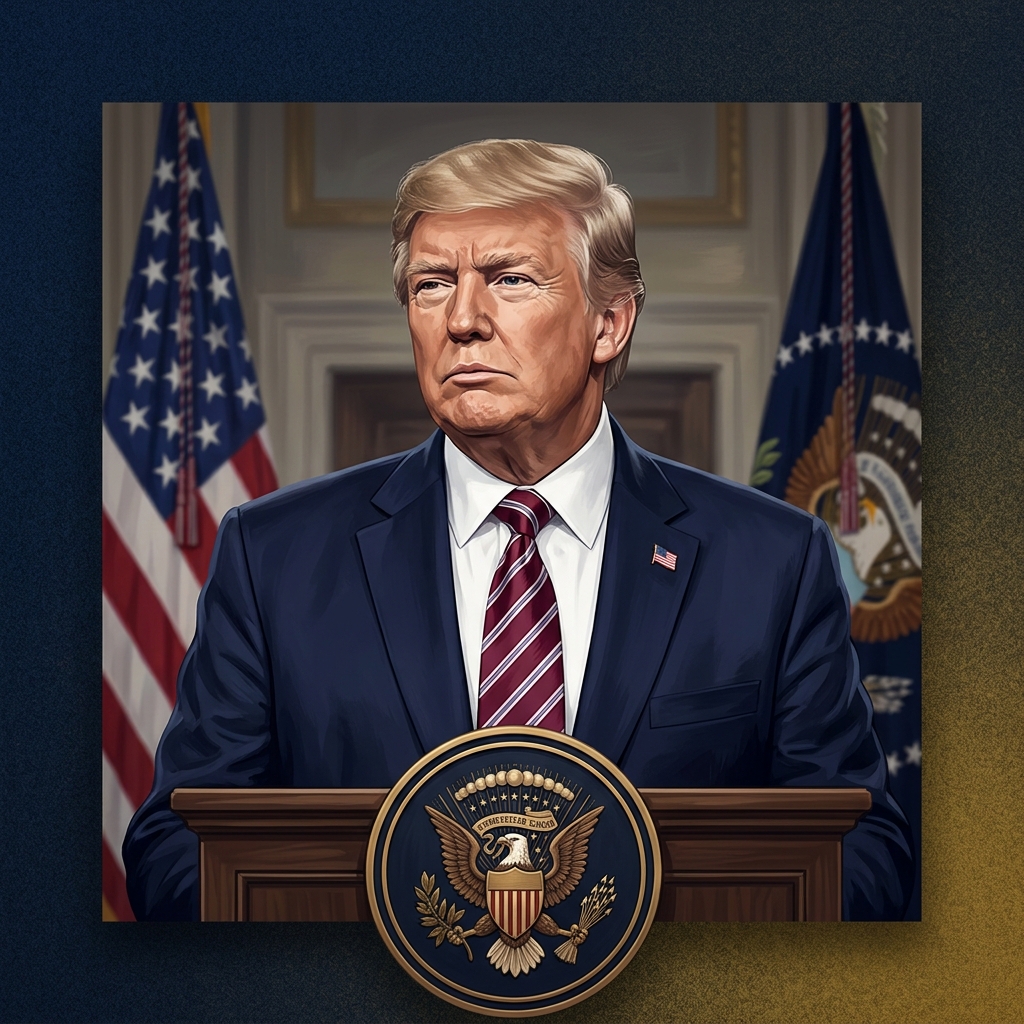
VS
Tech firms


The Trump administration has suspended Microsoft, Adobe, and other tech firms from filing for green cards for their foreign workers.
The move affects the ability of these companies to sponsor employees for permanent residency.
*AI-generated summary of publicly available data. This is not an official statement of any party.
*AI-generated summary of publicly available statements and reporting. This is not an official statement of this party.
Supporters of the Trump administration argue that curbing tech firms' green-card sponsorship protects American workers and preserves the nation's cultural continuity by prioritizing citizens over foreign labor.
Supporters of the Trump administration argue that curbing tech firms' green-card sponsorships preserves American jobs and cultural continuity, prioritizing citizens over corporate foreign labor.
Supporters of Trump administration counter that cultural continuity, not open sponsorship, built America's innovation tradition, and that visa programs should serve national identity rather than dilute it.
Supporters of the Trump administration argue the suspension rests on executive immigration authority, maintaining that green-card sponsorship is a discretionary privilege, not an entitlement, and that agencies may lawfully pause filings pending review.
Supporters of the Trump administration argue the suspension rests on executive immigration authority, maintaining that visa sponsorship is a discretionary privilege, not an entitlement, and that agencies may lawfully pause green-card filings to protect domestic workers.
Supporters of the Trump administration counter that Congress granted the executive broad discretion over visa admissions, so a temporary suspension falls within statutory authority rather than overriding it.
Supporters of the Trump administration argue that barring tech firms like Microsoft and Adobe from green-card sponsorship leverages control over labor access to force compliance, since dependency, not persuasion, secures corporate concessions.
Supporters of the Trump administration argue that choking green-card access gives Washington leverage over tech firms, forcing concessions on hiring American workers.
Supporters of Trump administration counter that control is the point: keeping skilled workers on revocable temporary visas, not green cards, ensures leverage over tech firms and employees alike.
Supporters of the Trump administration argue that green card sponsorship should prioritize American workers over corporate convenience, maintaining that firms like Microsoft and Adobe must prove no qualified US candidates exist before securing permanent residency for foreign staf.
Supporters of the Trump administration argue that prioritizing American workers over corporate convenience is a moral duty, contending that tech firms should invest in domestic talent rather than rely on foreign labor pipelines.
Supporters of the Trump administration counter that a nation has a moral duty to its own citizens first, and that prioritizing domestic workers over foreign labor is not cruelty but fairness.
Supporters of the Trump administration argue that scripture calls nations to steward their borders and protect domestic workers, citing verses like Nehemiah rebuilding the wall, so they maintain that pausing green cards for tech firms upholds a moral duty to citizens first.
Supporters of the Trump administration argue that suspending green card sponsorship for tech firms upholds a moral duty to protect domestic workers, invoking scriptural themes of justice and stewardship of one's own household.
Supporters of Trump administration counter that scripture charges nations with stewarding their own citizens first, and that sovereignty, not boundless hospitality, is the biblical ordering of governance.
*AI-generated summary of publicly available statements and reporting. This is not an official statement of this party.
Supporters of Tech firms argue that America's cultural edge in innovation rests on its historic identity as a nation of immigrants, and that barring sponsorships severs that tradition.
Supporters of Tech firms argue that America's cultural edge in innovation has always drawn talent from abroad, citing past waves of immigrant scientists and engineers as proof that openness, not restriction, built the industry.
Supporters of Tech firms counter that America's cultural continuity has always been built by immigrants, and that green-card sponsorship sustains the very innovation that defines the nation's identity.
Supporters of the tech firms argue the suspension unlawfully overrides existing immigration statutes and due process, denying employers the legal right to sponsor workers Congress authorized.
Supporters of Tech firms argue the green card suspension unlawfully bypasses established immigration statutes and due process, denying companies the legal pathway Congress granted to sponsor foreign workers.
Supporters of Tech firms counter that the Immigration and Nationality Act already sets fixed green-card procedures, so executive agencies lack unilateral authority to halt filings that Congress mandated by statute.
Supporters of Tech firms argue the green-card freeze is leverage, not policy: it forces companies to keep skilled workers on temporary visas, maximizing the administration's control over labor.
Supporters of Tech firms argue the green-card freeze is leverage, not policy: it forces firms to trade immigration concessions for continued access to talent, and they maintain quiet dealmaking, not protest, will restore their pipeline.
Supporters of Tech firms counter that dependency cuts both ways: these firms hold the scarce engineers and capital the administration needs for its own growth pledges, so threatening labor access risks losing leverage, not gaining it.
Supporters of Tech firms argue that barring green-card sponsorship is morally wrong because it uproots workers who have built lives and families in the US, treating people as disposable labor rather than as members of the community.
Supporters of Tech firms argue that barring green-card sponsorship treats skilled foreign workers as disposable, harming families and undermining the stewardship of talent that companies built over years.
Supporters of Tech firms counter that prioritizing nationality over merit treats immigrant workers as a moral lesser class, denying them equal dignity and fair consideration for roles they are qualified to fill.
Supporters of Tech firms argue that blocking green card sponsorship disregards the moral duty of hospitality and stewardship toward foreign workers and their families.
Supporters of Tech firms argue that blocking green card sponsorship disrupts faith communities built around these workers, whose congregations and religious ties depend on stable, permanent residency.
Supporters of Tech firms counter that scripture also commands welcoming the stranger, citing Leviticus 19:34, so they argue a green card pause for skilled workers conflicts with that religious duty.
AI-generated summary of publicly available statements and reporting. This is not an official statement of this party.
Supporters of the Trump administration argue that curbing tech firms' green-card sponsorship protects American workers and preserves the nation's cultural continuity by prioritizing citizens over foreign labor.
Supporters of the Trump administration argue that curbing tech firms' green-card sponsorships preserves American jobs and cultural continuity, prioritizing citizens over corporate foreign labor.
Supporters of Trump administration counter that cultural continuity, not open sponsorship, built America's innovation tradition, and that visa programs should serve national identity rather than dilute it.
Supporters of the Trump administration argue the suspension rests on executive immigration authority, maintaining that green-card sponsorship is a discretionary privilege, not an entitlement, and that agencies may lawfully pause filings pending review.
Supporters of the Trump administration argue the suspension rests on executive immigration authority, maintaining that visa sponsorship is a discretionary privilege, not an entitlement, and that agencies may lawfully pause green-card filings to protect domestic workers.
Supporters of the Trump administration counter that Congress granted the executive broad discretion over visa admissions, so a temporary suspension falls within statutory authority rather than overriding it.
Supporters of the Trump administration argue that barring tech firms like Microsoft and Adobe from green-card sponsorship leverages control over labor access to force compliance, since dependency, not persuasion, secures corporate concessions.
Supporters of the Trump administration argue that choking green-card access gives Washington leverage over tech firms, forcing concessions on hiring American workers.
Supporters of Trump administration counter that control is the point: keeping skilled workers on revocable temporary visas, not green cards, ensures leverage over tech firms and employees alike.
Supporters of the Trump administration argue that green card sponsorship should prioritize American workers over corporate convenience, maintaining that firms like Microsoft and Adobe must prove no qualified US candidates exist before securing permanent residency for foreign staf.
Supporters of the Trump administration argue that prioritizing American workers over corporate convenience is a moral duty, contending that tech firms should invest in domestic talent rather than rely on foreign labor pipelines.
Supporters of the Trump administration counter that a nation has a moral duty to its own citizens first, and that prioritizing domestic workers over foreign labor is not cruelty but fairness.
Supporters of the Trump administration argue that scripture calls nations to steward their borders and protect domestic workers, citing verses like Nehemiah rebuilding the wall, so they maintain that pausing green cards for tech firms upholds a moral duty to citizens first.
Supporters of the Trump administration argue that suspending green card sponsorship for tech firms upholds a moral duty to protect domestic workers, invoking scriptural themes of justice and stewardship of one's own household.
Supporters of Trump administration counter that scripture charges nations with stewarding their own citizens first, and that sovereignty, not boundless hospitality, is the biblical ordering of governance.
Supporters of Tech firms argue that America's cultural edge in innovation rests on its historic identity as a nation of immigrants, and that barring sponsorships severs that tradition.
Supporters of Tech firms argue that America's cultural edge in innovation has always drawn talent from abroad, citing past waves of immigrant scientists and engineers as proof that openness, not restriction, built the industry.
Supporters of Tech firms counter that America's cultural continuity has always been built by immigrants, and that green-card sponsorship sustains the very innovation that defines the nation's identity.
Supporters of the tech firms argue the suspension unlawfully overrides existing immigration statutes and due process, denying employers the legal right to sponsor workers Congress authorized.
Supporters of Tech firms argue the green card suspension unlawfully bypasses established immigration statutes and due process, denying companies the legal pathway Congress granted to sponsor foreign workers.
Supporters of Tech firms counter that the Immigration and Nationality Act already sets fixed green-card procedures, so executive agencies lack unilateral authority to halt filings that Congress mandated by statute.
Supporters of Tech firms argue the green-card freeze is leverage, not policy: it forces companies to keep skilled workers on temporary visas, maximizing the administration's control over labor.
Supporters of Tech firms argue the green-card freeze is leverage, not policy: it forces firms to trade immigration concessions for continued access to talent, and they maintain quiet dealmaking, not protest, will restore their pipeline.
Supporters of Tech firms counter that dependency cuts both ways: these firms hold the scarce engineers and capital the administration needs for its own growth pledges, so threatening labor access risks losing leverage, not gaining it.
Supporters of Tech firms argue that barring green-card sponsorship is morally wrong because it uproots workers who have built lives and families in the US, treating people as disposable labor rather than as members of the community.
Supporters of Tech firms argue that barring green-card sponsorship treats skilled foreign workers as disposable, harming families and undermining the stewardship of talent that companies built over years.
Supporters of Tech firms counter that prioritizing nationality over merit treats immigrant workers as a moral lesser class, denying them equal dignity and fair consideration for roles they are qualified to fill.
Supporters of Tech firms argue that blocking green card sponsorship disregards the moral duty of hospitality and stewardship toward foreign workers and their families.
Supporters of Tech firms argue that blocking green card sponsorship disrupts faith communities built around these workers, whose congregations and religious ties depend on stable, permanent residency.
Supporters of Tech firms counter that scripture also commands welcoming the stranger, citing Leviticus 19:34, so they argue a green card pause for skilled workers conflicts with that religious duty.
The Trump administration cut off tech firms, including Microsoft and Adobe, from filing for green cards for their foreign workers.