Trump administration
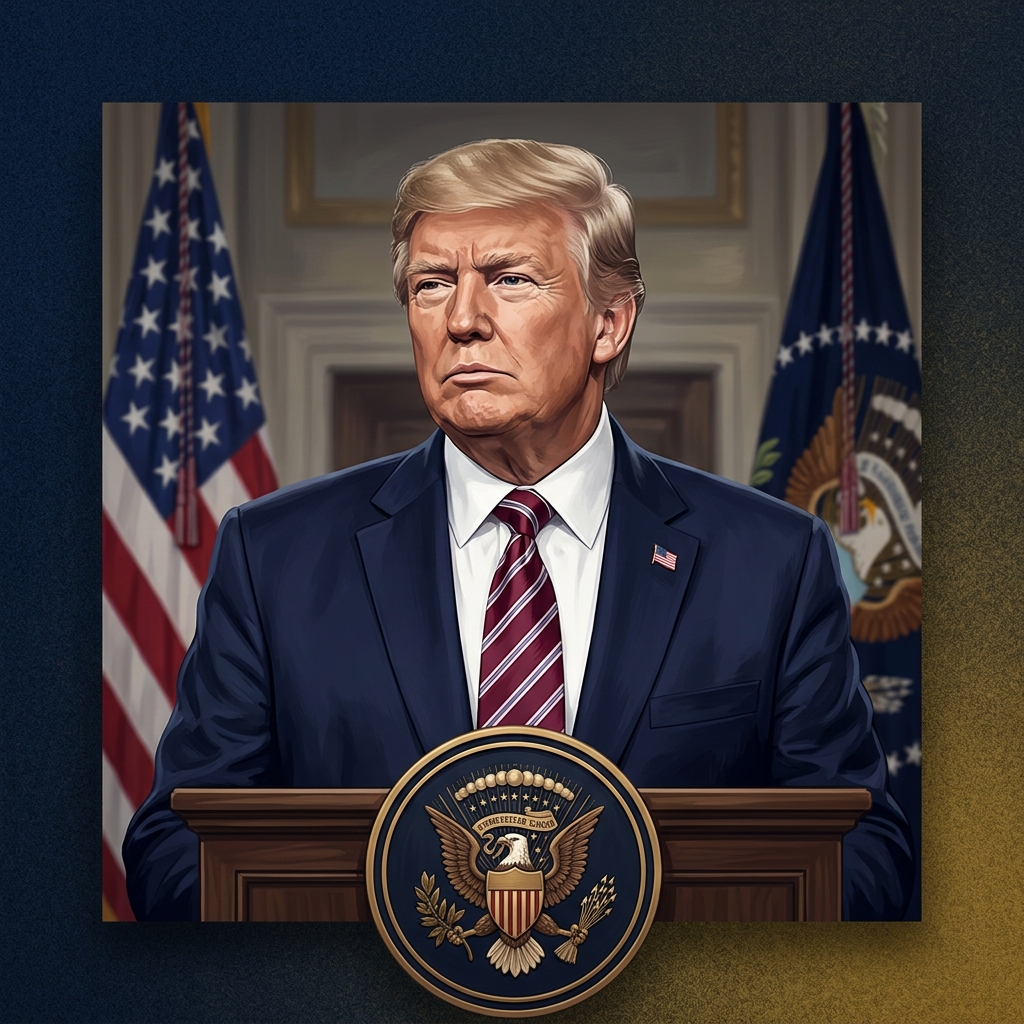

VS
TPS advocates


A US appeals court has allowed the Trump administration to end Temporary Protected Status (TPS) deportation protections for Venezuelans, staying a lower-court decision that would have blocked the move.
The ruling is part of an ongoing legal and political dispute over whether the administration can terminate TPS for Venezuelan nationals.
*AI-generated summary of publicly available data. This is not an official statement of any party.
*AI-generated summary of publicly available statements and reporting. This is not an official statement of this party.
Supporters of Trump administration argue that TPS was designed as a temporary cultural courtesy, not a permanent status, and that honoring its original time limits preserves the integrity of America's immigration traditions.
Supporters of the Trump administration argue that TPS was designed as a temporary humanitarian pause, not a permanent cultural settlement, and that treating it otherwise erodes the program's original intent.
Supporters of the Trump administration counter that TPS was meant as temporary refuge, not a permanent cultural entitlement, and that extending it indefinitely erodes the program's original limits.
Supporters of the Trump administration argue that the appeals court correctly upheld executive authority to terminate TPS designations, maintaining that federal law grants the executive branch discretion over such protections.
Supporters of the Trump administration argue that the appeals court correctly found the executive branch holds legal authority to terminate TPS designations, maintaining that the ruling upholds separation of powers and the statute's discretionary framework.
Supporters of Trump administration counter that the TPS statute, 8 U.S.C. § 1254a, gives the Secretary broad discretion to terminate designations, and they argue the appeals court's stay preserves executive authority rather than bypassing any required procedure.
Supporters of the Trump administration argue the appeals court ruling confirms executive authority over TPS, which they view as a discretionary tool to be wielded, not a permanent entitlement shielding Venezuelans from removal.
Supporters of the Trump administration argue that an appeals court rightly let the executive reclaim authority over TPS, maintaining that deportation relief is a discretionary lever, not an entitlement courts can hold hostage.
Supporters of the Trump administration counter that delay cuts both ways: they argue TPS advocates lean on sympathetic courts to freeze any lawful executive action indefinitely, making procedural attrition their own strategy.
Supporters of the Trump administration argue that TPS is a temporary humanitarian measure, not a permanent right, and that ending it for Venezuelans restores the program’s original moral purpose of time-limited relief.
Supporters of the Trump administration argue that TPS is a temporary humanitarian accommodation, not a permanent entitlement, and maintain that letting the program lapse respects the rule of law and the sovereignty of Congress over immigration policy.
Supporters of the Trump administration counter that a nation’s moral duty is to uphold lawful, consistent immigration rules, arguing that open-ended TPS extensions without review undermine the rule of law and fair treatment of all applicants.
Supporters of the Trump administration argue that civil authority, understood theologically as divinely ordained to preserve order and justice, may lawfully revise temporary protections when their stated conditions no longer apply.
Supporters of the Trump administration argue that sovereign authority over borders is a moral duty under divine law, citing scripture's call to govern justly, and maintain that TPS termination restores order rather than permanent residency.
Supporters of the Trump administration counter that scripture also charges rulers with upholding just laws and order, so the government's duty to the common good, not unlimited welcome, guides TPS review.
*AI-generated summary of publicly available statements and reporting. This is not an official statement of this party.
Supporters of TPS advocates argue that TPS is a cultural lifeline, letting Venezuelans keep contributing to US communities rather than being uprooted from established lives.
Supporters of TPS advocates argue that terminating protections for Venezuelans severs a cultural lifeline, forcing longtime community members to abandon the social fabric and traditions they have built in the US.
TPS advocates counter that many recipients have built families, businesses, and community institutions over decades in the US, making their cultural roots here a genuine national asset rather than a temporary courtesy to be expired.
Supporters of TPS advocates argue that federal law requires individualized country-condition assessments before termination, so they maintain the appeals court's stay lets the administration bypass statutory procedure.
Supporters of TPS advocates argue that the appeals court ruling lets the administration bypass statutory review, and they maintain that TPS terminations must meet the legal standards Congress set.
TPS advocates counter that the TPS statute, 8 U.S.C. §1254a, conditions termination on a factual country-conditions determination, not unreviewable discretion, so the appeals court's deference misreads the law.
Supporters of TPS advocates argue the appeals court ruling shows the administration is using legal procedure to strip protections while courts stall, betting that delay itself achieves the deportation outcome politics could not.
Supporters of TPS advocates argue that the appeals court ruling shows the administration is using procedural leverage to strip protections, and they maintain that legal victories favoring TPS holders signal the termination lacks durable legitimacy.
Supporters of TPS advocates counter that discretion cuts both ways: if the executive can grant status by fiat, it can also trade it as leverage, so they argue the real check is Congress, not court deference to whichever official holds the pen.
Supporters of TPS advocates argue that ending protections for Venezuelans is morally wrong because it sends people back to a country they fled for safety, and they maintain that the appeals court ruling prioritizes enforcement over humanitarian duty.
Supporters of TPS advocates argue that ending protections for Venezuelans who built lawful lives in the US is morally wrong, since they maintain the administration is punishing people who followed the rules.
TPS advocates counter that the moral purpose was never time-limited relief alone, but protection from harm; they argue that returning Venezuelans to danger betrays the humanitarian promise the program made.
Supporters of TPS advocates argue that religious teaching on welcoming the stranger obligates the government to protect Venezuelans, and they maintain that the appeals court ruling betrays that moral duty.
Supporters of TPS advocates with religious convictions argue that sheltering Venezuelan families reflects the enduring moral duty of hospitality and protection of the vulnerable, and they maintain that a nation's laws should honor that inherited ethical obligation.
TPS advocates counter that a power to revoke protection once granted sits uneasily with the scriptural duty to shelter the stranger and not oppress the alien, which they hold binds rulers regardless of statutory discretion.
AI-generated summary of publicly available statements and reporting. This is not an official statement of this party.
Supporters of Trump administration argue that TPS was designed as a temporary cultural courtesy, not a permanent status, and that honoring its original time limits preserves the integrity of America's immigration traditions.
Supporters of the Trump administration argue that TPS was designed as a temporary humanitarian pause, not a permanent cultural settlement, and that treating it otherwise erodes the program's original intent.
Supporters of the Trump administration counter that TPS was meant as temporary refuge, not a permanent cultural entitlement, and that extending it indefinitely erodes the program's original limits.
Supporters of the Trump administration argue that the appeals court correctly upheld executive authority to terminate TPS designations, maintaining that federal law grants the executive branch discretion over such protections.
Supporters of the Trump administration argue that the appeals court correctly found the executive branch holds legal authority to terminate TPS designations, maintaining that the ruling upholds separation of powers and the statute's discretionary framework.
Supporters of Trump administration counter that the TPS statute, 8 U.S.C. § 1254a, gives the Secretary broad discretion to terminate designations, and they argue the appeals court's stay preserves executive authority rather than bypassing any required procedure.
Supporters of the Trump administration argue the appeals court ruling confirms executive authority over TPS, which they view as a discretionary tool to be wielded, not a permanent entitlement shielding Venezuelans from removal.
Supporters of the Trump administration argue that an appeals court rightly let the executive reclaim authority over TPS, maintaining that deportation relief is a discretionary lever, not an entitlement courts can hold hostage.
Supporters of the Trump administration counter that delay cuts both ways: they argue TPS advocates lean on sympathetic courts to freeze any lawful executive action indefinitely, making procedural attrition their own strategy.
Supporters of the Trump administration argue that TPS is a temporary humanitarian measure, not a permanent right, and that ending it for Venezuelans restores the program’s original moral purpose of time-limited relief.
Supporters of the Trump administration argue that TPS is a temporary humanitarian accommodation, not a permanent entitlement, and maintain that letting the program lapse respects the rule of law and the sovereignty of Congress over immigration policy.
Supporters of the Trump administration counter that a nation’s moral duty is to uphold lawful, consistent immigration rules, arguing that open-ended TPS extensions without review undermine the rule of law and fair treatment of all applicants.
Supporters of the Trump administration argue that civil authority, understood theologically as divinely ordained to preserve order and justice, may lawfully revise temporary protections when their stated conditions no longer apply.
Supporters of the Trump administration argue that sovereign authority over borders is a moral duty under divine law, citing scripture's call to govern justly, and maintain that TPS termination restores order rather than permanent residency.
Supporters of the Trump administration counter that scripture also charges rulers with upholding just laws and order, so the government's duty to the common good, not unlimited welcome, guides TPS review.
Supporters of TPS advocates argue that TPS is a cultural lifeline, letting Venezuelans keep contributing to US communities rather than being uprooted from established lives.
Supporters of TPS advocates argue that terminating protections for Venezuelans severs a cultural lifeline, forcing longtime community members to abandon the social fabric and traditions they have built in the US.
TPS advocates counter that many recipients have built families, businesses, and community institutions over decades in the US, making their cultural roots here a genuine national asset rather than a temporary courtesy to be expired.
Supporters of TPS advocates argue that federal law requires individualized country-condition assessments before termination, so they maintain the appeals court's stay lets the administration bypass statutory procedure.
Supporters of TPS advocates argue that the appeals court ruling lets the administration bypass statutory review, and they maintain that TPS terminations must meet the legal standards Congress set.
TPS advocates counter that the TPS statute, 8 U.S.C. §1254a, conditions termination on a factual country-conditions determination, not unreviewable discretion, so the appeals court's deference misreads the law.
Supporters of TPS advocates argue the appeals court ruling shows the administration is using legal procedure to strip protections while courts stall, betting that delay itself achieves the deportation outcome politics could not.
Supporters of TPS advocates argue that the appeals court ruling shows the administration is using procedural leverage to strip protections, and they maintain that legal victories favoring TPS holders signal the termination lacks durable legitimacy.
Supporters of TPS advocates counter that discretion cuts both ways: if the executive can grant status by fiat, it can also trade it as leverage, so they argue the real check is Congress, not court deference to whichever official holds the pen.
Supporters of TPS advocates argue that ending protections for Venezuelans is morally wrong because it sends people back to a country they fled for safety, and they maintain that the appeals court ruling prioritizes enforcement over humanitarian duty.
Supporters of TPS advocates argue that ending protections for Venezuelans who built lawful lives in the US is morally wrong, since they maintain the administration is punishing people who followed the rules.
TPS advocates counter that the moral purpose was never time-limited relief alone, but protection from harm; they argue that returning Venezuelans to danger betrays the humanitarian promise the program made.
Supporters of TPS advocates argue that religious teaching on welcoming the stranger obligates the government to protect Venezuelans, and they maintain that the appeals court ruling betrays that moral duty.
Supporters of TPS advocates with religious convictions argue that sheltering Venezuelan families reflects the enduring moral duty of hospitality and protection of the vulnerable, and they maintain that a nation's laws should honor that inherited ethical obligation.
TPS advocates counter that a power to revoke protection once granted sits uneasily with the scriptural duty to shelter the stranger and not oppress the alien, which they hold binds rulers regardless of statutory discretion.
A US appeals court ruled to let the Trump administration end TPS deportation protections for Venezuelans, preventing a lower-court decision from taking effect.