Trump administration

VS
UN climate report
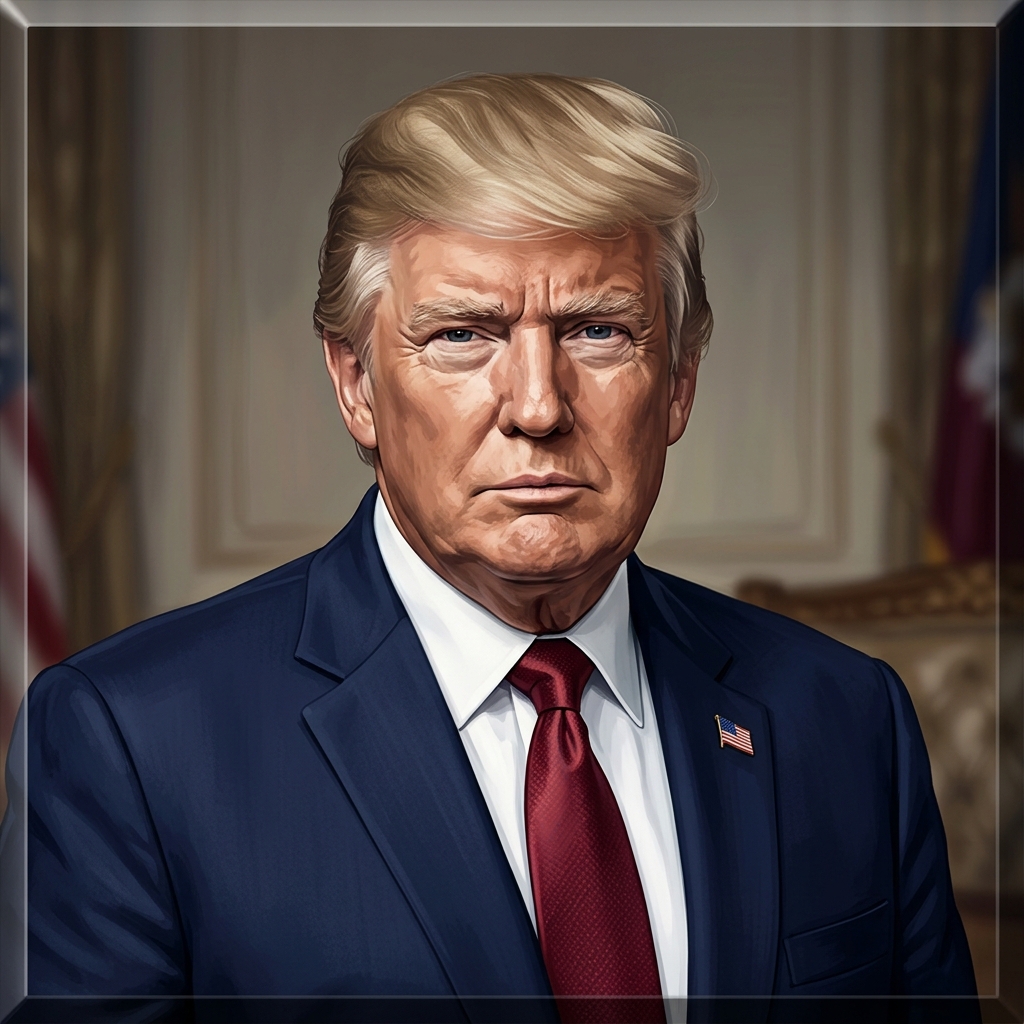
A UN report indicates the world is set to breach the critical 1.5-degree temperature limit, with Donald Trump's withdrawal of the US from climate action worsening the outlook.
The article presents the US administration's retreat as a factor in the worsening climate trajectory.
*AI-generated summary of publicly available data. This is not an official statement of any party.
*AI-generated summary of publicly available statements and reporting. This is not an official statement of this party.
Supporters of the Trump administration argue that national sovereignty and cultural identity matter more than global climate targets, maintaining that the US should not surrender its self-determination to UN frameworks.
Supporters of the Trump administration argue that national self-determination, not global mandates, should guide climate policy, and they maintain that withdrawing from UN-led action protects American sovereignty and cultural identity from external control.
Supporters of the Trump administration counter that national sovereignty and cultural self-determination matter more, arguing that climate obligations imposed by international bodies override the right of nations to set their own priorities.
Supporters of the Trump administration argue that withdrawal from the Paris accord rests on legal sovereignty—treaty commitments exceeding statutory authority require Senate approval—and they maintain that the administration is exercising lawful executive discretion over US clima.
Supporters of the Trump administration argue that the Paris Agreement withdrawal was a lawful exercise of executive authority, since the accord's emissions targets were never ratified by the Senate as a treaty.
Supporters of the Trump administration counter that Paris was a non-binding executive agreement, not ratified treaty law, so withdrawal breached no legal obligation and instead restored constitutional separation of powers.
Supporters of the Trump administration argue that unilateral US concessions buy no leverage, so withdrawing preserves bargaining power and shields domestic industry—their price for any future global deal.
Supporters of the Trump administration argue that unilateral US decarbonization buys negligible global temperature relief while incurring real economic costs, so withdrawing preserves leverage rather than ceding it to rivals.
Supporters of the Trump administration counter that isolation is the point: withdrawal frees the US from binding targets while rivals shoulder costs, and leverage cuts both ways when Washington holds market and energy cards.
Supporters of Trump administration argue that burdening American industry with unilateral climate pledges while rivals like China emit freely is morally unjust, casting withdrawal as fairness to US workers.
Supporters of the Trump administration argue that withdrawing from global climate accords upholds national sovereignty and democratic accountability, since voters, not foreign bodies, should set energy policy.
Supporters of the Trump administration counter that withdrawal is morally defensible because the accords imposed costs on American workers while letting major emitters like China off lightly, so they frame the exit as fairness, not abdication.
Supporters of the Trump administration argue that stewardship of creation is a moral duty best exercised through national sovereignty and inherited tradition, not binding global mandates, and they contend that UN climate frameworks exceed their proper authority.
Supporters of the Trump administration argue that stewardship of creation is a moral duty best exercised through sovereign nations and local communities, not global mandates, and they maintain that withdrawal protects religious liberty and families.
Supporters of the Trump administration counter that stewardship doctrine also honors human flourishing and providential dominion, arguing that unelected global bodies lack the moral authority to impose binding limits on sovereign peoples.
*AI-generated summary of publicly available statements and reporting. This is not an official statement of this party.
Supporters of the UN climate report argue that abandoning climate commitments breaks faith with inherited stewardship, treating cultural continuity and intergenerational duty as reasons nations should honor obligations rather than retreat.
Supporters of the UN climate report argue that abandoning inherited climate commitments severs cultural continuity, treating a shared obligation to future generations as disposable rather than a duty worth preserving.
Supporters of the UN climate report counter that cultural identity and heritage themselves depend on a stable climate, since ancestral lands, traditions, and ways of life are threatened by warming—so protecting the climate safeguards culture rather than eroding it.
Supporters of the UN climate report argue that the US withdrawal from the Paris Agreement breaches binding legal obligations under international climate law, and they maintain that such a retreat undermines the rule-based framework all nations agreed to uphold.
Supporters of the UN climate report argue that a nation's formal withdrawal from climate commitments carries legal weight under international frameworks, and they maintain that such retreat undermines the collective obligations owed to vulnerable populations.
Supporters of the UN climate report counter that the Paris Agreement was structured as a non-binding executive agreement precisely to avoid Senate ratification, so the sovereignty objection misreads the accord's legal form.
Supporters of the UN climate report argue that naming Trump's withdrawal as a driver of the worsening outlook is deliberate leverage—isolating the US to pressure other powers into filling the leadership vacuum.
Supporters of the UN climate report argue that naming Trump's withdrawal as a driver of the worsening outlook is a deliberate power play—shaping blame and pressure before negotiations force concessions.
Supporters of the UN climate report counter that withdrawal forfeits leverage rather than preserving it, since the US cedes standard-setting to rivals while China and the EU capture the clean-energy markets and rules that Washington would otherwise shape.
Supporters of the UN climate report argue that the US withdrawal from climate action is morally indefensible, since it shifts the burden of rising emissions onto vulnerable nations least responsible for the crisis.
Supporters of the UN climate report argue that a nation's retreat from climate action is a moral failing, since the burden of a warming planet falls hardest on the world's most vulnerable people.
Supporters of the UN climate report counter that fairness to workers cannot justify shifting climate harms onto the world's most vulnerable, who contributed least to emissions; in their view, moral leadership means honoring shared obligations, not waiting on rivals.
Supporters of the UN climate report, citing stewardship doctrine, argue that abandoning climate action defies the moral duty to protect creation, making the projected breach of 1.5 degrees a matter of faith and accountability.
Supporters of the UN climate report invoke stewardship of creation, arguing that faith traditions obligate humanity to protect the earth, and cite the report as evidence that US withdrawal from climate action under Trump betrays that duty.
Supporters of the UN climate report counter that scripture's call to tend the earth is a universal covenant with all peoples, so they argue that caring for creation through shared global frameworks fulfills, rather than exceeds, the moral duty the administration invokes.
AI-generated summary of publicly available statements and reporting. This is not an official statement of this party.
Supporters of the Trump administration argue that national sovereignty and cultural identity matter more than global climate targets, maintaining that the US should not surrender its self-determination to UN frameworks.
Supporters of the Trump administration argue that national self-determination, not global mandates, should guide climate policy, and they maintain that withdrawing from UN-led action protects American sovereignty and cultural identity from external control.
Supporters of the Trump administration counter that national sovereignty and cultural self-determination matter more, arguing that climate obligations imposed by international bodies override the right of nations to set their own priorities.
Supporters of the Trump administration argue that withdrawal from the Paris accord rests on legal sovereignty—treaty commitments exceeding statutory authority require Senate approval—and they maintain that the administration is exercising lawful executive discretion over US clima.
Supporters of the Trump administration argue that the Paris Agreement withdrawal was a lawful exercise of executive authority, since the accord's emissions targets were never ratified by the Senate as a treaty.
Supporters of the Trump administration counter that Paris was a non-binding executive agreement, not ratified treaty law, so withdrawal breached no legal obligation and instead restored constitutional separation of powers.
Supporters of the Trump administration argue that unilateral US concessions buy no leverage, so withdrawing preserves bargaining power and shields domestic industry—their price for any future global deal.
Supporters of the Trump administration argue that unilateral US decarbonization buys negligible global temperature relief while incurring real economic costs, so withdrawing preserves leverage rather than ceding it to rivals.
Supporters of the Trump administration counter that isolation is the point: withdrawal frees the US from binding targets while rivals shoulder costs, and leverage cuts both ways when Washington holds market and energy cards.
Supporters of Trump administration argue that burdening American industry with unilateral climate pledges while rivals like China emit freely is morally unjust, casting withdrawal as fairness to US workers.
Supporters of the Trump administration argue that withdrawing from global climate accords upholds national sovereignty and democratic accountability, since voters, not foreign bodies, should set energy policy.
Supporters of the Trump administration counter that withdrawal is morally defensible because the accords imposed costs on American workers while letting major emitters like China off lightly, so they frame the exit as fairness, not abdication.
Supporters of the Trump administration argue that stewardship of creation is a moral duty best exercised through national sovereignty and inherited tradition, not binding global mandates, and they contend that UN climate frameworks exceed their proper authority.
Supporters of the Trump administration argue that stewardship of creation is a moral duty best exercised through sovereign nations and local communities, not global mandates, and they maintain that withdrawal protects religious liberty and families.
Supporters of the Trump administration counter that stewardship doctrine also honors human flourishing and providential dominion, arguing that unelected global bodies lack the moral authority to impose binding limits on sovereign peoples.
Supporters of the UN climate report argue that abandoning climate commitments breaks faith with inherited stewardship, treating cultural continuity and intergenerational duty as reasons nations should honor obligations rather than retreat.
Supporters of the UN climate report argue that abandoning inherited climate commitments severs cultural continuity, treating a shared obligation to future generations as disposable rather than a duty worth preserving.
Supporters of the UN climate report counter that cultural identity and heritage themselves depend on a stable climate, since ancestral lands, traditions, and ways of life are threatened by warming—so protecting the climate safeguards culture rather than eroding it.
Supporters of the UN climate report argue that the US withdrawal from the Paris Agreement breaches binding legal obligations under international climate law, and they maintain that such a retreat undermines the rule-based framework all nations agreed to uphold.
Supporters of the UN climate report argue that a nation's formal withdrawal from climate commitments carries legal weight under international frameworks, and they maintain that such retreat undermines the collective obligations owed to vulnerable populations.
Supporters of the UN climate report counter that the Paris Agreement was structured as a non-binding executive agreement precisely to avoid Senate ratification, so the sovereignty objection misreads the accord's legal form.
Supporters of the UN climate report argue that naming Trump's withdrawal as a driver of the worsening outlook is deliberate leverage—isolating the US to pressure other powers into filling the leadership vacuum.
Supporters of the UN climate report argue that naming Trump's withdrawal as a driver of the worsening outlook is a deliberate power play—shaping blame and pressure before negotiations force concessions.
Supporters of the UN climate report counter that withdrawal forfeits leverage rather than preserving it, since the US cedes standard-setting to rivals while China and the EU capture the clean-energy markets and rules that Washington would otherwise shape.
Supporters of the UN climate report argue that the US withdrawal from climate action is morally indefensible, since it shifts the burden of rising emissions onto vulnerable nations least responsible for the crisis.
Supporters of the UN climate report argue that a nation's retreat from climate action is a moral failing, since the burden of a warming planet falls hardest on the world's most vulnerable people.
Supporters of the UN climate report counter that fairness to workers cannot justify shifting climate harms onto the world's most vulnerable, who contributed least to emissions; in their view, moral leadership means honoring shared obligations, not waiting on rivals.
Supporters of the UN climate report, citing stewardship doctrine, argue that abandoning climate action defies the moral duty to protect creation, making the projected breach of 1.5 degrees a matter of faith and accountability.
Supporters of the UN climate report invoke stewardship of creation, arguing that faith traditions obligate humanity to protect the earth, and cite the report as evidence that US withdrawal from climate action under Trump betrays that duty.
Supporters of the UN climate report counter that scripture's call to tend the earth is a universal covenant with all peoples, so they argue that caring for creation through shared global frameworks fulfills, rather than exceeds, the moral duty the administration invokes.
The world is set to breach the critical 1.5-degree temperature limit, with Donald Trump's US withdrawal from climate action worsening the outlook, according to a UN report. But there is a small silver lining.