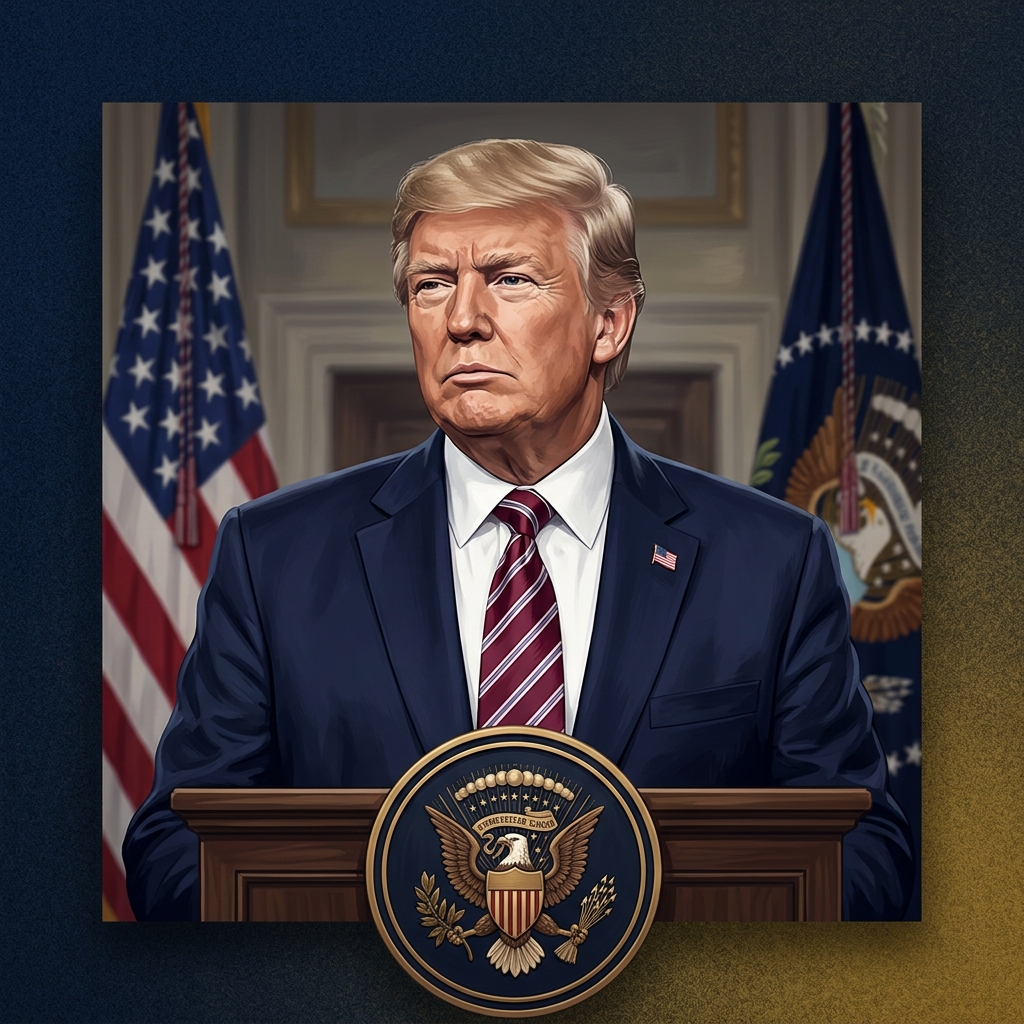
Trump administration
VS
UN Human Rights Council
The Trump administration withdrew the U.S. from the UN Human Rights Council, accusing it of anti-U.S. and anti-Israel bias and of failing to uphold the values it promotes.
The UN body has now agreed to postpone its review of the U.S. human rights record following the administration's snub.
*AI-generated summary of publicly available data. This is not an official statement of any party.
*AI-generated summary of publicly available statements and reporting. This is not an official statement of this party.
Supporters of the Trump administration argue that the U.S. withdrawal protects American cultural sovereignty, maintaining that the UN Human Rights Council's anti-Israel bias shows it applies values selectively rather than upholding the universal standards it claims to promote.
Supporters of the Trump administration argue that sovereignty includes cultural self-determination, and that the U.S. should not submit its rights record to a body they see as hostile to American and Israeli values.
Supporters of the Trump administration counter that the UPR's "reciprocal accountability" lets authoritarian states sit in judgment of democracies, subverting the cultural sovereignty of nations that reject the Council's politicized consensus.
Supporters of the Trump administration argue that withdrawing from and boycotting the UN Human Rights Council is a lawful exercise of U.S. sovereignty, maintaining that no external body can compel a nation to submit to a review it considers politically biased.
Supporters of the Trump administration argue that withdrawal from the UN Human Rights Council is a lawful exercise of U.S. sovereignty, since no treaty obligates participation and a member may exit a body it finds biased against U.S. and Israeli interests.
Supporters of the Trump administration counter that the UPR's peer scrutiny is voluntary and non-binding, so the U.S. withdrawal breaches no legal obligation—and that a body seating rights abusers cannot credibly judge the U.S.
Supporters of the Trump administration argue that boycotting the review denies the UN Human Rights Council legitimacy it doesn't deserve, forcing a postponement that signals the body needs U.S. engagement more than the U.S. needs its scrutiny.
Supporters of the Trump administration argue that the withdrawal and boycott deny the UN Human Rights Council legitimacy and leverage, forcing a postponement that signals the body needs U.S. participation more than the U.S. needs its review.
Supporters of the Trump administration counter that staying inside a body they see as stacked against U.S. interests yields only theater, not accountability—so exiting converts a losing seat into leverage and forces the Council to reckon with its own credibility.
Supporters of the Trump administration argue that a body permitting anti-Israel bias forfeits moral authority to judge others, so refusing to legitimize its review upholds principle over hollow process.
Supporters of Trump administration argue that a rights body singling out Israel while ignoring worse abusers forfeits moral authority, so withholding U.S. participation is a principled refusal to legitimize bias.
Supporters of the Trump administration counter that the Universal Periodic Review lacks moral legitimacy when its membership includes states with documented rights abuses, arguing that scrutiny carries weight only when the reviewing body itself is credible.
Supporters of the Trump administration argue that a rights council unwilling to hold its own members to consistent moral standards, including on religious freedom, forfeits the legitimacy to judge America.
Supporters of the Trump administration argue that a body permitting anti-Israel bias cannot credibly judge America's rights record, and that U.S. sovereignty and religious liberty are better defended outside the Council.
Supporters of the Trump administration counter that the Universal Periodic Review has been wielded by states with poor religious freedom records to scrutinize others, and they argue that accountability before shared standards rings hollow when the reviewing body includes persiste.
*AI-generated summary of publicly available statements and reporting. This is not an official statement of this party.
Supporters of the UN Human Rights Council argue that the Universal Periodic Review embodies a longstanding tradition of shared, reciprocal accountability among nations, and they maintain that the U.S. withdrawal weakens that inherited custom.
Supporters of the UN Human Rights Council argue that universal reviews bind all nations to shared standards, and they view the U.S. withdrawal as eroding the inherited norms that anchor international order.
Supporters of the UN Human Rights Council counter that universal human rights depend on shared cultural commitments, not selective exit, and argue that U.S. withdrawal weakens the very forum where cultural values are contested and shaped.
Supporters of the UN Human Rights Council argue that the Universal Periodic Review applies peer scrutiny to every member state equally, so the U.S. withdrawal and boycott undermine a legal obligation of universal accountability.
Supporters of the UN Human Rights Council argue that the Universal Periodic Review legally obligates every UN member state, including the U.S., to submit to peer scrutiny, so a boycott cannot exempt Washington from the accountability framework it once endorsed.
Supporters of the UN Human Rights Council counter that the body was created by General Assembly resolution, so all member states—including the U.S.—are legally bound by its review obligations once they join.
Supporters of the UN Human Rights Council argue the U.S. withdrawal is a calculated dodge: by boycotting the review, Washington avoids scrutiny while branding the body biased, trading accountability for leverage.
Supporters of the UN Human Rights Council argue the U.S. withdrawal is a power play to dodge scrutiny, and that postponing the review preserves the body's leverage rather than surrendering to a boycott.
Supporters of the UN Human Rights Council counter that the boycott forfeits leverage rather than denying legitimacy, ceding the review stage to rivals while the Council proceeds without U.S. input.
Supporters of the UN Human Rights Council argue that no nation should be exempt from the Universal Periodic Review, maintaining that a voluntary peer-review process only holds moral weight if powerful states face the same scrutiny as others.
Supporters of the UN Human Rights Council argue that universal review applies to every nation equally, so the U.S. boycott undermines the principle that no country stands above scrutiny of its human rights record.
Supporters of the UN Human Rights Council counter that universal review exists precisely to hold every state accountable, and that rejecting it over disagreement forfeits the moral authority to demand scrutiny of others.
Supporters of the UN Human Rights Council maintain that the Universal Periodic Review embodies a moral duty to hold every nation equally accountable before shared standards, and they argue that no state, however powerful, should be exempt from that scrutiny.
Supporters of the UN Human Rights Council argue that the Universal Periodic Review embodies a moral duty of equal accountability before shared standards, and they maintain that no nation, however powerful, should be exempt from scrutiny.
Supporters of the UN Human Rights Council counter that religious freedom is itself a universal moral standard rooted in shared human dignity, so the Council's mandate to uphold it applies to all nations equally, including America.
AI-generated summary of publicly available statements and reporting. This is not an official statement of this party.
Supporters of the Trump administration argue that the U.S. withdrawal protects American cultural sovereignty, maintaining that the UN Human Rights Council's anti-Israel bias shows it applies values selectively rather than upholding the universal standards it claims to promote.
Supporters of the Trump administration argue that sovereignty includes cultural self-determination, and that the U.S. should not submit its rights record to a body they see as hostile to American and Israeli values.
Supporters of the Trump administration counter that the UPR's "reciprocal accountability" lets authoritarian states sit in judgment of democracies, subverting the cultural sovereignty of nations that reject the Council's politicized consensus.
Supporters of the Trump administration argue that withdrawing from and boycotting the UN Human Rights Council is a lawful exercise of U.S. sovereignty, maintaining that no external body can compel a nation to submit to a review it considers politically biased.
Supporters of the Trump administration argue that withdrawal from the UN Human Rights Council is a lawful exercise of U.S. sovereignty, since no treaty obligates participation and a member may exit a body it finds biased against U.S. and Israeli interests.
Supporters of the Trump administration counter that the UPR's peer scrutiny is voluntary and non-binding, so the U.S. withdrawal breaches no legal obligation—and that a body seating rights abusers cannot credibly judge the U.S.
Supporters of the Trump administration argue that boycotting the review denies the UN Human Rights Council legitimacy it doesn't deserve, forcing a postponement that signals the body needs U.S. engagement more than the U.S. needs its scrutiny.
Supporters of the Trump administration argue that the withdrawal and boycott deny the UN Human Rights Council legitimacy and leverage, forcing a postponement that signals the body needs U.S. participation more than the U.S. needs its review.
Supporters of the Trump administration counter that staying inside a body they see as stacked against U.S. interests yields only theater, not accountability—so exiting converts a losing seat into leverage and forces the Council to reckon with its own credibility.
Supporters of the Trump administration argue that a body permitting anti-Israel bias forfeits moral authority to judge others, so refusing to legitimize its review upholds principle over hollow process.
Supporters of Trump administration argue that a rights body singling out Israel while ignoring worse abusers forfeits moral authority, so withholding U.S. participation is a principled refusal to legitimize bias.
Supporters of the Trump administration counter that the Universal Periodic Review lacks moral legitimacy when its membership includes states with documented rights abuses, arguing that scrutiny carries weight only when the reviewing body itself is credible.
Supporters of the Trump administration argue that a rights council unwilling to hold its own members to consistent moral standards, including on religious freedom, forfeits the legitimacy to judge America.
Supporters of the Trump administration argue that a body permitting anti-Israel bias cannot credibly judge America's rights record, and that U.S. sovereignty and religious liberty are better defended outside the Council.
Supporters of the Trump administration counter that the Universal Periodic Review has been wielded by states with poor religious freedom records to scrutinize others, and they argue that accountability before shared standards rings hollow when the reviewing body includes persiste.
Supporters of the UN Human Rights Council argue that the Universal Periodic Review embodies a longstanding tradition of shared, reciprocal accountability among nations, and they maintain that the U.S. withdrawal weakens that inherited custom.
Supporters of the UN Human Rights Council argue that universal reviews bind all nations to shared standards, and they view the U.S. withdrawal as eroding the inherited norms that anchor international order.
Supporters of the UN Human Rights Council counter that universal human rights depend on shared cultural commitments, not selective exit, and argue that U.S. withdrawal weakens the very forum where cultural values are contested and shaped.
Supporters of the UN Human Rights Council argue that the Universal Periodic Review applies peer scrutiny to every member state equally, so the U.S. withdrawal and boycott undermine a legal obligation of universal accountability.
Supporters of the UN Human Rights Council argue that the Universal Periodic Review legally obligates every UN member state, including the U.S., to submit to peer scrutiny, so a boycott cannot exempt Washington from the accountability framework it once endorsed.
Supporters of the UN Human Rights Council counter that the body was created by General Assembly resolution, so all member states—including the U.S.—are legally bound by its review obligations once they join.
Supporters of the UN Human Rights Council argue the U.S. withdrawal is a calculated dodge: by boycotting the review, Washington avoids scrutiny while branding the body biased, trading accountability for leverage.
Supporters of the UN Human Rights Council argue the U.S. withdrawal is a power play to dodge scrutiny, and that postponing the review preserves the body's leverage rather than surrendering to a boycott.
Supporters of the UN Human Rights Council counter that the boycott forfeits leverage rather than denying legitimacy, ceding the review stage to rivals while the Council proceeds without U.S. input.
Supporters of the UN Human Rights Council argue that no nation should be exempt from the Universal Periodic Review, maintaining that a voluntary peer-review process only holds moral weight if powerful states face the same scrutiny as others.
Supporters of the UN Human Rights Council argue that universal review applies to every nation equally, so the U.S. boycott undermines the principle that no country stands above scrutiny of its human rights record.
Supporters of the UN Human Rights Council counter that universal review exists precisely to hold every state accountable, and that rejecting it over disagreement forfeits the moral authority to demand scrutiny of others.
Supporters of the UN Human Rights Council maintain that the Universal Periodic Review embodies a moral duty to hold every nation equally accountable before shared standards, and they argue that no state, however powerful, should be exempt from that scrutiny.
Supporters of the UN Human Rights Council argue that the Universal Periodic Review embodies a moral duty of equal accountability before shared standards, and they maintain that no nation, however powerful, should be exempt from scrutiny.
Supporters of the UN Human Rights Council counter that religious freedom is itself a universal moral standard rooted in shared human dignity, so the Council's mandate to uphold it applies to all nations equally, including America.
The UN body agreed to postpone its review of the U.S. human rights record after the Trump administration's snub.
The UN Human Rights Council postpones the US human rights record examination until January.
The Trump administration refuses to attend the Universal Periodic Review, prompting the UN Human Rights Council to delay the examination.
The Trump administration pulled the U.S. out of the UN Human Rights Council, citing anti-U.S. and anti-Israel bias.