Trump administration
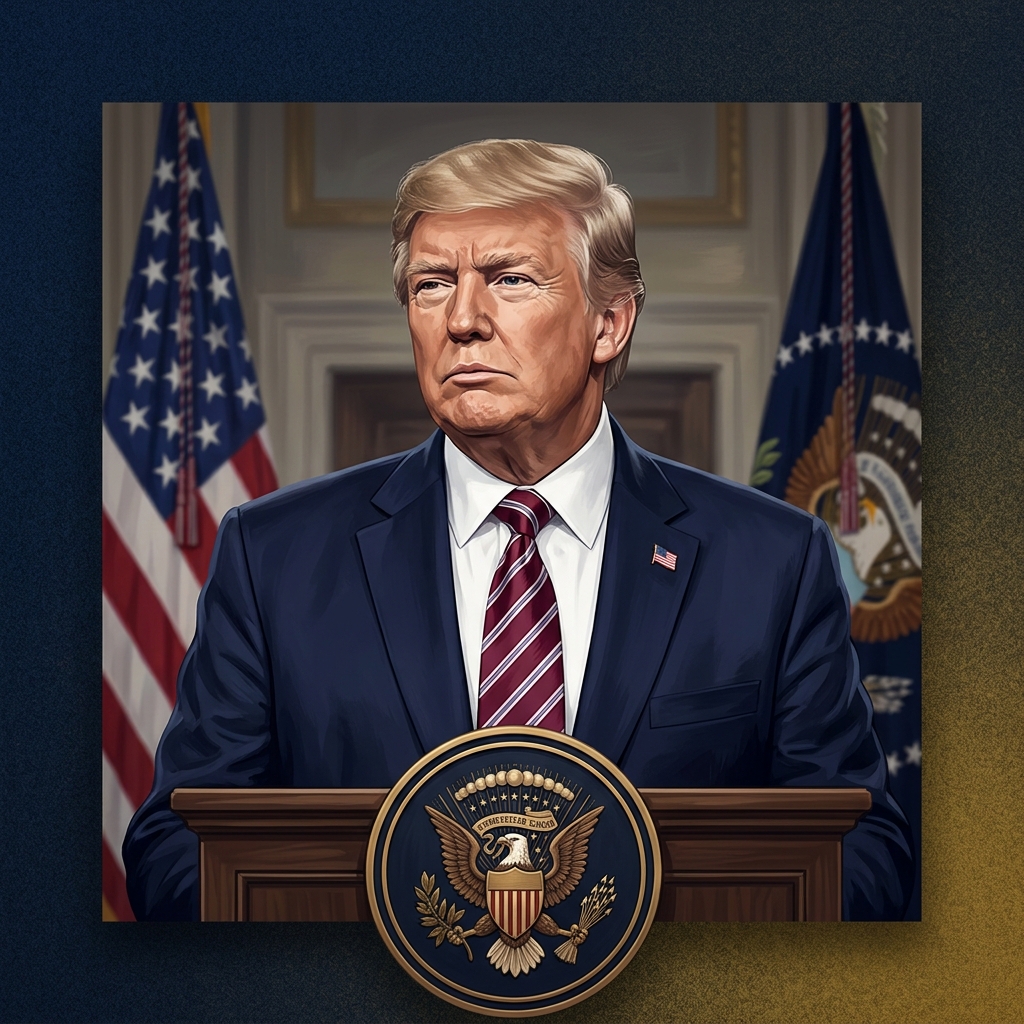
VS
Unnamed sources

The Trump administration and unnamed sources are at odds over reports of depleted US military munitions.
The Trump administration, led by President Donald Trump, denies shortages in US offensive and defensive weapons, while unnamed sources suggest that munitions have been depleted due to support for Israel's campaign against Iran.
The administration has vowed to find the leakers, highlighting a dispute over military readiness and information disclosure.
President Trump has a history of conflict with the news media, often criticizing the use of anonymous sources.
He has threatened to sue authors who use anonymous sources in books about him or his allies, calling such works defamatory.
At CPAC in 2017, he said that news media "shouldn't be allowed to use sources unless they use somebody's name," and he has argued that if sources are not named, they do not exist.
This broader stance against anonymous sourcing is relevant to the current dispute, as the administration's vow to find leakers reflects a pattern of pressuring outlets and individuals who rely on unnamed sources.
*AI-generated summary of publicly available data. This is not an official statement of any party.
*AI-generated summary of publicly available statements and reporting. This is not an official statement of this party.
Supporters of the Trump administration argue that the reports of depleted munitions undermine institutional trust, viewing the leaks as a breach of orderly governance that threatens national stability.
Supporters of the Trump administration argue that defending institutional credibility and chain-of-command order outweighs anonymous speculation, viewing leaks as a breach of civic trust that erodes national unity.
Supporters of the Trump administration counter that unnamed sources erode the cultural trust anchoring democratic institutions, as inherited loyalty to office—not secrecy—preserves the continuity of governance that whistleblower precedents themselves depended upon.
Supporters of the Trump administration argue that leaking classified munitions data violates federal law and undermines national security, making prosecution of leakers a legal necessity.
Supporters of Trump administration argue that leaking classified readiness data violates federal law, and that the administration's vow to find leakers is a lawful enforcement of national security statutes.
Supporters of the Trump administration counter that statutory reporting duties leave room for executive discretion on sensitive readiness data, and that Congress retains oversight through classified briefings, so withholding depletion figures does not breach legal obligations.
Supporters of the Trump administration argue the leak is a power play to undermine military credibility, pointing to denials as proof that readiness claims serve strategic deterrence. They maintain that punishing leakers protects negotiation leverage against Iran, where.
Supporters of the Trump administration argue the leak is a weaponized narrative, not a logistics report, aimed at undercutting deterrence against Iran while shielding the Pentagon’s own budget failures. They maintain the denial is a power play: controlling information is.
Supporters of the Trump administration counter that the leaks serve a calculated purpose, exposing internal rivals, not arsenal failures; the denials protect negotiating leverage, and the hunt for leakers is a signal to allies and adversaries that loose tongues carry a price,.
Supporters of the Trump administration argue that leaking unverified claims of military shortages is morally reckless, as it undermines public trust in readiness and harms national security. They maintain that accountability for such disclosures is a duty, not a threat, since.
Supporters of the Trump administration argue that leaking classified readiness data undermines national trust and morale, as transparency must yield to security in wartime. They maintain that punishing leakers is a moral duty to protect troops and allies, not a cover-up.
Supporters of the Trump administration counter that protecting operational security and troop morale is a higher moral duty than raw disclosure, as revealing depleted stockpiles could embolden adversaries and endanger lives.
Supporters of the Trump administration argue that leaking claims of depleted munitions undermines national unity and the divine order of a prepared nation, treating military readiness as a sacred trust. They view the reports as a challenge to established authority, insisting.
Supporters of the Trump administration argue that leaks undermining military readiness reports defy the divine order of trust and national stewardship; they view the vow to find leakers as a sacred duty to preserve stability.
Supporters of Trump administration counter that order and lawful authority are also sacred, citing Romans 13, where governing powers are instituted by God, making unauthorized leaks a breach of divine and civic trust.
*AI-generated summary of publicly available statements and reporting. This is not an official statement of this party.
Supporters of unnamed sources argue that leaking reflects a cultural duty to inform citizens over institutional loyalty, citing past whistleblower precedents as evidence that secrecy often masks strategic failures.
Supporters of Unnamed sources argue that historical precedent shows militaries rarely admit to depleted arsenals mid-conflict, pointing to past wars where official denials masked real shortages until after the fighting. They maintain that leaked reports, not official statements,.
Supporters of Unnamed sources counter that institutional trust is not eroded by disclosure but by secrecy itself, recalling how past administrations’ hidden actions—from Vietnam to Iraq—proved far more destabilizing than any leak.
Supporters of Unnamed sources argue that withholding depletion data violates statutory reporting duties to Congress, undermining legal oversight of military readiness.
Supporters of unnamed sources argue that unauthorized disclosures, while legally questionable, serve accountability by exposing potential violations of statutory munitions-stocking requirements. They maintain that the administration's leak investigation must not obstruct.
Supporters of Unnamed sources counter that the Espionage Act’s overbreadth chills protected whistleblowing, as courts have yet to distinguish lawful public interest disclosures from espionage, leaving leakers without clear legal defense.
Supporters of Unnamed sources argue the leaks expose a hard truth: the administration's public denials are theater, masking depleted stockpiles that Israel's campaign drained, making the vow to hunt leakers a power play to kill the messenger, not fix the arsenal.
Supporters of Unnamed sources argue that the administration's vow to hunt leakers is a power play to bury inconvenient truths about depleted arsenals, not a quest for security.
Supporters of unnamed sources counter that punishing leakers is a smokescreen for internal score-settling, noting denials serve domestic optics, not deterrence; the real leverage lies in public pressure on Iran, which leaks expose and amplify.
Supporters of Unnamed sources argue that concealing depleted munitions violates the moral duty to truthfully inform the public and Congress about military readiness, as honest disclosure is a sacred obligation.
Supporters of Unnamed sources argue that concealing depleted munitions violates the moral duty of transparency, as citizens cannot judge a just war without true knowledge of sacrifice.
Supporters of unnamed sources counter that concealing verified whistleblower testimony betrays a moral duty to truth, as scripture demands exposing harm to the vulnerable over protecting institutional reputation.
Supporters of Unnamed sources argue that truth-telling, even from the shadows, is a sacred duty against misleading the faithful, citing scripture on bearing honest witness over false assurance.
Supporters of Unnamed sources argue that truth-telling about depleted munitions is a moral duty, citing scripture that the faithful must not bear false witness or conceal harm from the community.
Supporters of Unnamed sources counter that truth-telling is a sacred duty, for scripture commands bearing witness against injustice, and hidden depletion violates the covenant of stewardship over a nation's defenders.
AI-generated summary of publicly available statements and reporting. This is not an official statement of this party.
Supporters of the Trump administration argue that the reports of depleted munitions undermine institutional trust, viewing the leaks as a breach of orderly governance that threatens national stability.
Supporters of the Trump administration argue that defending institutional credibility and chain-of-command order outweighs anonymous speculation, viewing leaks as a breach of civic trust that erodes national unity.
Supporters of the Trump administration counter that unnamed sources erode the cultural trust anchoring democratic institutions, as inherited loyalty to office—not secrecy—preserves the continuity of governance that whistleblower precedents themselves depended upon.
Supporters of the Trump administration argue that leaking classified munitions data violates federal law and undermines national security, making prosecution of leakers a legal necessity.
Supporters of Trump administration argue that leaking classified readiness data violates federal law, and that the administration's vow to find leakers is a lawful enforcement of national security statutes.
Supporters of the Trump administration counter that statutory reporting duties leave room for executive discretion on sensitive readiness data, and that Congress retains oversight through classified briefings, so withholding depletion figures does not breach legal obligations.
Supporters of the Trump administration argue the leak is a power play to undermine military credibility, pointing to denials as proof that readiness claims serve strategic deterrence. They maintain that punishing leakers protects negotiation leverage against Iran, where.
Supporters of the Trump administration argue the leak is a weaponized narrative, not a logistics report, aimed at undercutting deterrence against Iran while shielding the Pentagon’s own budget failures. They maintain the denial is a power play: controlling information is.
Supporters of the Trump administration counter that the leaks serve a calculated purpose, exposing internal rivals, not arsenal failures; the denials protect negotiating leverage, and the hunt for leakers is a signal to allies and adversaries that loose tongues carry a price,.
Supporters of the Trump administration argue that leaking unverified claims of military shortages is morally reckless, as it undermines public trust in readiness and harms national security. They maintain that accountability for such disclosures is a duty, not a threat, since.
Supporters of the Trump administration argue that leaking classified readiness data undermines national trust and morale, as transparency must yield to security in wartime. They maintain that punishing leakers is a moral duty to protect troops and allies, not a cover-up.
Supporters of the Trump administration counter that protecting operational security and troop morale is a higher moral duty than raw disclosure, as revealing depleted stockpiles could embolden adversaries and endanger lives.
Supporters of the Trump administration argue that leaking claims of depleted munitions undermines national unity and the divine order of a prepared nation, treating military readiness as a sacred trust. They view the reports as a challenge to established authority, insisting.
Supporters of the Trump administration argue that leaks undermining military readiness reports defy the divine order of trust and national stewardship; they view the vow to find leakers as a sacred duty to preserve stability.
Supporters of Trump administration counter that order and lawful authority are also sacred, citing Romans 13, where governing powers are instituted by God, making unauthorized leaks a breach of divine and civic trust.
Supporters of unnamed sources argue that leaking reflects a cultural duty to inform citizens over institutional loyalty, citing past whistleblower precedents as evidence that secrecy often masks strategic failures.
Supporters of Unnamed sources argue that historical precedent shows militaries rarely admit to depleted arsenals mid-conflict, pointing to past wars where official denials masked real shortages until after the fighting. They maintain that leaked reports, not official statements,.
Supporters of Unnamed sources counter that institutional trust is not eroded by disclosure but by secrecy itself, recalling how past administrations’ hidden actions—from Vietnam to Iraq—proved far more destabilizing than any leak.
Supporters of Unnamed sources argue that withholding depletion data violates statutory reporting duties to Congress, undermining legal oversight of military readiness.
Supporters of unnamed sources argue that unauthorized disclosures, while legally questionable, serve accountability by exposing potential violations of statutory munitions-stocking requirements. They maintain that the administration's leak investigation must not obstruct.
Supporters of Unnamed sources counter that the Espionage Act’s overbreadth chills protected whistleblowing, as courts have yet to distinguish lawful public interest disclosures from espionage, leaving leakers without clear legal defense.
Supporters of Unnamed sources argue the leaks expose a hard truth: the administration's public denials are theater, masking depleted stockpiles that Israel's campaign drained, making the vow to hunt leakers a power play to kill the messenger, not fix the arsenal.
Supporters of Unnamed sources argue that the administration's vow to hunt leakers is a power play to bury inconvenient truths about depleted arsenals, not a quest for security.
Supporters of unnamed sources counter that punishing leakers is a smokescreen for internal score-settling, noting denials serve domestic optics, not deterrence; the real leverage lies in public pressure on Iran, which leaks expose and amplify.
Supporters of Unnamed sources argue that concealing depleted munitions violates the moral duty to truthfully inform the public and Congress about military readiness, as honest disclosure is a sacred obligation.
Supporters of Unnamed sources argue that concealing depleted munitions violates the moral duty of transparency, as citizens cannot judge a just war without true knowledge of sacrifice.
Supporters of unnamed sources counter that concealing verified whistleblower testimony betrays a moral duty to truth, as scripture demands exposing harm to the vulnerable over protecting institutional reputation.
Supporters of Unnamed sources argue that truth-telling, even from the shadows, is a sacred duty against misleading the faithful, citing scripture on bearing honest witness over false assurance.
Supporters of Unnamed sources argue that truth-telling about depleted munitions is a moral duty, citing scripture that the faithful must not bear false witness or conceal harm from the community.
Supporters of Unnamed sources counter that truth-telling is a sacred duty, for scripture commands bearing witness against injustice, and hidden depletion violates the covenant of stewardship over a nation's defenders.
The Trump administration has repeatedly pushed back on reports of shortages of both US offensive and defensive weapons.
Trump hits out at munitions reports with threats to 'leakers'
NPR's public editor reported seeing no obvious increase in the use of anonymous sources to cover the White House or Congress in the Trump administration.
President Trump threatened lawsuits against authors who use anonymous sources in books about him or his allies, calling such works defamatory.
Trump declared war on anonymous sources, saying that if journalists cannot name their sources, stories will dry up like never before.
At CPAC, President Trump said news media "shouldn't be allowed to use sources unless they use somebody's name," making his intent to restrict anonymous sourcing clear.