Trump administration
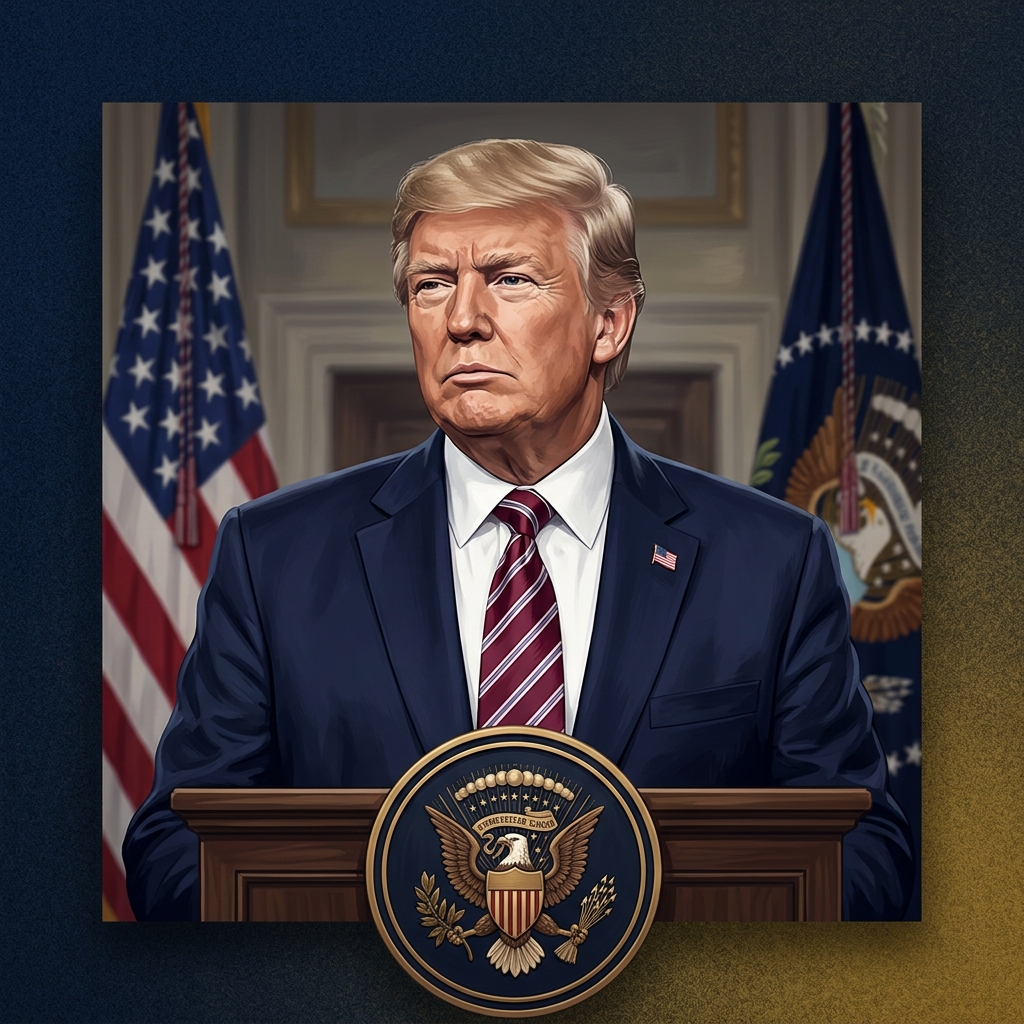
VS
US appeals court

The Trump administration is the executive branch of the U.S. federal government under President Donald Trump, which has sought to impose new restrictions on mail-in voting procedures.
The U.S. appeals court is a federal appellate court that reviews decisions of lower courts and has jurisdiction over cases involving federal election rules.
The two sides are in conflict over the administration's efforts to implement new vote-by-mail restrictions.
The administration has pursued emergency appeals to the Supreme Court after lower courts blocked the restrictions, while the appeals court has rejected the administration's bid to enforce the new rules ahead of the November elections.
The dispute centers on whether the executive branch can change mail-in voting procedures without congressional authorization and whether the courts should allow such changes to take effect.
The case is part of a broader pattern of legal clashes between the Trump administration and the federal judiciary, including disputes over presidential immunity and other executive actions.
The outcome could affect how mail-in voting is conducted in future elections and clarify the limits of executive power over election administration.
*AI-generated summary of publicly available data. This is not an official statement of any party.
*AI-generated summary of publicly available statements and reporting. This is not an official statement of this party.
Supporters of the Trump administration argue that mail-in voting breaks with America's longstanding tradition of in-person civic participation, and they maintain that courts should not override a president's duty to protect election integrity.
Supporters of the Trump administration argue that mail-in voting departs from longstanding American civic tradition, in which citizens vote in person on Election Day, and they contend that courts should not rewrite election rules so close to November.
Supporters of the Trump administration counter that cultural continuity cuts both ways—paper ballots and same-day voting were the norm for most of US history, and they argue mail-in expansion broke from that older civic tradition rather than preserving it.
Supporters of the Trump administration argue the appeals court overstepped by blocking executive rulemaking on vote-by-mail, contending federal election-security authority rests with the executive branch.
Supporters of the Trump administration argue the appeals court overstepped, contending that election rules fall under state and executive authority, not judicial decree.
Supporters of the Trump administration counter that Article II and the Electors Clause vest election-rule authority in state legislatures, not the judiciary, so courts lack a clear statutory basis to impose vote-by-mail changes before November.
Supporters of the Trump administration argue the appeals court ruling lets unelected judges shield the current voting system from scrutiny, and they maintain that whoever controls election rules controls the outcome.
Supporters of the Trump administration argue the appeals court ruling cedes election-rule control to judges, and that only the executive's unified national standard can secure the outcome it wants.
Supporters of the Trump administration counter that the ruling itself expands judicial power, letting unelected judges set election rules; they argue courts check the executive only by seizing its authority.
Supporters of Trump administration argue that unelected judges overriding the president's vote-by-mail rules denies voters their voice, since only elected officials accountable to the people should set election law.
Supporters of the Trump administration argue that courts blocking vote-by-mail rule changes override the people's elected representatives, undermining self-government and the accountability of election rules to voters.
Supporters of the Trump administration counter that a moral duty to protect every citizen's vote cuts both ways, since late rule changes invite fraud that dilutes the ballots of honest voters.
Supporters of the Trump administration argue that mail-in voting undermines the integrity of elections, echoing a religious conviction that honest, transparent voting preserves the moral trust citizens place in their government.
Supporters of the Trump administration argue that courts should not override the people's elected leaders on voting rules, and maintain that stable, trusted election procedures reflect a moral duty to protect the integrity of the ballot.
Supporters of the Trump administration counter that Scripture also calls for honest weights and measures, and that mail-in voting without strict safeguards invites fraud, undermining the integrity of judgment the vulnerable deserve.
*AI-generated summary of publicly available statements and reporting. This is not an official statement of this party.
Supporters of the US appeals court argue that preserving established vote-by-mail procedures protects the cultural continuity of elections, maintaining that longstanding rules, not sudden changes, are what sustain public trust in the vote.
Supporters of the US appeals court argue that longstanding state-run election customs should not be disrupted by last-minute federal changes, preserving continuity and public trust in the voting process.
Supporters of the US appeals court counter that mail-in voting has deep roots in American history, dating to the Civil War, and that preserving lawful ballots is itself a matter of civic tradition.
Supporters of the US appeals court argue the ruling upholds judicial authority and existing election law, maintaining that courts must block executive changes to vote-by-mail rules that lack clear statutory basis before November.
Supporters of the US appeals court argue that the ruling upholds established election law, since courts must ensure procedural changes to vote-by-mail meet statutory requirements before November.
Supporters of the US appeals court counter that federal courts have long reviewed executive election rules for statutory authority, so the panel's block is ordinary judicial review, not overreach.
Supporters of the US appeals court argue that blocking the Trump administration's vote-by-mail changes preserves the judiciary's institutional power to check executive overreach before an election.
Supporters of the US appeals court argue that blocking the Trump administration’s vote-by-mail changes preserves the court’s institutional authority, since ceding election-rule discretion to the executive would erode judicial leverage over November’s outcome.
Supporters of the US appeals court counter that judicial review is itself a power center; unelected judges checking election rules is institutional self-interest, not shielding—whoever controls the courts controls what rules survive.
Supporters of the US appeals court argue that protecting mail-in voting from last-minute changes is a moral duty, since fair access to the ballot for all citizens outweighs administrative convenience.
Supporters of the US appeals court argue that blocking last-minute vote-by-mail changes protects equal access to the ballot, since courts must guard fairness for voters when rules shift close to an election.
Supporters of the US appeals court counter that courts exist precisely to protect voters' moral right to equal access, and that an unchecked executive, not judges, is what silences the people.
Supporters of the US appeals court argue that safeguarding mail-in voting reflects a moral duty to protect the vulnerable and ensure justice, citing scripture's call to defend the poor and uphold fair judgment.
Supporters of the US appeals court argue that upholding lawful election rules reflects a moral duty to protect the vulnerable and ensure justice, citing scripture's call to defend the poor and needy.
Supporters of the US appeals court counter that scriptural calls to render justice fairly apply to all legitimate voters, so broad mail-in access honors, rather than undermines, the moral trust citizens place in government.
AI-generated summary of publicly available statements and reporting. This is not an official statement of this party.
Supporters of the Trump administration argue that mail-in voting breaks with America's longstanding tradition of in-person civic participation, and they maintain that courts should not override a president's duty to protect election integrity.
Supporters of the Trump administration argue that mail-in voting departs from longstanding American civic tradition, in which citizens vote in person on Election Day, and they contend that courts should not rewrite election rules so close to November.
Supporters of the Trump administration counter that cultural continuity cuts both ways—paper ballots and same-day voting were the norm for most of US history, and they argue mail-in expansion broke from that older civic tradition rather than preserving it.
Supporters of the Trump administration argue the appeals court overstepped by blocking executive rulemaking on vote-by-mail, contending federal election-security authority rests with the executive branch.
Supporters of the Trump administration argue the appeals court overstepped, contending that election rules fall under state and executive authority, not judicial decree.
Supporters of the Trump administration counter that Article II and the Electors Clause vest election-rule authority in state legislatures, not the judiciary, so courts lack a clear statutory basis to impose vote-by-mail changes before November.
Supporters of the Trump administration argue the appeals court ruling lets unelected judges shield the current voting system from scrutiny, and they maintain that whoever controls election rules controls the outcome.
Supporters of the Trump administration argue the appeals court ruling cedes election-rule control to judges, and that only the executive's unified national standard can secure the outcome it wants.
Supporters of the Trump administration counter that the ruling itself expands judicial power, letting unelected judges set election rules; they argue courts check the executive only by seizing its authority.
Supporters of Trump administration argue that unelected judges overriding the president's vote-by-mail rules denies voters their voice, since only elected officials accountable to the people should set election law.
Supporters of the Trump administration argue that courts blocking vote-by-mail rule changes override the people's elected representatives, undermining self-government and the accountability of election rules to voters.
Supporters of the Trump administration counter that a moral duty to protect every citizen's vote cuts both ways, since late rule changes invite fraud that dilutes the ballots of honest voters.
Supporters of the Trump administration argue that mail-in voting undermines the integrity of elections, echoing a religious conviction that honest, transparent voting preserves the moral trust citizens place in their government.
Supporters of the Trump administration argue that courts should not override the people's elected leaders on voting rules, and maintain that stable, trusted election procedures reflect a moral duty to protect the integrity of the ballot.
Supporters of the Trump administration counter that Scripture also calls for honest weights and measures, and that mail-in voting without strict safeguards invites fraud, undermining the integrity of judgment the vulnerable deserve.
Supporters of the US appeals court argue that preserving established vote-by-mail procedures protects the cultural continuity of elections, maintaining that longstanding rules, not sudden changes, are what sustain public trust in the vote.
Supporters of the US appeals court argue that longstanding state-run election customs should not be disrupted by last-minute federal changes, preserving continuity and public trust in the voting process.
Supporters of the US appeals court counter that mail-in voting has deep roots in American history, dating to the Civil War, and that preserving lawful ballots is itself a matter of civic tradition.
Supporters of the US appeals court argue the ruling upholds judicial authority and existing election law, maintaining that courts must block executive changes to vote-by-mail rules that lack clear statutory basis before November.
Supporters of the US appeals court argue that the ruling upholds established election law, since courts must ensure procedural changes to vote-by-mail meet statutory requirements before November.
Supporters of the US appeals court counter that federal courts have long reviewed executive election rules for statutory authority, so the panel's block is ordinary judicial review, not overreach.
Supporters of the US appeals court argue that blocking the Trump administration's vote-by-mail changes preserves the judiciary's institutional power to check executive overreach before an election.
Supporters of the US appeals court argue that blocking the Trump administration’s vote-by-mail changes preserves the court’s institutional authority, since ceding election-rule discretion to the executive would erode judicial leverage over November’s outcome.
Supporters of the US appeals court counter that judicial review is itself a power center; unelected judges checking election rules is institutional self-interest, not shielding—whoever controls the courts controls what rules survive.
Supporters of the US appeals court argue that protecting mail-in voting from last-minute changes is a moral duty, since fair access to the ballot for all citizens outweighs administrative convenience.
Supporters of the US appeals court argue that blocking last-minute vote-by-mail changes protects equal access to the ballot, since courts must guard fairness for voters when rules shift close to an election.
Supporters of the US appeals court counter that courts exist precisely to protect voters' moral right to equal access, and that an unchecked executive, not judges, is what silences the people.
Supporters of the US appeals court argue that safeguarding mail-in voting reflects a moral duty to protect the vulnerable and ensure justice, citing scripture's call to defend the poor and uphold fair judgment.
Supporters of the US appeals court argue that upholding lawful election rules reflects a moral duty to protect the vulnerable and ensure justice, citing scripture's call to defend the poor and needy.
Supporters of the US appeals court counter that scriptural calls to render justice fairly apply to all legitimate voters, so broad mail-in access honors, rather than undermines, the moral trust citizens place in government.
A federal appeals court put the brakes on the Trump administration's policy of deporting people to countries other than their own.
A US appeals court rejected the Trump administration's bid to implement new vote-by-mail rules ahead of the November elections.
The Trump administration made a third emergency appeal to the Supreme Court seeking to reinstate new mail ballot restrictions.
The Trump administration renewed its appeal to the Supreme Court after a federal judge blocked new restrictions on mail ballots.
A federal appeals court heard arguments in Trump's bid to erase his hush money conviction, illustrating ongoing legal conflicts between the administration and the courts.
The Supreme Court held that presidents have immunity from criminal prosecution for official acts, a landmark decision that shaped subsequent legal battles over executive power.