Trump administration
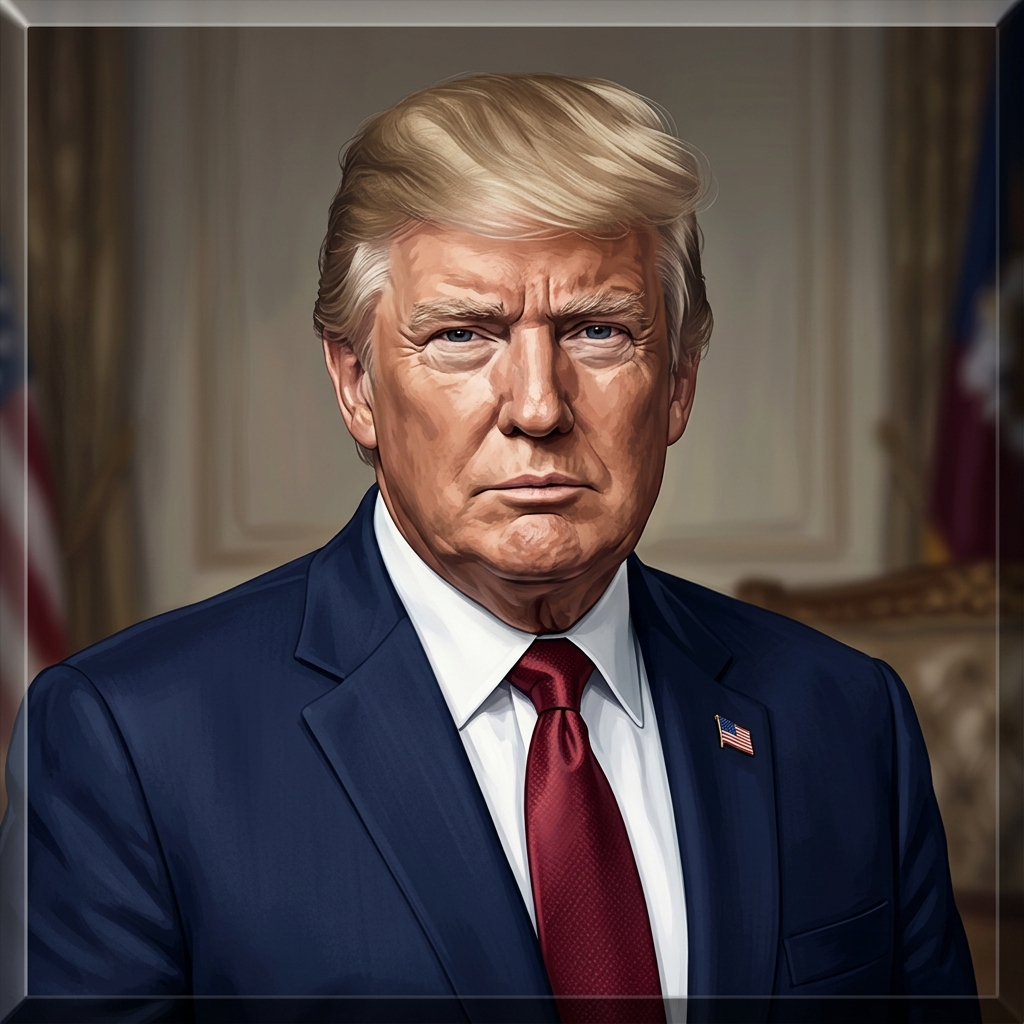
VS
US media
?
No actors in this side.
No actors in this side.
US media reports suggest President Trump may be weighing military strikes on Iran before the midterm elections, though the president has ruled that out.
The article examines whether the administration is signaling a return to war with Iran after the midterms.
*AI-generated summary of publicly available data. This is not an official statement of any party.
*AI-generated summary of publicly available statements and reporting. This is not an official statement of this party.
Supporters of the Trump administration argue that unelected media outlets manufacture war rumors to shape the midterms, and that only the president, accountable to voters, holds the legitimate authority over Iran policy.
Supporters of the Trump administration argue that sovereignty means deciding on America's own timeline, not one set by media leaks, and that such reporting erodes public trust.
Supporters of Trump administration counter that press outlets do not speak for the nation's inherited culture, but for their own editorial tribe, and that elected leaders—not media gatekeepers—carry the people's mandate.
Supporters of the Trump administration argue that the president alone holds constitutional war powers, so any military action against Iran would be lawful and not timed to media speculation.
Supporters of the Trump administration argue that the president alone holds constitutional authority as commander-in-chief to weigh military options, and that media speculation about Iran strikes before the midterms lacks legal grounding.
Supporters of the Trump administration counter that Article II vests the President with independent authority to order limited defensive strikes, and that prior congressional authorizations plus UN Charter self-defense provisions supply adequate legal basis.
Supporters of the Trump administration argue that media war rumors are leverage: denying strikes pre-midterms preserves options, pressures Iran, and keeps opponents guessing—pragmatic signaling, not surrender.
Supporters of the Trump administration argue that strike rumors are leverage, not plans: signaling force before the midterms pressures Iran and keeps rivals guessing, while the president's public denial preserves room to act after.
Supporters of Trump counter that the administration withholds timing to keep Tehran guessing and preserve options, since ambiguous strike signals coerce Iran and box in critics more than any pre-midterm leak could.
Supporters of the Trump administration argue that unelected media outlets manufacture war rumors to sway voters before midterms, and that only the president, not anonymous press sources, holds the moral authority to decide on military action.
Supporters of the Trump administration argue that unelected media outlets manufacture war rumors to sway voters before the midterms, and that only the president's own words should be trusted on Iran.
Supporters of the Trump administration counter that Scripture commands "thou shalt not bear false witness," so a press leaking selective war claims before an election violates divine law and the public's moral right to truth.
Supporters of the Trump administration argue that defending religious liberty and stability abroad honors a moral duty, and they maintain that any Iran policy is weighed prayerfully, not timed to midterms.
Supporters of the Trump administration argue that protecting religious liberty and stability abroad honors a moral duty, and they maintain that any Iran decision rests with the president, not media speculation.
Supporters of the Trump administration counter that Scripture also charges rulers with the sword to defend the innocent, so counsel and timing belong to the anointed authority, not the press.
*AI-generated summary of publicly available statements and reporting. This is not an official statement of this party.
Supporters of US media argue that a free press serves as a cultural check on power, preserving the public's inherited right to debate war and peace before any vote—not after.
Supporters of US media argue that a free press serves as a cultural check on power, preserving the public's right to scrutinize war decisions before midterms rather than after.
Supporters of US media counter that a free press is itself an inherited institution, and that holding power accountable is a civic duty, not a partisan attack.
Supporters of US media argue that legally, any military strike on Iran absent congressional authorization would violate both US constitutional war powers and the UN Charter's prohibition on unilateral force.
Supporters of US media argue that legally, launching strikes for electoral timing would violate the UN Charter's limits on use of force and Congress's war powers, so they press for evidence and authorization.
Supporters of US media counter that the War Powers Resolution requires congressional authorization absent a direct attack, so claims of unilateral presidential legality sidestep statutory limits.
Supporters of US media argue outlets float pre-midterm Iran strike stories to signal the administration's post-election intentions, treating timing leaks as leverage rather than prediction.
Supporters of US media argue the strike leak is leverage: by airing pre-midterm war talk, outlets force the White House to deny it, boxing Trump into a constraint he must now manage.
Supporters of US media counter that leaks to the press are themselves leverage: forcing the administration to deny strikes publicly constrains its options and signals resolve to Iran, making secrecy the real surrender.
Supporters of US media argue it is morally bound to scrutinize any hint of war timed around elections, insisting the public deserves honesty before voting on matters of life and death.
Supporters of US media argue that reporting on possible pre-midterm strikes on Iran serves the public's moral right to know, since voters deserve transparency about war decisions before casting ballots.
Supporters of US media counter that moral authority rests with a public informed by a free press, not one leader; unelected presidents, they argue, shouldn't decide war alone.
Supporters of US media invoke just-war doctrine, arguing that Scripture demands moral restraint and truthful counsel before any strike on Iran, especially as politics pressures timing near midterms.
Supporters of US media argue that scripture warns against leaders who exploit faith to justify war for political gain, and they question whether Iran strike talk before midterms betrays a moral duty to pursue peace.
US media supporters counter that Scripture warns against invoking divine guidance for political ends, citing Matthew 6:24, and question whether prayerful framing can be verified when policy timing tracks election calendars.
AI-generated summary of publicly available statements and reporting. This is not an official statement of this party.
Supporters of the Trump administration argue that unelected media outlets manufacture war rumors to shape the midterms, and that only the president, accountable to voters, holds the legitimate authority over Iran policy.
Supporters of the Trump administration argue that sovereignty means deciding on America's own timeline, not one set by media leaks, and that such reporting erodes public trust.
Supporters of Trump administration counter that press outlets do not speak for the nation's inherited culture, but for their own editorial tribe, and that elected leaders—not media gatekeepers—carry the people's mandate.
Supporters of the Trump administration argue that the president alone holds constitutional war powers, so any military action against Iran would be lawful and not timed to media speculation.
Supporters of the Trump administration argue that the president alone holds constitutional authority as commander-in-chief to weigh military options, and that media speculation about Iran strikes before the midterms lacks legal grounding.
Supporters of the Trump administration counter that Article II vests the President with independent authority to order limited defensive strikes, and that prior congressional authorizations plus UN Charter self-defense provisions supply adequate legal basis.
Supporters of the Trump administration argue that media war rumors are leverage: denying strikes pre-midterms preserves options, pressures Iran, and keeps opponents guessing—pragmatic signaling, not surrender.
Supporters of the Trump administration argue that strike rumors are leverage, not plans: signaling force before the midterms pressures Iran and keeps rivals guessing, while the president's public denial preserves room to act after.
Supporters of Trump counter that the administration withholds timing to keep Tehran guessing and preserve options, since ambiguous strike signals coerce Iran and box in critics more than any pre-midterm leak could.
Supporters of the Trump administration argue that unelected media outlets manufacture war rumors to sway voters before midterms, and that only the president, not anonymous press sources, holds the moral authority to decide on military action.
Supporters of the Trump administration argue that unelected media outlets manufacture war rumors to sway voters before the midterms, and that only the president's own words should be trusted on Iran.
Supporters of the Trump administration counter that Scripture commands "thou shalt not bear false witness," so a press leaking selective war claims before an election violates divine law and the public's moral right to truth.
Supporters of the Trump administration argue that defending religious liberty and stability abroad honors a moral duty, and they maintain that any Iran policy is weighed prayerfully, not timed to midterms.
Supporters of the Trump administration argue that protecting religious liberty and stability abroad honors a moral duty, and they maintain that any Iran decision rests with the president, not media speculation.
Supporters of the Trump administration counter that Scripture also charges rulers with the sword to defend the innocent, so counsel and timing belong to the anointed authority, not the press.
Supporters of US media argue that a free press serves as a cultural check on power, preserving the public's inherited right to debate war and peace before any vote—not after.
Supporters of US media argue that a free press serves as a cultural check on power, preserving the public's right to scrutinize war decisions before midterms rather than after.
Supporters of US media counter that a free press is itself an inherited institution, and that holding power accountable is a civic duty, not a partisan attack.
Supporters of US media argue that legally, any military strike on Iran absent congressional authorization would violate both US constitutional war powers and the UN Charter's prohibition on unilateral force.
Supporters of US media argue that legally, launching strikes for electoral timing would violate the UN Charter's limits on use of force and Congress's war powers, so they press for evidence and authorization.
Supporters of US media counter that the War Powers Resolution requires congressional authorization absent a direct attack, so claims of unilateral presidential legality sidestep statutory limits.
Supporters of US media argue outlets float pre-midterm Iran strike stories to signal the administration's post-election intentions, treating timing leaks as leverage rather than prediction.
Supporters of US media argue the strike leak is leverage: by airing pre-midterm war talk, outlets force the White House to deny it, boxing Trump into a constraint he must now manage.
Supporters of US media counter that leaks to the press are themselves leverage: forcing the administration to deny strikes publicly constrains its options and signals resolve to Iran, making secrecy the real surrender.
Supporters of US media argue it is morally bound to scrutinize any hint of war timed around elections, insisting the public deserves honesty before voting on matters of life and death.
Supporters of US media argue that reporting on possible pre-midterm strikes on Iran serves the public's moral right to know, since voters deserve transparency about war decisions before casting ballots.
Supporters of US media counter that moral authority rests with a public informed by a free press, not one leader; unelected presidents, they argue, shouldn't decide war alone.
Supporters of US media invoke just-war doctrine, arguing that Scripture demands moral restraint and truthful counsel before any strike on Iran, especially as politics pressures timing near midterms.
Supporters of US media argue that scripture warns against leaders who exploit faith to justify war for political gain, and they question whether Iran strike talk before midterms betrays a moral duty to pursue peace.
US media supporters counter that Scripture warns against invoking divine guidance for political ends, citing Matthew 6:24, and question whether prayerful framing can be verified when policy timing tracks election calendars.
Upcoming midterm elections referenced as a factor in potential military action timing.