Trump administration
VS
US schools

The Trump administration and US schools are two parties in a significant policy conflict.
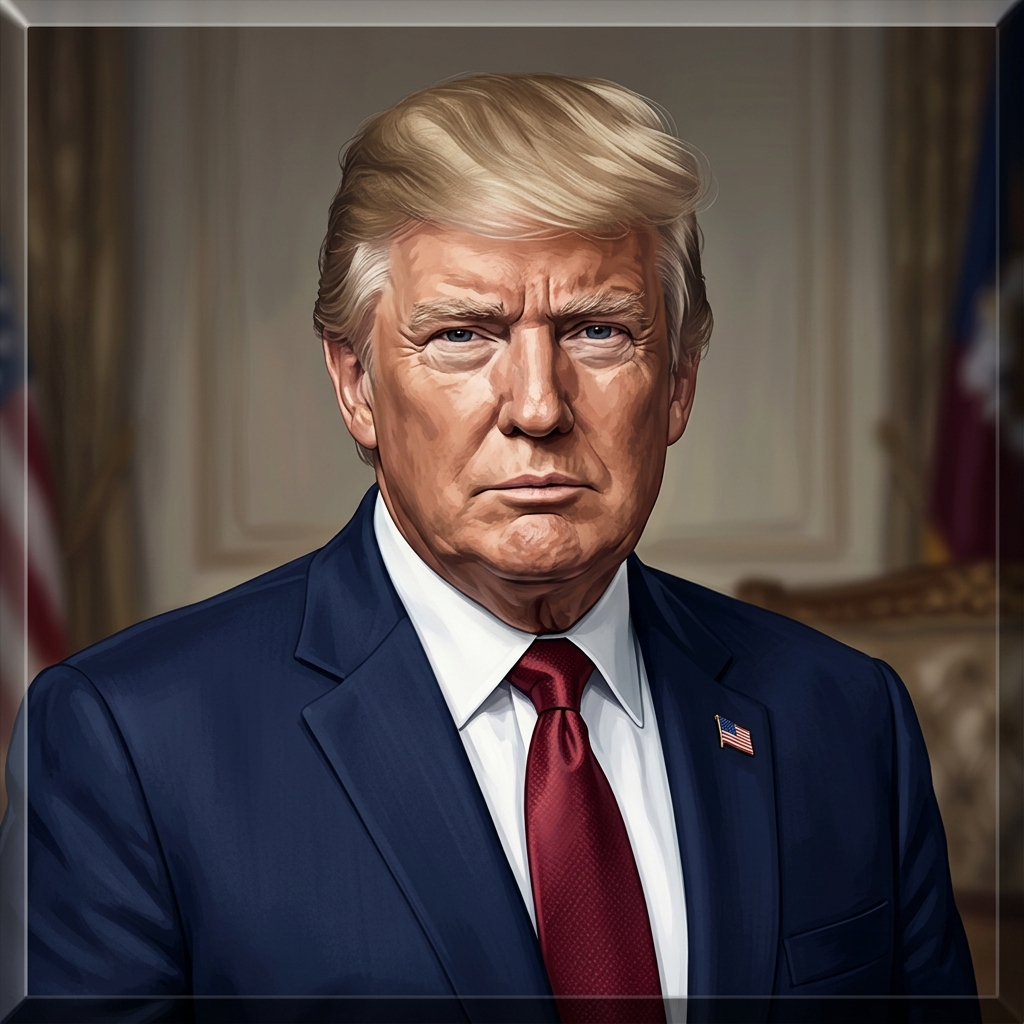
The Trump administration, led by President Donald Trump, has pursued an aggressive agenda to reshape American education, including threats to cut federal funding and efforts to dismantle the Department of Education.
US schools, ranging from K-12 institutions to universities like Harvard and Cornell, have been the targets of these policies, which include funding freezes, visa revocations, and bans on diversity, equity, and inclusion programs.
The conflict arises from the administration's demands that schools comply with its policy priorities, such as ending 'woke' programs and, notably, prohibiting gender-related changes for students.
The administration has warned that schools promoting gender transitions will be treated as 'child abuse,' creating a direct clash with schools that have or consider such support policies.
This dispute is part of a broader struggle over federal funding, with the administration using financial leverage to enforce compliance, while some schools push back against these pressures.
The stakes are high, as the administration has paused billions in federal funding to universities and fired nearly half of the Department of Education's staff.
Some schools have reached settlements with the administration, agreeing to its demands, while others resist, leading to a contested landscape in American education.
*AI-generated summary of publicly available data. This is not an official statement of any party.
*AI-generated summary of publicly available statements and reporting. This is not an official statement of this party.
Supporters of the Trump administration argue that schools promoting gender transitions for minors violate a cultural duty to protect childhood innocence, framing such policies as a break from historical norms of parental authority.
Supporters of the Trump administration argue that schools promoting gender transitions defy historical norms of parental authority and childhood protection, framing such policies as cultural overreach rather than medical care.
Supporters of the Trump administration counter that schools are overstepping their educational mandate by imposing a contested cultural ideology, arguing that affirming gender identity without parental consent undermines family authority and historical norms of child protection.
Supporters of Trump administration argue that schools lack legal authority to approve gender-related medical transitions for minors, citing parental rights and child-protection statutes as the proper legal framework.
Supporters of the Trump administration argue that federal law protects parental rights, and schools promoting gender transitions without consent violate those legal safeguards.
Supporters of the Trump administration counter that federal authority under civil rights law, specifically Title IX, permits intervention when school policies conflict with statutory protections, making the label a lawful exercise of enforcement power.
Supporters of Trump administration argue the threat is leverage, not policy: warning schools of "child abuse" reframes a moral dispute into legal risk, forcing administrators to weigh federal consequences against activist pressure.
Supporters of the Trump administration argue the threat reframes the school debate as a power contest, using "child abuse" to seize moral authority and force compliance from institutions that overstepped parental control.
Supporters of the Trump administration counter that the threat is pure leverage, and schools’ real choice is submission or consequence.
Supporters of Trump administration argue that schools overstep moral authority by facilitating gender transitions, framing such policies as a violation of parental rights and child welfare.
Supporters of the Trump administration argue that protecting minors from irreversible medical decisions is a moral duty, framing school-promoted gender transitions as a form of institutional harm that justifies state intervention.
Supporters of the Trump administration counter that shielding children from irreversible medical procedures is the greater moral duty, arguing that schools overstep by prioritizing ideological affirmation over parental authority and long-term health.
Supporters of the Trump administration argue that schools overstep divine authority by facilitating gender transitions, viewing such policies as a violation of God’s design for children, and they cite scripture to frame protection of minors as a moral duty.
Supporters of the Trump administration argue that schools promoting gender transitions violate divine law, viewing childhood as sacred and gender as God-given, not a matter for state policy.
Supporters of the Trump administration counter that divine law, as revealed in scripture, defines humanity as male and female, and that affirming care contradicts the Creator's design, making it a failure of pastoral duty rather than its fulfillment.
*AI-generated summary of publicly available statements and reporting. This is not an official statement of this party.
Supporters of US schools argue that affirming students' gender identity is a cultural expression of individual dignity, not abuse, and they see school policies as protecting youth from harm.
Supporters of US schools argue that gender-affirming policies protect students' cultural identities and dignity, viewing Trump's warning as an overreach that undermines local educational authority and the inclusive values schools uphold as central to American pluralism.
Supporters of US schools counter that cultural duty includes safeguarding every child’s dignity, and that parental authority is not absolute when a student’s well-being is at stake, citing the long American tradition of schools as safe havens for diverse identities.
Supporters of US schools argue that federal threats to label gender-support policies as "child abuse" exceed the administration’s legal authority, since education and family welfare are state-regulated domains.
Supporters of US schools argue that federal law leaves gender-related policies to state and local education authorities, and that the administration's threat to classify such policies as "child abuse" oversteps executive power.
Supporters of US schools counter that federal civil-rights law, including Title IX, grants schools legal authority to protect transgender students, and that gender-affirming care decisions fall under medical, not school, jurisdiction.
Supporters of US schools argue that Trump’s threat is raw political leverage, not child welfare, since the administration gains by framing local policy as federal crime. They maintain schools face the real power choice: risk funding and legal wrath versus yielding on gender care.
Supporters of US schools argue that Trump’s threat is raw power politics, using “child abuse” rhetoric to coerce local compliance and punish dissent, while schools defend their policies as pragmatic safeguards against federal overreach in medical and educational autonomy.
Supporters of US schools counter that the threat is a bluff, not leverage: federal enforcement lacks the manpower to audit thousands of districts, so the warning only hardens local resolve while exposing Washington’s empty hand.
Supporters of US schools argue that protecting transgender youth from harm is a moral duty, not a political stance, and that withholding support risks their wellbeing.
Supporters of US schools argue that shielding transgender students from harm is a moral duty, not abuse, pointing to evidence that affirming care reduces suicide risk while rejection endangers lives.
Supporters of US schools counter that their role is to protect vulnerable students, not to usurp parents, and that affirming a child’s identity is a lifesaving moral duty, not an overreach.
Supporters of US schools argue that transgender students are children of God deserving dignity, and that affirming care is a pastoral duty.
Supporters of US schools argue that pastoral care for questioning children reflects a sacred duty to nurture each soul, not a political stance, and they view Trump's child-abuse framing as a breach of trust in educators' moral stewardship.
Supporters of US schools counter that God’s design includes human diversity and compassion, and they argue that protecting transgender students from harm is itself a moral duty, citing faith-based teachings on love and care for the vulnerable.
AI-generated summary of publicly available statements and reporting. This is not an official statement of this party.
Supporters of the Trump administration argue that schools promoting gender transitions for minors violate a cultural duty to protect childhood innocence, framing such policies as a break from historical norms of parental authority.
Supporters of the Trump administration argue that schools promoting gender transitions defy historical norms of parental authority and childhood protection, framing such policies as cultural overreach rather than medical care.
Supporters of the Trump administration counter that schools are overstepping their educational mandate by imposing a contested cultural ideology, arguing that affirming gender identity without parental consent undermines family authority and historical norms of child protection.
Supporters of Trump administration argue that schools lack legal authority to approve gender-related medical transitions for minors, citing parental rights and child-protection statutes as the proper legal framework.
Supporters of the Trump administration argue that federal law protects parental rights, and schools promoting gender transitions without consent violate those legal safeguards.
Supporters of the Trump administration counter that federal authority under civil rights law, specifically Title IX, permits intervention when school policies conflict with statutory protections, making the label a lawful exercise of enforcement power.
Supporters of Trump administration argue the threat is leverage, not policy: warning schools of "child abuse" reframes a moral dispute into legal risk, forcing administrators to weigh federal consequences against activist pressure.
Supporters of the Trump administration argue the threat reframes the school debate as a power contest, using "child abuse" to seize moral authority and force compliance from institutions that overstepped parental control.
Supporters of the Trump administration counter that the threat is pure leverage, and schools’ real choice is submission or consequence.
Supporters of Trump administration argue that schools overstep moral authority by facilitating gender transitions, framing such policies as a violation of parental rights and child welfare.
Supporters of the Trump administration argue that protecting minors from irreversible medical decisions is a moral duty, framing school-promoted gender transitions as a form of institutional harm that justifies state intervention.
Supporters of the Trump administration counter that shielding children from irreversible medical procedures is the greater moral duty, arguing that schools overstep by prioritizing ideological affirmation over parental authority and long-term health.
Supporters of the Trump administration argue that schools overstep divine authority by facilitating gender transitions, viewing such policies as a violation of God’s design for children, and they cite scripture to frame protection of minors as a moral duty.
Supporters of the Trump administration argue that schools promoting gender transitions violate divine law, viewing childhood as sacred and gender as God-given, not a matter for state policy.
Supporters of the Trump administration counter that divine law, as revealed in scripture, defines humanity as male and female, and that affirming care contradicts the Creator's design, making it a failure of pastoral duty rather than its fulfillment.
Supporters of US schools argue that affirming students' gender identity is a cultural expression of individual dignity, not abuse, and they see school policies as protecting youth from harm.
Supporters of US schools argue that gender-affirming policies protect students' cultural identities and dignity, viewing Trump's warning as an overreach that undermines local educational authority and the inclusive values schools uphold as central to American pluralism.
Supporters of US schools counter that cultural duty includes safeguarding every child’s dignity, and that parental authority is not absolute when a student’s well-being is at stake, citing the long American tradition of schools as safe havens for diverse identities.
Supporters of US schools argue that federal threats to label gender-support policies as "child abuse" exceed the administration’s legal authority, since education and family welfare are state-regulated domains.
Supporters of US schools argue that federal law leaves gender-related policies to state and local education authorities, and that the administration's threat to classify such policies as "child abuse" oversteps executive power.
Supporters of US schools counter that federal civil-rights law, including Title IX, grants schools legal authority to protect transgender students, and that gender-affirming care decisions fall under medical, not school, jurisdiction.
Supporters of US schools argue that Trump’s threat is raw political leverage, not child welfare, since the administration gains by framing local policy as federal crime. They maintain schools face the real power choice: risk funding and legal wrath versus yielding on gender care.
Supporters of US schools argue that Trump’s threat is raw power politics, using “child abuse” rhetoric to coerce local compliance and punish dissent, while schools defend their policies as pragmatic safeguards against federal overreach in medical and educational autonomy.
Supporters of US schools counter that the threat is a bluff, not leverage: federal enforcement lacks the manpower to audit thousands of districts, so the warning only hardens local resolve while exposing Washington’s empty hand.
Supporters of US schools argue that protecting transgender youth from harm is a moral duty, not a political stance, and that withholding support risks their wellbeing.
Supporters of US schools argue that shielding transgender students from harm is a moral duty, not abuse, pointing to evidence that affirming care reduces suicide risk while rejection endangers lives.
Supporters of US schools counter that their role is to protect vulnerable students, not to usurp parents, and that affirming a child’s identity is a lifesaving moral duty, not an overreach.
Supporters of US schools argue that transgender students are children of God deserving dignity, and that affirming care is a pastoral duty.
Supporters of US schools argue that pastoral care for questioning children reflects a sacred duty to nurture each soul, not a political stance, and they view Trump's child-abuse framing as a breach of trust in educators' moral stewardship.
Supporters of US schools counter that God’s design includes human diversity and compassion, and they argue that protecting transgender students from harm is itself a moral duty, citing faith-based teachings on love and care for the vulnerable.
President Donald Trump has warned US schools against promoting gender-related changes, saying such policies will be treated as “child abuse” Read Full Article at RT.com
US News published an article summarizing Trump's crackdown on higher education, including visa revocations, DEI bans, lawsuits, and funding cuts.
The New York Times published an article detailing how the Trump administration has been exerting extraordinary influence over American universities by threatening to cut off funding.
The Trump administration paused billions in federal funding to universities, and multiple universities reached settlements agreeing to its demands.
The Trump administration fired nearly half of the Department of Education's staff as part of its efforts to weaken the department's authority.
The president offered nine schools priority access to federal funding if they signed an agreement to meet his demands; seven schools had agreed so far.