Trump administration
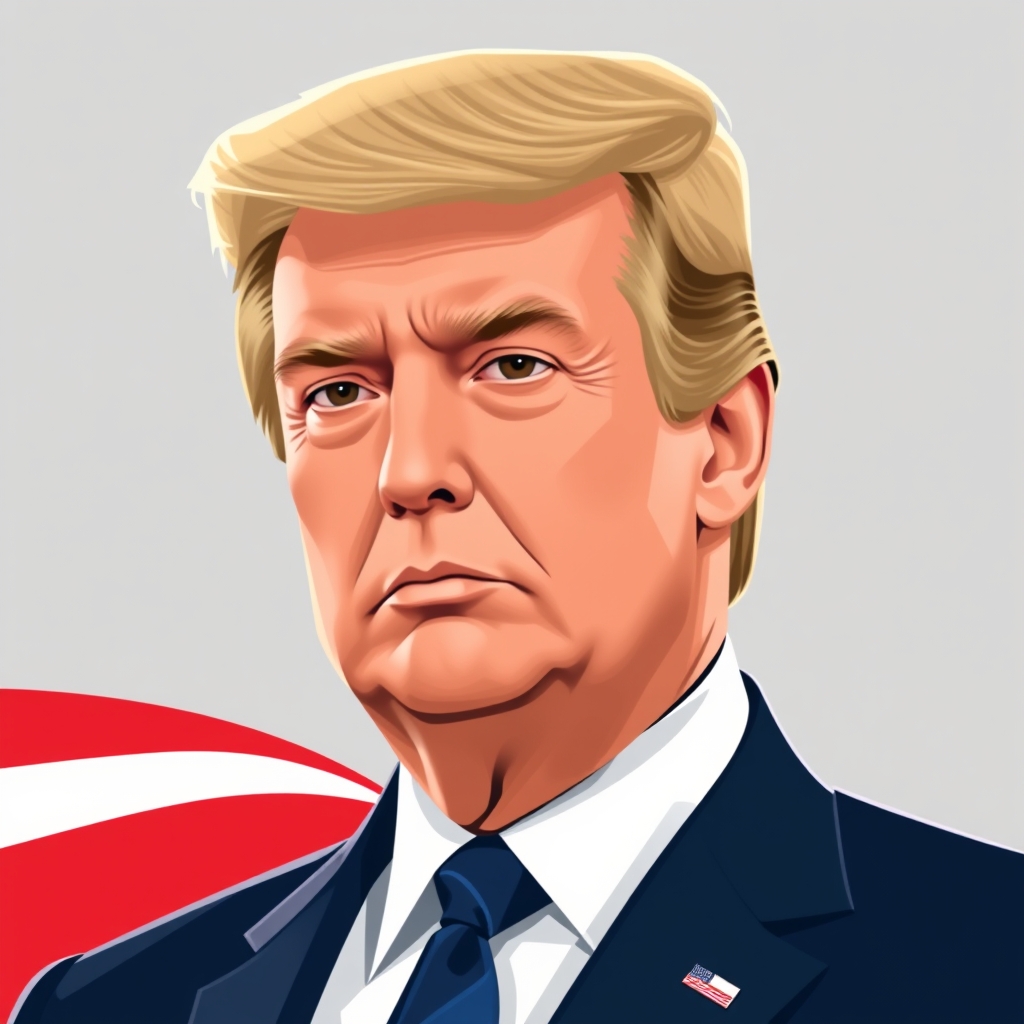
VS
War opponents

The Trump administration refers to the executive branch of the United States government under President Donald Trump, which has taken actions targeting political opponents and civil society groups.
War opponents are individuals and organizations in the U.S. who oppose military actions initiated by the administration, particularly the war against Iran, which has been historically unpopular among the American public.
The conflict arises because the Trump administration has pursued military and counterterrorism policies—such as invoking wartime powers and expanding the "war on terror" to include drug cartels and migrants—that war opponents argue are an overreach of executive authority.
These opponents contend that such actions misuse powers rarely used in U.S. history and that the Iran war lacks public support, creating a clash over the legitimacy and scope of presidential war-making powers.
*AI-generated summary of publicly available data. This is not an official statement of any party.
*AI-generated summary of publicly available statements and reporting. This is not an official statement of this party.
Supporters of the Trump administration argue that deferring military action until after the midterm elections reflects a prudent respect for the nation's democratic rhythms, prioritizing domestic civic order over foreign entanglement.
Supporters of the Trump administration argue that deferring any Iran action until after the midterms preserves the nation’s stable civic rhythm, honoring the cultural primacy of elections over foreign entanglements.
Supporters of the Trump administration counter that American cultural identity is forged through strength and resolve, not hesitation, and that delaying action undermines the nation’s standing as a defender of order.
Supporters of the Trump administration argue that legal authority for any military action rests with the President’s constitutional war powers, independent of electoral timing.
Supporters of the Trump administration argue that its lawful authority to order military action against Iran remains intact, and midterm election timing is irrelevant to constitutional war powers.
Supporters of the Trump administration counter that the 2001 and 2002 Authorizations for Use of Military Force, upheld by courts, provide standing legal basis for strikes on Iran-linked threats, with congressional oversight satisfied via briefings rather than a new vote.
Supporters of Trump administration argue that election timing, not pacifism, drives any Iran restraint, with midterms as the real strategic clock.
Supporters of the Trump administration argue that any strike on Iran is a lever of coercive diplomacy, not a goal, and that timing military pressure around the midterms reflects pure incentive logic: risk now, win later.
Supporters of the Trump administration counter that electoral calculus and strategic deterrence are not mutually exclusive, and critics of the proposal ignore that a credible threat of force, even without a strike, already shapes Tehran’s behavior—de-escalation preserves leverage.
Supporters of the Trump administration argue that the moral duty to protect American lives justifies delaying any Iran action until after the Nov 6 midterm elections, ensuring public consent through democratic process.
Supporters of the Trump administration argue that delaying military action until after the midterm elections reflects a moral duty to let voters decide on war through their elected representatives, not through unilateral escalation.
Supporters of the Trump administration counter that delaying action until after the midterms would itself be an unethical political calculation, risking American lives and regional stability to serve electoral convenience.
Supporters of the Trump administration argue that delaying conflict with Iran reflects a moral duty to preserve life, as scripture warns against rash war, viewing midterm timing as prudent stewardship rather than political avoidance.
Supporters of the Trump administration argue that delaying conflict with Iran until after the midterm elections reflects a moral duty to preserve peace, as scripture teaches that prudent leaders seek calm before acting.
Supporters of the Trump administration counter that scripture calls for righteous judgment, not passivity, and that protecting innocent life sometimes demands decisive action against evil, as with a shepherd defending the flock from wolves.
*AI-generated summary of publicly available statements and reporting. This is not an official statement of this party.
Supporters of War opponents argue that American cultural identity is rooted in peace, not perpetual conflict, and that pressuring the administration to delay action until after the midterm elections reflects a national desire to prioritize domestic unity over foreign intervention.
Supporters of War opponents argue that American cultural identity is rooted in restraint, not perpetual conflict, and that midterm elections reflect citizens’ rightful demand for domestic priorities over foreign entanglements.
Supporters of War opponents counter that deferring conflict for electoral gain subordinates national honor to partisan calculation, treating lives and alliances as bargaining chips for domestic polling.
Supporters of War opponents argue that any US strike on Iran without congressional authorization violates the Constitution’s war powers, pointing to the 2018 midterm elections as the proper democratic check on such unilateral action.
Supporters of War opponents argue that any strike on Iran requires congressional authorization, not executive discretion, and point to the 2018 midterms as the proper forum for voters to weigh that mandate.
War opponents counter that constitutional war powers do not override Congress’s exclusive authority to declare war, as specified in Article I, and that any military action without legislative approval—especially during an election period—violates the separation of powers.
Supporters of War opponents argue that the Trump administration’s Iran policy is pure electoral calculus, not principle—any strike before November 6 would risk voter backlash over price spikes, so de-escalation is pragmatism, not peace.
Supporters of War opponents argue the Trump administration’s threats are theater timed for domestic gain, noting that any strike before the Nov 6 midterms risks voter backlash, so pragmatism, not principle, will force delay.
Supporters of War opponents counter that midterm math cuts both ways, since escalation risks handing Trump a crisis-driven rally, while restraint lets Iran’s proxies bleed U.S.
Supporters of war opponents argue that pursuing military conflict with Iran before the midterms would impose unjust civilian costs, subordinating ethical imperatives to political timing.
Supporters of War opponents argue that empirical evidence of public opposition to an Iran conflict should morally compel the administration to prioritize deliberation over electoral timing, as civilian costs outweigh political gains.
Supporters of War opponents counter that delaying military action for electoral optics treats human lives as political calculus, not moral duty.
Supporters of War opponents argue that restraint before the midterm elections honors the religious duty to preserve life and avoid unnecessary conflict, viewing de-escalation as a moral safeguard against rash military action.
Supporters of War opponents argue that restraint reflects a moral order where life and national stability outrank political timing, and they view the midterm pause as providence guiding leaders away from needless conflict.
Supporters of War opponents counter that scripture also commands confronting evil, not deferring justice for electoral gain, and that prudence without resolve fails the moral duty to protect the oppressed from aggression.
AI-generated summary of publicly available statements and reporting. This is not an official statement of this party.
Supporters of the Trump administration argue that deferring military action until after the midterm elections reflects a prudent respect for the nation's democratic rhythms, prioritizing domestic civic order over foreign entanglement.
Supporters of the Trump administration argue that deferring any Iran action until after the midterms preserves the nation’s stable civic rhythm, honoring the cultural primacy of elections over foreign entanglements.
Supporters of the Trump administration counter that American cultural identity is forged through strength and resolve, not hesitation, and that delaying action undermines the nation’s standing as a defender of order.
Supporters of the Trump administration argue that legal authority for any military action rests with the President’s constitutional war powers, independent of electoral timing.
Supporters of the Trump administration argue that its lawful authority to order military action against Iran remains intact, and midterm election timing is irrelevant to constitutional war powers.
Supporters of the Trump administration counter that the 2001 and 2002 Authorizations for Use of Military Force, upheld by courts, provide standing legal basis for strikes on Iran-linked threats, with congressional oversight satisfied via briefings rather than a new vote.
Supporters of Trump administration argue that election timing, not pacifism, drives any Iran restraint, with midterms as the real strategic clock.
Supporters of the Trump administration argue that any strike on Iran is a lever of coercive diplomacy, not a goal, and that timing military pressure around the midterms reflects pure incentive logic: risk now, win later.
Supporters of the Trump administration counter that electoral calculus and strategic deterrence are not mutually exclusive, and critics of the proposal ignore that a credible threat of force, even without a strike, already shapes Tehran’s behavior—de-escalation preserves leverage.
Supporters of the Trump administration argue that the moral duty to protect American lives justifies delaying any Iran action until after the Nov 6 midterm elections, ensuring public consent through democratic process.
Supporters of the Trump administration argue that delaying military action until after the midterm elections reflects a moral duty to let voters decide on war through their elected representatives, not through unilateral escalation.
Supporters of the Trump administration counter that delaying action until after the midterms would itself be an unethical political calculation, risking American lives and regional stability to serve electoral convenience.
Supporters of the Trump administration argue that delaying conflict with Iran reflects a moral duty to preserve life, as scripture warns against rash war, viewing midterm timing as prudent stewardship rather than political avoidance.
Supporters of the Trump administration argue that delaying conflict with Iran until after the midterm elections reflects a moral duty to preserve peace, as scripture teaches that prudent leaders seek calm before acting.
Supporters of the Trump administration counter that scripture calls for righteous judgment, not passivity, and that protecting innocent life sometimes demands decisive action against evil, as with a shepherd defending the flock from wolves.
Supporters of War opponents argue that American cultural identity is rooted in peace, not perpetual conflict, and that pressuring the administration to delay action until after the midterm elections reflects a national desire to prioritize domestic unity over foreign intervention.
Supporters of War opponents argue that American cultural identity is rooted in restraint, not perpetual conflict, and that midterm elections reflect citizens’ rightful demand for domestic priorities over foreign entanglements.
Supporters of War opponents counter that deferring conflict for electoral gain subordinates national honor to partisan calculation, treating lives and alliances as bargaining chips for domestic polling.
Supporters of War opponents argue that any US strike on Iran without congressional authorization violates the Constitution’s war powers, pointing to the 2018 midterm elections as the proper democratic check on such unilateral action.
Supporters of War opponents argue that any strike on Iran requires congressional authorization, not executive discretion, and point to the 2018 midterms as the proper forum for voters to weigh that mandate.
War opponents counter that constitutional war powers do not override Congress’s exclusive authority to declare war, as specified in Article I, and that any military action without legislative approval—especially during an election period—violates the separation of powers.
Supporters of War opponents argue that the Trump administration’s Iran policy is pure electoral calculus, not principle—any strike before November 6 would risk voter backlash over price spikes, so de-escalation is pragmatism, not peace.
Supporters of War opponents argue the Trump administration’s threats are theater timed for domestic gain, noting that any strike before the Nov 6 midterms risks voter backlash, so pragmatism, not principle, will force delay.
Supporters of War opponents counter that midterm math cuts both ways, since escalation risks handing Trump a crisis-driven rally, while restraint lets Iran’s proxies bleed U.S.
Supporters of war opponents argue that pursuing military conflict with Iran before the midterms would impose unjust civilian costs, subordinating ethical imperatives to political timing.
Supporters of War opponents argue that empirical evidence of public opposition to an Iran conflict should morally compel the administration to prioritize deliberation over electoral timing, as civilian costs outweigh political gains.
Supporters of War opponents counter that delaying military action for electoral optics treats human lives as political calculus, not moral duty.
Supporters of War opponents argue that restraint before the midterm elections honors the religious duty to preserve life and avoid unnecessary conflict, viewing de-escalation as a moral safeguard against rash military action.
Supporters of War opponents argue that restraint reflects a moral order where life and national stability outrank political timing, and they view the midterm pause as providence guiding leaders away from needless conflict.
Supporters of War opponents counter that scripture also commands confronting evil, not deferring justice for electoral gain, and that prudence without resolve fails the moral duty to protect the oppressed from aggression.
Upcoming elections where high energy costs and war setback may impact Trump
The Iran war has become ever more challenging for the Trump administration to sell.
ABC News reported that the DOJ's second attempt to indict ex-FBI Director James Comey is part of what critics call a campaign of retribution by the Trump administration.
An analysis in The Conversation highlighted that Trump's war against Iran is uniquely unpopular among U.S. military actions of the past century.
Reuters reported that Trump has intertwined personal animus against political opponents with his administration's ideological and policy objectives during his first 100 days.
The Crisis Group reported that the Trump administration is repurposing the framing of 'terrorism' to target drug cartels, migrants, and other new enemies.
Democracy Forward published a press release criticizing the Trump administration's invocation of wartime powers as a misuse of authority, noting such powers have only been used in the War of 1812, World War I, and World War II.
The midterm elections are a pivotal moment that may influence the administration's decision on military action against Iran.