Trump allies

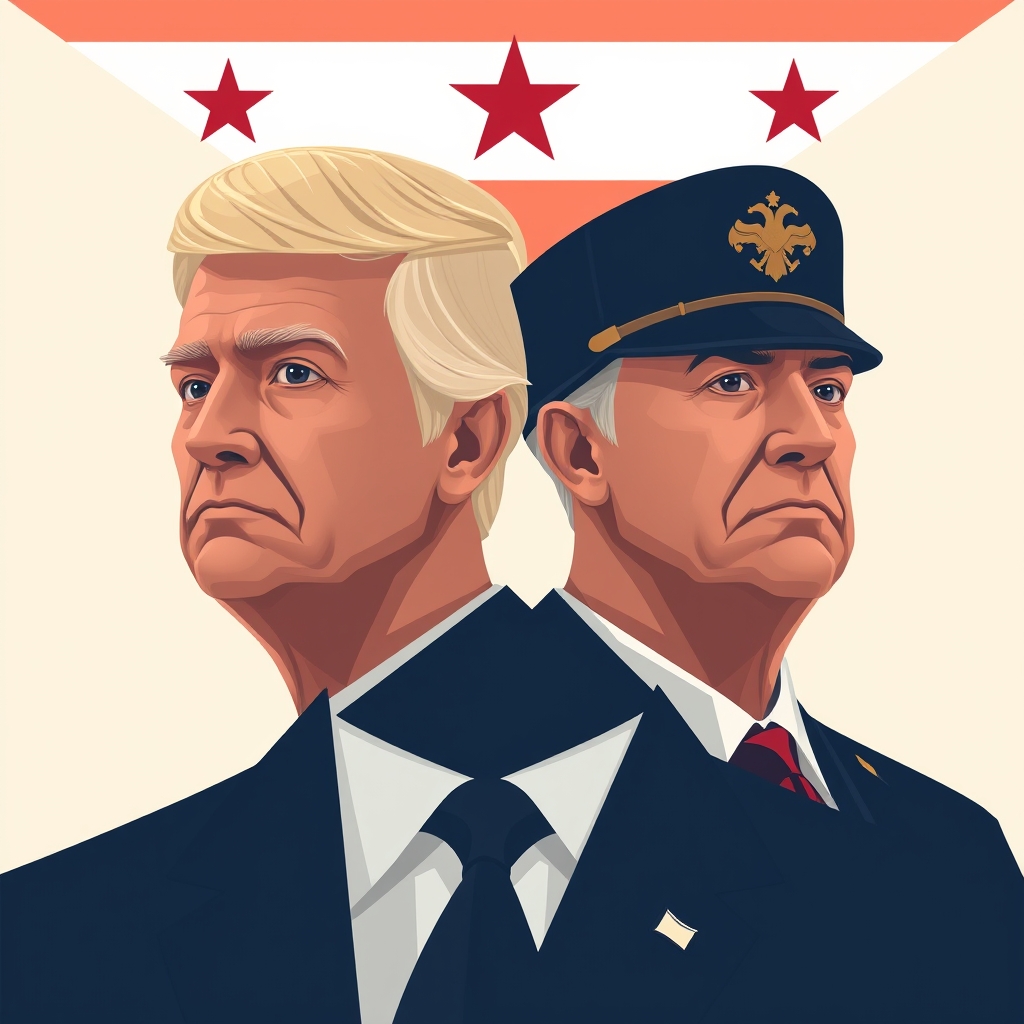
VS
Democrats
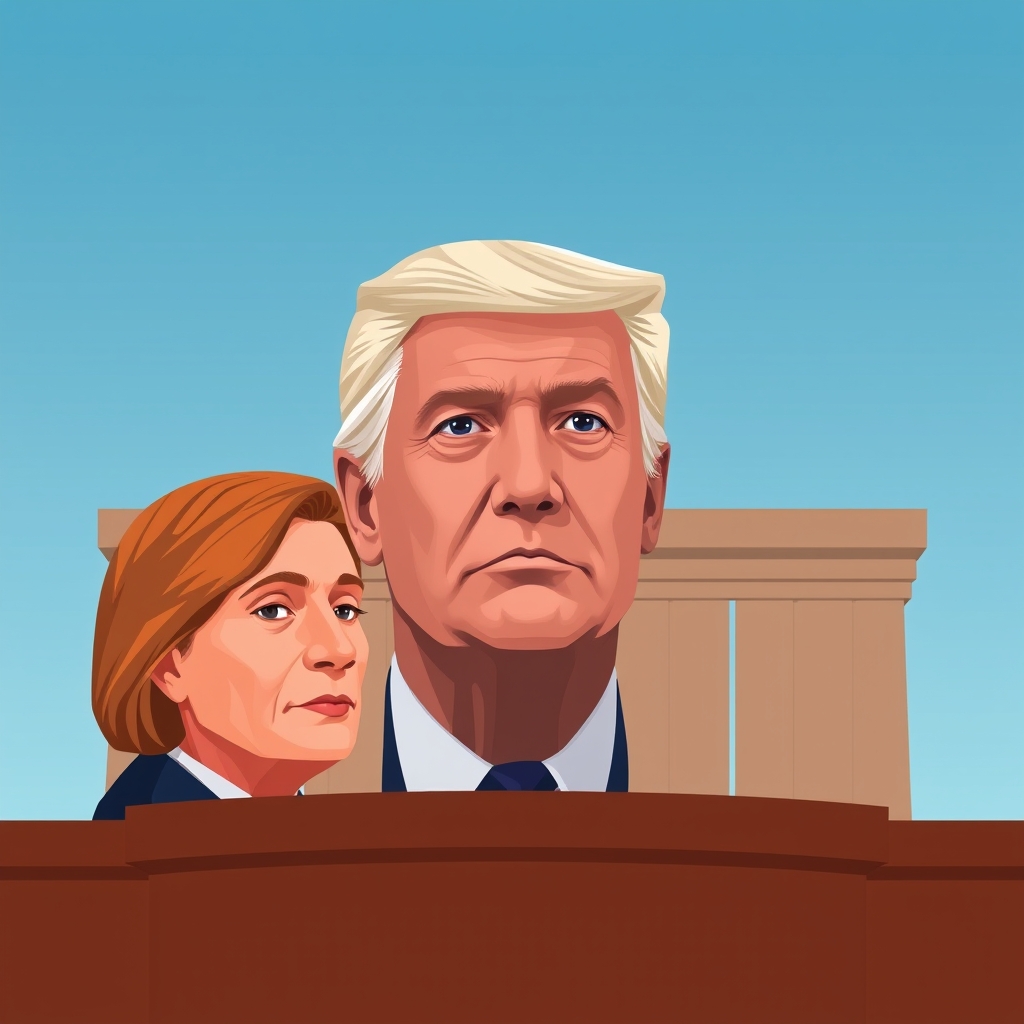
Following a midterm election rout, Vice President JD Vance blames the Iran war for the losses, while Democrats prepare to use Congress to constrain the conflict.
The article examines how Trump's allies are distancing themselves from the war.
*AI-generated summary of publicly available data. This is not an official statement of any party.
*AI-generated summary of publicly available statements and reporting. This is not an official statement of this party.
Supporters of Trump allies argue the midterm rout reflects voters defending cultural continuity at home over distant nation-building, insisting America's strength begins with secure borders and settled communities rather than prolonged foreign entanglements.
Supporters of Trump allies argue that the party must return to its America First cultural roots, treating the Iran war as a departure from the movement's promise to put domestic priorities first.
Supporters of Trump allies counter that the midterms reflected enduring attachment to traditional national identity and sovereignty, arguing voters back leaders who defend inherited cultural institutions rather than congressional reassertion.
Supporters of Trump allies argue that under the War Powers framework, Congress must authorize sustained hostilities, so Democrats should pursue a formal vote rather than let the Iran conflict continue without legislative sanction.
Supporters of Trump allies argue that any continued Iran war requires explicit congressional authorization under the War Powers framework, and they maintain that Democrats should pursue legal constraints through Congress rather than blaming the executive alone.
Supporters of Trump allies counter that the president’s Article II commander-in-chief authority lets him act against imminent threats without prior congressional authorization, and they note past strikes proceeded under that same legal reading.
Supporters of Trump allies argue that Vance's public blame of the Iran war is strategic positioning—distancing the administration from an unpopular conflict to preserve leverage before Democrats use Congress to constrain it.
Supporters of Trump allies argue that distancing from the Iran war is a calculated survival move: with Democrats now wielding Congress, they maintain that Vance's public blame-shifting lets the administration shed an unpopular conflict's cost while preserving Trump's base.
Supporters of Trump allies counter that a midterm win confers no real war authority, since Congress has rarely sustained constraints once troops are committed, and the executive retains the initiative on Iran regardless of seating.
Supporters of Trump allies argue that moral accountability for the midterm rout rests with the Iran war's architects, maintaining that distancing from the conflict is a principled stand rather than a retreat from party duty.
Supporters of Trump allies argue that moral accountability for the midterm rout rests with a war pursued without clear justification, and they maintain that distancing from the Iran conflict is a principled return to restraint rather than mere political convenience.
Supporters of Trump allies counter that moral legitimacy rests on defending the nation and protecting innocent life, not on polling, and they argue that exit polls showed security and patriotism, not opposition to the war, drove the midterm outcome.
Supporters of Trump allies argue that scripture counsels prudence before war, and they maintain that the electoral rout signals a moral rebuke of a conflict entered without just cause or sober counsel.
Supporters of Trump allies argue that the Iran war has become a moral and spiritual liability, contending that a conflict costing American lives cannot be squared with the faith and values their coalition claims to defend.
Supporters of Trump allies counter that faith also teaches the legitimate authority of the sword (Romans 13), so they argue Congress delegates war powers to the executive rather than reasserting them.
*AI-generated summary of publicly available statements and reporting. This is not an official statement of this party.
Supporters of Democrats argue that the midterm rout shows voters rejected a war that ignored their cultural priorities at home, and they maintain that Congress must now reassert its voice to constrain the conflict.
Supporters of Democrats argue the midterm rout reflects voters rejecting an undeclared war, and they frame congressional constraint as reclaiming the people's voice over a conflict that ignores the nation's own priorities and identity.
Supporters of Democrats counter that casting the midterms as a verdict for cultural continuity erases the multiracial, immigrant-driven coalition that actually turned out, arguing the country's identity is itself plural and border-focused messaging alienates the very communities.
Supporters of Democrats argue that Congress holds the constitutional war powers and must vote to constrain the Iran conflict, framing the midterm results as a mandate to reclaim legislative authority over military action.
Supporters of Democrats argue that under the War Powers framework, Congress holds the constitutional authority to check an unauthorized conflict, so they maintain that lawmakers must use legislative power to constrain the Iran war rather than defer to executive claims.
Supporters of Democrats counter that the War Powers framework itself obligates the executive to seek authorization and report to Congress, so the legal burden rests with the administration rather than lawmakers who were never given a timely request for a vote.
Supporters of Democrats argue that the midterm rout gives them the leverage to constrain the Iran war through Congress, framing the vote as a mandate to check executive power.
Supporters of Democrats see Vance's blame-shifting as an opening: they argue Congress should use its power of the purse to force an end to the Iran war, framing the midterm rout as a mandate to constrain executive war-making.
Democrats counter that public distancing is itself the tell: once an administration signals it fears Congress's war powers, it has already conceded leverage, and they intend to convert that concession into binding votes.
Supporters of Democrats argue that a war fought without genuine public consent carries a moral cost, and they point to the midterm rout as evidence that voters rejected the conflict.
Supporters of Democrats argue that a war waged without broad public consent carries a moral cost, and they point to the midterm rout as evidence that voters rendered judgment on the Iran conflict.
Supporters of Democrats counter that moral accountability belongs with those who launched the war, arguing that a party cannot claim principle while its architects avoid responsibility for the conflict's costs.
Supporters of Democrats argue that faith traditions counsel humility before war, so they maintain Congress must morally reassert its constitutional war powers against the Iran conflict.
Supporters of Democrats argue that a war should meet a moral test of faith and just cause, and they maintain that Congress must answer to religious conscience in restraining the Iran conflict.
Supporters of Democrats counter that scripture also commands care for the vulnerable, arguing that abandoning allies and the needy for political gain conflicts with the same moral counsel the argument invokes.
AI-generated summary of publicly available statements and reporting. This is not an official statement of this party.
Supporters of Trump allies argue the midterm rout reflects voters defending cultural continuity at home over distant nation-building, insisting America's strength begins with secure borders and settled communities rather than prolonged foreign entanglements.
Supporters of Trump allies argue that the party must return to its America First cultural roots, treating the Iran war as a departure from the movement's promise to put domestic priorities first.
Supporters of Trump allies counter that the midterms reflected enduring attachment to traditional national identity and sovereignty, arguing voters back leaders who defend inherited cultural institutions rather than congressional reassertion.
Supporters of Trump allies argue that under the War Powers framework, Congress must authorize sustained hostilities, so Democrats should pursue a formal vote rather than let the Iran conflict continue without legislative sanction.
Supporters of Trump allies argue that any continued Iran war requires explicit congressional authorization under the War Powers framework, and they maintain that Democrats should pursue legal constraints through Congress rather than blaming the executive alone.
Supporters of Trump allies counter that the president’s Article II commander-in-chief authority lets him act against imminent threats without prior congressional authorization, and they note past strikes proceeded under that same legal reading.
Supporters of Trump allies argue that Vance's public blame of the Iran war is strategic positioning—distancing the administration from an unpopular conflict to preserve leverage before Democrats use Congress to constrain it.
Supporters of Trump allies argue that distancing from the Iran war is a calculated survival move: with Democrats now wielding Congress, they maintain that Vance's public blame-shifting lets the administration shed an unpopular conflict's cost while preserving Trump's base.
Supporters of Trump allies counter that a midterm win confers no real war authority, since Congress has rarely sustained constraints once troops are committed, and the executive retains the initiative on Iran regardless of seating.
Supporters of Trump allies argue that moral accountability for the midterm rout rests with the Iran war's architects, maintaining that distancing from the conflict is a principled stand rather than a retreat from party duty.
Supporters of Trump allies argue that moral accountability for the midterm rout rests with a war pursued without clear justification, and they maintain that distancing from the Iran conflict is a principled return to restraint rather than mere political convenience.
Supporters of Trump allies counter that moral legitimacy rests on defending the nation and protecting innocent life, not on polling, and they argue that exit polls showed security and patriotism, not opposition to the war, drove the midterm outcome.
Supporters of Trump allies argue that scripture counsels prudence before war, and they maintain that the electoral rout signals a moral rebuke of a conflict entered without just cause or sober counsel.
Supporters of Trump allies argue that the Iran war has become a moral and spiritual liability, contending that a conflict costing American lives cannot be squared with the faith and values their coalition claims to defend.
Supporters of Trump allies counter that faith also teaches the legitimate authority of the sword (Romans 13), so they argue Congress delegates war powers to the executive rather than reasserting them.
Supporters of Democrats argue that the midterm rout shows voters rejected a war that ignored their cultural priorities at home, and they maintain that Congress must now reassert its voice to constrain the conflict.
Supporters of Democrats argue the midterm rout reflects voters rejecting an undeclared war, and they frame congressional constraint as reclaiming the people's voice over a conflict that ignores the nation's own priorities and identity.
Supporters of Democrats counter that casting the midterms as a verdict for cultural continuity erases the multiracial, immigrant-driven coalition that actually turned out, arguing the country's identity is itself plural and border-focused messaging alienates the very communities.
Supporters of Democrats argue that Congress holds the constitutional war powers and must vote to constrain the Iran conflict, framing the midterm results as a mandate to reclaim legislative authority over military action.
Supporters of Democrats argue that under the War Powers framework, Congress holds the constitutional authority to check an unauthorized conflict, so they maintain that lawmakers must use legislative power to constrain the Iran war rather than defer to executive claims.
Supporters of Democrats counter that the War Powers framework itself obligates the executive to seek authorization and report to Congress, so the legal burden rests with the administration rather than lawmakers who were never given a timely request for a vote.
Supporters of Democrats argue that the midterm rout gives them the leverage to constrain the Iran war through Congress, framing the vote as a mandate to check executive power.
Supporters of Democrats see Vance's blame-shifting as an opening: they argue Congress should use its power of the purse to force an end to the Iran war, framing the midterm rout as a mandate to constrain executive war-making.
Democrats counter that public distancing is itself the tell: once an administration signals it fears Congress's war powers, it has already conceded leverage, and they intend to convert that concession into binding votes.
Supporters of Democrats argue that a war fought without genuine public consent carries a moral cost, and they point to the midterm rout as evidence that voters rejected the conflict.
Supporters of Democrats argue that a war waged without broad public consent carries a moral cost, and they point to the midterm rout as evidence that voters rendered judgment on the Iran conflict.
Supporters of Democrats counter that moral accountability belongs with those who launched the war, arguing that a party cannot claim principle while its architects avoid responsibility for the conflict's costs.
Supporters of Democrats argue that faith traditions counsel humility before war, so they maintain Congress must morally reassert its constitutional war powers against the Iran conflict.
Supporters of Democrats argue that a war should meet a moral test of faith and just cause, and they maintain that Congress must answer to religious conscience in restraining the Iran conflict.
Supporters of Democrats counter that scripture also commands care for the vulnerable, arguing that abandoning allies and the needy for political gain conflicts with the same moral counsel the argument invokes.
Democrats win midterm elections, leading to blame over the Iran war.