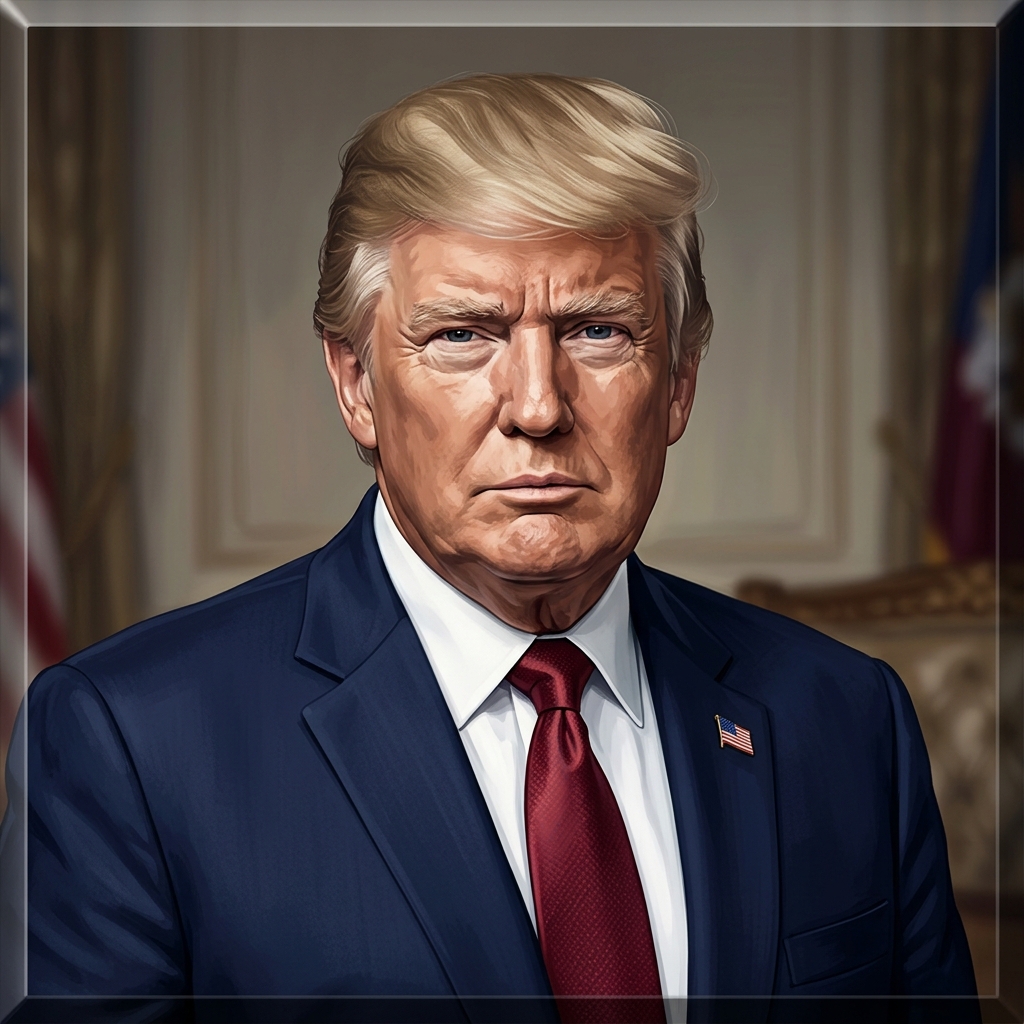
Trump and JD Vance

VS
War critics
?
No actors in this side.
No actors in this side.
After Republicans lost control of both the US House and Senate to the Democrats, President Trump and Vice President Vance attributed the loss largely to the controversial Iran war.
Trump maintained the war was necessary despite its political cost.
*AI-generated summary of publicly available data. This is not an official statement of any party.
*AI-generated summary of publicly available statements and reporting. This is not an official statement of this party.
Supporters of Trump and JD Vance argue that the Iran war was a necessary defense of national security and inherited alliances, and they contend that abandoning such obligations for electoral gain erodes the steady, principled leadership the country has long upheld.
Supporters of Trump and JD Vance argue that defending inherited alliances and standing firm against Iran reflects a duty to preserve national honor and security, even when the public's judgment at the polls proves costly.
Supporters of Trump and JD Vance counter that cultural identity is strengthened, not undermined, when a nation asserts sovereignty abroad, and they read the midterm results as a rejection of the prior administration's policies rather than of that vision.
Supporters of Trump and JD Vance argue that the president possessed lawful constitutional authority to order the Iran military action, and they maintain that the war's electoral cost does not render the underlying legal basis invalid.
Supporters of Trump and JD Vance argue that the war's legal authorization rested on executive and congressional war powers, and they maintain that the electoral loss does not render the military action unlawful.
Supporters of Trump and JD Vance counter that Article II vests the President with independent commander-in-chief authority, so limited military action can fall within executive power without prior congressional authorization.
Supporters of Trump and JD Vance argue that admitting the Iran war cost Republicans Congress proves the President put national security over party advantage, and that critics who call it a political blunder misunderstand the price of leadership.
Supporters of Trump and JD Vance argue that the Iran war was a necessary exercise of power, and that blaming the defeat on it is scapegoating—voters punish leaders who act, but allies respect resolve.
Supporters of Trump and JD Vance counter that blaming the war for a midterm loss is itself a strategic concession—an admission that reframes blame and preserves leverage—not proof of miscalculation, since political costs are absorbed to maintain bargaining power.
Supporters of Trump and JD Vance argue that accepting political defeat for a war deemed necessary reflects moral courage, maintaining that leaders should prioritize national security and duty over electoral advantage.
Supporters of Trump and JD Vance argue that moral duty, not electoral gain, justified the Iran war, and that leaders who accept political loss rather than abandon a cause they deem just deserve respect.
Supporters of Trump and JD Vance counter that the moral burden falls on leaders who commit troops without a clear mission or exit, arguing that avoiding vague, open-ended wars better protects both soldiers and civilians.
Supporters of Trump and JD Vance argue that the Iran war was a necessary act of righteous defense, invoking just-war doctrine, and maintain that faithfulness to that moral duty outweighed the election's political cost.
Supporters of Trump and JD Vance argue that the Iran war was a necessary act of righteous defense, invoking just-war doctrine and the duty to protect the innocent, and they maintain that political losses do not negate a moral obligation before God.
Supporters of Trump and JD Vance counter that Scripture charges rulers with the sword to restrain evil, so a president elected as legitimate authority may act decisively against threats without awaiting a theologian's approval.
*AI-generated summary of publicly available statements and reporting. This is not an official statement of this party.
Supporters of War critics argue that a nation's cultural identity and self-determination are undermined when costly foreign wars are waged without genuine public consent, and they point to the Republican midterm defeat as evidence that voters rejected that path.
Supporters of War critics maintain that the Iran war betrayed the America First cultural promise, arguing that nation-building abroad contradicts the sovereignty and identity priorities that grassroots voters expected.
Supporters of War critics counter that casting the war as defending inherited alliances ignores how those alliances were sold to the public, arguing that cultural identity and honest accounting of costs matter more than continuity for its own sake.
Supporters of War critics argue that a war waged without congressional authorization violates constitutional separation of powers, and they maintain that electoral defeat is no substitute for the legal accountability the legislature owed voters.
Supporters of War critics argue that a war initiated without explicit congressional authorization violates the Constitution's separation of powers, and they maintain that electoral defeat is no substitute for the legal accountability the legislature alone can impose.
War critics counter that constitutional war powers reserve offensive military action for Congress, so presidential orders alone cannot supply lawful authority; they argue electoral cost is beside the point.
Supporters of War critics argue that Trump’s own admission—blaming the Iran war for the midterm loss—confirms the war was a costly miscalculation that traded political power for no clear gain.
Supporters of War critics argue that Trump and Vance blaming the Iran war for the midterm loss concedes the critics' core claim: the war was a political liability entered without sufficient public mandate.
War critics counter that framing the loss as noble sacrifice obscures the actual transaction: voters who bore the war's costs without sharing its benefits simply priced that leadership accordingly.
Supporters of War critics argue that a war sold as necessary should not be measured only by electoral cost, and that the moral burden of preventable ecological and human harm falls on those who chose it.
Supporters of War critics argue that a war fought against public will, then blamed on voters, shows contempt for democratic accountability.
War critics counter that moral courage cannot be claimed for a war waged on disputed grounds, arguing that true duty to the nation means sparing civilians and soldiers from a conflict that fails the test of necessity and justice.
Supporters of the War critics argue that a war must meet religious just-war standards of legitimate authority and last resort, and they maintain that the Iran war failed that moral test regardless of the electoral cost.
Supporters of War critics argue that a war costing Republicans both chambers signals a moral failing, maintaining that religious tradition and just-war restraint were abandoned for political ends.
Supporters of War critics counter that just-war doctrine requires legitimate authority and last resort, and they argue that a war sold on disputed claims failed that moral test, making the election's cost a judgment rather than a martyrdom.
AI-generated summary of publicly available statements and reporting. This is not an official statement of this party.
Supporters of Trump and JD Vance argue that the Iran war was a necessary defense of national security and inherited alliances, and they contend that abandoning such obligations for electoral gain erodes the steady, principled leadership the country has long upheld.
Supporters of Trump and JD Vance argue that defending inherited alliances and standing firm against Iran reflects a duty to preserve national honor and security, even when the public's judgment at the polls proves costly.
Supporters of Trump and JD Vance counter that cultural identity is strengthened, not undermined, when a nation asserts sovereignty abroad, and they read the midterm results as a rejection of the prior administration's policies rather than of that vision.
Supporters of Trump and JD Vance argue that the president possessed lawful constitutional authority to order the Iran military action, and they maintain that the war's electoral cost does not render the underlying legal basis invalid.
Supporters of Trump and JD Vance argue that the war's legal authorization rested on executive and congressional war powers, and they maintain that the electoral loss does not render the military action unlawful.
Supporters of Trump and JD Vance counter that Article II vests the President with independent commander-in-chief authority, so limited military action can fall within executive power without prior congressional authorization.
Supporters of Trump and JD Vance argue that admitting the Iran war cost Republicans Congress proves the President put national security over party advantage, and that critics who call it a political blunder misunderstand the price of leadership.
Supporters of Trump and JD Vance argue that the Iran war was a necessary exercise of power, and that blaming the defeat on it is scapegoating—voters punish leaders who act, but allies respect resolve.
Supporters of Trump and JD Vance counter that blaming the war for a midterm loss is itself a strategic concession—an admission that reframes blame and preserves leverage—not proof of miscalculation, since political costs are absorbed to maintain bargaining power.
Supporters of Trump and JD Vance argue that accepting political defeat for a war deemed necessary reflects moral courage, maintaining that leaders should prioritize national security and duty over electoral advantage.
Supporters of Trump and JD Vance argue that moral duty, not electoral gain, justified the Iran war, and that leaders who accept political loss rather than abandon a cause they deem just deserve respect.
Supporters of Trump and JD Vance counter that the moral burden falls on leaders who commit troops without a clear mission or exit, arguing that avoiding vague, open-ended wars better protects both soldiers and civilians.
Supporters of Trump and JD Vance argue that the Iran war was a necessary act of righteous defense, invoking just-war doctrine, and maintain that faithfulness to that moral duty outweighed the election's political cost.
Supporters of Trump and JD Vance argue that the Iran war was a necessary act of righteous defense, invoking just-war doctrine and the duty to protect the innocent, and they maintain that political losses do not negate a moral obligation before God.
Supporters of Trump and JD Vance counter that Scripture charges rulers with the sword to restrain evil, so a president elected as legitimate authority may act decisively against threats without awaiting a theologian's approval.
Supporters of War critics argue that a nation's cultural identity and self-determination are undermined when costly foreign wars are waged without genuine public consent, and they point to the Republican midterm defeat as evidence that voters rejected that path.
Supporters of War critics maintain that the Iran war betrayed the America First cultural promise, arguing that nation-building abroad contradicts the sovereignty and identity priorities that grassroots voters expected.
Supporters of War critics counter that casting the war as defending inherited alliances ignores how those alliances were sold to the public, arguing that cultural identity and honest accounting of costs matter more than continuity for its own sake.
Supporters of War critics argue that a war waged without congressional authorization violates constitutional separation of powers, and they maintain that electoral defeat is no substitute for the legal accountability the legislature owed voters.
Supporters of War critics argue that a war initiated without explicit congressional authorization violates the Constitution's separation of powers, and they maintain that electoral defeat is no substitute for the legal accountability the legislature alone can impose.
War critics counter that constitutional war powers reserve offensive military action for Congress, so presidential orders alone cannot supply lawful authority; they argue electoral cost is beside the point.
Supporters of War critics argue that Trump’s own admission—blaming the Iran war for the midterm loss—confirms the war was a costly miscalculation that traded political power for no clear gain.
Supporters of War critics argue that Trump and Vance blaming the Iran war for the midterm loss concedes the critics' core claim: the war was a political liability entered without sufficient public mandate.
War critics counter that framing the loss as noble sacrifice obscures the actual transaction: voters who bore the war's costs without sharing its benefits simply priced that leadership accordingly.
Supporters of War critics argue that a war sold as necessary should not be measured only by electoral cost, and that the moral burden of preventable ecological and human harm falls on those who chose it.
Supporters of War critics argue that a war fought against public will, then blamed on voters, shows contempt for democratic accountability.
War critics counter that moral courage cannot be claimed for a war waged on disputed grounds, arguing that true duty to the nation means sparing civilians and soldiers from a conflict that fails the test of necessity and justice.
Supporters of the War critics argue that a war must meet religious just-war standards of legitimate authority and last resort, and they maintain that the Iran war failed that moral test regardless of the electoral cost.
Supporters of War critics argue that a war costing Republicans both chambers signals a moral failing, maintaining that religious tradition and just-war restraint were abandoned for political ends.
Supporters of War critics counter that just-war doctrine requires legitimate authority and last resort, and they argue that a war sold on disputed claims failed that moral test, making the election's cost a judgment rather than a martyrdom.