Trump and Musk

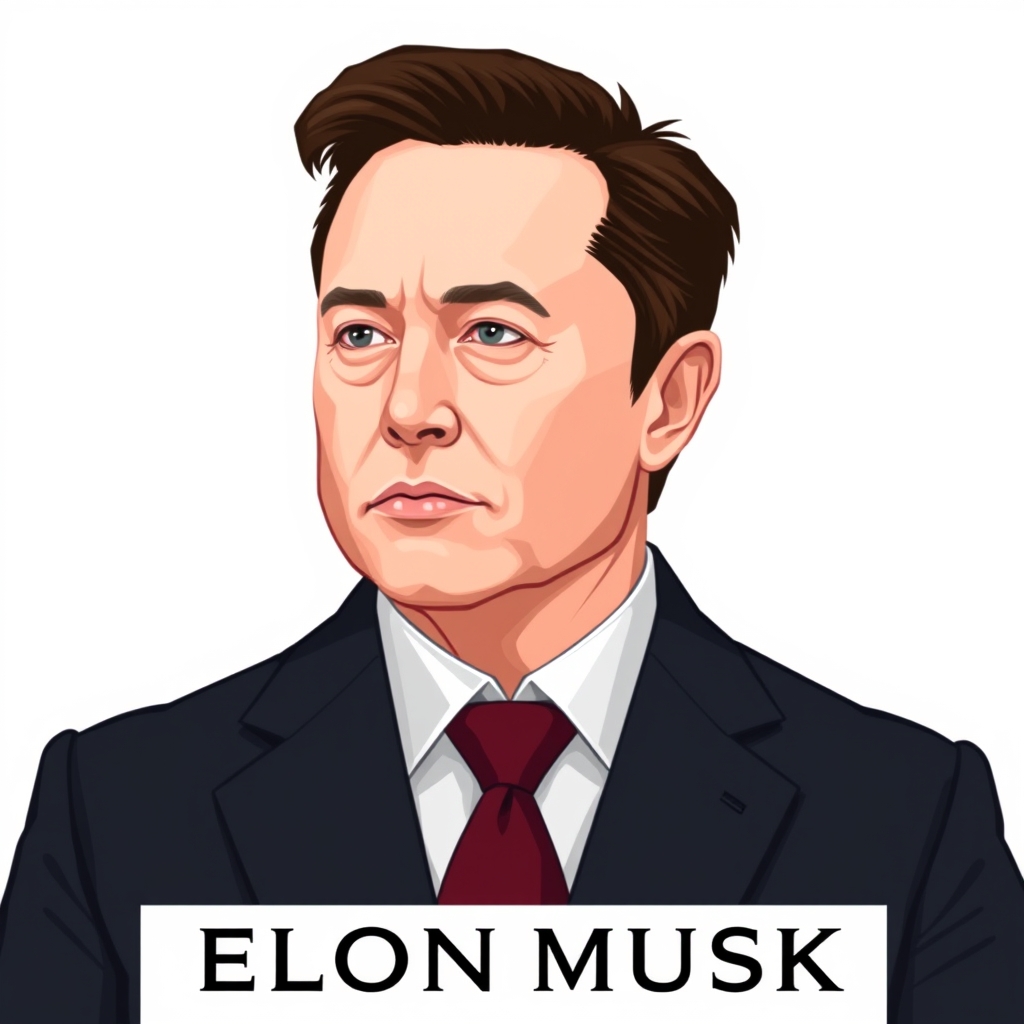
VS
Musk's critics

Reports claim Elon Musk restricted Ukraine's access to the Starlink network, which Ukraine relies on for military communications.
Musk has repeatedly denied restricting access, while Trump says access has been restored.
*AI-generated summary of publicly available data. This is not an official statement of any party.
*AI-generated summary of publicly available statements and reporting. This is not an official statement of this party.
Supporters of Trump and Musk argue that private infrastructure builders like Musk deserve deference over bureaucracies, casting him as a singular innovator whose Starlink decision reflects a long American tradition of private enterprise shaping national security.
Supporters of Trump and Musk argue that Trump's October 23 statement—that Musk restored Ukraine's Starlink access—shows private leadership, not bureaucracy, gets results.
Supporters of Trump and Musk counter that American political culture has always prized the private innovator over the entrenched bureaucrat, so they frame Musk as a self-made disruptor whose accountability comes from results, not inherited institutional pedigree.
Supporters of Trump and Musk argue that Musk publicly denied restricting Starlink access and Trump stated access was restored, so critics alleging a violation should point to concrete evidence rather than unverified reports.
Supporters of Trump and Musk argue that no legal restriction was imposed, since Musk denies limiting access and Trump states Starlink access has been restored, leaving critics' claims unsupported by evidence.
Supporters of Trump and Musk counter that Starlink's terms of service and export-control law already bind the company, and they argue that imposing novel liability on a private provider for geopolitical outcomes lacks clear statutory basis.
Supporters of Trump and Musk argue that Starlink access is leverage, not charity, and that Musk restored it once terms were set—evidence that private control over infrastructure yields concessions no treaty could extract.
Supporters of Trump and Musk argue the Starlink dispute is leverage, not charity: whoever controls the network controls the terms, and Trump's claim of restored access shows pressure, not critics, moved Musk.
Supporters of Trump and Musk counter that withholding battlefield access is itself the leverage play—restoration proves who controls the switch, and Musk's critics mistake the concession for weakness when it signals unilateral command.
Supporters of Trump and Musk argue that restoring Starlink access reflects a moral duty to aid Ukraine's defense, and they cite Trump's statement that access was restored as evidence of good faith.
Supporters of Trump and Musk argue that restoring Starlink access reflects a moral duty to keep a defensive lifeline open, and they maintain that claims of deliberate restriction are unproven and unfair to Musk.
Supporters of Trump and Musk counter that moral accountability belongs to the sovereign government, not a contractor, so a private firm declining to control battlefield communications rightly returns that grave decision to accountable elected officials.
Supporters of Trump and Musk argue that restoring Starlink access reflects a moral duty to protect the vulnerable, and they maintain that such mercy aligns with religious teaching on aiding those in peril.
Supporters of Trump and Musk argue that restoring Starlink access reflects a moral duty of mercy toward the vulnerable, and they maintain that private conscience, not coercion, should guide such decisions.
Supporters of Trump and Musk counter that stewardship of private property is itself a scriptural duty, and that no moral obligation exists to compel a company to provide a service abroad.
*AI-generated summary of publicly available statements and reporting. This is not an official statement of this party.
Supporters of Musk's critics argue that one unelected billionaire privately deciding a nation's wartime communications access shows why cultural norms of accountability and inherited institutional checks must constrain concentrated power.
Supporters of Musk's critics argue that private control over critical wartime infrastructure erodes accountable, sovereign decision-making, and they point to the Starlink episode as evidence that essential services should rest with established public institutions.
Supporters of Musk's critics counter that deference to private infrastructure builders erodes the cultural accountability that public institutions embody, arguing that national security decisions shaped by one unelected innovator bypass the inherited civic traditions a republic r.
Supporters of Musk's critics argue that Starlink's power to switch a nation's battlefield communications on or off demands legal accountability, citing reports of restrictions as evidence that private control over critical infrastructure needs oversight.
Supporters of Musk's critics argue that Starlink's role in Ukraine's military communications raises unresolved legal questions about a private party's discretionary control over infrastructure on which a state's defense depends.
Supporters of Musk's critics counter that public denials carry little legal weight; they argue that documented reports and the Ukrainian government's accounts already constitute evidence, and that credibility is for a court or investigation to weigh, not the accused.
Supporters of Musk's critics argue that a private individual holding a battlefield utility is a leverage problem, and Trump's restoration claim only proves access was withheld — power exercised first, conceded second.
Supporters of Musk's critics argue that control over Starlink gives one man private leverage over a war, and that Trump's restoration claim only proves the point: vital infrastructure shouldn't hinge on a billionaire's whim.
Supporters of Musk's critics counter that leverage cuts both ways: a private owner who can switch infrastructure off to extract terms has shown the power to coerce, not just to bargain—an incentive no treaty restrains.
Supporters of Musk's critics argue that a private individual wielding the power to grant or deny a nation's battlefield communications raises a moral concern about accountability, since such decisions affecting others' survival should not rest on one person's discretion.
Supporters of Musk's critics argue that private control over Starlink gives one individual the power to decide a nation's access to communications, a moral hazard they say no person should hold.
Supporters of Musk's critics counter that a moral duty can't be met by a service whose owner has boasted of disabling it near Crimea, and they argue that citing Trump's statement as good faith sidesteps the question of whether the capability was withheld when it mattered.
Supporters of Musk's critics invoke the moral duty to aid the vulnerable, arguing that withholding Starlink from Ukraine betrays a neighbor in need, and cite scripture's call to defend the defenseless as grounds for holding power accountable.
Supporters of Musk's critics invoke a moral duty to aid the vulnerable, arguing that withholding Starlink from Ukraine betrays scriptural commands to defend the defenseless and warns that failing the innocent invites divine judgment.
Supporters of Musk's critics counter that scripture ties mercy to justice, warning that leveraging aid for political gain risks violating the biblical call to act rightly and love mercy without partiality.
AI-generated summary of publicly available statements and reporting. This is not an official statement of this party.
Supporters of Trump and Musk argue that private infrastructure builders like Musk deserve deference over bureaucracies, casting him as a singular innovator whose Starlink decision reflects a long American tradition of private enterprise shaping national security.
Supporters of Trump and Musk argue that Trump's October 23 statement—that Musk restored Ukraine's Starlink access—shows private leadership, not bureaucracy, gets results.
Supporters of Trump and Musk counter that American political culture has always prized the private innovator over the entrenched bureaucrat, so they frame Musk as a self-made disruptor whose accountability comes from results, not inherited institutional pedigree.
Supporters of Trump and Musk argue that Musk publicly denied restricting Starlink access and Trump stated access was restored, so critics alleging a violation should point to concrete evidence rather than unverified reports.
Supporters of Trump and Musk argue that no legal restriction was imposed, since Musk denies limiting access and Trump states Starlink access has been restored, leaving critics' claims unsupported by evidence.
Supporters of Trump and Musk counter that Starlink's terms of service and export-control law already bind the company, and they argue that imposing novel liability on a private provider for geopolitical outcomes lacks clear statutory basis.
Supporters of Trump and Musk argue that Starlink access is leverage, not charity, and that Musk restored it once terms were set—evidence that private control over infrastructure yields concessions no treaty could extract.
Supporters of Trump and Musk argue the Starlink dispute is leverage, not charity: whoever controls the network controls the terms, and Trump's claim of restored access shows pressure, not critics, moved Musk.
Supporters of Trump and Musk counter that withholding battlefield access is itself the leverage play—restoration proves who controls the switch, and Musk's critics mistake the concession for weakness when it signals unilateral command.
Supporters of Trump and Musk argue that restoring Starlink access reflects a moral duty to aid Ukraine's defense, and they cite Trump's statement that access was restored as evidence of good faith.
Supporters of Trump and Musk argue that restoring Starlink access reflects a moral duty to keep a defensive lifeline open, and they maintain that claims of deliberate restriction are unproven and unfair to Musk.
Supporters of Trump and Musk counter that moral accountability belongs to the sovereign government, not a contractor, so a private firm declining to control battlefield communications rightly returns that grave decision to accountable elected officials.
Supporters of Trump and Musk argue that restoring Starlink access reflects a moral duty to protect the vulnerable, and they maintain that such mercy aligns with religious teaching on aiding those in peril.
Supporters of Trump and Musk argue that restoring Starlink access reflects a moral duty of mercy toward the vulnerable, and they maintain that private conscience, not coercion, should guide such decisions.
Supporters of Trump and Musk counter that stewardship of private property is itself a scriptural duty, and that no moral obligation exists to compel a company to provide a service abroad.
Supporters of Musk's critics argue that one unelected billionaire privately deciding a nation's wartime communications access shows why cultural norms of accountability and inherited institutional checks must constrain concentrated power.
Supporters of Musk's critics argue that private control over critical wartime infrastructure erodes accountable, sovereign decision-making, and they point to the Starlink episode as evidence that essential services should rest with established public institutions.
Supporters of Musk's critics counter that deference to private infrastructure builders erodes the cultural accountability that public institutions embody, arguing that national security decisions shaped by one unelected innovator bypass the inherited civic traditions a republic r.
Supporters of Musk's critics argue that Starlink's power to switch a nation's battlefield communications on or off demands legal accountability, citing reports of restrictions as evidence that private control over critical infrastructure needs oversight.
Supporters of Musk's critics argue that Starlink's role in Ukraine's military communications raises unresolved legal questions about a private party's discretionary control over infrastructure on which a state's defense depends.
Supporters of Musk's critics counter that public denials carry little legal weight; they argue that documented reports and the Ukrainian government's accounts already constitute evidence, and that credibility is for a court or investigation to weigh, not the accused.
Supporters of Musk's critics argue that a private individual holding a battlefield utility is a leverage problem, and Trump's restoration claim only proves access was withheld — power exercised first, conceded second.
Supporters of Musk's critics argue that control over Starlink gives one man private leverage over a war, and that Trump's restoration claim only proves the point: vital infrastructure shouldn't hinge on a billionaire's whim.
Supporters of Musk's critics counter that leverage cuts both ways: a private owner who can switch infrastructure off to extract terms has shown the power to coerce, not just to bargain—an incentive no treaty restrains.
Supporters of Musk's critics argue that a private individual wielding the power to grant or deny a nation's battlefield communications raises a moral concern about accountability, since such decisions affecting others' survival should not rest on one person's discretion.
Supporters of Musk's critics argue that private control over Starlink gives one individual the power to decide a nation's access to communications, a moral hazard they say no person should hold.
Supporters of Musk's critics counter that a moral duty can't be met by a service whose owner has boasted of disabling it near Crimea, and they argue that citing Trump's statement as good faith sidesteps the question of whether the capability was withheld when it mattered.
Supporters of Musk's critics invoke the moral duty to aid the vulnerable, arguing that withholding Starlink from Ukraine betrays a neighbor in need, and cite scripture's call to defend the defenseless as grounds for holding power accountable.
Supporters of Musk's critics invoke a moral duty to aid the vulnerable, arguing that withholding Starlink from Ukraine betrays scriptural commands to defend the defenseless and warns that failing the innocent invites divine judgment.
Supporters of Musk's critics counter that scripture ties mercy to justice, warning that leveraging aid for political gain risks violating the biblical call to act rightly and love mercy without partiality.
Trump states that Elon Musk has restored Ukraine's access to the Starlink network.