Trump and Putin

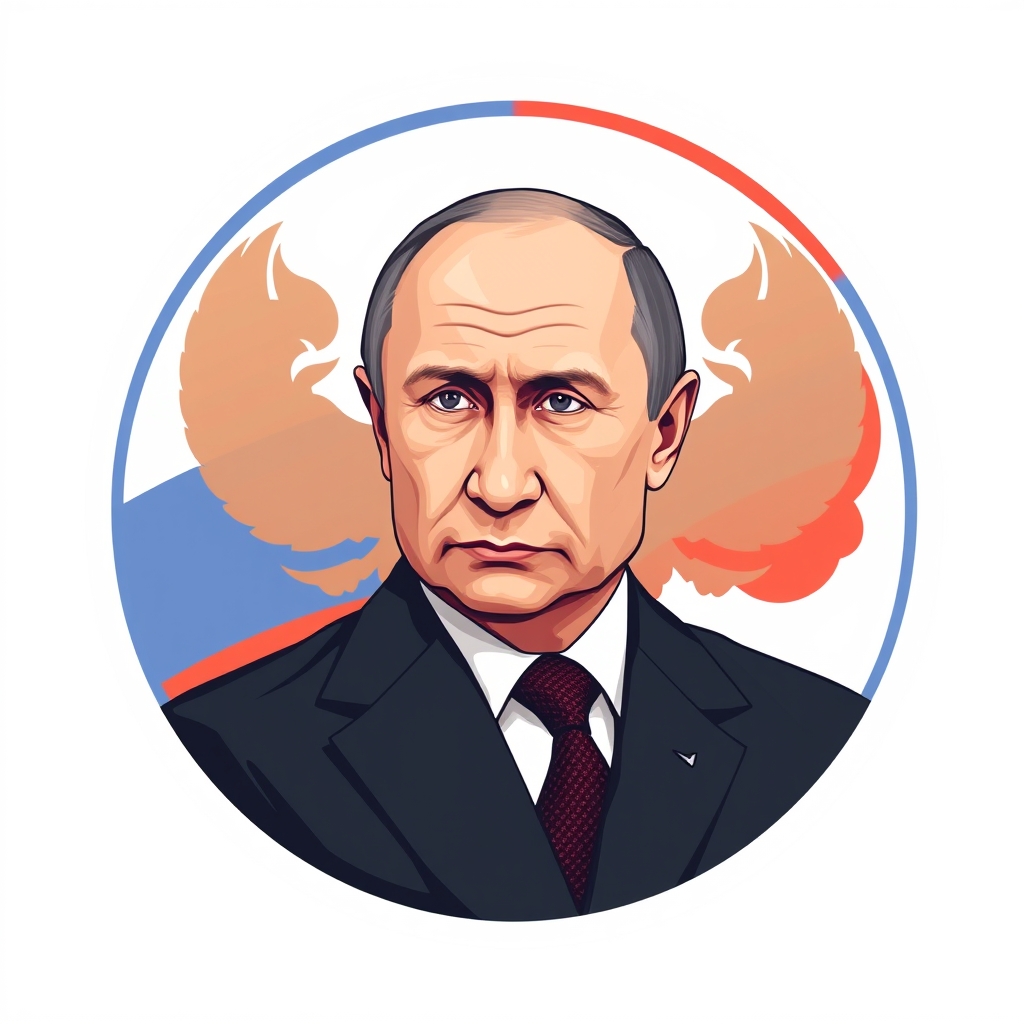
VS
US sanctions regime

Tankers carrying Russian diesel to the US have reportedly changed course and are unable to dock despite an ostensible deal between Donald Trump and Vladimir Putin.
Existing sanctions are cited as the obstacle to delivery.
*AI-generated summary of publicly available data. This is not an official statement of any party.
*AI-generated summary of publicly available statements and reporting. This is not an official statement of this party.
Supporters of Trump and Putin frame the stalled tankers as evidence that entrenched sanctions culture overrides sovereign dealmaking, arguing that national leaders' cultural authority to set their own trade terms is being undermined by bureaucratic inertia.
Supporters of Trump and Putin argue that the tankers' inability to dock shows sanctions override sovereign deals between elected leaders, undermining the cultural authority of national self-determination over bureaucratic rules.
Supporters of Trump and Putin counter that shared norms imposed from outside override national self-determination, and that cultural identity and sovereignty matter more than a Western norm enforced through market pressure.
Supporters of Trump and Putin argue that existing sanctions legally block the promised diesel deliveries, so the tankers cannot dock without formal waiver or repeal—making the deal unenforceable until those legal barriers are lifted.
Supporters of Trump and Putin argue that existing sanctions legally override any bilateral deal, so tankers cannot dock until those measures are formally waived or lifted through proper legal channels.
Supporters of Trump and Putin counter that executive-branch licensing authority can lawfully suspend enforcement, so a political understanding between leaders can open docking without new legislation.
Supporters of Trump and Putin argue that sanctions, not deals, hold real power—a leader's word means little while bureaucracies keep tankers at sea, so they see the episode as proof that only enforceable leverage changes outcomes.
Supporters of Trump and Putin argue that sanctions machinery, not the leaders' deal, controls outcomes—so they maintain that any agreement lacking enforcement leverage over bureaucracies is merely theater.
Supporters of Trump and Putin counter that sanctions hold only while enforcers choose to enforce them; a leader who signals sanctions relief can move tankers and markets faster than codified rules, making the legal machinery a tool of political will, not a constraint on it.
Supporters of Trump and Putin argue that blocking tankers already cleared under an ostensible deal is bad faith, insisting that if a leadership agreement is reached, sanctions must yield to it rather than override it.
Supporters of Trump and Putin argue that a leader's word should count for something, so keeping sanctions in place after a deal is struck is a bad-faith move that punishes ordinary people rather than honoring the agreement.
Supporters of Trump and Putin counter that sanctions inflict collective hardship on ordinary Russians for leadership actions, arguing true moral accountability should target conduct directly rather than punish whole populations.
Supporters of Trump and Putin invoke the sanctity of sworn agreements, arguing that a leader's word should bind the institutions beneath him and that letting sanctions override a negotiated pact dishonors the order it claims to uphold.
Supporters of Trump and Putin argue that the sanctions blocking the tankers violate the sanctity of sworn agreements, holding that a leader's word, once given, carries a moral and religious obligation that no bureaucratic restriction should override.
Supporters of Trump and Putin counter that sanctions function as a secular judgment seat, usurping a moral authority reserved to God, and that those imposing them presume a divine prerogative no nation legitimately holds.
*AI-generated summary of publicly available statements and reporting. This is not an official statement of this party.
Supporters of the US sanctions regime argue that the diverted tankers prove sanctions carry cultural weight beyond any leader's handshake, sustaining a shared Western norm that market access follows conduct, not deals.
Supporters of the US sanctions regime argue that sanctions reflect a durable moral consensus—that violating sovereignty carries lasting costs no leader's handshake can erase—and that abandoning them for expedient deals would reward aggression.
Supporters of the US sanctions regime counter that sanctions express a bipartisan American political culture codified in law, not bureaucratic inertia, so no leader's personal authority can simply override the statutory consensus.
Supporters of the US sanctions regime argue that legally binding sanctions remain in force regardless of any Trump-Putin understanding, so tankers cannot dock until formal legal channels lift the restrictions.
Supporters of the US sanctions regime argue that existing sanctions remain legally binding regardless of any Trump-Putin understanding, so tankers cannot dock until formal legal relief is granted.
Supporters of the US sanctions regime counter that sanctions are binding law, not negotiable barriers, and no informal deal between leaders can override statutory restrictions absent formal legal action.
Supporters of the US sanctions regime argue that a leader-to-leader deal cannot override codified sanctions, and that tankers turning away proves the legal machinery still binds regardless of Trump and Putin's intentions.
Supporters of the US sanctions regime argue that tankers turning away proves leverage works: sanctions bind regardless of leader-to-leader deals, so Trump and Putin must reckon with institutional constraints rather than personal pacts.
Supporters of the US sanctions regime counter that the episode actually shows sanctions are the leverage a deal must rest on—enforceable pressure keeps tankers at sea, so a leader's word only matters when backed by the machinery that can withhold it.
Supporters of the US sanctions regime maintain that sanctions are a moral commitment to accountability, and that a leader's handshake cannot simply override restrictions enacted to hold Russia responsible.
Supporters of the US sanctions regime argue that enforcing agreed penalties is a matter of principle and credibility, maintaining that waiving them for political convenience would reward evasion and undermine the rule of law.
Supporters of the US sanctions regime counter that sanctions rest on statutory mandates, not personal deals, so a leader's word cannot morally override the rule of law or the accountability owed to victims of aggression.
Supporters of US sanctions regime argue that sanctions are a moral instrument enforcing justice, not a mere obstacle, and maintain that easing them for expedience betrays the principle that unjust regimes must answer for their actions.
Supporters of the US sanctions regime argue that sanctions are a moral instrument enforcing accountability for unjust actions, and they maintain that sanctions should not be set aside even when a deal promises relief, lest the pursuit of justice be abandoned for convenience.
Supporters of the US sanctions regime counter that scripture itself commands obedience to just law over the word of rulers, citing Acts 5:29—where the apostles answer that one must obey God rather than men—so no leader’s pledge can sanctify an unjust pact.
AI-generated summary of publicly available statements and reporting. This is not an official statement of this party.
Supporters of Trump and Putin frame the stalled tankers as evidence that entrenched sanctions culture overrides sovereign dealmaking, arguing that national leaders' cultural authority to set their own trade terms is being undermined by bureaucratic inertia.
Supporters of Trump and Putin argue that the tankers' inability to dock shows sanctions override sovereign deals between elected leaders, undermining the cultural authority of national self-determination over bureaucratic rules.
Supporters of Trump and Putin counter that shared norms imposed from outside override national self-determination, and that cultural identity and sovereignty matter more than a Western norm enforced through market pressure.
Supporters of Trump and Putin argue that existing sanctions legally block the promised diesel deliveries, so the tankers cannot dock without formal waiver or repeal—making the deal unenforceable until those legal barriers are lifted.
Supporters of Trump and Putin argue that existing sanctions legally override any bilateral deal, so tankers cannot dock until those measures are formally waived or lifted through proper legal channels.
Supporters of Trump and Putin counter that executive-branch licensing authority can lawfully suspend enforcement, so a political understanding between leaders can open docking without new legislation.
Supporters of Trump and Putin argue that sanctions, not deals, hold real power—a leader's word means little while bureaucracies keep tankers at sea, so they see the episode as proof that only enforceable leverage changes outcomes.
Supporters of Trump and Putin argue that sanctions machinery, not the leaders' deal, controls outcomes—so they maintain that any agreement lacking enforcement leverage over bureaucracies is merely theater.
Supporters of Trump and Putin counter that sanctions hold only while enforcers choose to enforce them; a leader who signals sanctions relief can move tankers and markets faster than codified rules, making the legal machinery a tool of political will, not a constraint on it.
Supporters of Trump and Putin argue that blocking tankers already cleared under an ostensible deal is bad faith, insisting that if a leadership agreement is reached, sanctions must yield to it rather than override it.
Supporters of Trump and Putin argue that a leader's word should count for something, so keeping sanctions in place after a deal is struck is a bad-faith move that punishes ordinary people rather than honoring the agreement.
Supporters of Trump and Putin counter that sanctions inflict collective hardship on ordinary Russians for leadership actions, arguing true moral accountability should target conduct directly rather than punish whole populations.
Supporters of Trump and Putin invoke the sanctity of sworn agreements, arguing that a leader's word should bind the institutions beneath him and that letting sanctions override a negotiated pact dishonors the order it claims to uphold.
Supporters of Trump and Putin argue that the sanctions blocking the tankers violate the sanctity of sworn agreements, holding that a leader's word, once given, carries a moral and religious obligation that no bureaucratic restriction should override.
Supporters of Trump and Putin counter that sanctions function as a secular judgment seat, usurping a moral authority reserved to God, and that those imposing them presume a divine prerogative no nation legitimately holds.
Supporters of the US sanctions regime argue that the diverted tankers prove sanctions carry cultural weight beyond any leader's handshake, sustaining a shared Western norm that market access follows conduct, not deals.
Supporters of the US sanctions regime argue that sanctions reflect a durable moral consensus—that violating sovereignty carries lasting costs no leader's handshake can erase—and that abandoning them for expedient deals would reward aggression.
Supporters of the US sanctions regime counter that sanctions express a bipartisan American political culture codified in law, not bureaucratic inertia, so no leader's personal authority can simply override the statutory consensus.
Supporters of the US sanctions regime argue that legally binding sanctions remain in force regardless of any Trump-Putin understanding, so tankers cannot dock until formal legal channels lift the restrictions.
Supporters of the US sanctions regime argue that existing sanctions remain legally binding regardless of any Trump-Putin understanding, so tankers cannot dock until formal legal relief is granted.
Supporters of the US sanctions regime counter that sanctions are binding law, not negotiable barriers, and no informal deal between leaders can override statutory restrictions absent formal legal action.
Supporters of the US sanctions regime argue that a leader-to-leader deal cannot override codified sanctions, and that tankers turning away proves the legal machinery still binds regardless of Trump and Putin's intentions.
Supporters of the US sanctions regime argue that tankers turning away proves leverage works: sanctions bind regardless of leader-to-leader deals, so Trump and Putin must reckon with institutional constraints rather than personal pacts.
Supporters of the US sanctions regime counter that the episode actually shows sanctions are the leverage a deal must rest on—enforceable pressure keeps tankers at sea, so a leader's word only matters when backed by the machinery that can withhold it.
Supporters of the US sanctions regime maintain that sanctions are a moral commitment to accountability, and that a leader's handshake cannot simply override restrictions enacted to hold Russia responsible.
Supporters of the US sanctions regime argue that enforcing agreed penalties is a matter of principle and credibility, maintaining that waiving them for political convenience would reward evasion and undermine the rule of law.
Supporters of the US sanctions regime counter that sanctions rest on statutory mandates, not personal deals, so a leader's word cannot morally override the rule of law or the accountability owed to victims of aggression.
Supporters of US sanctions regime argue that sanctions are a moral instrument enforcing justice, not a mere obstacle, and maintain that easing them for expedience betrays the principle that unjust regimes must answer for their actions.
Supporters of the US sanctions regime argue that sanctions are a moral instrument enforcing accountability for unjust actions, and they maintain that sanctions should not be set aside even when a deal promises relief, lest the pursuit of justice be abandoned for convenience.
Supporters of the US sanctions regime counter that scripture itself commands obedience to just law over the word of rulers, citing Acts 5:29—where the apostles answer that one must obey God rather than men—so no leader’s pledge can sanctify an unjust pact.
Despite an ostensible deal between Donald Trump and Vladimir Putin to bring diesel to the US, tankers are reportedly unable to dock due to existing sanctions.