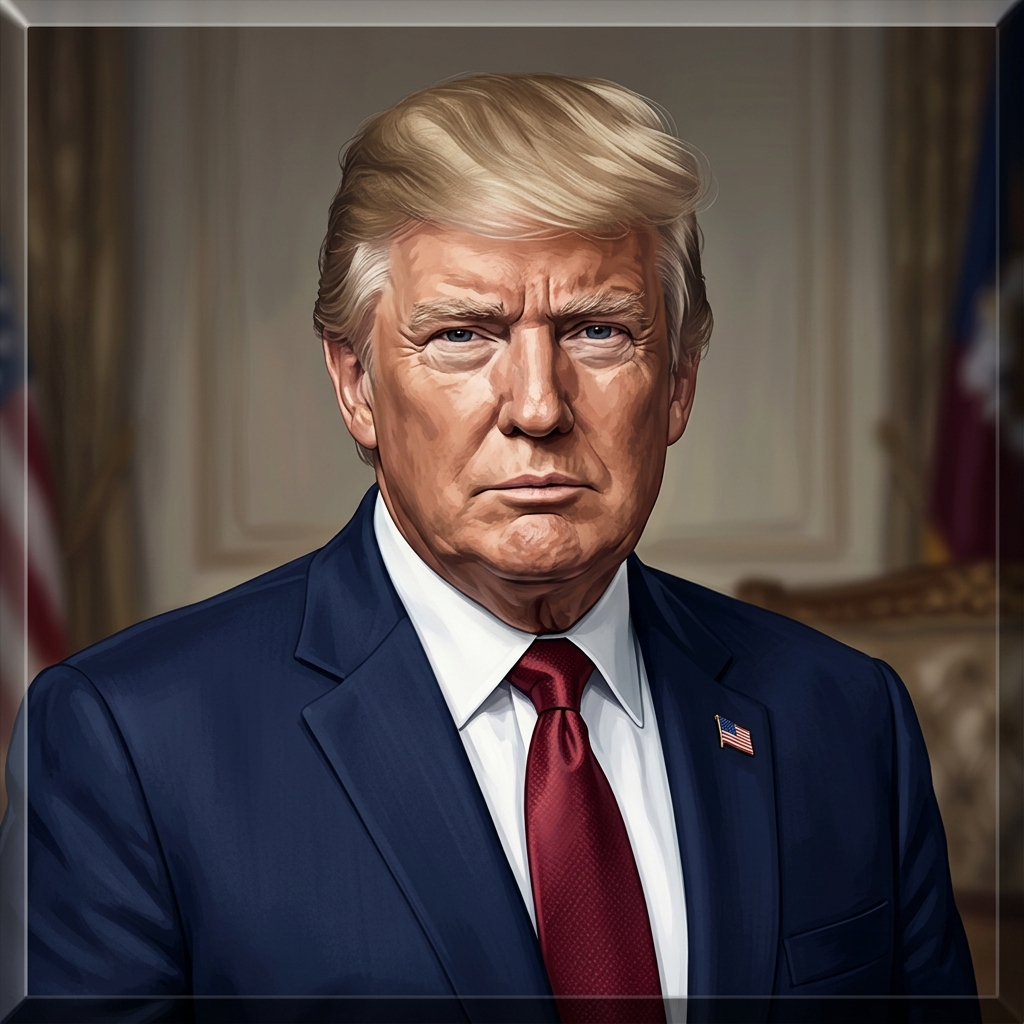
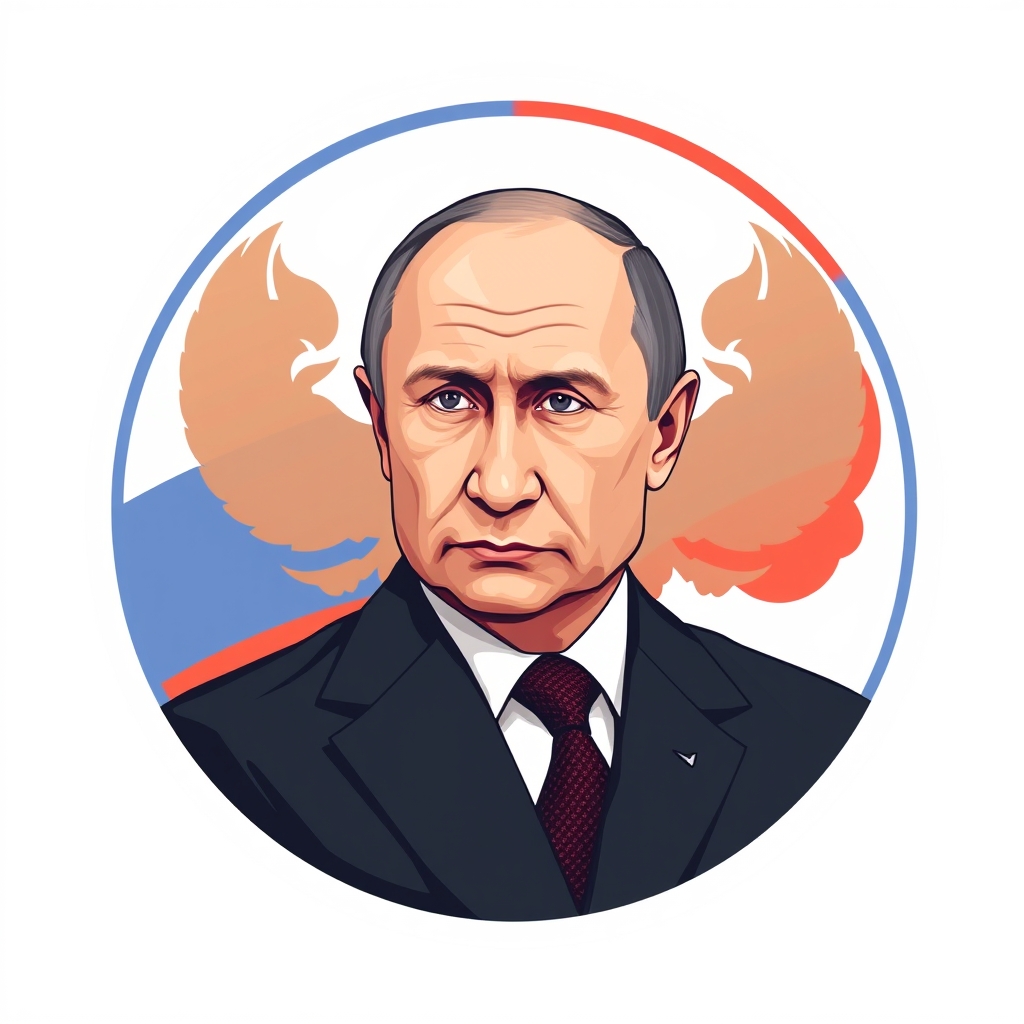
Trump and Putin
VS
Zelenskyy and Republicans

US President Donald Trump announced a deal with Russian President Vladimir Putin to ease sanctions and boost Russian diesel supplies to the United States and global markets.
Ukrainian President Volodymyr Zelenskyy criticized the move as a 'weak decision on the part of strong partners,' and some Republicans have also objected.
*AI-generated summary of publicly available data. This is not an official statement of any party.
*AI-generated summary of publicly available statements and reporting. This is not an official statement of this party.
Supporters of Trump and Putin argue that easing sanctions for diesel reflects a cultural preference for pragmatic dealmaking over prolonged conflict, echoing historical cycles where trade ties outlast political disputes.
Supporters of Trump and Putin argue that past sanctions cycles show economic engagement, not isolation, has historically stabilized rival powers and secured US supply needs.
Supporters of Trump and Putin counter that the West's cultural memory also includes spheres of influence and realpolitik, and they argue that moralizing crusades, not pragmatic deals, have historically prolonged conflicts.
Supporters of Trump and Putin argue the diesel deal is lawful executive action: easing sanctions to boost supply is within presidential authority, and they maintain it lowers energy costs for Americans.
Supporters of Trump and Putin argue that easing sanctions on Russian diesel is a lawful exercise of executive authority over foreign commerce, prioritizing market access and stable energy prices for American consumers.
Supporters of Trump and Putin counter that the president holds broad constitutional authority over sanctions relief and that courts have upheld executive discretion in foreign policy, so congressional mandates may not bind unilateral action.
Supporters of Trump and Putin argue that easing sanctions for diesel is pragmatism: cheap fuel and market leverage matter more than Zelenskyy's moral objections, since outcomes, not sentiment, govern statecraft.
Supporters of Trump and Putin argue that easing sanctions for diesel is pragmatic statecraft: securing energy leverage and lower prices matters more than Zelenskyy's moral objections.
Supporters of Trump and Putin counter that sanctions relief is leverage, not reward: granting it upfront splits Moscow from Beijing and buys room to maneuver, while tying it to concessions forfeits the only card that forces Kyiv to terms.
Supporters of Trump and Putin argue that easing sanctions to secure Russian diesel is a morally defensible choice, prioritizing affordable energy for American and global households over prolonged conflict.
Supporters of Trump and Putin argue the diesel deal eases sanctions to lower fuel costs for Americans, framing cheaper energy as a moral good over prolonging conflict.
Supporters of Trump and Putin counter that easing sanctions is a moral imperative to end civilian suffering, arguing that punishing Russians collectively for their leader's war is itself an unjust form of collective blame.
Supporters of Trump and Putin argue that easing sanctions to secure diesel supplies reflects a moral duty to steward resources and serve the needy, invoking scriptural themes of peacemaking and provision for one's neighbor.
Supporters of Trump and Putin cast the diesel deal as a pragmatic peacemaking act, invoking scripture that blessed are the peacemakers, and argue that easing sanctions to steady global fuel supplies serves the vulnerable.
Supporters of Trump and Putin counter that scripture also commands peacemaking and mercy, and they cite Romans 12:18 to argue that pursuing negotiation over endless war is itself a moral duty owed to the innocent.
*AI-generated summary of publicly available statements and reporting. This is not an official statement of this party.
Supporters of Zelenskyy and Republicans argue that easing sanctions on Putin betrays a long-standing cultural commitment to standing with allies against aggressors, and they warn that abandoning Ukraine erodes the inherited moral order the West has defended.
Supporters of Zelenskyy and Republicans argue that easing sanctions on Putin betrays a longstanding American cultural commitment to standing with allies against aggressors, and warn that abandoning Ukraine erodes the inherited moral order.
Supporters of Zelenskyy and Republicans counter that trading with an aggressor mid-war corrodes the cultural norm of standing by allies, a precedent that outlasts any diesel discount.
Supporters of Zelenskyy and Republicans argue the sanctions easing lacks legal grounding, since Congress mandated restrictions on Russia and Trump cannot unilaterally lift them without lawmakers' approval.
Supporters of Zelenskyy and Republicans argue that easing sanctions on Putin without Ukraine's consent undermines the legal principle that aggressor states must not profit from war.
Supporters of Zelenskyy and Republicans counter that sanctions relief for Russia requires Congress under CAATSA, so a unilateral diesel deal exceeds executive authority and is legally void.
Supporters of Zelenskyy and Republicans argue Trump's Putin diesel deal rewards an adversary for leverage while Ukraine pays the price, so sanctions relief must be tied to concessions, not granted upfront.
Supporters of Zelenskyy and Republicans argue that easing sanctions for diesel enriches Putin's war machine while yielding no durable leverage, and that Trump trades allied trust for a short-term supply fix.
Supporters of Zelenskyy and Republicans counter that sanctions relief is leverage surrendered for nothing: Russia's diesel revenue funds the war, so cheap fuel now buys a stronger adversary later.
Supporters of Zelenskyy and Republicans argue that easing sanctions on Putin rewards aggression, invoking the historical precedent that appeasing expansionist powers emboldens rather than restrains them.
Supporters of Zelenskyy and Republicans argue that easing sanctions on Putin rewards aggression, recalling Munich's precedent: concessions to expansionist powers historically invite further conflict rather than peace.
Supporters of Zelenskyy and Republicans counter that trading sanctions relief for Russian diesel rewards aggression with impunity, making cheap fuel a moral debt paid by Ukraine's dead.
Supporters of Zelenskyy and Republicans argue that easing sanctions on Putin rewards aggression, betraying the moral duty to defend the innocent; they maintain that faith and conscience demand standing with Ukraine, not trading with its attacker.
Supporters of Zelenskyy and Republicans argue that easing sanctions on Putin rewards aggression, and in their view, faith demands standing with the wronged rather than the powerful.
Supporters of Zelenskyy and Republicans counter that Scripture also commands resisting the aggressor and defending the innocent, so easing sanctions rewards conquest rather than peacemaking.
AI-generated summary of publicly available statements and reporting. This is not an official statement of this party.
Supporters of Trump and Putin argue that easing sanctions for diesel reflects a cultural preference for pragmatic dealmaking over prolonged conflict, echoing historical cycles where trade ties outlast political disputes.
Supporters of Trump and Putin argue that past sanctions cycles show economic engagement, not isolation, has historically stabilized rival powers and secured US supply needs.
Supporters of Trump and Putin counter that the West's cultural memory also includes spheres of influence and realpolitik, and they argue that moralizing crusades, not pragmatic deals, have historically prolonged conflicts.
Supporters of Trump and Putin argue the diesel deal is lawful executive action: easing sanctions to boost supply is within presidential authority, and they maintain it lowers energy costs for Americans.
Supporters of Trump and Putin argue that easing sanctions on Russian diesel is a lawful exercise of executive authority over foreign commerce, prioritizing market access and stable energy prices for American consumers.
Supporters of Trump and Putin counter that the president holds broad constitutional authority over sanctions relief and that courts have upheld executive discretion in foreign policy, so congressional mandates may not bind unilateral action.
Supporters of Trump and Putin argue that easing sanctions for diesel is pragmatism: cheap fuel and market leverage matter more than Zelenskyy's moral objections, since outcomes, not sentiment, govern statecraft.
Supporters of Trump and Putin argue that easing sanctions for diesel is pragmatic statecraft: securing energy leverage and lower prices matters more than Zelenskyy's moral objections.
Supporters of Trump and Putin counter that sanctions relief is leverage, not reward: granting it upfront splits Moscow from Beijing and buys room to maneuver, while tying it to concessions forfeits the only card that forces Kyiv to terms.
Supporters of Trump and Putin argue that easing sanctions to secure Russian diesel is a morally defensible choice, prioritizing affordable energy for American and global households over prolonged conflict.
Supporters of Trump and Putin argue the diesel deal eases sanctions to lower fuel costs for Americans, framing cheaper energy as a moral good over prolonging conflict.
Supporters of Trump and Putin counter that easing sanctions is a moral imperative to end civilian suffering, arguing that punishing Russians collectively for their leader's war is itself an unjust form of collective blame.
Supporters of Trump and Putin argue that easing sanctions to secure diesel supplies reflects a moral duty to steward resources and serve the needy, invoking scriptural themes of peacemaking and provision for one's neighbor.
Supporters of Trump and Putin cast the diesel deal as a pragmatic peacemaking act, invoking scripture that blessed are the peacemakers, and argue that easing sanctions to steady global fuel supplies serves the vulnerable.
Supporters of Trump and Putin counter that scripture also commands peacemaking and mercy, and they cite Romans 12:18 to argue that pursuing negotiation over endless war is itself a moral duty owed to the innocent.
Supporters of Zelenskyy and Republicans argue that easing sanctions on Putin betrays a long-standing cultural commitment to standing with allies against aggressors, and they warn that abandoning Ukraine erodes the inherited moral order the West has defended.
Supporters of Zelenskyy and Republicans argue that easing sanctions on Putin betrays a longstanding American cultural commitment to standing with allies against aggressors, and warn that abandoning Ukraine erodes the inherited moral order.
Supporters of Zelenskyy and Republicans counter that trading with an aggressor mid-war corrodes the cultural norm of standing by allies, a precedent that outlasts any diesel discount.
Supporters of Zelenskyy and Republicans argue the sanctions easing lacks legal grounding, since Congress mandated restrictions on Russia and Trump cannot unilaterally lift them without lawmakers' approval.
Supporters of Zelenskyy and Republicans argue that easing sanctions on Putin without Ukraine's consent undermines the legal principle that aggressor states must not profit from war.
Supporters of Zelenskyy and Republicans counter that sanctions relief for Russia requires Congress under CAATSA, so a unilateral diesel deal exceeds executive authority and is legally void.
Supporters of Zelenskyy and Republicans argue Trump's Putin diesel deal rewards an adversary for leverage while Ukraine pays the price, so sanctions relief must be tied to concessions, not granted upfront.
Supporters of Zelenskyy and Republicans argue that easing sanctions for diesel enriches Putin's war machine while yielding no durable leverage, and that Trump trades allied trust for a short-term supply fix.
Supporters of Zelenskyy and Republicans counter that sanctions relief is leverage surrendered for nothing: Russia's diesel revenue funds the war, so cheap fuel now buys a stronger adversary later.
Supporters of Zelenskyy and Republicans argue that easing sanctions on Putin rewards aggression, invoking the historical precedent that appeasing expansionist powers emboldens rather than restrains them.
Supporters of Zelenskyy and Republicans argue that easing sanctions on Putin rewards aggression, recalling Munich's precedent: concessions to expansionist powers historically invite further conflict rather than peace.
Supporters of Zelenskyy and Republicans counter that trading sanctions relief for Russian diesel rewards aggression with impunity, making cheap fuel a moral debt paid by Ukraine's dead.
Supporters of Zelenskyy and Republicans argue that easing sanctions on Putin rewards aggression, betraying the moral duty to defend the innocent; they maintain that faith and conscience demand standing with Ukraine, not trading with its attacker.
Supporters of Zelenskyy and Republicans argue that easing sanctions on Putin rewards aggression, and in their view, faith demands standing with the wronged rather than the powerful.
Supporters of Zelenskyy and Republicans counter that Scripture also commands resisting the aggressor and defending the innocent, so easing sanctions rewards conquest rather than peacemaking.
US President Donald Trump announced a deal with Russian President Vladimir Putin to boost diesel supplies to the US and global markets, easing sanctions.