Trump and Saudi-led coalition
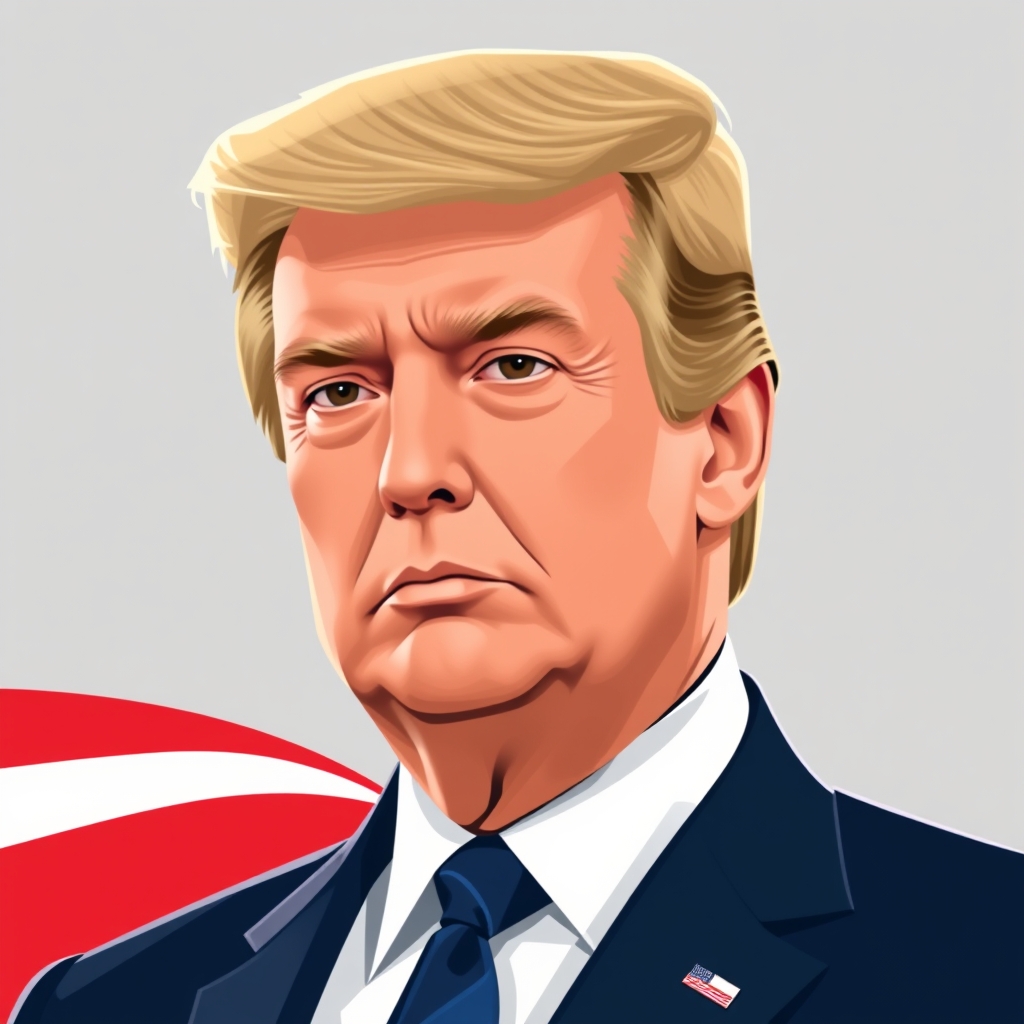
VS
Iran and Houthis

President Trump claims Iran is seeking to develop biological weapons, while the Saudi-led coalition combats Houthi missile attacks, including strikes targeting Riyadh.
The claims and ongoing hostilities reflect the contested conflict between the US/Saudi-led coalition and Iran-backed Houthi forces.
*AI-generated summary of publicly available data. This is not an official statement of any party.
*AI-generated summary of publicly available statements and reporting. This is not an official statement of this party.
Supporters of Trump and Saudi-led coalition argue that defending Riyadh against Houthi missile strikes upholds the cultural continuity and sovereignty of established states against destabilizing forces.
Supporters of Trump and Saudi-led coalition argue that Iran's alleged biological weapons pursuit and Houthi missile strikes on Riyadh threaten the cultural continuity and stability of established regional order.
Supporters of Trump and Saudi-led coalition counter that firing missiles at Riyadh’s civilian spaces targets cultural heritage and daily life, not self-determination, and that defending a homeland is better shown by protecting its people than by striking neighbors’ capitals.
Supporters of Trump and Saudi-led coalition argue that Houthi missile strikes on Riyadh violate international law and states' right to self-defense, justifying coalition countermeasures and scrutiny of Iran's alleged biological weapons program.
Supporters of Trump and Saudi-led coalition argue that sovereign self-defense under international law justifies intercepting Houthi missiles aimed at Riyadh, and they cite Trump's biological-weapons claim as grounds for lawful deterrence against Iran.
Supporters of Trump and Saudi-led coalition counter that Article 51 self-defense and collective security provisions don't require UN pre-verification before responding to a documented threat.
Supporters of Trump and Saudi-led coalition argue that Iran's suspected biological weapons ambitions and Houthi missile strikes on Riyadh justify preemptive pressure, treating deterrence as the only currency Tehran respects.
Supporters of Trump and the Saudi-led coalition argue that Iran’s alleged biological-weapons pursuit and Houthi missile strikes on Riyadh justify preemptive pressure, framing deterrence as cheaper than waiting for a verified threat.
Supporters of Trump and the Saudi-led coalition counter that Tehran's missile shipments are leverage regardless of pretext, and that a coalition able to strike without justifying itself has no need to manufacture a biological-weapons claim.
Supporters of Trump and the Saudi-led coalition argue that Iran’s alleged pursuit of biological weapons and Houthi missile strikes on Riyadh make defensive action morally justified.
Supporters of Trump and the Saudi-led coalition argue that a moral duty to protect civilians from weapons of mass destruction and missile strikes on Riyadh justifies confronting Iran and the Houthis.
Supporters of Trump and Saudi-led coalition counter that the moral burden falls on those who launch missiles at civilian cities, and that Houthi strikes on Riyadh remain unjustified regardless of the campaign's origins.
Supporters of Trump and Saudi-led coalition invoke just-war doctrine, arguing that defending Riyadh from Houthi missile strikes is a legitimate exercise of the duty to protect the innocent.
Supporters of Trump and Saudi-led coalition frame the fight as defending the faithful against aggression, invoking just-defense doctrine: they argue scripture obligates protecting innocents from Houthi strikes on Riyadh and Iran's arms.
Supporters of Trump and Saudi-led coalition counter that Saudi Arabia is custodian of Mecca and Medina, hosting millions of pilgrims yearly, and that the coalition's campaign targets Houthi militias, not holy sites.
*AI-generated summary of publicly available statements and reporting. This is not an official statement of this party.
Supporters of Iran and Houthis frame the missile strikes on Riyadh as resistance against foreign intervention, arguing that cultural sovereignty and self-determination justify defending their identity against outside powers.
Supporters of Iran and Houthis frame the missile strikes on Riyadh as resistance against external intervention, arguing that sovereignty and cultural identity justify defending their homeland from foreign-backed pressure.
Supporters of Iran and Houthis counter that Saudi Arabia's own cultural legitimacy is undermined by its reliance on foreign powers, arguing that resistance movements better represent regional identity than a monarchy defended by outside forces.
Supporters of Iran and Houthis argue that Trump's biological-weapons claim lacks legal evidence or UN verification, and maintain that unilateral accusations cannot justify military action under international law.
Supporters of Iran and Houthis argue that Trump's biological-weapons claim lacks legal evidence, and they maintain that Houthi missile strikes on Riyadh are lawful self-defense against a Saudi-led coalition they cast as unlawfully intervening in Yemen.
Supporters of Iran and Houthis counter that the coalition's airstrikes on Yemeni civilians and its blockade breach international humanitarian law, so the legal scrutiny belongs on coalition conduct, not solely on Houthi missile strikes.
Supporters of Iran and Houthis argue the biological-weapons claim is a pretext to justify continued Saudi-led strikes, casting Riyadh-bound missiles as leverage rather than aggression.
Supporters of Iran and Houthis argue the biological-weapons claim is a pretext to justify continued Saudi-U.S. pressure, and that Houthi strikes on Riyadh serve as leverage to force concessions in a war the coalition cannot win outright.
Supporters of Iran and the Houthis counter that the missile strikes are leverage, not aggression—Tehran and its allies read pressure as proof that escalation pays, so deterrence rhetoric only raises the price of any settlement.
Supporters of Iran and Houthis argue that Trump's biological-weapons claim is an unproven pretext to justify continued hostilities, and they frame Houthi strikes on Riyadh as a response to a Saudi-led campaign rather than unprovoked aggression.
Supporters of Iran and Houthis argue that accusations of banned weapons are used to justify continued strikes, and they maintain that moral authority rests with those resisting foreign intervention.
Supporters of Iran and Houthis counter that framing defensive necessity while backing a Saudi bombing campaign on Yemen—widely documented as causing mass civilian harm—inverts the moral claim, making the coalition the aggressor.
Supporters of Iran and Houthis argue that the Saudi-led coalition’s military campaign threatens Islamic holy sites and that defending them is a religious duty.
Supporters of Iran and Houthis argue that religious sovereignty and resistance to foreign intervention justify the Houthis' missile strikes on Riyadh, framing the Saudi-led coalition's campaign as an assault on their faith and self-determination.
Supporters of Iran and Houthis counter that the coalition's reliance on Western arms and its ties to Riyadh undercut any claim to righteous defense, arguing that true protection of the innocent cannot rest on alliances they view as complicit in suffering.
AI-generated summary of publicly available statements and reporting. This is not an official statement of this party.
Supporters of Trump and Saudi-led coalition argue that defending Riyadh against Houthi missile strikes upholds the cultural continuity and sovereignty of established states against destabilizing forces.
Supporters of Trump and Saudi-led coalition argue that Iran's alleged biological weapons pursuit and Houthi missile strikes on Riyadh threaten the cultural continuity and stability of established regional order.
Supporters of Trump and Saudi-led coalition counter that firing missiles at Riyadh’s civilian spaces targets cultural heritage and daily life, not self-determination, and that defending a homeland is better shown by protecting its people than by striking neighbors’ capitals.
Supporters of Trump and Saudi-led coalition argue that Houthi missile strikes on Riyadh violate international law and states' right to self-defense, justifying coalition countermeasures and scrutiny of Iran's alleged biological weapons program.
Supporters of Trump and Saudi-led coalition argue that sovereign self-defense under international law justifies intercepting Houthi missiles aimed at Riyadh, and they cite Trump's biological-weapons claim as grounds for lawful deterrence against Iran.
Supporters of Trump and Saudi-led coalition counter that Article 51 self-defense and collective security provisions don't require UN pre-verification before responding to a documented threat.
Supporters of Trump and Saudi-led coalition argue that Iran's suspected biological weapons ambitions and Houthi missile strikes on Riyadh justify preemptive pressure, treating deterrence as the only currency Tehran respects.
Supporters of Trump and the Saudi-led coalition argue that Iran’s alleged biological-weapons pursuit and Houthi missile strikes on Riyadh justify preemptive pressure, framing deterrence as cheaper than waiting for a verified threat.
Supporters of Trump and the Saudi-led coalition counter that Tehran's missile shipments are leverage regardless of pretext, and that a coalition able to strike without justifying itself has no need to manufacture a biological-weapons claim.
Supporters of Trump and the Saudi-led coalition argue that Iran’s alleged pursuit of biological weapons and Houthi missile strikes on Riyadh make defensive action morally justified.
Supporters of Trump and the Saudi-led coalition argue that a moral duty to protect civilians from weapons of mass destruction and missile strikes on Riyadh justifies confronting Iran and the Houthis.
Supporters of Trump and Saudi-led coalition counter that the moral burden falls on those who launch missiles at civilian cities, and that Houthi strikes on Riyadh remain unjustified regardless of the campaign's origins.
Supporters of Trump and Saudi-led coalition invoke just-war doctrine, arguing that defending Riyadh from Houthi missile strikes is a legitimate exercise of the duty to protect the innocent.
Supporters of Trump and Saudi-led coalition frame the fight as defending the faithful against aggression, invoking just-defense doctrine: they argue scripture obligates protecting innocents from Houthi strikes on Riyadh and Iran's arms.
Supporters of Trump and Saudi-led coalition counter that Saudi Arabia is custodian of Mecca and Medina, hosting millions of pilgrims yearly, and that the coalition's campaign targets Houthi militias, not holy sites.
Supporters of Iran and Houthis frame the missile strikes on Riyadh as resistance against foreign intervention, arguing that cultural sovereignty and self-determination justify defending their identity against outside powers.
Supporters of Iran and Houthis frame the missile strikes on Riyadh as resistance against external intervention, arguing that sovereignty and cultural identity justify defending their homeland from foreign-backed pressure.
Supporters of Iran and Houthis counter that Saudi Arabia's own cultural legitimacy is undermined by its reliance on foreign powers, arguing that resistance movements better represent regional identity than a monarchy defended by outside forces.
Supporters of Iran and Houthis argue that Trump's biological-weapons claim lacks legal evidence or UN verification, and maintain that unilateral accusations cannot justify military action under international law.
Supporters of Iran and Houthis argue that Trump's biological-weapons claim lacks legal evidence, and they maintain that Houthi missile strikes on Riyadh are lawful self-defense against a Saudi-led coalition they cast as unlawfully intervening in Yemen.
Supporters of Iran and Houthis counter that the coalition's airstrikes on Yemeni civilians and its blockade breach international humanitarian law, so the legal scrutiny belongs on coalition conduct, not solely on Houthi missile strikes.
Supporters of Iran and Houthis argue the biological-weapons claim is a pretext to justify continued Saudi-led strikes, casting Riyadh-bound missiles as leverage rather than aggression.
Supporters of Iran and Houthis argue the biological-weapons claim is a pretext to justify continued Saudi-U.S. pressure, and that Houthi strikes on Riyadh serve as leverage to force concessions in a war the coalition cannot win outright.
Supporters of Iran and the Houthis counter that the missile strikes are leverage, not aggression—Tehran and its allies read pressure as proof that escalation pays, so deterrence rhetoric only raises the price of any settlement.
Supporters of Iran and Houthis argue that Trump's biological-weapons claim is an unproven pretext to justify continued hostilities, and they frame Houthi strikes on Riyadh as a response to a Saudi-led campaign rather than unprovoked aggression.
Supporters of Iran and Houthis argue that accusations of banned weapons are used to justify continued strikes, and they maintain that moral authority rests with those resisting foreign intervention.
Supporters of Iran and Houthis counter that framing defensive necessity while backing a Saudi bombing campaign on Yemen—widely documented as causing mass civilian harm—inverts the moral claim, making the coalition the aggressor.
Supporters of Iran and Houthis argue that the Saudi-led coalition’s military campaign threatens Islamic holy sites and that defending them is a religious duty.
Supporters of Iran and Houthis argue that religious sovereignty and resistance to foreign intervention justify the Houthis' missile strikes on Riyadh, framing the Saudi-led coalition's campaign as an assault on their faith and self-determination.
Supporters of Iran and Houthis counter that the coalition's reliance on Western arms and its ties to Riyadh undercut any claim to righteous defense, arguing that true protection of the innocent cannot rest on alliances they view as complicit in suffering.
Saudi-led coalition says it intercepted three missiles as IRGC claims it downed a US MQ-9 drone over Strait of Hormuz.
President Trump claims Iran is seeking to develop biological weapons.
Houthi forces launch missile attacks targeting Riyadh, which the Saudi-led coalition combats.