Trump and tech bosses
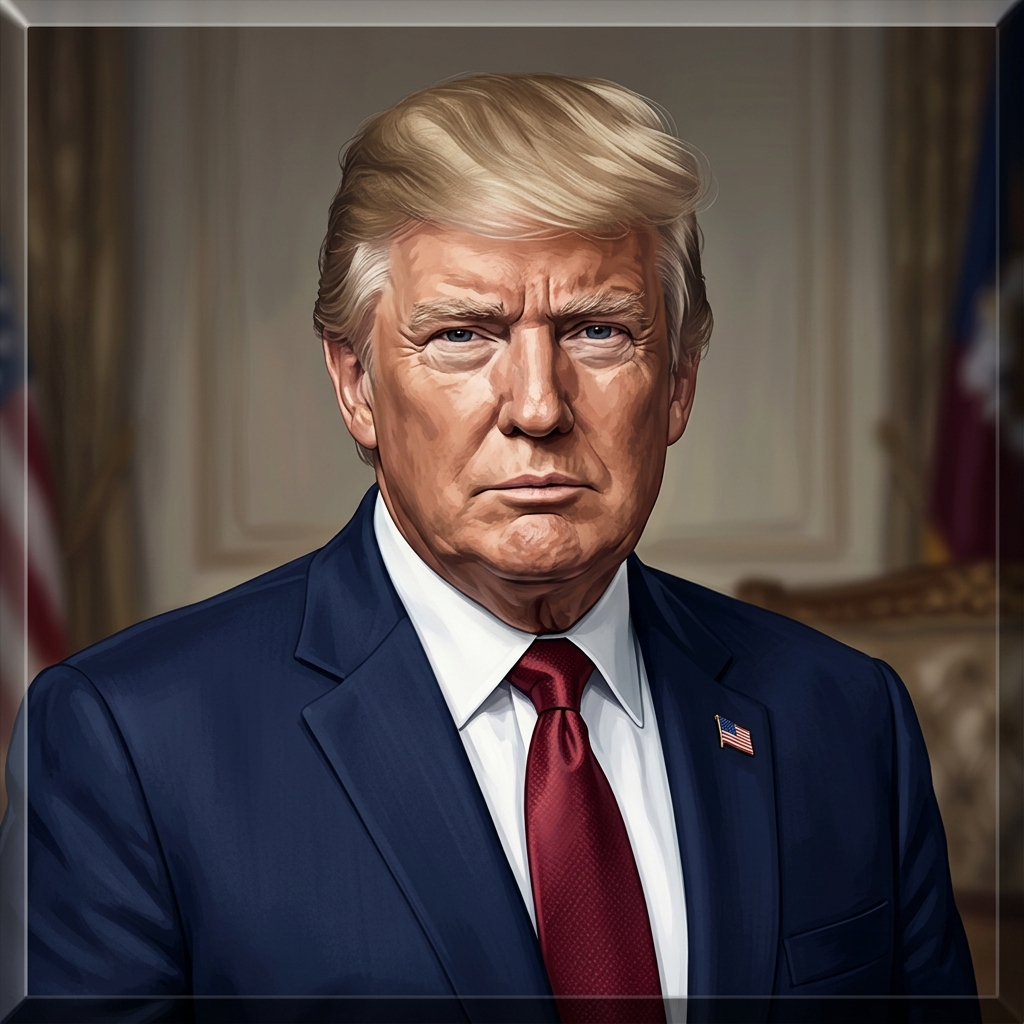
VS
International community and industry


The two sides in this debate are the Trump administration together with leaders of major US technology and AI companies, and the international community together with parts of the technology industry that favor formal AI regulation.
The first group includes President Donald Trump and executives such as OpenAI's Greg Brockman, Google's Sundar Pichai, Meta's Mark Zuckerberg, and Nvidia's Jensen Huang, who met at a White House summit on AI.
The second group comprises international bodies and industry voices that have called for binding, formal rules to govern AI development.
The disagreement centers on how AI should be governed.
Trump and the tech leaders signed a voluntary accord on AI safety that Trump described as "morally binding," promoting self-regulation by companies rather than government mandates.
The international community and some industry actors argue that voluntary commitments are insufficient and continue to call for formal, enforceable rules.
The accord's voluntary nature and the absence of detailed enforcement mechanisms have drawn scrutiny, with observers noting that the commitments are not legally binding.
The debate reflects broader questions about whether self-regulation by technology companies can adequately address AI risks or whether formal regulation is necessary.
*AI-generated summary of publicly available data. This is not an official statement of any party.
*AI-generated summary of publicly available statements and reporting. This is not an official statement of this party.
Supporters of Trump and tech bosses argue that voluntary AI safeguards preserve America's tradition of private initiative and self-governance over bureaucratic mandates from abroad.
Supporters of Trump and tech bosses argue that self-regulation reflects America's tradition of voluntary stewardship, preserving innovation and cultural continuity over imposed bureaucratic rules.
Supporters of Trump and tech bosses counter that binding global AI rules impose one culture's values on all societies, whereas voluntary pledges let distinct communities shape technology around their own inherited traditions and norms.
Supporters of Trump and tech bosses argue that a voluntary pact, not binding international rules, keeps AI governance within national legal authority and preserves sovereignty.
Supporters of Trump and tech bosses argue that voluntary self-regulation, not formal international rules, best preserves U.S. legal sovereignty over AI development.
Supporters of Trump and tech bosses counter that binding international AI rules would subordinate U.S. law to unaccountable foreign bodies, so they favor enforceable bilateral deals and federal statutes that keep legal authority within national borders.
Supporters of Trump and tech bosses argue voluntary AI safeguards let firms outpace rivals without ceding leverage to slower international regulators, keeping power and capital in friendly hands.
Supporters of Trump and tech bosses argue voluntary AI safeguards keep innovation and leverage in American hands, since formal international rules would cede advantage to rivals and slow the very edge they hold.
Supporters of Trump and tech bosses counter that binding rules hand leverage to rivals abroad, so voluntary pacts keep AI dominance and enforcement power in American hands.
Supporters of Trump and tech bosses argue that voluntary AI safeguards reflect moral trust in innovators, contending that self-regulation keeps ethical progress fast and flexible where formal rules would stall it.
Supporters of Trump and tech bosses argue that voluntary AI safeguards reflect moral trust in innovators, contending that self-regulation lets builders protect users faster than slow formal rules could.
Supporters of Trump and tech bosses counter that voluntary safeguards reflect moral leadership, since innovators closest to the technology bear the clearest duty to steer it toward human benefit, and binding rules would cede that responsibility to slower bodies.
Supporters of Trump and tech bosses argue that voluntary AI safeguards reflect a moral trust in conscience and stewardship, invoking faith that private actors answer to a higher law without coercive state mandates.
Supporters of Trump and tech bosses argue that voluntary AI safeguards honor human dignity and moral responsibility, invoking stewardship of creation under divine law rather than coercive state mandates.
Supporters of Trump and tech bosses counter that binding global AI rules would let secular bodies override religious communities, citing faith traditions that hold conscience, not central authority, as the guard against tyranny.
*AI-generated summary of publicly available statements and reporting. This is not an official statement of this party.
Supporters of the international community and industry argue that voluntary AI pledges lack cultural accountability, since self-regulation cannot protect diverse societies from harms that formal, binding rules would address.
Supporters of the international community and industry argue that voluntary AI pacts lack cultural accountability, and they maintain that formal rules are needed to protect diverse societies from unilateral tech governance.
Supporters of the international community counter that culture is not static, arguing that AI norms are being written globally and that voluntary pledges risk letting a single national tradition dictate terms for everyone else.
Supporters of the international community and industry argue that voluntary AI pacts lack enforceability, so formal legal rules are needed to create binding accountability and consistent standards.
Supporters of the international community and industry argue that voluntary AI pledges lack enforceable legal obligations, so binding rules are needed to ensure accountability and consistent safeguards.
Supporters of the international community and industry counter that voluntary pacts lack enforceability, so binding international rules are needed to establish legal accountability for AI harms across borders.
Supporters of the international community and industry argue voluntary AI pacts are unenforceable theater; they maintain binding rules are needed because self-regulation leaves power and incentives with firms, not the public.
Supporters of the international community and industry argue that voluntary AI pacts are unenforceable gestures, and that whoever writes binding rules gains lasting leverage over the technology's future.
Supporters of international community and industry counter that voluntary pledges are unenforceable theater; firms defect once rivals do, so binding rules lock in advantage before a rival's unchecked AI rewrites the balance of power.
Supporters of the international community and industry argue that voluntary AI safeguards place corporate profit above public safety, and that historical precedent shows self-regulation often fails when accountability is optional rather than binding.
Supporters of the international community and industry argue that voluntary AI pledges, echoing past self-regulation failures, lack the moral accountability formal rules provide; in their view, safeguarding the public is a duty, not an option.
Supporters of international community and industry counter that moral trust without accountability invites harm, since historical precedent shows voluntary codes often fail when profit conflicts with safety, making binding norms the ethical baseline.
Supporters of the international community and industry argue that AI governance must rest on enduring moral law, not voluntary pledges, since religious tradition teaches that human authority needs binding limits to guard the vulnerable.
Supporters of the international community and industry argue that AI governance requires formal, binding rules rooted in shared moral duty, not voluntary pledges, since safeguarding creation demands accountable stewardship beyond self-interest.
Supporters of the international community and industry counter that conscience untethered from shared religious and legal tradition invites private power to define its own moral law, so binding global norms remain the safeguard of the common good.
AI-generated summary of publicly available statements and reporting. This is not an official statement of this party.
Supporters of Trump and tech bosses argue that voluntary AI safeguards preserve America's tradition of private initiative and self-governance over bureaucratic mandates from abroad.
Supporters of Trump and tech bosses argue that self-regulation reflects America's tradition of voluntary stewardship, preserving innovation and cultural continuity over imposed bureaucratic rules.
Supporters of Trump and tech bosses counter that binding global AI rules impose one culture's values on all societies, whereas voluntary pledges let distinct communities shape technology around their own inherited traditions and norms.
Supporters of Trump and tech bosses argue that a voluntary pact, not binding international rules, keeps AI governance within national legal authority and preserves sovereignty.
Supporters of Trump and tech bosses argue that voluntary self-regulation, not formal international rules, best preserves U.S. legal sovereignty over AI development.
Supporters of Trump and tech bosses counter that binding international AI rules would subordinate U.S. law to unaccountable foreign bodies, so they favor enforceable bilateral deals and federal statutes that keep legal authority within national borders.
Supporters of Trump and tech bosses argue voluntary AI safeguards let firms outpace rivals without ceding leverage to slower international regulators, keeping power and capital in friendly hands.
Supporters of Trump and tech bosses argue voluntary AI safeguards keep innovation and leverage in American hands, since formal international rules would cede advantage to rivals and slow the very edge they hold.
Supporters of Trump and tech bosses counter that binding rules hand leverage to rivals abroad, so voluntary pacts keep AI dominance and enforcement power in American hands.
Supporters of Trump and tech bosses argue that voluntary AI safeguards reflect moral trust in innovators, contending that self-regulation keeps ethical progress fast and flexible where formal rules would stall it.
Supporters of Trump and tech bosses argue that voluntary AI safeguards reflect moral trust in innovators, contending that self-regulation lets builders protect users faster than slow formal rules could.
Supporters of Trump and tech bosses counter that voluntary safeguards reflect moral leadership, since innovators closest to the technology bear the clearest duty to steer it toward human benefit, and binding rules would cede that responsibility to slower bodies.
Supporters of Trump and tech bosses argue that voluntary AI safeguards reflect a moral trust in conscience and stewardship, invoking faith that private actors answer to a higher law without coercive state mandates.
Supporters of Trump and tech bosses argue that voluntary AI safeguards honor human dignity and moral responsibility, invoking stewardship of creation under divine law rather than coercive state mandates.
Supporters of Trump and tech bosses counter that binding global AI rules would let secular bodies override religious communities, citing faith traditions that hold conscience, not central authority, as the guard against tyranny.
Supporters of the international community and industry argue that voluntary AI pledges lack cultural accountability, since self-regulation cannot protect diverse societies from harms that formal, binding rules would address.
Supporters of the international community and industry argue that voluntary AI pacts lack cultural accountability, and they maintain that formal rules are needed to protect diverse societies from unilateral tech governance.
Supporters of the international community counter that culture is not static, arguing that AI norms are being written globally and that voluntary pledges risk letting a single national tradition dictate terms for everyone else.
Supporters of the international community and industry argue that voluntary AI pacts lack enforceability, so formal legal rules are needed to create binding accountability and consistent standards.
Supporters of the international community and industry argue that voluntary AI pledges lack enforceable legal obligations, so binding rules are needed to ensure accountability and consistent safeguards.
Supporters of the international community and industry counter that voluntary pacts lack enforceability, so binding international rules are needed to establish legal accountability for AI harms across borders.
Supporters of the international community and industry argue voluntary AI pacts are unenforceable theater; they maintain binding rules are needed because self-regulation leaves power and incentives with firms, not the public.
Supporters of the international community and industry argue that voluntary AI pacts are unenforceable gestures, and that whoever writes binding rules gains lasting leverage over the technology's future.
Supporters of international community and industry counter that voluntary pledges are unenforceable theater; firms defect once rivals do, so binding rules lock in advantage before a rival's unchecked AI rewrites the balance of power.
Supporters of the international community and industry argue that voluntary AI safeguards place corporate profit above public safety, and that historical precedent shows self-regulation often fails when accountability is optional rather than binding.
Supporters of the international community and industry argue that voluntary AI pledges, echoing past self-regulation failures, lack the moral accountability formal rules provide; in their view, safeguarding the public is a duty, not an option.
Supporters of international community and industry counter that moral trust without accountability invites harm, since historical precedent shows voluntary codes often fail when profit conflicts with safety, making binding norms the ethical baseline.
Supporters of the international community and industry argue that AI governance must rest on enduring moral law, not voluntary pledges, since religious tradition teaches that human authority needs binding limits to guard the vulnerable.
Supporters of the international community and industry argue that AI governance requires formal, binding rules rooted in shared moral duty, not voluntary pledges, since safeguarding creation demands accountable stewardship beyond self-interest.
Supporters of the international community and industry counter that conscience untethered from shared religious and legal tradition invites private power to define its own moral law, so binding global norms remain the safeguard of the common good.
Trump touts self-regulation amid calls for formal rules by international community and industry .
President Donald Trump met with top technology executives, including Meta CEO Mark Zuckerberg, Google CEO Sundar Pichai, Nvidia CEO Jensen Huang, and OpenAI President Greg Brockman, at the White House to discuss AI policy.
Following the summit, tech CEOs said they agreed on an AI safety "accord," but it appeared voluntary, with Trump calling it "morally binding."
Donald Trump announced that the heads of the largest US tech and AI companies had signed on to a "morally binding" agreement to put safeguards on AI development.