Senate hearing questioners

VS
Trump election security nominee
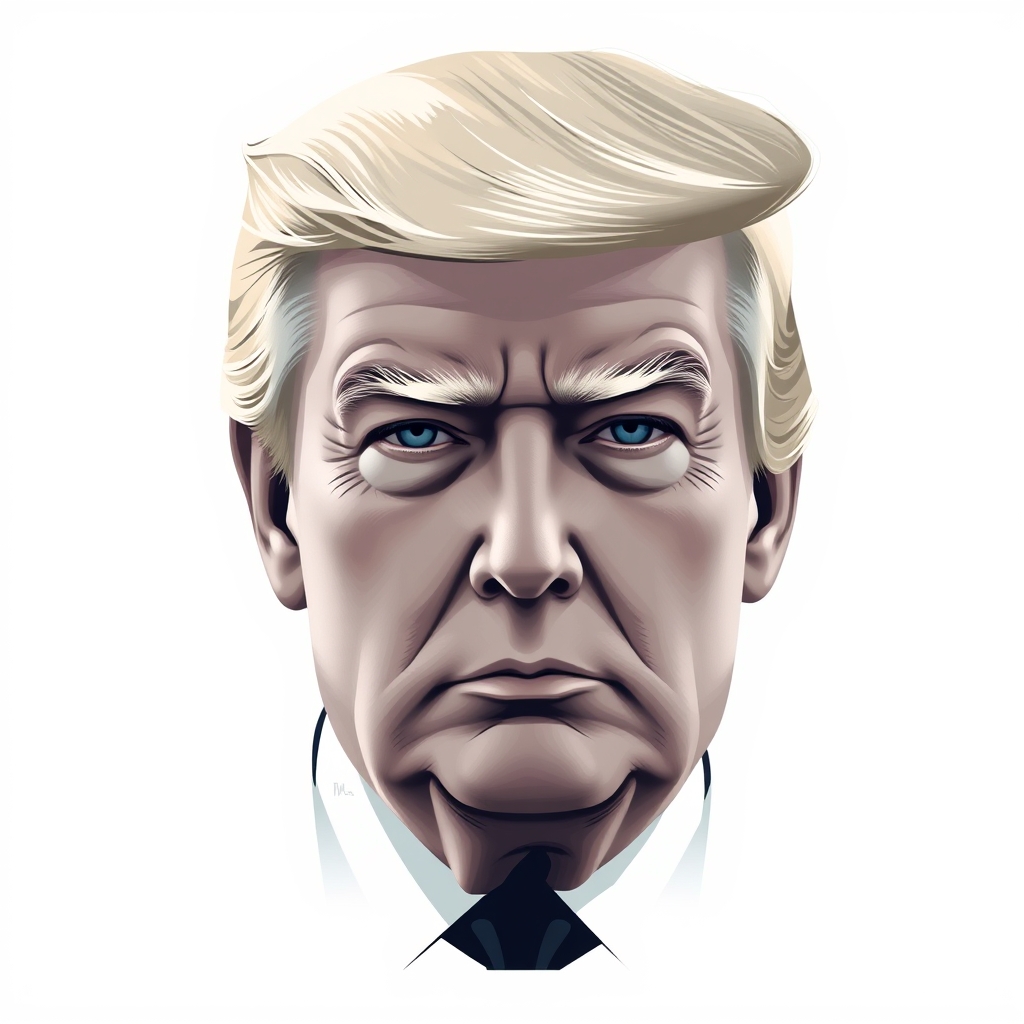
Trump's nominee to lead the US agency responsible for election security declined to describe the January 6 insurrection as an 'attack' during a Senate hearing.
The exchange highlights disagreement over how to characterize the events of January 6.
*AI-generated summary of publicly available data. This is not an official statement of any party.
*AI-generated summary of publicly available statements and reporting. This is not an official statement of this party.
Supporters of the Senate hearing questioners argue that a nominee's refusal to name January 6 an attack signals a cultural shift in how institutions frame political violence.
Supporters of Senate hearing questioners argue that a nominee's refusal to name January 6 an attack signals a cultural shift in how institutions sanitize political violence.
Senate hearing questioners counter that precedent-bound language has itself been culturally loaded, noting past hearings where neutral terms masked voter suppression, so they argue the vocabulary of "attack" reflects lived experience rather than political framing.
Supporters of the Senate hearing questioners argue that the nominee's refusal to call January 6 an attack shows a legal duty to accurately characterize the event is being avoided, undermining accountability.
Supporters of Senate hearing questioners argue that a nominee's refusal to call January 6 an attack raises legal concerns about impartiality in enforcing election law.
Supporters of the Senate hearing questioners counter that statutory precision cannot excuse a nominee's reluctance to plainly acknowledge the facts of January 6, since the legal meaning of "attack" is settled and the record itself supplies the answer.
Supporters of the Senate hearing questioners argue the refusal to label January 6 an attack is a loyalty test to Trump, and that pressing the nominee is about exposing whose interests the election security agency would actually serve.
Supporters of the Senate hearing questioners argue the refusal to call January 6 an attack is a loyalty test to Trump, and that pressing the nominee is about denying power to anyone who won't name the threat plainly.
Supporters of the Senate hearing questioners counter that refusing the "attack" label is less strategic caution than self-protection: a nominee who won't name a documented threat signals loyalty to power over duty, and questioners argue that ambiguity costs more credibility than.
Supporters of Senate hearing questioners argue that a nominee to lead election security has a moral duty to plainly name January 6 as an attack, since refusing to do so signals tolerance of political violence.
Supporters of the Senate hearing questioners argue that a nominee to lead election security has a moral duty to name January 6 plainly as an attack, and that refusing to do so signals a dangerous willingness to soften threats to democracy.
Supporters of the Senate hearing questioners counter that impartiality is not neutrality about voter access, arguing that refusing to name documented threats signals a moral failure to protect the voters an agency exists to serve.
Supporters of the Senate hearing questioners argue that moral clarity about January 6 is a duty of conscience, maintaining that a nominee who will not name the attack plainly cannot be trusted to guard the integrity of elections.
Supporters of the Senate hearing questioners argue that moral clarity about January 6 is a religious duty, maintaining that a nominee sworn to protect elections must name an attack on the seat of government plainly, since bearing false witness erodes the trust ordered society dep.
Supporters of the Senate hearing questioners counter that swearing an oath to uphold the law is itself a moral act, and that houses of worship cannot alone carry the duty of naming violence when a security office is asked to protect the vote.
*AI-generated summary of publicly available statements and reporting. This is not an official statement of this party.
Supporters of Trump's election security nominee argue that contested labels like "attack" carry cultural weight and that preserving neutral, precedent-bound language protects institutions from political framing.
Supporters of Trump's election security nominee argue that contested labels like "attack" carry political weight, and that preserving neutral institutional language protects the continuity and credibility of election administration.
Supporters of the Trump election security nominee counter that contested labels like "attack" versus "protest" are themselves the cultural shift, and that inherited institutional norms favor letting courts and voters, not nominees, settle such framing.
Supporters of Trump's election security nominee argue that the legal definition of "attack" carries statutory consequences, so the nominee's careful wording reflects legal precision rather than denial of the events of January 6.
Supporters of Trump's election security nominee argue that the legal characterization of January 6 is a matter for courts and prosecutors, not a confirmation hearing, and that the nominee's refusal to adopt a contested label reflects statutory neutrality.
Supporters of Trump's election security nominee counter that characterizing January 6 is a matter for courts and prosecutors, not a confirmation hearing, and that demanding a nominee adopt a preferred label exceeds the Senate's advice-and-consent role.
Supporters of Trump's election security nominee argue that refusing the "attack" label is calculated positioning: avoiding language that cedes partisan ground, preserving credibility with the base, and denying questioners a rhetorical win.
Supporters of Trump election security nominee argue that refusing the "attack" label is a calculated bid to keep the agency credible with skeptical voters, since controlling the narrative matters more than satisfying Senate questioners.
Supporters of Trump's election security nominee counter that the hearing is itself a loyalty test—questioners demand a soundbite, not governing judgment—so refusing the label signals independence from Senate pressure rather than fealty to Trump.
Supporters of Trump's election security nominee argue that a nominee's duty is impartial administration, not adopting contested labels, and they contend that fixed terminology risks politicizing an agency meant to serve all voters.
Supporters of Trump's election security nominee argue that contested labels like "attack" carry moral weight and presume conclusions, so a nominee's refusal to adopt them reflects impartiality rather than indifference.
Supporters of the Trump election security nominee counter that demanding a nominee affirm a contested characterization as a loyalty test weaponizes moral language, and that a duty to name events plainly cannot rest on a premise the nominee disputes.
Supporters of Trump's election security nominee argue that moral clarity about January 6 belongs to houses of worship, not a security agency, and that the nominee's refusal to label it an "attack" keeps the office neutral rather than pronouncing a religious judgment.
Supporters of Trump's election security nominee maintain that calling January 6 an "attack" is a morally loaded judgment reserved for scripture's discernment of hearts, not a Senate soundbite.
Supporters of Trump's election security nominee counter that faith counsels humility in judgment, arguing that a nominee's duty to uphold election law does not require public pronouncements on January 6.
AI-generated summary of publicly available statements and reporting. This is not an official statement of this party.
Supporters of the Senate hearing questioners argue that a nominee's refusal to name January 6 an attack signals a cultural shift in how institutions frame political violence.
Supporters of Senate hearing questioners argue that a nominee's refusal to name January 6 an attack signals a cultural shift in how institutions sanitize political violence.
Senate hearing questioners counter that precedent-bound language has itself been culturally loaded, noting past hearings where neutral terms masked voter suppression, so they argue the vocabulary of "attack" reflects lived experience rather than political framing.
Supporters of the Senate hearing questioners argue that the nominee's refusal to call January 6 an attack shows a legal duty to accurately characterize the event is being avoided, undermining accountability.
Supporters of Senate hearing questioners argue that a nominee's refusal to call January 6 an attack raises legal concerns about impartiality in enforcing election law.
Supporters of the Senate hearing questioners counter that statutory precision cannot excuse a nominee's reluctance to plainly acknowledge the facts of January 6, since the legal meaning of "attack" is settled and the record itself supplies the answer.
Supporters of the Senate hearing questioners argue the refusal to label January 6 an attack is a loyalty test to Trump, and that pressing the nominee is about exposing whose interests the election security agency would actually serve.
Supporters of the Senate hearing questioners argue the refusal to call January 6 an attack is a loyalty test to Trump, and that pressing the nominee is about denying power to anyone who won't name the threat plainly.
Supporters of the Senate hearing questioners counter that refusing the "attack" label is less strategic caution than self-protection: a nominee who won't name a documented threat signals loyalty to power over duty, and questioners argue that ambiguity costs more credibility than.
Supporters of Senate hearing questioners argue that a nominee to lead election security has a moral duty to plainly name January 6 as an attack, since refusing to do so signals tolerance of political violence.
Supporters of the Senate hearing questioners argue that a nominee to lead election security has a moral duty to name January 6 plainly as an attack, and that refusing to do so signals a dangerous willingness to soften threats to democracy.
Supporters of the Senate hearing questioners counter that impartiality is not neutrality about voter access, arguing that refusing to name documented threats signals a moral failure to protect the voters an agency exists to serve.
Supporters of the Senate hearing questioners argue that moral clarity about January 6 is a duty of conscience, maintaining that a nominee who will not name the attack plainly cannot be trusted to guard the integrity of elections.
Supporters of the Senate hearing questioners argue that moral clarity about January 6 is a religious duty, maintaining that a nominee sworn to protect elections must name an attack on the seat of government plainly, since bearing false witness erodes the trust ordered society dep.
Supporters of the Senate hearing questioners counter that swearing an oath to uphold the law is itself a moral act, and that houses of worship cannot alone carry the duty of naming violence when a security office is asked to protect the vote.
Supporters of Trump's election security nominee argue that contested labels like "attack" carry cultural weight and that preserving neutral, precedent-bound language protects institutions from political framing.
Supporters of Trump's election security nominee argue that contested labels like "attack" carry political weight, and that preserving neutral institutional language protects the continuity and credibility of election administration.
Supporters of the Trump election security nominee counter that contested labels like "attack" versus "protest" are themselves the cultural shift, and that inherited institutional norms favor letting courts and voters, not nominees, settle such framing.
Supporters of Trump's election security nominee argue that the legal definition of "attack" carries statutory consequences, so the nominee's careful wording reflects legal precision rather than denial of the events of January 6.
Supporters of Trump's election security nominee argue that the legal characterization of January 6 is a matter for courts and prosecutors, not a confirmation hearing, and that the nominee's refusal to adopt a contested label reflects statutory neutrality.
Supporters of Trump's election security nominee counter that characterizing January 6 is a matter for courts and prosecutors, not a confirmation hearing, and that demanding a nominee adopt a preferred label exceeds the Senate's advice-and-consent role.
Supporters of Trump's election security nominee argue that refusing the "attack" label is calculated positioning: avoiding language that cedes partisan ground, preserving credibility with the base, and denying questioners a rhetorical win.
Supporters of Trump election security nominee argue that refusing the "attack" label is a calculated bid to keep the agency credible with skeptical voters, since controlling the narrative matters more than satisfying Senate questioners.
Supporters of Trump's election security nominee counter that the hearing is itself a loyalty test—questioners demand a soundbite, not governing judgment—so refusing the label signals independence from Senate pressure rather than fealty to Trump.
Supporters of Trump's election security nominee argue that a nominee's duty is impartial administration, not adopting contested labels, and they contend that fixed terminology risks politicizing an agency meant to serve all voters.
Supporters of Trump's election security nominee argue that contested labels like "attack" carry moral weight and presume conclusions, so a nominee's refusal to adopt them reflects impartiality rather than indifference.
Supporters of the Trump election security nominee counter that demanding a nominee affirm a contested characterization as a loyalty test weaponizes moral language, and that a duty to name events plainly cannot rest on a premise the nominee disputes.
Supporters of Trump's election security nominee argue that moral clarity about January 6 belongs to houses of worship, not a security agency, and that the nominee's refusal to label it an "attack" keeps the office neutral rather than pronouncing a religious judgment.
Supporters of Trump's election security nominee maintain that calling January 6 an "attack" is a morally loaded judgment reserved for scripture's discernment of hearts, not a Senate soundbite.
Supporters of Trump's election security nominee counter that faith counsels humility in judgment, arguing that a nominee's duty to uphold election law does not require public pronouncements on January 6.
Trump's nominee to lead the US election security agency refused to call the January 6 insurrection an attack during a Senate hearing.