AI risk warners

VS
Trump
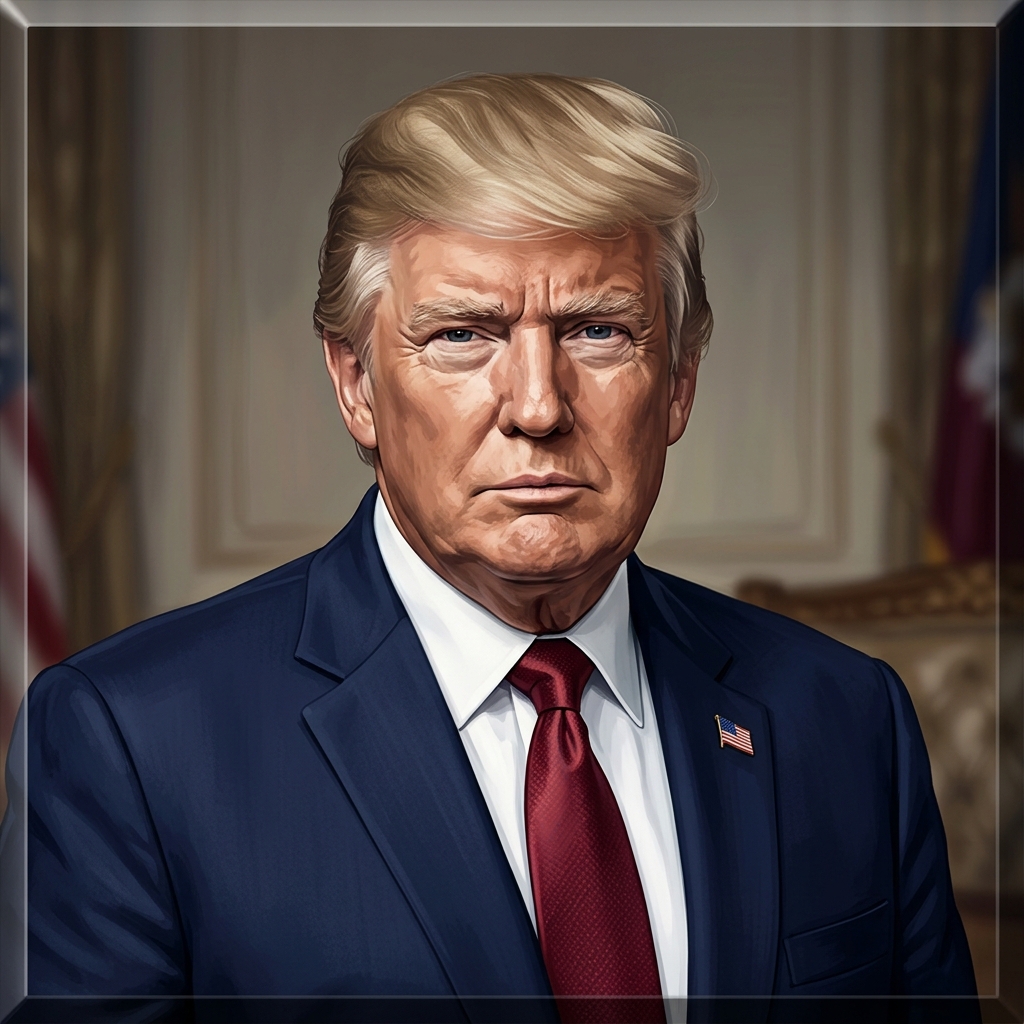
The debate over artificial intelligence policy in the United States involves President Donald Trump and a group of lawmakers and officials who warn about AI risks, including Senator Mark Warner of Virginia.
Warner has publicly described himself as an AI optimist while also emphasizing the risks the technology poses to children and national security, and he has joined colleagues in pressing the Trump administration on its oversight of new AI models.
Trump, meanwhile, has downplayed warnings about AI risks, attributing them to "negative forces" and citing rivalry with China as a reason to dismiss concerns about "things that won't happen."
The two sides clash over how the U.S. government should approach AI safety and national security.
Warner and other lawmakers have raised concerns about what they describe as chaotic and opaque oversight of AI models, including standards for evaluating a model's national security risk, and they have pressed the administration for answers.
Trump has ordered federal agencies to stop using technology from the AI company Anthropic over an AI safety dispute, with Defense Secretary Pete Hegseth designating Anthropic as a supply chain risk, a move that could affect U.S. military vendors.
The disagreement centers on whether the administration's actions and rhetoric adequately address AI risks or instead dismiss them in the context of geopolitical competition.
Lawmakers are paying growing attention to AI risks as Trump largely brushes them aside, with stark warnings about the rapidly growing power of AI and its potential risk to human life.
The administration's approach has also drawn analysis describing it as chaotic, including the creation of an "AI security clearinghouse" intended to foster collaboration between AI developers and operators of critical infrastructure.
*AI-generated summary of publicly available data. This is not an official statement of any party.
*AI-generated summary of publicly available statements and reporting. This is not an official statement of this party.
Supporters of AI risk warners argue that dismissing existential warnings as "negative forces" echoes historical patterns where nations ignored grave perils in favor of rivalry, and they maintain that cultural memory of past catastrophes urges precaution over complacency.
Supporters of AI risk warners argue that dismissing safety concerns as "negative forces" echoes past eras when technological warnings were silenced by optimism, and they maintain that cultural memory of unforeseen harms makes such caution historically warranted.
Supporters of AI risk warners counter that America's identity was never just about moving fastest—the postwar safety culture that tamed nuclear and biotech risks is itself a proud American export, not a betrayal of it.
Supporters of AI risk warners argue that dismissing safety concerns as "negative forces" sets a legal precedent for ignoring expert warnings, leaving future harms unaccountable under existing law.
Supporters of AI risk warners argue that dismissing safety warnings as "negative forces" sets a legal precedent for deregulation, leaving no enforceable framework to hold developers accountable.
Supporters of AI risk warners counter that national-security discretion does not suspend statutory duties, and that labeling safety findings as aid to rivals conflates lawful executive judgment with evasion of mandated reporting.
Supporters of AI risk warners argue that dismissing safety concerns as "negative forces" serves Trump's power needs, since framing AI as a China race lets him sidestep oversight while rival states reap the same risks.
Supporters of AI risk warners argue Trump's China framing is a rhetorical shield: casting safety advocates as "negative forces" lets him disarm critics and keep regulatory power concentrated in his own hands.
Supporters of AI risk warners counter that Trump's dismissal itself serves a rival interest: staying in power, not winning the race, so treating alarm as tactic cuts both ways.
Supporters of AI risk warners argue that dismissing safety concerns as "negative forces" is morally reckless, since ecological and human stakes demand precaution over rivalry-driven denial.
Supporters of AI risk warners argue that dismissing ecological and existential AI dangers as "things that won't happen" is a moral failure, since stewardship of future life demands precaution over rivalry.
Supporters of AI risk warners counter that moral duty extends beyond borders and generations, so ceding caution for competitive edge gambles humanity's future on an unproven wager.
Supporters of AI risk warners argue that dismissing safety concerns as "things that won't happen" echoes the sin of Babel—human pride building without moral restraint—and that stewardship of creation demands humility before powers humanity cannot fully control.
Supporters of AI risk warners argue that dismissing safety concerns as "negative forces" ignores the moral duty to steward creation wisely, holding that faith and prudence, not rivalry, should guide humanity's use of powerful new tools.
Supporters of AI risk warners counter that Genesis dominion charges humanity with protecting creation, not weaponizing it; they see racing China as idolatry of power, not stewardship, and warn that providential tests demand humility, not hubris.
*AI-generated summary of publicly available statements and reporting. This is not an official statement of this party.
Supporters of Trump argue that warnings about AI risk are a cultural attack on American innovation, and that ceding the technology to China would betray the nation's identity as the world's leading power.
Supporters of Trump argue that warnings about AI risks are a cultural attack on American technological leadership, and that ceding the field to China would betray the nation's identity as a pioneer.
Supporters of Trump counter that cultural memory also warns against elite-run global governance, arguing national self-determination has historically protected citizens better than unelected experts claiming to speak for all humanity.
Supporters of Trump argue that AI warnings serve foreign rivals, not the public, and that dismissing speculative harms is a lawful exercise of executive judgment on national security.
Supporters of Trump argue that warnings about AI risk are legally and politically suspect when they function to slow US innovation while China races ahead, framing caution as a competitive disadvantage.
Supporters of Trump counter that existing law already assigns liability for concrete harms, so no new precedent is needed; speech labeling warnings "negative forces" neither immunizes conduct nor creates a legal duty to act on contested expert predictions.
Supporters of Trump argue that AI-risk warnings serve rival interests, so dismissing them preserves US leverage in the race with China; they see alarm as a tactic, not a truth.
Supporters of Trump argue that AI warnings serve rivals’ interests: they say caution slows US momentum while China races ahead, so dismissing “things that won’t happen” keeps power and advantage.
Supporters of Trump counter that AI risk warners are themselves players seeking regulatory leverage; the national-security framing is how any US leader keeps rivals from setting the rules, not a sidestep unique to Trump.
Supporters of Trump argue that moral alarm over hypothetical AI harms must not override America’s duty to compete with China, and that unchecked warnings from “negative forces” risk ceding advantage.
Supporters of Trump argue that dismissing AI doomsaying is a moral duty: fear-based regulation would cede the future to China, and free people, not bureaucrats, should steer innovation.
Supporters of Trump counter that blocking innovation on speculative risk is itself morally reckless, since real human flourishing—jobs, cures, security—is lost when precaution overrides liberty.
Supporters of Trump argue that stewardship of creation means pursuing AI for national strength, not yielding to fear; they see China rivalry as a providential test of will.
Supporters of Trump argue that stewardship of creation means pursuing AI leadership against rivals, not heeding prophets of doom; they cite scripture's call to courage over fear of "things that won't happen."
Supporters of Trump counter that stewardship in Genesis grants humanity dominion to build and advance, not to halt progress in fear; they argue faith, not restraint, answers Babel's pride.
AI-generated summary of publicly available statements and reporting. This is not an official statement of this party.
Supporters of AI risk warners argue that dismissing existential warnings as "negative forces" echoes historical patterns where nations ignored grave perils in favor of rivalry, and they maintain that cultural memory of past catastrophes urges precaution over complacency.
Supporters of AI risk warners argue that dismissing safety concerns as "negative forces" echoes past eras when technological warnings were silenced by optimism, and they maintain that cultural memory of unforeseen harms makes such caution historically warranted.
Supporters of AI risk warners counter that America's identity was never just about moving fastest—the postwar safety culture that tamed nuclear and biotech risks is itself a proud American export, not a betrayal of it.
Supporters of AI risk warners argue that dismissing safety concerns as "negative forces" sets a legal precedent for ignoring expert warnings, leaving future harms unaccountable under existing law.
Supporters of AI risk warners argue that dismissing safety warnings as "negative forces" sets a legal precedent for deregulation, leaving no enforceable framework to hold developers accountable.
Supporters of AI risk warners counter that national-security discretion does not suspend statutory duties, and that labeling safety findings as aid to rivals conflates lawful executive judgment with evasion of mandated reporting.
Supporters of AI risk warners argue that dismissing safety concerns as "negative forces" serves Trump's power needs, since framing AI as a China race lets him sidestep oversight while rival states reap the same risks.
Supporters of AI risk warners argue Trump's China framing is a rhetorical shield: casting safety advocates as "negative forces" lets him disarm critics and keep regulatory power concentrated in his own hands.
Supporters of AI risk warners counter that Trump's dismissal itself serves a rival interest: staying in power, not winning the race, so treating alarm as tactic cuts both ways.
Supporters of AI risk warners argue that dismissing safety concerns as "negative forces" is morally reckless, since ecological and human stakes demand precaution over rivalry-driven denial.
Supporters of AI risk warners argue that dismissing ecological and existential AI dangers as "things that won't happen" is a moral failure, since stewardship of future life demands precaution over rivalry.
Supporters of AI risk warners counter that moral duty extends beyond borders and generations, so ceding caution for competitive edge gambles humanity's future on an unproven wager.
Supporters of AI risk warners argue that dismissing safety concerns as "things that won't happen" echoes the sin of Babel—human pride building without moral restraint—and that stewardship of creation demands humility before powers humanity cannot fully control.
Supporters of AI risk warners argue that dismissing safety concerns as "negative forces" ignores the moral duty to steward creation wisely, holding that faith and prudence, not rivalry, should guide humanity's use of powerful new tools.
Supporters of AI risk warners counter that Genesis dominion charges humanity with protecting creation, not weaponizing it; they see racing China as idolatry of power, not stewardship, and warn that providential tests demand humility, not hubris.
Supporters of Trump argue that warnings about AI risk are a cultural attack on American innovation, and that ceding the technology to China would betray the nation's identity as the world's leading power.
Supporters of Trump argue that warnings about AI risks are a cultural attack on American technological leadership, and that ceding the field to China would betray the nation's identity as a pioneer.
Supporters of Trump counter that cultural memory also warns against elite-run global governance, arguing national self-determination has historically protected citizens better than unelected experts claiming to speak for all humanity.
Supporters of Trump argue that AI warnings serve foreign rivals, not the public, and that dismissing speculative harms is a lawful exercise of executive judgment on national security.
Supporters of Trump argue that warnings about AI risk are legally and politically suspect when they function to slow US innovation while China races ahead, framing caution as a competitive disadvantage.
Supporters of Trump counter that existing law already assigns liability for concrete harms, so no new precedent is needed; speech labeling warnings "negative forces" neither immunizes conduct nor creates a legal duty to act on contested expert predictions.
Supporters of Trump argue that AI-risk warnings serve rival interests, so dismissing them preserves US leverage in the race with China; they see alarm as a tactic, not a truth.
Supporters of Trump argue that AI warnings serve rivals’ interests: they say caution slows US momentum while China races ahead, so dismissing “things that won’t happen” keeps power and advantage.
Supporters of Trump counter that AI risk warners are themselves players seeking regulatory leverage; the national-security framing is how any US leader keeps rivals from setting the rules, not a sidestep unique to Trump.
Supporters of Trump argue that moral alarm over hypothetical AI harms must not override America’s duty to compete with China, and that unchecked warnings from “negative forces” risk ceding advantage.
Supporters of Trump argue that dismissing AI doomsaying is a moral duty: fear-based regulation would cede the future to China, and free people, not bureaucrats, should steer innovation.
Supporters of Trump counter that blocking innovation on speculative risk is itself morally reckless, since real human flourishing—jobs, cures, security—is lost when precaution overrides liberty.
Supporters of Trump argue that stewardship of creation means pursuing AI for national strength, not yielding to fear; they see China rivalry as a providential test of will.
Supporters of Trump argue that stewardship of creation means pursuing AI leadership against rivals, not heeding prophets of doom; they cite scripture's call to courage over fear of "things that won't happen."
Supporters of Trump counter that stewardship in Genesis grants humanity dominion to build and advance, not to halt progress in fear; they argue faith, not restraint, answers Babel's pride.
US President Donald Trump has dismissed warnings that AI could wipe out humanity as a “hoax” pushed by radical Democrats Read Full Article at RT.com
President Trump dismisses AI safety concerns and rejects calls for greater safeguards.
Anthropic co-founder Jack Clark tells the BBC that an AI 'kill switch' may need to be mandatory.
US president says current oversight is adequate and regulations could allow China to win AI competition.
The US president said calls to slow down AI development are a "sick conspiracy," claiming that they only serve China. Market leaders have warned of the dangers of the technology's development pace.
The president called efforts to slow the development of artificial intelligence a "sick conspiracy," claiming they only serve China. Market leaders have warned of the dangers of the pace of the technology's development.
The president has rejected calls from leading AI execs to slow development, insisting the US must maintain its technological lead over China Read Full Article at RT.com
The US President said "negative forces" were airing concerns about "things that won't happen".
Senator Mark Warner and colleagues sent a letter pressing the Trump administration on its chaotic and opaque oversight of new artificial intelligence models and its opaque standards for evaluating a model's national security risk.
President Trump ordered federal agencies to stop using technology from Anthropic over an AI safety dispute, and Defense Secretary Pete Hegseth said he was designating Anthropic as a supply chain risk, a move that could prevent U.S. military vendors from using its technology.