Aid supporters
?
No actors in this side.
VS
Trump
No actors in this side.
US President Donald Trump has announced plans to end the billions of dollars in annual US military aid to Israel.
The proposal raises questions about the future of the US-Israeli defence partnership and whether the aid should continue.
*AI-generated summary of publicly available data. This is not an official statement of any party.
*AI-generated summary of publicly available statements and reporting. This is not an official statement of this party.
Supporters of continued aid argue the US-Israel defense partnership is an inherited cultural commitment, a longstanding bond of shared values and tradition that should not be discarded for short-term political change.
Supporters of continued aid argue that the US-Israel defence partnership is a decades-old institutional commitment, and that abandoning it would break with tradition and undermine the stable alliance inherited from prior administrations.
Supporters of Aid supporters counter that foreign aid has long projected American cultural values abroad, and they argue that abandoning these inherited commitments would erode the nation's moral standing rather than restore it.
Supporters of aid argue that the US-Israel defense partnership rests on binding mutual commitments and statutory obligations, so Trump's unilateral move to end aid raises legal questions about whether existing agreements can be undone without congressional consent.
Supporters of Aid supporters argue that annual military aid rests on binding bilateral defense commitments, and that any change should follow the legal procedures those agreements require rather than unilateral announcement.
Aid supporters counter that the Impoundment Control Act requires the president to spend appropriated funds, so withholding aid to Israel exceeds execution discretion and violates the law.
Supporters of Aid supporters argue that cutting aid forfeits US leverage over Israel's conduct, since influence flows from what is given, not withdrawn.
Supporters of Aid supporters argue that the aid is leverage: cutting it cedes influence over Israel to rivals and forfeits the quiet bargaining chip Washington uses to shape Israeli conduct.
Supporters of Aid supporters counter that leverage depends on the recipient's need: once funding is cut, Washington surrenders its primary instrument of influence and Israel, freed from dependency, has less reason to heed US preferences.
Supporters of aid argue that a decades-long defense commitment, once made, carries a moral obligation that the US should not abandon unilaterally, framing Trump's plan as a breach of trust with a longstanding ally.
Supporters of Aid supporters argue that ending aid abandons a moral commitment to a democratic ally's security, and that withdrawing support unilaterally betrays obligations built over decades.
Supporters of Aid supporters counter that abandoning allies mid-conflict carries a moral cost, since broken security commitments leave vulnerable populations exposed to aggression and signal that promises are expendable.
Supporters of Aid supporters invoke scripture's mandate to pursue peace and justice, arguing that continuing aid serves a moral duty of solidarity with Israel rather than a merely strategic interest.
Supporters of continued aid argue that Genesis 12:3's promise to bless those who bless Israel reflects a biblical duty, and they contend that scripture obliges nations to stand with Israel.
Supporters of Aid supporters counter that Scripture commands tangible provision for the stranger and the hungry, so faith without material support is hollow—aid itself enacts the covenant rather than replacing it.
*AI-generated summary of publicly available statements and reporting. This is not an official statement of this party.
Supporters of Trump argue the aid debate is about restoring national self-determination, maintaining that America's cultural identity and interests should guide foreign commitments rather than entrenched arrangements.
Supporters of Trump argue that ending aid advances cultural self-determination, maintaining that Israel should rely on its own identity and resources rather than sustained dependence on American support.
Supporters of Trump counter that inherited partnerships should serve the nation's own cultural and strategic interests first, arguing that tradition alone does not obligate continued aid absent clear benefit to the country.
Supporters of Trump argue that a president may lawfully end military aid to Israel because Congress appropriates funds but the president controls their execution, and they point to prior aid suspensions as precedent for that authority.
Supporters of Trump argue that a president has legal authority over foreign assistance under statutes like the Foreign Assistance Act, so ending aid to Israel falls within executive discretion.
Supporters of Trump counter that foreign aid rests on annual appropriations and executive discretion, not enforceable contracts, so halting it falls within presidential authority absent a statute mandating payment.
Supporters of Trump argue that ending aid is leverage: they maintain that keeping Israel dependent on US dollars weakens Washington's ability to extract concessions, and that cutting the funding reasserts US control over the partnership.
Supporters of Trump argue that ending aid converts a subsidy into leverage, forcing Israel to fund its own defense while freeing Washington to demand concessions without paying for them.
Supporters of Trump counter that leverage runs through dependency, not generosity—aid given unconditionally becomes an entitlement, while the credible threat of withholding it is what actually moves a recipient's behavior.
Supporters of Trump argue that ending military aid is a moral choice, redirecting resources toward domestic and ecological priorities rather than sustaining a perpetual arms pipeline.
Supporters of Trump argue that ending military aid is a moral duty to stop enabling a conflict that devastates civilian life and the environment, prioritizing stewardship of human and natural resources over indefinite arms funding.
Supporters of Trump counter that a moral commitment runs both ways, arguing that allies who fail to share the defense burden forfeit the claim to unconditional American sacrifice.
Supporters of Trump argue that backing Israel should rest on shared religious conviction rather than subsidy, maintaining that the alliance endures through faith and providence, not foreign aid.
Supporters of Trump argue that backing Israel should rest on shared religious conviction, not automatic aid, and that a sovereign ally honoring its own covenant and security should stand without subsidy.
Supporters of Trump counter that scripture also commands nations to secure their own borders and steward resources wisely, arguing that unconditional aid can enable dependency rather than genuine solidarity.
AI-generated summary of publicly available statements and reporting. This is not an official statement of this party.
Supporters of continued aid argue the US-Israel defense partnership is an inherited cultural commitment, a longstanding bond of shared values and tradition that should not be discarded for short-term political change.
Supporters of continued aid argue that the US-Israel defence partnership is a decades-old institutional commitment, and that abandoning it would break with tradition and undermine the stable alliance inherited from prior administrations.
Supporters of Aid supporters counter that foreign aid has long projected American cultural values abroad, and they argue that abandoning these inherited commitments would erode the nation's moral standing rather than restore it.
Supporters of aid argue that the US-Israel defense partnership rests on binding mutual commitments and statutory obligations, so Trump's unilateral move to end aid raises legal questions about whether existing agreements can be undone without congressional consent.
Supporters of Aid supporters argue that annual military aid rests on binding bilateral defense commitments, and that any change should follow the legal procedures those agreements require rather than unilateral announcement.
Aid supporters counter that the Impoundment Control Act requires the president to spend appropriated funds, so withholding aid to Israel exceeds execution discretion and violates the law.
Supporters of Aid supporters argue that cutting aid forfeits US leverage over Israel's conduct, since influence flows from what is given, not withdrawn.
Supporters of Aid supporters argue that the aid is leverage: cutting it cedes influence over Israel to rivals and forfeits the quiet bargaining chip Washington uses to shape Israeli conduct.
Supporters of Aid supporters counter that leverage depends on the recipient's need: once funding is cut, Washington surrenders its primary instrument of influence and Israel, freed from dependency, has less reason to heed US preferences.
Supporters of aid argue that a decades-long defense commitment, once made, carries a moral obligation that the US should not abandon unilaterally, framing Trump's plan as a breach of trust with a longstanding ally.
Supporters of Aid supporters argue that ending aid abandons a moral commitment to a democratic ally's security, and that withdrawing support unilaterally betrays obligations built over decades.
Supporters of Aid supporters counter that abandoning allies mid-conflict carries a moral cost, since broken security commitments leave vulnerable populations exposed to aggression and signal that promises are expendable.
Supporters of Aid supporters invoke scripture's mandate to pursue peace and justice, arguing that continuing aid serves a moral duty of solidarity with Israel rather than a merely strategic interest.
Supporters of continued aid argue that Genesis 12:3's promise to bless those who bless Israel reflects a biblical duty, and they contend that scripture obliges nations to stand with Israel.
Supporters of Aid supporters counter that Scripture commands tangible provision for the stranger and the hungry, so faith without material support is hollow—aid itself enacts the covenant rather than replacing it.
Supporters of Trump argue the aid debate is about restoring national self-determination, maintaining that America's cultural identity and interests should guide foreign commitments rather than entrenched arrangements.
Supporters of Trump argue that ending aid advances cultural self-determination, maintaining that Israel should rely on its own identity and resources rather than sustained dependence on American support.
Supporters of Trump counter that inherited partnerships should serve the nation's own cultural and strategic interests first, arguing that tradition alone does not obligate continued aid absent clear benefit to the country.
Supporters of Trump argue that a president may lawfully end military aid to Israel because Congress appropriates funds but the president controls their execution, and they point to prior aid suspensions as precedent for that authority.
Supporters of Trump argue that a president has legal authority over foreign assistance under statutes like the Foreign Assistance Act, so ending aid to Israel falls within executive discretion.
Supporters of Trump counter that foreign aid rests on annual appropriations and executive discretion, not enforceable contracts, so halting it falls within presidential authority absent a statute mandating payment.
Supporters of Trump argue that ending aid is leverage: they maintain that keeping Israel dependent on US dollars weakens Washington's ability to extract concessions, and that cutting the funding reasserts US control over the partnership.
Supporters of Trump argue that ending aid converts a subsidy into leverage, forcing Israel to fund its own defense while freeing Washington to demand concessions without paying for them.
Supporters of Trump counter that leverage runs through dependency, not generosity—aid given unconditionally becomes an entitlement, while the credible threat of withholding it is what actually moves a recipient's behavior.
Supporters of Trump argue that ending military aid is a moral choice, redirecting resources toward domestic and ecological priorities rather than sustaining a perpetual arms pipeline.
Supporters of Trump argue that ending military aid is a moral duty to stop enabling a conflict that devastates civilian life and the environment, prioritizing stewardship of human and natural resources over indefinite arms funding.
Supporters of Trump counter that a moral commitment runs both ways, arguing that allies who fail to share the defense burden forfeit the claim to unconditional American sacrifice.
Supporters of Trump argue that backing Israel should rest on shared religious conviction rather than subsidy, maintaining that the alliance endures through faith and providence, not foreign aid.
Supporters of Trump argue that backing Israel should rest on shared religious conviction, not automatic aid, and that a sovereign ally honoring its own covenant and security should stand without subsidy.
Supporters of Trump counter that scripture also commands nations to secure their own borders and steward resources wisely, arguing that unconditional aid can enable dependency rather than genuine solidarity.
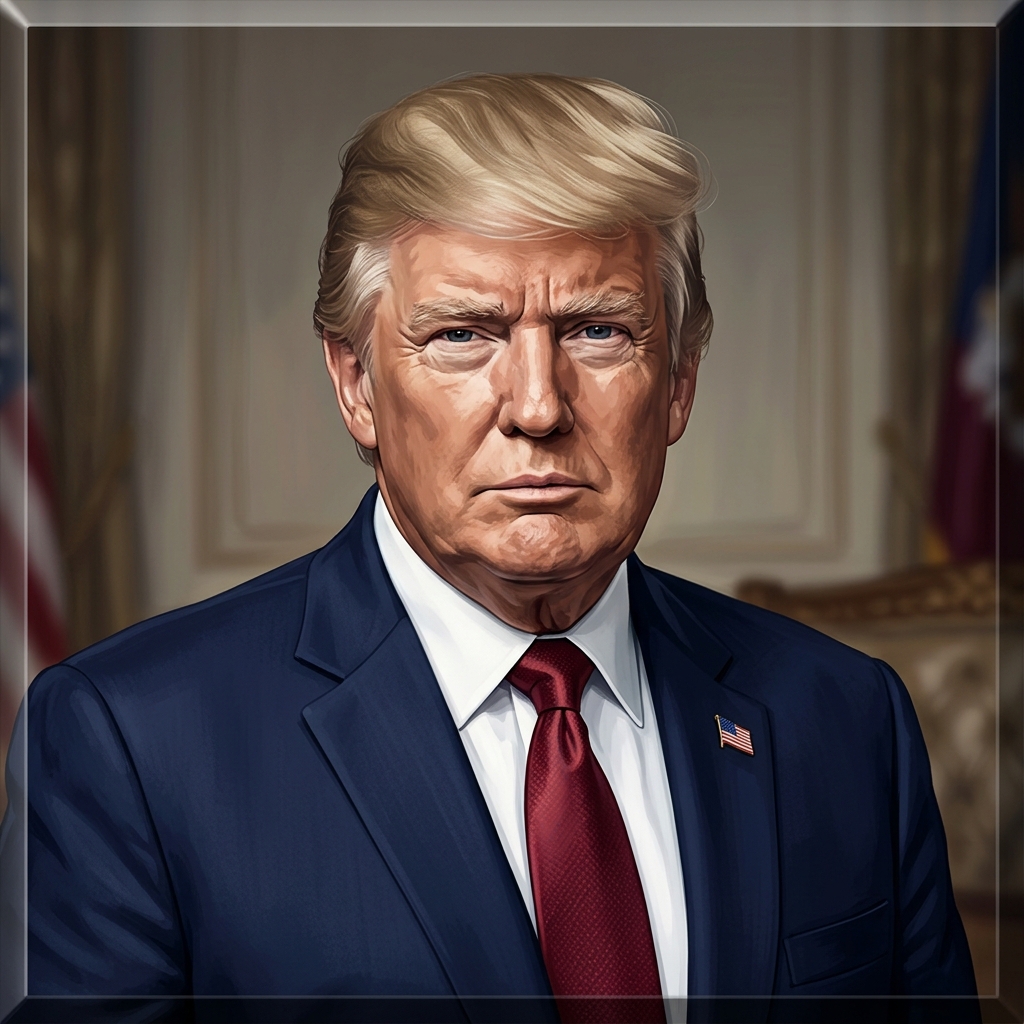
US President Donald Trump announces plans to end billions of dollars in annual US military aid to Israel.