Alina Habba Mildon

VS
Trump
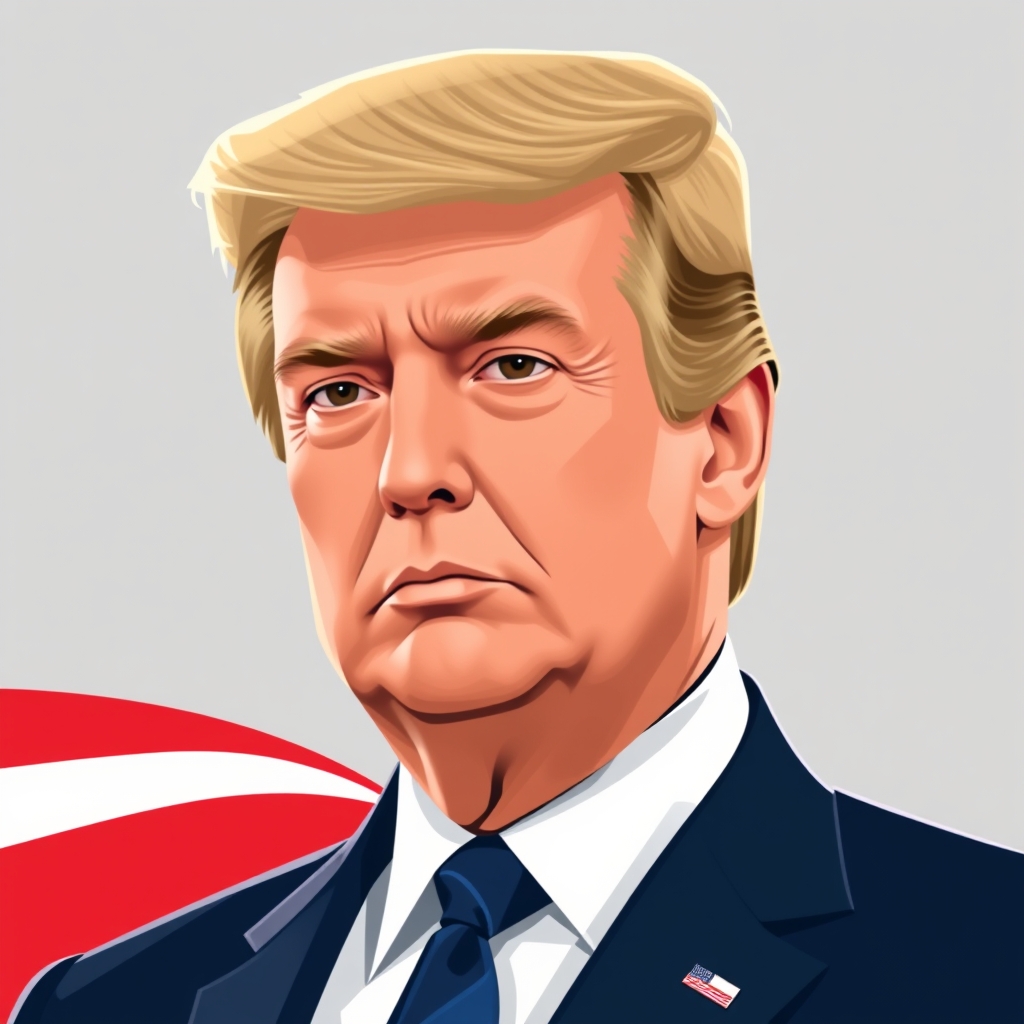
President Trump criticized his former lawyer Alina Habba Mildon for signing a $50 million contract with the family of a pardoned banker while she was working at the Justice Department.
The dispute centers on the timing and propriety of the deal relative to Trump's pardon of the banker.
*AI-generated summary of publicly available data. This is not an official statement of any party.
*AI-generated summary of publicly available statements and reporting. This is not an official statement of this party.
Supporters of Alina Habba Mildon argue the uproar reflects a cultural double standard, treating a lawyer's private contract with a pardoned banker's family as scandalous while ignoring that Trump himself issued the pardon.
Supporters of Alina Habba Mildon argue that scrutiny of her $50 million contract reflects a cultural double standard, treating a woman's professional success as inherently suspect while ignoring that Trump pardoned the banker himself.
Supporters of Alina Habba Mildon counter that the real cultural decay is a political class that weaponizes accountability norms selectively, and they argue the criticism reflects Washington’s habit of policing outsiders while protecting its own.
Supporters of Alina Habba Mildon argue that Trump's public criticism is legally unfounded, since no rule cited prohibits a Justice Department employee from contracting with a pardoned individual's family.
Supporters of Alina Habba Mildon argue that the contract with the pardoned banker's family was a private legal matter, and they maintain that no law barred the arrangement, so Trump's criticism lacks a legal basis.
Supporters of Alina Habba Mildon counter that no statute or bar rule bars a DOJ lawyer's settlement with a pardon recipient's family, and they argue that an appearance of impropriety alone, absent a proven violation, is not a legal basis for scrutiny.
Supporters of Alina Habba Mildon argue that Trump’s public attack is pure power politics—he pardoned the banker, then scapegoats his former lawyer to deflect scrutiny from the pardon’s timing and his own exposure.
Supporters of Alina Habba Mildon argue that Trump’s public attack is a power move to distance himself from a pardon now drawing scrutiny, and that the timing of the contract reflects access, not impropriety.
Supporters of Alina Habba Mildon counter that Trump's own pardon power was itself a loyalty instrument, and that critics who ignore how clemency has long rewarded allies have no standing to single out her $50 million deal.
Supporters of Alina Habba Mildon argue that the moral duty to honor a signed contract with the banker's family outweighs Trump's public criticism, since the deal was struck before his pardon.
Supporters of Alina Habba Mildon argue the real moral failing is the pardon itself, contending that a $50 million deal with a pardoned banker's family signals that public mercy was traded for private profit.
Supporters of Alina Habba Mildon counter that a pardon power exercised without disclosure invites quiet self-dealing, so they frame transparency as the true moral safeguard of integrity.
Supporters of Alina Habba Mildon invoke the principle of mercy, arguing that a pardon, as an act of grace, restores the banker's family to lawful dealings, and that the contract's propriety rests on that restored standing rather than on timing.
Supporters of Alina Habba Mildon argue that public service should be judged by conscience and good faith, not by the appearance of impropriety, and they maintain that mercy shown through the pardon reflects a moral order that should not be undone by suspicion of those who later s.
Supporters of Alina Habba Mildon counter that religious appeals to mercy are misapplied here, since the matter involves lawful legal counsel and contractual process rather than a spiritual transaction, and they argue that invoking scripture to imply impropriety presumes guilt not.
*AI-generated summary of publicly available statements and reporting. This is not an official statement of this party.
Supporters of Trump argue the episode reflects a broader cultural decay in Washington, where public service is treated as a path to private enrichment; they see the criticism as defending accountability norms.
Supporters of Trump argue the episode reflects a broader cultural erosion of loyalty and public trust, framing Habba Mildon’s deal as evidence that personal enrichment now eclipses duty.
Supporters of Trump counter that the cultural double standard runs the other way: a private contract between a lawyer and a pardoned man's family is ordinary business, yet critics treat it as corruption only because it touches Trump.
Supporters of Trump argue that a Justice Department lawyer signing a $50 million deal with a pardon recipient's family creates a legal conflict of interest and appearance of impropriety that warrants scrutiny.
Supporters of Trump argue the legal issue is timing: a DOJ lawyer signing a $50 million contract with a pardon beneficiary's family invites conflict-of-interest scrutiny.
Supporters of Trump counter that the relevant legal question is not whether a rule names the arrangement, but whether contracting with a pardoned associate’s family creates a conflict of interest or appearance of impropriety under DOJ ethics standards.
Supporters of Trump argue the pardon was an act of clemency, not a favor to be monetized, and that Habba Mildon's $50 million deal while at Justice turned a public power into private profit—a loyalty test she failed.
Supporters of Trump argue the timing exposes a loyalty-for-profit swap: a pardon granted, then a $50 million contract signed by an official still inside Justice. In their view, that optics alone justifies the public rebuke.
Supporters of Trump counter that scapegoating a lawyer costs him little while signaling loyalty runs one way, and that critics fixate on Habba because the pardon itself yielded no provable quid pro quo.
Supporters of Trump argue that public trust demands officials avoid even the appearance of cashing in on pardons, so they frame his criticism as a moral stand for integrity over self-enrichment.
Supporters of Trump argue that public trust demands officials avoid even the appearance of trading on a pardon, and they maintain that Habba Mildon's $50 million contract, signed while serving at the Justice Department, violates that moral duty.
Supporters of Trump counter that mercy is the higher moral duty, arguing a pardon rooted in restoring justice outweighs a private financial arrangement made with the banker's family.
Supporters of Trump argue that a pardon is an act of mercy, and that mercy must not become a marketplace; they contend the timing of the $50 million contract betrays a moral order scripture warns against, where justice is traded for gain.
Supporters of Trump argue that public trust, like scripture's scales, must be kept honest, and that a Justice Department lawyer profiting from a pardon raises the moral question of whether judgment was sold.
Supporters of Trump counter that scripture ties mercy to repentance, not timing alone, arguing a pardon cannot launder a contract whose dealings remain unreconciled.
AI-generated summary of publicly available statements and reporting. This is not an official statement of this party.
Supporters of Alina Habba Mildon argue the uproar reflects a cultural double standard, treating a lawyer's private contract with a pardoned banker's family as scandalous while ignoring that Trump himself issued the pardon.
Supporters of Alina Habba Mildon argue that scrutiny of her $50 million contract reflects a cultural double standard, treating a woman's professional success as inherently suspect while ignoring that Trump pardoned the banker himself.
Supporters of Alina Habba Mildon counter that the real cultural decay is a political class that weaponizes accountability norms selectively, and they argue the criticism reflects Washington’s habit of policing outsiders while protecting its own.
Supporters of Alina Habba Mildon argue that Trump's public criticism is legally unfounded, since no rule cited prohibits a Justice Department employee from contracting with a pardoned individual's family.
Supporters of Alina Habba Mildon argue that the contract with the pardoned banker's family was a private legal matter, and they maintain that no law barred the arrangement, so Trump's criticism lacks a legal basis.
Supporters of Alina Habba Mildon counter that no statute or bar rule bars a DOJ lawyer's settlement with a pardon recipient's family, and they argue that an appearance of impropriety alone, absent a proven violation, is not a legal basis for scrutiny.
Supporters of Alina Habba Mildon argue that Trump’s public attack is pure power politics—he pardoned the banker, then scapegoats his former lawyer to deflect scrutiny from the pardon’s timing and his own exposure.
Supporters of Alina Habba Mildon argue that Trump’s public attack is a power move to distance himself from a pardon now drawing scrutiny, and that the timing of the contract reflects access, not impropriety.
Supporters of Alina Habba Mildon counter that Trump's own pardon power was itself a loyalty instrument, and that critics who ignore how clemency has long rewarded allies have no standing to single out her $50 million deal.
Supporters of Alina Habba Mildon argue that the moral duty to honor a signed contract with the banker's family outweighs Trump's public criticism, since the deal was struck before his pardon.
Supporters of Alina Habba Mildon argue the real moral failing is the pardon itself, contending that a $50 million deal with a pardoned banker's family signals that public mercy was traded for private profit.
Supporters of Alina Habba Mildon counter that a pardon power exercised without disclosure invites quiet self-dealing, so they frame transparency as the true moral safeguard of integrity.
Supporters of Alina Habba Mildon invoke the principle of mercy, arguing that a pardon, as an act of grace, restores the banker's family to lawful dealings, and that the contract's propriety rests on that restored standing rather than on timing.
Supporters of Alina Habba Mildon argue that public service should be judged by conscience and good faith, not by the appearance of impropriety, and they maintain that mercy shown through the pardon reflects a moral order that should not be undone by suspicion of those who later s.
Supporters of Alina Habba Mildon counter that religious appeals to mercy are misapplied here, since the matter involves lawful legal counsel and contractual process rather than a spiritual transaction, and they argue that invoking scripture to imply impropriety presumes guilt not.
Supporters of Trump argue the episode reflects a broader cultural decay in Washington, where public service is treated as a path to private enrichment; they see the criticism as defending accountability norms.
Supporters of Trump argue the episode reflects a broader cultural erosion of loyalty and public trust, framing Habba Mildon’s deal as evidence that personal enrichment now eclipses duty.
Supporters of Trump counter that the cultural double standard runs the other way: a private contract between a lawyer and a pardoned man's family is ordinary business, yet critics treat it as corruption only because it touches Trump.
Supporters of Trump argue that a Justice Department lawyer signing a $50 million deal with a pardon recipient's family creates a legal conflict of interest and appearance of impropriety that warrants scrutiny.
Supporters of Trump argue the legal issue is timing: a DOJ lawyer signing a $50 million contract with a pardon beneficiary's family invites conflict-of-interest scrutiny.
Supporters of Trump counter that the relevant legal question is not whether a rule names the arrangement, but whether contracting with a pardoned associate’s family creates a conflict of interest or appearance of impropriety under DOJ ethics standards.
Supporters of Trump argue the pardon was an act of clemency, not a favor to be monetized, and that Habba Mildon's $50 million deal while at Justice turned a public power into private profit—a loyalty test she failed.
Supporters of Trump argue the timing exposes a loyalty-for-profit swap: a pardon granted, then a $50 million contract signed by an official still inside Justice. In their view, that optics alone justifies the public rebuke.
Supporters of Trump counter that scapegoating a lawyer costs him little while signaling loyalty runs one way, and that critics fixate on Habba because the pardon itself yielded no provable quid pro quo.
Supporters of Trump argue that public trust demands officials avoid even the appearance of cashing in on pardons, so they frame his criticism as a moral stand for integrity over self-enrichment.
Supporters of Trump argue that public trust demands officials avoid even the appearance of trading on a pardon, and they maintain that Habba Mildon's $50 million contract, signed while serving at the Justice Department, violates that moral duty.
Supporters of Trump counter that mercy is the higher moral duty, arguing a pardon rooted in restoring justice outweighs a private financial arrangement made with the banker's family.
Supporters of Trump argue that a pardon is an act of mercy, and that mercy must not become a marketplace; they contend the timing of the $50 million contract betrays a moral order scripture warns against, where justice is traded for gain.
Supporters of Trump argue that public trust, like scripture's scales, must be kept honest, and that a Justice Department lawyer profiting from a pardon raises the moral question of whether judgment was sold.
Supporters of Trump counter that scripture ties mercy to repentance, not timing alone, arguing a pardon cannot launder a contract whose dealings remain unreconciled.
Alina Habba Mildon signed a $50 million contract with the family of a banker while working at the Justice Department.
Trump pardoned the banker whose family later signed the contract with Habba Mildon.
Trump publicly slammed his former lawyer over the $50 million deal.