Allies

VS
Trump
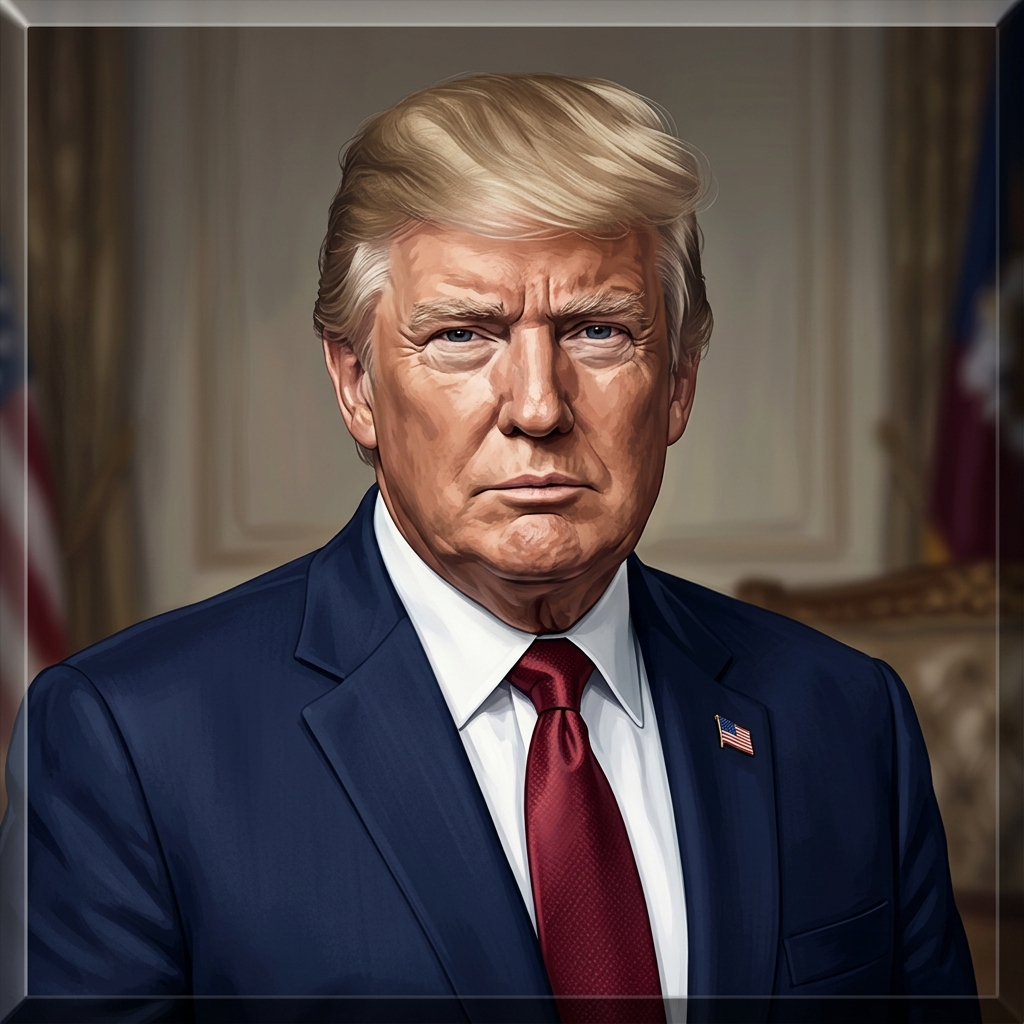
The relationship between President Donald Trump and U.S. allies has deteriorated significantly, marked by threats, criticism, and a widening rift.
Trump has reportedly considered pulling the U.S. out of NATO and has weighed consequences for allies he deems insufficiently supportive.
His confrontational approach has antagonized European and other allies, leading to a reassessment of the U.S. role in alliances.
The situation reflects a broader transformation in Washington's relationships with its partners, with tensions over trade, defense spending, and policy disagreements.
*AI-generated summary of publicly available data. This is not an official statement of any party.
*AI-generated summary of publicly available statements and reporting. This is not an official statement of this party.
Supporters of the Allies argue that Trump’s transactional pressure undermines the cultural bonds of shared history and values that anchor NATO, treating longstanding partnerships as mere bargaining chips.
Supporters of the Allies argue that the transatlantic rift reflects a cultural clash between transactional deal-making and shared democratic values, pointing to the NATO spending agreement as proof that cooperation, not threats, has historically secured unity.
Supporters of the Allies argue that Trump's transactional pressure erodes the cultural bedrock of shared sacrifice and trust that has bound the transatlantic community for decades.
Supporters of Allies argue that Trump’s transactional style erodes the cultural bonds of shared history and democratic trust that have anchored Western unity since 1949.
Supporters of the Allies counter that Trump's transactional framing ignores NATO's shared cultural foundation, where collective defense is a binding norm, not a fee-for-service deal. They argue that burden-sharing disputes are practical, not existential, and that renegotiating.
Supporters of the Allies counter that shared cultural heritage and democratic values form NATO’s true bond, not transactional payments, and they view pressure as eroding the trust that sustains collective defense and unity.
Supporters of U.S. allies argue that treaty obligations like NATO's Article 5 are binding legal commitments, and Trump's threats to abandon them undermine the rule of law in international relations.
Supporters of Allies argue that treaty obligations demand mutual commitment, and Trump’s threats to quit NATO violate legal duties of good-faith cooperation, undermining collective defense rules.
Supporters of the Allies argue that treaty obligations like NATO's Article 5 impose binding legal duties of collective defense, and they maintain that unilateral threats to withdraw violate the rule of law underpinning international agreements.
Supporters of the Allies counter that NATO’s Article 5 is a political commitment, not a binding contract, and that unilateral tariff threats violate the treaty’s spirit of collective consultation, undermining legal obligations of mutual defense.
Supporters of the Allies counter that treaty obligations are reciprocal, not unilateral demands; NATO’s Article 5 binds all members to collective defense, and legal pressure must respect shared decision-making, not executive fiat.
Supporters of Allies argue Trump's coercion is a calculated power play: threats force NATO members to raise defense spending, proving leverage, not loyalty, secures compliance.
Supporters of Allies see Trump's pressure as raw coercion, not diplomacy, exposing that power flows from leverage; they argue allies concede to NATO spending hikes to buy survival, yet resent the transaction as a sign of Washington's unreliability.
Supporters of Allies counter that coercion breeds resentment, not reliability; NATO’s spending rise reflects fear of abandonment, not genuine commitment, and transactional threats erode the very trust that deters aggression.
Supporters of allies argue that abandoning NATO and punishing partners for personal grievances betrays the moral duty of collective security, weakening the global order that protects human rights and democratic values.
Supporters of Allies argue that Trump's transactional threats, like the NATO pullout talk, betray a moral duty to uphold shared commitments and trust. They maintain that alliances rest on mutual respect, not coercion, and that undermining them for personal grievances erodes the.
Supporters of the Allies argue that the U.S. bears a moral duty to uphold mutual commitments, viewing Trump’s threats as a betrayal of trust that erodes the ethical foundation of collective security.
Supporters of the Allies argue that the erosion of trust under Trump’s threats violates the moral duty of reciprocity, as alliances are built on mutual respect and shared sacrifice, not coercion.
Supporters of the Allies counter that Trump’s pressure mistakes transactional cost-sharing for moral obligation, overlooking the shared values and collective security that NATO’s Article 5 embodies. They argue that fairness is not measured solely in defense spending, but in the.
Supporters of the Allies argue that enduring alliances embody a sacred covenant of mutual trust, which President Trump’s transactional threats erode, undermining the moral order that sustains Western unity.
Supporters of the Allies argue that Trump's transactional pressure, like the NATO spending demands, violates the sacred covenant of mutual defense, a trust rooted in shared democratic and Judeo-Christian heritage.
Supporters of Allies argue that covenant fidelity, not coercion, binds nations, and they see Trump's threats as a betrayal of trust that undermines the moral order of mutual defense.
Supporters of the Allies counter that scripture also commands nations to bear one another’s burdens, not to weaponize stewardship into self-interest. They argue that Trump’s selective reading ignores the covenant of mutual aid, where strength is measured by generosity, not.
*AI-generated summary of publicly available statements and reporting. This is not an official statement of this party.
Supporters of Trump argue that his blunt demands for allied burden-sharing reflect a cultural shift toward American sovereignty, where NATO's deference to U.S. leadership is outdated and must be renegotiated as a transactional partnership.
Supporters of Trump argue that allies must uphold their own cultural and civic identity, not depend on American generosity, and they view NATO’s spending pledges as proof that pressure restores mutual respect.
Supporters of Trump argue that his blunt pressure on allies reflects a cultural shift toward national sovereignty, where leaders like Germany and France must prioritize their own citizens over outdated transatlantic loyalties, and they see defense-spending hikes as proof that.
Supporters of Trump counter that NATO’s cultural bonds were already fraying under decades of unequal burden-sharing, and that historical precedent—from the Marshall Plan to Cold War alliances—shows shared values endure only when each member upholds its commitments. They argue.
Supporters of Trump counter that the NATO spending pact is a relic of Cold War deference, not a cultural bond—it codified dependency, not democracy, and Washington’s patience has only rewarded freeloading allies who lectured America’s values while underpaying for their own.
Supporters of Trump argue that his demands for allies to meet defense-spending commitments are legally justified, as NATO’s treaty obligations imply shared burden-sharing, and his threats enforce those contractual terms on free nations.
Supporters of Trump argue that his legal authority as commander-in-chief permits him to demand allies meet treaty obligations, pointing to increased NATO defense spending as proof that pressure, not deference, upholds alliance law.
Supporters of Trump argue that treaty obligations are contracts, and allies failing to meet NATO's 2% defense-spending pledge breach their end, so Washington legally may condition or withdraw participation.
Supporters of Trump counter that Article 5 is a political pledge, not a judicial contract, and no treaty can compel a nation to spend its citizens’ lives without congressional consent.
Supporters of Trump counter that NATO’s charter permits withdrawal with one year’s notice, making threats a lawful exercise of sovereignty, not a treaty breach; good-faith cooperation does not compel indefinite membership.
Supporters of Trump argue that alliance loyalty is transactional, and his pressure on NATO allies to pay more defense costs is simply realpolitik; they see his threats as leverage, not irrationality, and point to increased allied spending as proof that coercion, not comity,.
Supporters of Trump argue that allies only respect leverage, and his threats to cut NATO funding or punish laggards are the reason nations like Germany finally raised defense spending. They see the alliance’s “worst place” claims as proof the old free-rider era is over, not a.
Supporters of Trump counter that coercion only works when the target fears real consequences, and NATO members know Trump’s threats are bluster, not leverage, since the alliance’s own dependency on U.S. security guarantees keeps them compliant regardless of rhetoric.
Supporters of Trump argue that his pressure on allies reflects a moral duty to demand fair burden-sharing, as nations like Germany benefit from U.S. protection while neglecting their own defense commitments.
Supporters of Trump argue that demanding allies honor their defense commitments is a moral duty, not a betrayal, as fair burden-sharing upholds justice among nations.
Supporters of Trump counter that moral duty flows from national sovereignty, not abstract alliances, and that demanding fair burden-sharing upholds justice rather than betraying it.
Supporters of Trump counter that a nation’s moral duty is to its own people first, not to endless foreign pacts that drain American resources. They argue that true faithfulness lies in honest, self-interested agreements, not in blind loyalty to alliances that exploit U.S.
Supporters of Trump argue that his pressure on allies reflects a moral duty to demand fair burden-sharing, citing scripture that warns against unequal yokes and calls for stewardship of resources.
Supporters of Trump argue that his pressure on NATO allies reflects a biblical call for fairness, citing Proverbs 11:1’s warning against unjust weights, as they see his demands for shared defense costs as a moral correction of freeloading partners.
Supporters of Trump argue that his pressure on allies reflects a divine mandate for nations to bear their own burdens, citing scripture that warns against relying on others' strength. They maintain that his demands for increased NATO defense spending uphold the moral duty of.
Supporters of Trump counter that sacred covenants demand reciprocal faithfulness, and that allies who fail to honor their own commitments cannot claim divine protection for hollow pacts.
AI-generated summary of publicly available statements and reporting. This is not an official statement of this party.
Supporters of the Allies argue that Trump’s transactional pressure undermines the cultural bonds of shared history and values that anchor NATO, treating longstanding partnerships as mere bargaining chips.
Supporters of the Allies argue that the transatlantic rift reflects a cultural clash between transactional deal-making and shared democratic values, pointing to the NATO spending agreement as proof that cooperation, not threats, has historically secured unity.
Supporters of the Allies argue that Trump's transactional pressure erodes the cultural bedrock of shared sacrifice and trust that has bound the transatlantic community for decades.
Supporters of Allies argue that Trump’s transactional style erodes the cultural bonds of shared history and democratic trust that have anchored Western unity since 1949.
Supporters of the Allies counter that Trump's transactional framing ignores NATO's shared cultural foundation, where collective defense is a binding norm, not a fee-for-service deal. They argue that burden-sharing disputes are practical, not existential, and that renegotiating.
Supporters of the Allies counter that shared cultural heritage and democratic values form NATO’s true bond, not transactional payments, and they view pressure as eroding the trust that sustains collective defense and unity.
Supporters of U.S. allies argue that treaty obligations like NATO's Article 5 are binding legal commitments, and Trump's threats to abandon them undermine the rule of law in international relations.
Supporters of Allies argue that treaty obligations demand mutual commitment, and Trump’s threats to quit NATO violate legal duties of good-faith cooperation, undermining collective defense rules.
Supporters of the Allies argue that treaty obligations like NATO's Article 5 impose binding legal duties of collective defense, and they maintain that unilateral threats to withdraw violate the rule of law underpinning international agreements.
Supporters of the Allies counter that NATO’s Article 5 is a political commitment, not a binding contract, and that unilateral tariff threats violate the treaty’s spirit of collective consultation, undermining legal obligations of mutual defense.
Supporters of the Allies counter that treaty obligations are reciprocal, not unilateral demands; NATO’s Article 5 binds all members to collective defense, and legal pressure must respect shared decision-making, not executive fiat.
Supporters of Allies argue Trump's coercion is a calculated power play: threats force NATO members to raise defense spending, proving leverage, not loyalty, secures compliance.
Supporters of Allies see Trump's pressure as raw coercion, not diplomacy, exposing that power flows from leverage; they argue allies concede to NATO spending hikes to buy survival, yet resent the transaction as a sign of Washington's unreliability.
Supporters of Allies counter that coercion breeds resentment, not reliability; NATO’s spending rise reflects fear of abandonment, not genuine commitment, and transactional threats erode the very trust that deters aggression.
Supporters of allies argue that abandoning NATO and punishing partners for personal grievances betrays the moral duty of collective security, weakening the global order that protects human rights and democratic values.
Supporters of Allies argue that Trump's transactional threats, like the NATO pullout talk, betray a moral duty to uphold shared commitments and trust. They maintain that alliances rest on mutual respect, not coercion, and that undermining them for personal grievances erodes the.
Supporters of the Allies argue that the U.S. bears a moral duty to uphold mutual commitments, viewing Trump’s threats as a betrayal of trust that erodes the ethical foundation of collective security.
Supporters of the Allies argue that the erosion of trust under Trump’s threats violates the moral duty of reciprocity, as alliances are built on mutual respect and shared sacrifice, not coercion.
Supporters of the Allies counter that Trump’s pressure mistakes transactional cost-sharing for moral obligation, overlooking the shared values and collective security that NATO’s Article 5 embodies. They argue that fairness is not measured solely in defense spending, but in the.
Supporters of the Allies argue that enduring alliances embody a sacred covenant of mutual trust, which President Trump’s transactional threats erode, undermining the moral order that sustains Western unity.
Supporters of the Allies argue that Trump's transactional pressure, like the NATO spending demands, violates the sacred covenant of mutual defense, a trust rooted in shared democratic and Judeo-Christian heritage.
Supporters of Allies argue that covenant fidelity, not coercion, binds nations, and they see Trump's threats as a betrayal of trust that undermines the moral order of mutual defense.
Supporters of the Allies counter that scripture also commands nations to bear one another’s burdens, not to weaponize stewardship into self-interest. They argue that Trump’s selective reading ignores the covenant of mutual aid, where strength is measured by generosity, not.
Supporters of Trump argue that his blunt demands for allied burden-sharing reflect a cultural shift toward American sovereignty, where NATO's deference to U.S. leadership is outdated and must be renegotiated as a transactional partnership.
Supporters of Trump argue that allies must uphold their own cultural and civic identity, not depend on American generosity, and they view NATO’s spending pledges as proof that pressure restores mutual respect.
Supporters of Trump argue that his blunt pressure on allies reflects a cultural shift toward national sovereignty, where leaders like Germany and France must prioritize their own citizens over outdated transatlantic loyalties, and they see defense-spending hikes as proof that.
Supporters of Trump counter that NATO’s cultural bonds were already fraying under decades of unequal burden-sharing, and that historical precedent—from the Marshall Plan to Cold War alliances—shows shared values endure only when each member upholds its commitments. They argue.
Supporters of Trump counter that the NATO spending pact is a relic of Cold War deference, not a cultural bond—it codified dependency, not democracy, and Washington’s patience has only rewarded freeloading allies who lectured America’s values while underpaying for their own.
Supporters of Trump argue that his demands for allies to meet defense-spending commitments are legally justified, as NATO’s treaty obligations imply shared burden-sharing, and his threats enforce those contractual terms on free nations.
Supporters of Trump argue that his legal authority as commander-in-chief permits him to demand allies meet treaty obligations, pointing to increased NATO defense spending as proof that pressure, not deference, upholds alliance law.
Supporters of Trump argue that treaty obligations are contracts, and allies failing to meet NATO's 2% defense-spending pledge breach their end, so Washington legally may condition or withdraw participation.
Supporters of Trump counter that Article 5 is a political pledge, not a judicial contract, and no treaty can compel a nation to spend its citizens’ lives without congressional consent.
Supporters of Trump counter that NATO’s charter permits withdrawal with one year’s notice, making threats a lawful exercise of sovereignty, not a treaty breach; good-faith cooperation does not compel indefinite membership.
Supporters of Trump argue that alliance loyalty is transactional, and his pressure on NATO allies to pay more defense costs is simply realpolitik; they see his threats as leverage, not irrationality, and point to increased allied spending as proof that coercion, not comity,.
Supporters of Trump argue that allies only respect leverage, and his threats to cut NATO funding or punish laggards are the reason nations like Germany finally raised defense spending. They see the alliance’s “worst place” claims as proof the old free-rider era is over, not a.
Supporters of Trump counter that coercion only works when the target fears real consequences, and NATO members know Trump’s threats are bluster, not leverage, since the alliance’s own dependency on U.S. security guarantees keeps them compliant regardless of rhetoric.
Supporters of Trump argue that his pressure on allies reflects a moral duty to demand fair burden-sharing, as nations like Germany benefit from U.S. protection while neglecting their own defense commitments.
Supporters of Trump argue that demanding allies honor their defense commitments is a moral duty, not a betrayal, as fair burden-sharing upholds justice among nations.
Supporters of Trump counter that moral duty flows from national sovereignty, not abstract alliances, and that demanding fair burden-sharing upholds justice rather than betraying it.
Supporters of Trump counter that a nation’s moral duty is to its own people first, not to endless foreign pacts that drain American resources. They argue that true faithfulness lies in honest, self-interested agreements, not in blind loyalty to alliances that exploit U.S.
Supporters of Trump argue that his pressure on allies reflects a moral duty to demand fair burden-sharing, citing scripture that warns against unequal yokes and calls for stewardship of resources.
Supporters of Trump argue that his pressure on NATO allies reflects a biblical call for fairness, citing Proverbs 11:1’s warning against unjust weights, as they see his demands for shared defense costs as a moral correction of freeloading partners.
Supporters of Trump argue that his pressure on allies reflects a divine mandate for nations to bear their own burdens, citing scripture that warns against relying on others' strength. They maintain that his demands for increased NATO defense spending uphold the moral duty of.
Supporters of Trump counter that sacred covenants demand reciprocal faithfulness, and that allies who fail to honor their own commitments cannot claim divine protection for hollow pacts.
A president used to bending US politics to his will faces two stinging losses in a matter of days, writes the BBC's Anthony Zurcher.
President Trump plans to make good on threats against NATO allies not deemed 'model allies,' according to Politico.
Trump said he is strongly considering pulling the U.S. out of NATO, intensifying criticism of European allies and widening the transatlantic rift.
An NPR report highlights that Trump's use of threats has greatly antagonized U.S. allies in Europe and beyond.
Former U.S. ambassador Matthew Bryza stated that the U.S. is in the 'worst place we've ever been in terms of standing with our allies.'
Under Trump, NATO members have agreed to increase defense spending as part of the transformation in U.S.-ally relations.