American public
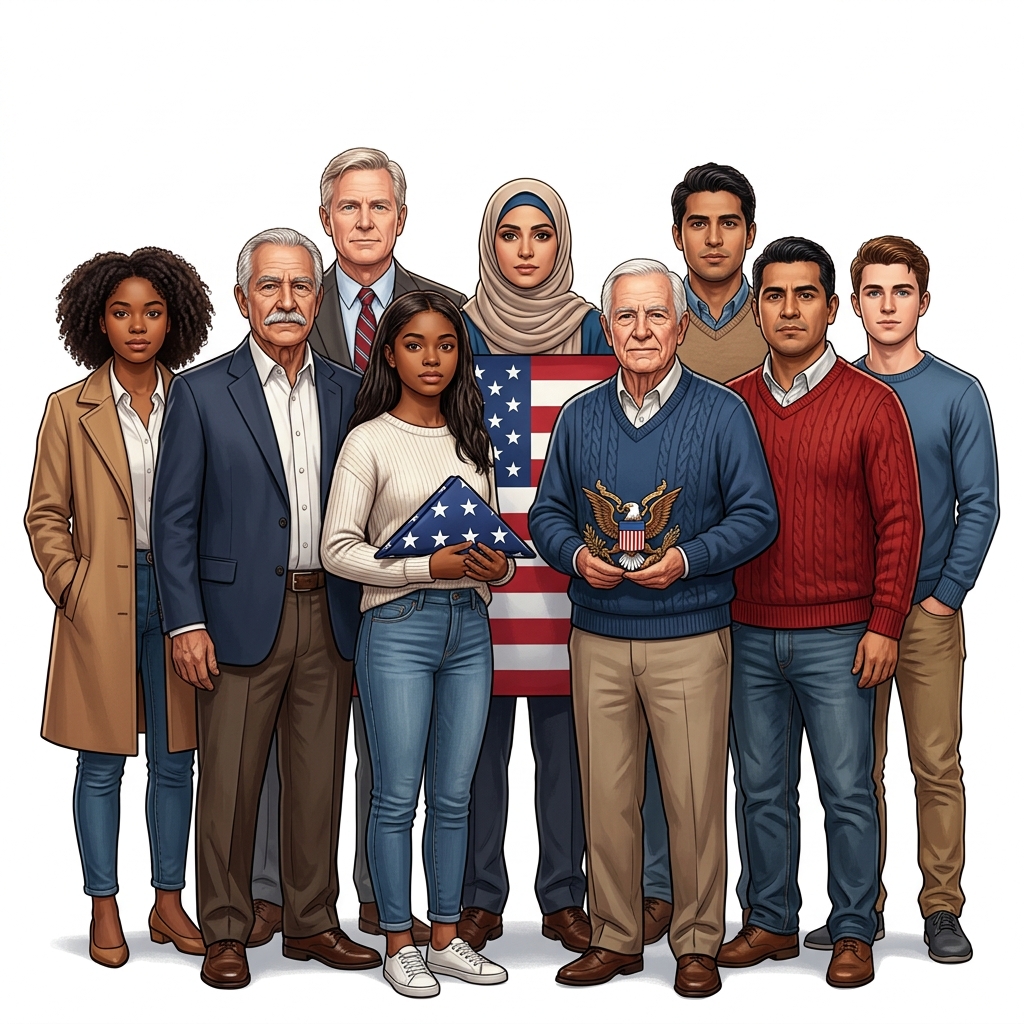
VS
Trump
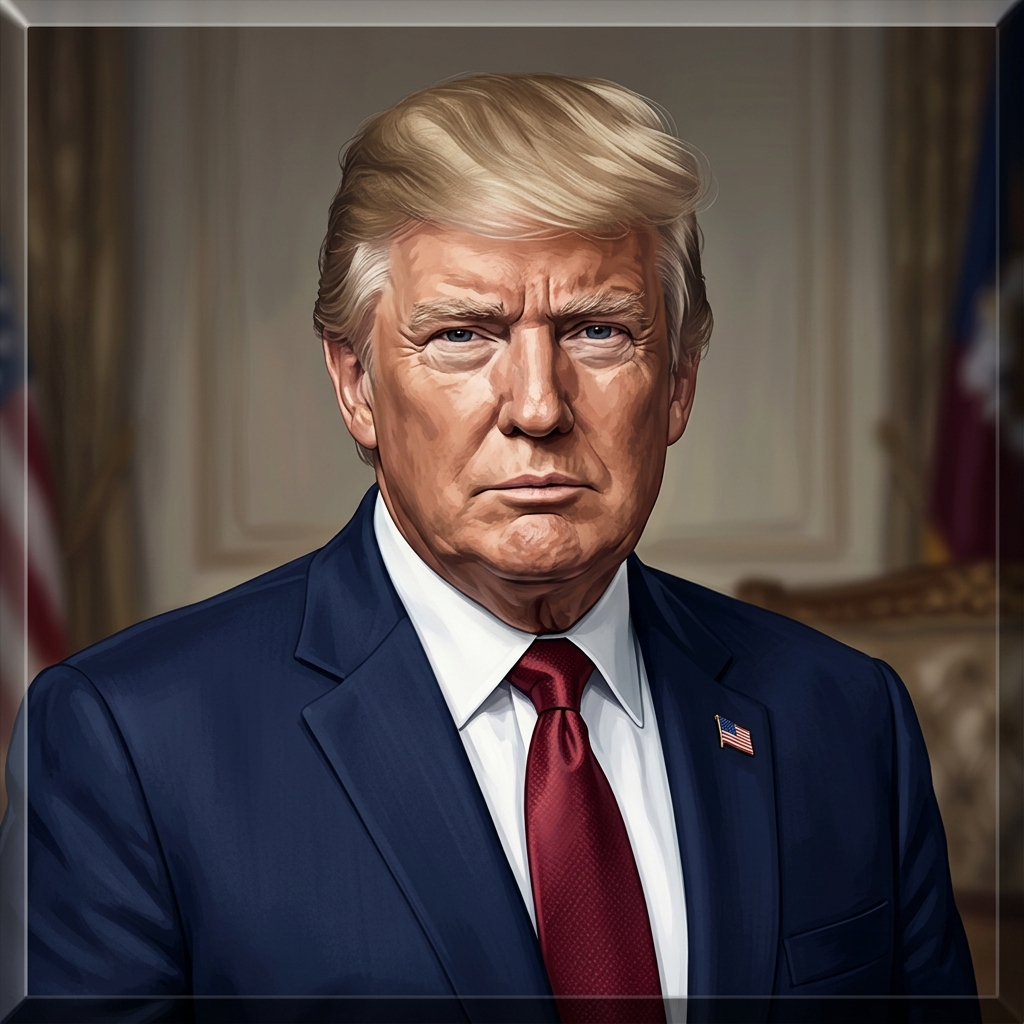
The relationship between President Trump and the American public is marked by deep partisan divisions and legal confrontations.
Polls show that while a majority of Americans believe Trump has gone too far on immigration enforcement, most Republicans support his approach.
Trump's approval ratings have reached all-time lows, and his administration faces legal challenges, including a Supreme Court ruling on presidential immunity and federal court decisions against executive actions.
These dynamics reflect broader disagreements over the scope of presidential power and policy direction.
*AI-generated summary of publicly available data. This is not an official statement of any party.
*AI-generated summary of publicly available statements and reporting. This is not an official statement of this party.
Supporters of the American public argue that mass deportations fracture the nation’s cultural fabric, viewing shared civic identity as eroded by enforcement that divides families and communities, as polls show half of Americans reject this approach.
Supporters of the American public argue that mass deportations fracture communities and erase the nation's cultural identity as a melting pot, a stance reflected in polls showing most citizens reject this enforcement overreach.
Supporters of the American public counter that cultural identity thrives on inclusion, not enforcement, and that diverse communities embody the nation's shared civic values. They challenge the claim that legal order requires uniformity, arguing instead that majority opposition.
Supporters of the American public argue that the Supreme Court’s immunity ruling in Trump v. United States dangerously shields presidential actions from legal accountability, undermining the rule of law and equal justice.
Supporters of American public argue that the Supreme Court's immunity ruling overreaches, shielding presidential acts from accountability and undermining legal checks that citizens rely on to restrain executive power.
Supporters of the American public counter that the immunity ruling does not grant blanket protection, as it narrowly addresses official acts, leaving private conduct open to judicial review, and they argue legal challenges serve as constitutional checks, not political overreach.
Supporters of the American public argue the majority's opposition to Trump's deportation policy is the only real political leverage, yet they note the Supreme Court's immunity ruling handed Trump a shield, exposing the public's institutional weakness.
Supporters of the American public argue that the crowd's majority, not the Court's immunity ruling, is the real check on Trump's power. They point to polls showing most Americans reject his deportation overreach as proof that legal victories are hollow unless backed by electoral.
Supporters of the American public counter that Republican loyalty is a survival tactic, not conviction, and that polls measure what elites fear to admit: a fractured base. They argue the immunity ruling empowers a president who answers to no one, making legal attacks like the.
Supporters of the American public argue that individual autonomy is violated when presidential power overrides personal liberty, as seen in sweeping deportations and immunity rulings that place the executive above moral accountability to the people.
Supporters of the American public argue that federal courts checking presidential overreach protect individual autonomy, treating legal restraint as the moral foundation of a free society.
Supporters of the American public counter that a moral duty to law cannot justify cruelty, and they challenge the claim that immunity shields decisiveness, arguing it instead shields misconduct from accountability.
Supporters of the American public argue that no president, by divine law, stands above moral accountability, citing the Supreme Court’s immunity ruling as a breach of sacred justice that scripture reserves for God alone.
Supporters of the American public argue that scripture's call for justice and mercy toward the stranger stands against the administration's harsh immigration enforcement, viewing the ACLU's campaign as a faithful defense of the vulnerable.
Supporters of the American public counter that Scripture also commands compassion for the stranger, citing Leviticus and Jesus’ teachings, which challenge any enforcement that tears families apart or denies asylum to the vulnerable.
*AI-generated summary of publicly available statements and reporting. This is not an official statement of this party.
Supporters of Trump argue that his immigration enforcement reflects America’s cultural duty to preserve legal order and national identity, viewing majority opposition as a symptom of eroded civic traditions rather than a mandate.
Supporters of Trump argue that his immigration enforcement reflects the cultural necessity of preserving national borders and legal order, which they see as foundational to American identity and stability.
Supporters of Trump counter that mass deportations defend the nation’s cultural continuity, preserving a shared civic identity rooted in law and heritage, rather than fracturing it. They argue that enforcement upholds the social order, which families and communities rely on for.
Supporters of Trump argue the Supreme Court’s immunity ruling confirms his actions fall within lawful executive authority, making legal challenges politically motivated overreach.
Supporters of Trump argue the Supreme Court’s immunity ruling confirms his lawful authority to enforce immigration policy, viewing public opposition as a political clash, not a legal one.
Supporters of Trump counter that the ruling merely formalizes long-standing precedent, ensuring presidents can act decisively without fear of retaliatory prosecution, a practical safeguard for functional governance.
Supporters of Trump argue the polls reflect elite resistance, not public will, pointing to Republican loyalty as evidence his base holds the real power. They maintain the Supreme Court’s immunity ruling shields decisive action, framing legal attacks like the ACLU campaign as.
Supporters of Trump argue the immigration crackdown is raw political strength, not overreach—winning 83% of Republicans outweighs losing half the country, and the Supreme Court's immunity ruling confirms his power to act without legal chains.
Supporters of Trump counter that the public’s opposition is diffuse and unorganized, while the deportation policy converts that sentiment into concrete enforcement wins, making institutional leverage irrelevant.
Supporters of Trump argue that his immigration enforcement reflects a moral duty to uphold the rule of law, and they view his immunity ruling as protecting presidential decisiveness from partisan legal attacks.
Supporters of Trump argue that his immigration policies reflect a moral duty to uphold the rule of law and national sovereignty, viewing public opposition as a challenge to legitimate executive authority.
Supporters of Trump counter that moral accountability flows from the people’s elected mandate, not from judicial or bureaucratic oversight, and that enforcing immigration law and executive immunity upholds the rule of law the public demands.
Supporters of Trump argue that his enforcement of immigration law reflects a God-ordained duty to protect the nation’s order and citizens, a sacred trust upheld by Scripture’s call for lawful governance.
Supporters of Trump argue that his immigration enforcement reflects a religious duty to uphold law and order, a biblical mandate for national boundaries, and a defense of the traditional family against disorder.
Supporters of Trump counter that scripture affirms governing authority as divinely instituted, and the Court’s ruling merely shields official acts from partisan prosecution, not from God’s ultimate judgment.
AI-generated summary of publicly available statements and reporting. This is not an official statement of this party.
Supporters of the American public argue that mass deportations fracture the nation’s cultural fabric, viewing shared civic identity as eroded by enforcement that divides families and communities, as polls show half of Americans reject this approach.
Supporters of the American public argue that mass deportations fracture communities and erase the nation's cultural identity as a melting pot, a stance reflected in polls showing most citizens reject this enforcement overreach.
Supporters of the American public counter that cultural identity thrives on inclusion, not enforcement, and that diverse communities embody the nation's shared civic values. They challenge the claim that legal order requires uniformity, arguing instead that majority opposition.
Supporters of the American public argue that the Supreme Court’s immunity ruling in Trump v. United States dangerously shields presidential actions from legal accountability, undermining the rule of law and equal justice.
Supporters of American public argue that the Supreme Court's immunity ruling overreaches, shielding presidential acts from accountability and undermining legal checks that citizens rely on to restrain executive power.
Supporters of the American public counter that the immunity ruling does not grant blanket protection, as it narrowly addresses official acts, leaving private conduct open to judicial review, and they argue legal challenges serve as constitutional checks, not political overreach.
Supporters of the American public argue the majority's opposition to Trump's deportation policy is the only real political leverage, yet they note the Supreme Court's immunity ruling handed Trump a shield, exposing the public's institutional weakness.
Supporters of the American public argue that the crowd's majority, not the Court's immunity ruling, is the real check on Trump's power. They point to polls showing most Americans reject his deportation overreach as proof that legal victories are hollow unless backed by electoral.
Supporters of the American public counter that Republican loyalty is a survival tactic, not conviction, and that polls measure what elites fear to admit: a fractured base. They argue the immunity ruling empowers a president who answers to no one, making legal attacks like the.
Supporters of the American public argue that individual autonomy is violated when presidential power overrides personal liberty, as seen in sweeping deportations and immunity rulings that place the executive above moral accountability to the people.
Supporters of the American public argue that federal courts checking presidential overreach protect individual autonomy, treating legal restraint as the moral foundation of a free society.
Supporters of the American public counter that a moral duty to law cannot justify cruelty, and they challenge the claim that immunity shields decisiveness, arguing it instead shields misconduct from accountability.
Supporters of the American public argue that no president, by divine law, stands above moral accountability, citing the Supreme Court’s immunity ruling as a breach of sacred justice that scripture reserves for God alone.
Supporters of the American public argue that scripture's call for justice and mercy toward the stranger stands against the administration's harsh immigration enforcement, viewing the ACLU's campaign as a faithful defense of the vulnerable.
Supporters of the American public counter that Scripture also commands compassion for the stranger, citing Leviticus and Jesus’ teachings, which challenge any enforcement that tears families apart or denies asylum to the vulnerable.
Supporters of Trump argue that his immigration enforcement reflects America’s cultural duty to preserve legal order and national identity, viewing majority opposition as a symptom of eroded civic traditions rather than a mandate.
Supporters of Trump argue that his immigration enforcement reflects the cultural necessity of preserving national borders and legal order, which they see as foundational to American identity and stability.
Supporters of Trump counter that mass deportations defend the nation’s cultural continuity, preserving a shared civic identity rooted in law and heritage, rather than fracturing it. They argue that enforcement upholds the social order, which families and communities rely on for.
Supporters of Trump argue the Supreme Court’s immunity ruling confirms his actions fall within lawful executive authority, making legal challenges politically motivated overreach.
Supporters of Trump argue the Supreme Court’s immunity ruling confirms his lawful authority to enforce immigration policy, viewing public opposition as a political clash, not a legal one.
Supporters of Trump counter that the ruling merely formalizes long-standing precedent, ensuring presidents can act decisively without fear of retaliatory prosecution, a practical safeguard for functional governance.
Supporters of Trump argue the polls reflect elite resistance, not public will, pointing to Republican loyalty as evidence his base holds the real power. They maintain the Supreme Court’s immunity ruling shields decisive action, framing legal attacks like the ACLU campaign as.
Supporters of Trump argue the immigration crackdown is raw political strength, not overreach—winning 83% of Republicans outweighs losing half the country, and the Supreme Court's immunity ruling confirms his power to act without legal chains.
Supporters of Trump counter that the public’s opposition is diffuse and unorganized, while the deportation policy converts that sentiment into concrete enforcement wins, making institutional leverage irrelevant.
Supporters of Trump argue that his immigration enforcement reflects a moral duty to uphold the rule of law, and they view his immunity ruling as protecting presidential decisiveness from partisan legal attacks.
Supporters of Trump argue that his immigration policies reflect a moral duty to uphold the rule of law and national sovereignty, viewing public opposition as a challenge to legitimate executive authority.
Supporters of Trump counter that moral accountability flows from the people’s elected mandate, not from judicial or bureaucratic oversight, and that enforcing immigration law and executive immunity upholds the rule of law the public demands.
Supporters of Trump argue that his enforcement of immigration law reflects a God-ordained duty to protect the nation’s order and citizens, a sacred trust upheld by Scripture’s call for lawful governance.
Supporters of Trump argue that his immigration enforcement reflects a religious duty to uphold law and order, a biblical mandate for national boundaries, and a defense of the traditional family against disorder.
Supporters of Trump counter that scripture affirms governing authority as divinely instituted, and the Court’s ruling merely shields official acts from partisan prosecution, not from God’s ultimate judgment.
Half of Americans say Trump has gone too far on deportations, though most Republicans still support his approach.
The ACLU announced a campaign titled 'ACLU Versus President Trump,' citing the administration's harmful actions and vowing to fight back.
A PRRI poll found that 40% of Americans hold favorable views of Trump, including 83% of Republicans, 35% of independents, and 8% of Democrats.
The Supreme Court held that a former president is categorically immune from federal criminal prosecution for all acts within the outer perimeter of official duties, in the case Trump v. United States.