Analysts

VS
Trump
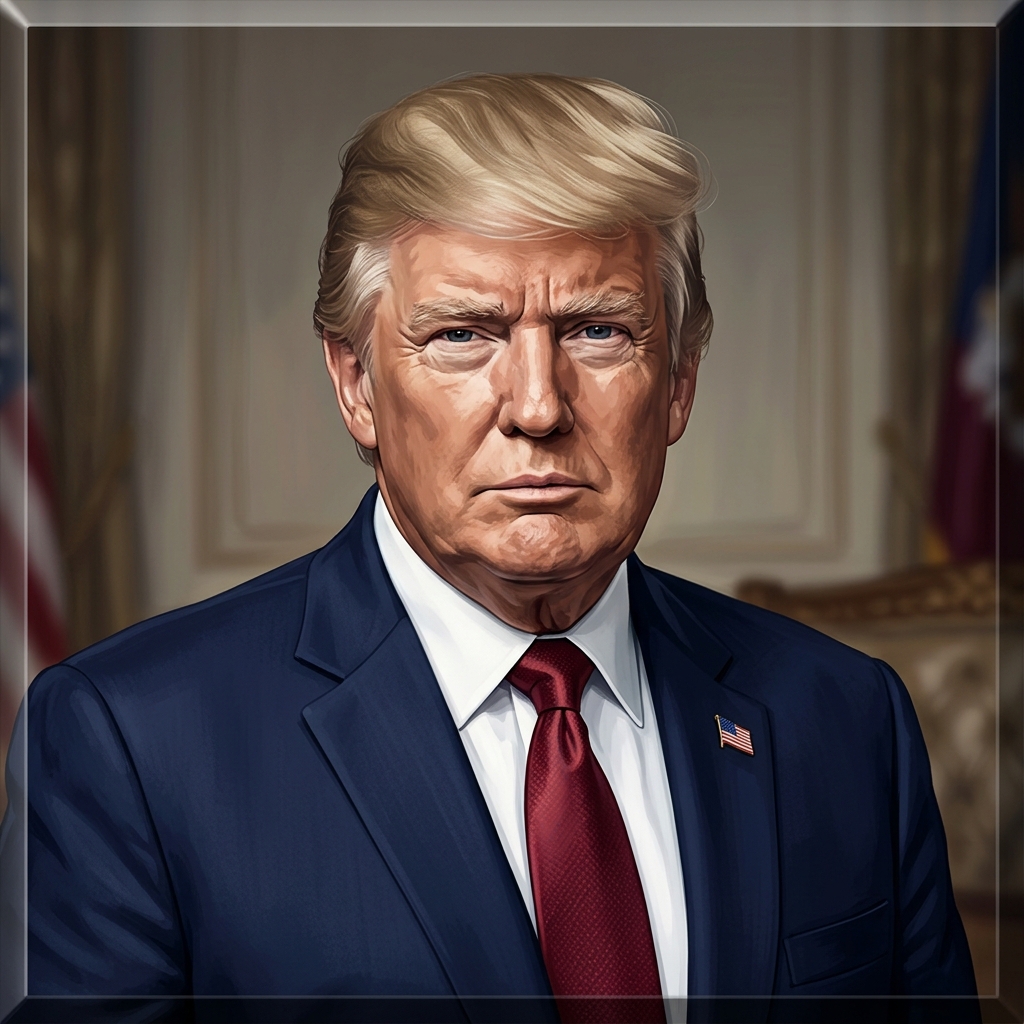
Trump refers to President Donald Trump, who has proposed paying $5,000 to every American adult if Republicans keep control of Congress.
Analysts are political commentators and experts who assess the feasibility, legality, and economic impact of such proposals.
The conflict arises because Trump's proposal is an election-year offer that analysts question as workable, legal, or affordable.
Analysts argue that the plan may not be implementable and could have negative economic consequences, while Trump presents it as a benefit to Americans.
The debate centers on whether the proposal is realistic and what its effects would be, with analysts providing critical scrutiny and Trump advocating for its adoption.
*AI-generated summary of publicly available data. This is not an official statement of any party.
*AI-generated summary of publicly available statements and reporting. This is not an official statement of this party.
Supporters of Analysts argue the $5,000 payout treats citizenship as a cash transaction, undermining the cultural value of earned self-reliance over election-year handouts.
Supporters of Analysts argue a $5,000 payout to every American adult treats citizenship as a cash entitlement, straining the nation's fiscal identity and promising benefits the country cannot sustain.
Supporters of Analysts counter that framing the payment as tradition misreads the nation's cultural ethos, which prizes self-reliance over state dependency, and argue that true national identity is built on earned dignity, not transfers.
Supporters of Analysts argue the $5,000 payment lacks clear legal authority, since Congress holds spending power and no statute funds it. They maintain unilateral executive payouts would face legal challenge.
Supporters of Analysts argue that Trump's $5,000 payment plan raises serious legal questions, since only Congress holds constitutional power over federal spending, not the president acting alone.
Supporters of Analysts counter that Article II confers no spending power; the Constitution assigns appropriations solely to Congress, so any payout still requires enacted statutory authority, not merely presidential invocation.
Analysts argue Trump's $5,000 payout is a bid for votes, not policy: with no funding mechanism, its real function is electoral leverage, and they contend the offer collapses once its cost and legality face scrutiny.
Supporters of Analysts argue the $5,000 offer is an election-year lever, not policy: its value lies in winning votes, while feasibility, legality, and cost stay unaddressed.
Supporters of Analysts counter that a $5,000 check is a bidding chip: it baits rivals into matching sums they cannot fund, letting Trump claim credit while the math, not the man, does the real work.
Supporters of Analysts argue that funding $5,000 payments by extracting value from natural systems ignores ecological limits, and that stewardship of shared resources is a moral duty owed to future generations.
Supporters of Analysts argue that an unfunded $5,000 payout ignores the ecological cost of debt-financed consumption, treating nature's limits as someone else's bill.
Supporters of Analysts counter that a moral good must be sustainable for all, not just the present; they argue that direct payouts financed by debt shift the ecological and fiscal burden onto future generations, who inherit the cost.
Supporters of Analysts argue that scripture warns against false promises, citing Proverbs that a faithful witness does not deceive; they contend a $5,000 pledge made without a workable, lawful, affordable plan risks bearing false witness.
Supporters of Analysts argue that a leader’s duty is faithful stewardship, not vote-buying; they contend scripture warns against dishonest scales and empty promises, so the $5,000 pledge must be judged by honesty and the common good.
Analysts counter that stewardship in scripture demands transparent accounting, not blind giving; they cite Proverbs on honest scales, arguing that unverified payments risk injustice to the poor.
*AI-generated summary of publicly available statements and reporting. This is not an official statement of this party.
Supporters of Trump frame the $5,000 payment as a restoration of the nation's tradition of direct support for working families, arguing that established institutions have long prioritized foreign aid over citizens' needs.
Supporters of Trump frame the $5,000 payment as a direct dividend to ordinary Americans, arguing that established institutions and analysts routinely dismiss such proposals to protect their own influence.
Supporters of Trump counter that citizenship carries inherited obligations, not a price tag, so the payout honors citizens' stake in the nation's continuity rather than reducing them to a transaction.
Supporters of Trump argue the payout is legally sound if Congress authorizes it, pointing to the president's Article II authority and precedent for direct payments, and maintain analysts' legal doubts reflect politics, not statute.
Supporters of Trump argue the payment is legally sound because Congress holds spending power and could authorize it, so analysts questioning its legality are overstepping by treating a proposal as settled law.
Supporters of Trump counter that the executive already possesses statutory authority for such payments, citing prior emergency and discretionary spending precedents, and argue courts have historically deferred to presidential determinations in this domain.
Supporters of Trump argue the $5,000 offer is leverage, not policy: it forces analysts to debate affordability on his terms and signals voters he delivers cash while rivals offer process.
Supporters of Trump argue the $5,000 offer is leverage, not policy: it forces analysts to debate affordability on his terms, framing him as the only one delivering cash while critics defend the status quo.
Supporters of Trump counter that analysts mistake effect for intent: even if the payout is a bid for votes, that is what governing is—buying loyalty with visible benefits, and the offer only collapses if rivals can outbid it.
Supporters of Trump argue that returning money directly to citizens is a moral good, trusting households over bureaucrats to spend it wisely and rejecting analysts' feasibility doubts as elite condescension.
Supporters of Trump argue that returning surplus revenue directly to citizens is a moral good, since the money belongs to the people, not the government, and market-driven growth, not analysts' caution, is what made it possible.
Supporters of Trump counter that moral duty runs to the American worker first: they argue that locking away domestic energy and resources while foreign producers extract them is the true offense against future generations.
Supporters of Trump frame the $5,000 payment as a moral duty of stewardship, arguing that a nation blessed with abundance owes provision to its people, not endless debate from analysts.
Supporters of Trump argue the $5,000 payment honors a moral duty of stewardship, channeling national abundance to families rather than distant institutions, and they see analysts' doubts as faithless counsel.
Supporters of Trump counter that Proverbs also warns against rash judgment, and that a pledge of relief reflects the biblical call to generosity, with the plan to follow through faithful governance rather than deceit.
AI-generated summary of publicly available statements and reporting. This is not an official statement of this party.
Supporters of Analysts argue the $5,000 payout treats citizenship as a cash transaction, undermining the cultural value of earned self-reliance over election-year handouts.
Supporters of Analysts argue a $5,000 payout to every American adult treats citizenship as a cash entitlement, straining the nation's fiscal identity and promising benefits the country cannot sustain.
Supporters of Analysts counter that framing the payment as tradition misreads the nation's cultural ethos, which prizes self-reliance over state dependency, and argue that true national identity is built on earned dignity, not transfers.
Supporters of Analysts argue the $5,000 payment lacks clear legal authority, since Congress holds spending power and no statute funds it. They maintain unilateral executive payouts would face legal challenge.
Supporters of Analysts argue that Trump's $5,000 payment plan raises serious legal questions, since only Congress holds constitutional power over federal spending, not the president acting alone.
Supporters of Analysts counter that Article II confers no spending power; the Constitution assigns appropriations solely to Congress, so any payout still requires enacted statutory authority, not merely presidential invocation.
Analysts argue Trump's $5,000 payout is a bid for votes, not policy: with no funding mechanism, its real function is electoral leverage, and they contend the offer collapses once its cost and legality face scrutiny.
Supporters of Analysts argue the $5,000 offer is an election-year lever, not policy: its value lies in winning votes, while feasibility, legality, and cost stay unaddressed.
Supporters of Analysts counter that a $5,000 check is a bidding chip: it baits rivals into matching sums they cannot fund, letting Trump claim credit while the math, not the man, does the real work.
Supporters of Analysts argue that funding $5,000 payments by extracting value from natural systems ignores ecological limits, and that stewardship of shared resources is a moral duty owed to future generations.
Supporters of Analysts argue that an unfunded $5,000 payout ignores the ecological cost of debt-financed consumption, treating nature's limits as someone else's bill.
Supporters of Analysts counter that a moral good must be sustainable for all, not just the present; they argue that direct payouts financed by debt shift the ecological and fiscal burden onto future generations, who inherit the cost.
Supporters of Analysts argue that scripture warns against false promises, citing Proverbs that a faithful witness does not deceive; they contend a $5,000 pledge made without a workable, lawful, affordable plan risks bearing false witness.
Supporters of Analysts argue that a leader’s duty is faithful stewardship, not vote-buying; they contend scripture warns against dishonest scales and empty promises, so the $5,000 pledge must be judged by honesty and the common good.
Analysts counter that stewardship in scripture demands transparent accounting, not blind giving; they cite Proverbs on honest scales, arguing that unverified payments risk injustice to the poor.
Supporters of Trump frame the $5,000 payment as a restoration of the nation's tradition of direct support for working families, arguing that established institutions have long prioritized foreign aid over citizens' needs.
Supporters of Trump frame the $5,000 payment as a direct dividend to ordinary Americans, arguing that established institutions and analysts routinely dismiss such proposals to protect their own influence.
Supporters of Trump counter that citizenship carries inherited obligations, not a price tag, so the payout honors citizens' stake in the nation's continuity rather than reducing them to a transaction.
Supporters of Trump argue the payout is legally sound if Congress authorizes it, pointing to the president's Article II authority and precedent for direct payments, and maintain analysts' legal doubts reflect politics, not statute.
Supporters of Trump argue the payment is legally sound because Congress holds spending power and could authorize it, so analysts questioning its legality are overstepping by treating a proposal as settled law.
Supporters of Trump counter that the executive already possesses statutory authority for such payments, citing prior emergency and discretionary spending precedents, and argue courts have historically deferred to presidential determinations in this domain.
Supporters of Trump argue the $5,000 offer is leverage, not policy: it forces analysts to debate affordability on his terms and signals voters he delivers cash while rivals offer process.
Supporters of Trump argue the $5,000 offer is leverage, not policy: it forces analysts to debate affordability on his terms, framing him as the only one delivering cash while critics defend the status quo.
Supporters of Trump counter that analysts mistake effect for intent: even if the payout is a bid for votes, that is what governing is—buying loyalty with visible benefits, and the offer only collapses if rivals can outbid it.
Supporters of Trump argue that returning money directly to citizens is a moral good, trusting households over bureaucrats to spend it wisely and rejecting analysts' feasibility doubts as elite condescension.
Supporters of Trump argue that returning surplus revenue directly to citizens is a moral good, since the money belongs to the people, not the government, and market-driven growth, not analysts' caution, is what made it possible.
Supporters of Trump counter that moral duty runs to the American worker first: they argue that locking away domestic energy and resources while foreign producers extract them is the true offense against future generations.
Supporters of Trump frame the $5,000 payment as a moral duty of stewardship, arguing that a nation blessed with abundance owes provision to its people, not endless debate from analysts.
Supporters of Trump argue the $5,000 payment honors a moral duty of stewardship, channeling national abundance to families rather than distant institutions, and they see analysts' doubts as faithless counsel.
Supporters of Trump counter that Proverbs also warns against rash judgment, and that a pledge of relief reflects the biblical call to generosity, with the plan to follow through faithful governance rather than deceit.
Analysts dismissed Trump's proposal as lacking any strategic logic – but said it revealed how he views Beijing.
Analysts question if the US president's election year offer is workable, legal or affordable.
President Donald Trump promised every American adult $5,000 if Republicans keep control of Congress, according to a YouTube video featuring Professor Natasha Lindstaedt.
Analysts question whether Trump can really pay $5,000 to every American adult, as discussed in a YouTube video.