Bipartisan critics

VS
Trump
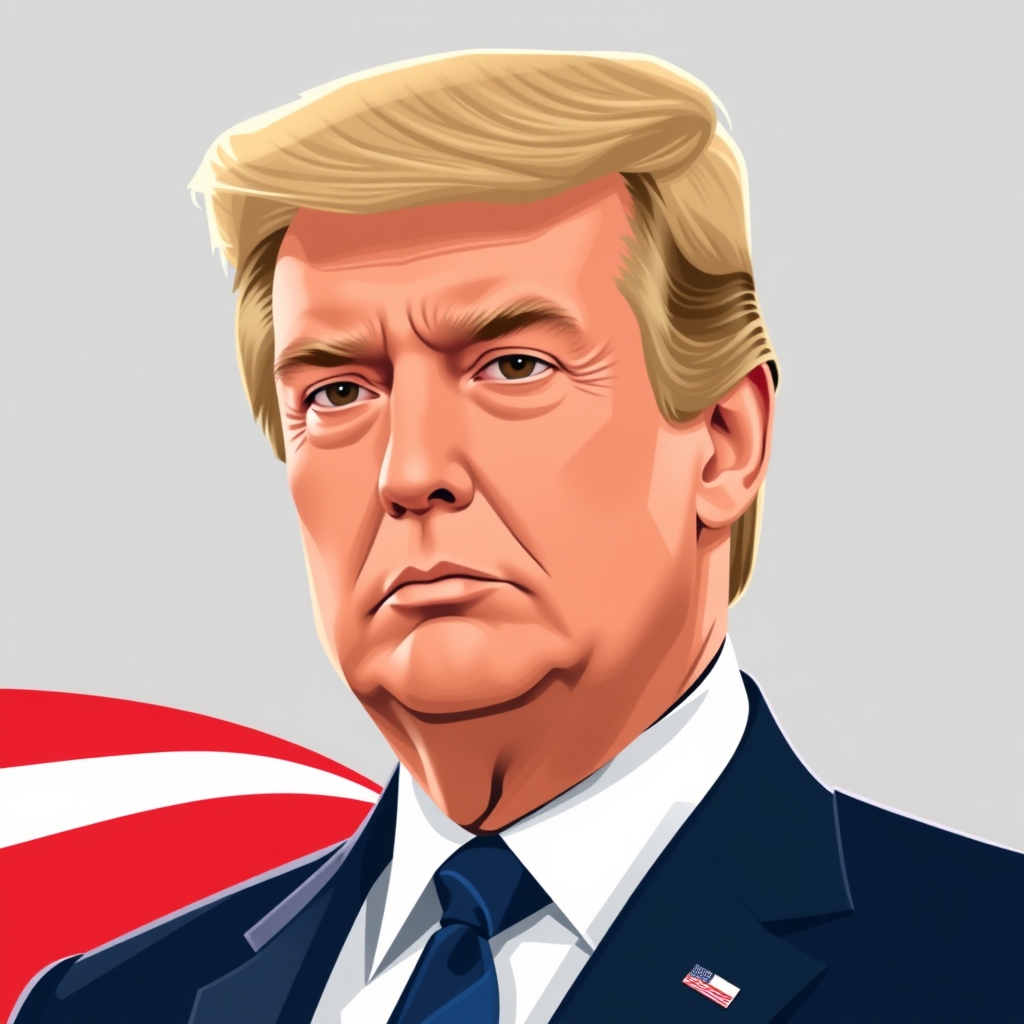
The Trump administration has been running advertisements promoting Trump and his policies using taxpayer funds, which may violate laws against spending public money on political advertising.
After bipartisan pushback, Trump said he will stop using taxpayer funds for such ads.
*AI-generated summary of publicly available data. This is not an official statement of any party.
*AI-generated summary of publicly available statements and reporting. This is not an official statement of this party.
Supporters of the bipartisan critics argue that using taxpayer funds for self-promotion erodes the cultural norm of impartial public service, and they see Trump's reversal as proof that institutional guardrails still work.
Supporters of the bipartisan critics argue that taxpayer-funded self-promotion erodes the cultural norm of restrained, accountable government, and they see Trump's reversal as evidence that inherited institutional limits still hold.
Bipartisan critics counter that the longstanding tradition of presidential communication has always been constrained by norms of restraint, and they argue that Trump's messaging crosses into self-promotion that erodes those inherited cultural standards.
Supporters of the bipartisan critics argue that spending taxpayer funds on ads promoting Trump and his policies violates laws barring public money for political advertising, and they cite his agreement to stop as evidence the practice lacked legal footing.
Supporters of the bipartisan critics argue that taxpayer-funded ads promoting Trump likely violate laws barring public money for political advertising, so his pledge to stop reflects legal accountability, not discretion.
Bipartisan critics counter that a spending pause after the fact does not cure the violation; they argue the legal issue is whether taxpayer funds were used for campaign messaging at all, regardless of later reversal.
Bipartisan critics argue Trump's taxpayer-funded self-promotion was self-dealing that invited the very oversight threatening his agenda. They note he retreated only once bipartisan pressure made the ads a liability, not a principle.
Bipartisan critics argue that Trump conceded only because bipartisan pressure made defiance costlier than compliance. They point to the reversal as proof that scrutiny, not principle, moved him.
Bipartisan critics counter that calling the halt a pragmatic concession misreads the incentive: goodwill was never the goal, and the retreat came only once bipartisan oversight threatened exposure, not persuasion.
Bipartisan critics argue that forcing taxpayers to fund political self-promotion is a moral breach of public trust, since citizens shouldn't be compelled to finance messages they may oppose.
Supporters of the bipartisan critics argue that taxpayer money must never fund political self-promotion, since it forces citizens to finance messaging they may oppose and erodes public trust.
Bipartisan critics counter that publicly funded promotion of a sitting president's policies amounts to self-dealing, not accountability, since taxpayers should not bankroll partisan messaging.
Supporters of the bipartisan critics argue that spending taxpayer funds on self-promotion violates the moral duty of stewardship, holding that public money is a sacred trust to be used for the common good, not political gain.
Supporters of the bipartisan critics argue that using taxpayer funds for self-promotion violates the stewardship Scripture requires of leaders, citing Proverbs that a ruler who loves bribes and misuses public trust cannot stand.
Bipartisan critics counter that true stewardship demands transparent accounting, not merely halting ads after exposure; they cite Proverbs 21:6, wealth gained by deceit vanishes.
*AI-generated summary of publicly available statements and reporting. This is not an official statement of this party.
Supporters of Trump argue that promoting his policies through public messaging is a longstanding cultural tradition of presidential communication, not partisan advertising.
In supporters' view, taxpayer-funded messaging is a long-standing cultural norm of presidential communication, not partisanship; they note Trump yielded to bipartisan pushback and ended the practice.
Supporters of Trump counter that voters long ago lost faith in a neutral bureaucracy, so his branding is cultural authenticity, not corruption—evidence that the guardrails were always elite self-protection.
Supporters of Trump maintain that the ads promoted administration policy, not campaign politics, and note he agreed to halt taxpayer funding once bipartisan critics raised the legal question.
Supporters of Trump argue that halting taxpayer-funded ads shows he respects legal limits, and they maintain that any prior spending was a lawful public-information effort.
Supporters of Trump counter that the agreement to pause such ads reflected a discretionary, good-faith accommodation rather than any admission of illegality, since no court or statute clearly barred the messaging.
Supporters of Trump argue the ads were routine public messaging, and that halting them after bipartisan pushback was a pragmatic concession—preserving goodwill and appropriations leverage rather than admitting any legal violation.
Supporters of Trump argue the ad halt was a tactical concession, not a legal defeat: ceding a minor spend to defuse bipartisan heat preserves larger leverage, since the real prize is narrative control, not the ads.
Supporters of Trump counter that retreating under bipartisan pressure is itself the pragmatic move: the ads had served their purpose, and cutting them once they became a liability preserved leverage for the larger agenda rather than squandering it on principle.
Supporters of Trump argue that promoting his policies informs the public about government actions; they maintain that halting the ads shows accountability to bipartisan critics and taxpayers.
Supporters of Trump argue that halting taxpayer-funded ads was the morally right concession to bipartisan concerns about misuse of public money.
Supporters of Trump counter that taxpayers already fund public communications, so the moral breach lies in denying the president the same platform, not in the funding itself.
Supporters of Trump argue that his decision to stop using taxpayer funds for promotional ads, after bipartisan pushback, reflects a respect for lawful governance and restraint, consistent with religious teachings on honesty and stewardship.
Supporters of Trump argue that governing rightly includes communicating with the public, and that religious tradition honors leaders who speak plainly to their people; they maintain that ending the ads shows humility before the law.
Supporters of Trump counter that the religious case for stewardship also honors the ruler's God-given role, so public communication of leadership is a duty, not theft, and the charge of self-promotion is a judgment better left to Providence.
AI-generated summary of publicly available statements and reporting. This is not an official statement of this party.
Supporters of the bipartisan critics argue that using taxpayer funds for self-promotion erodes the cultural norm of impartial public service, and they see Trump's reversal as proof that institutional guardrails still work.
Supporters of the bipartisan critics argue that taxpayer-funded self-promotion erodes the cultural norm of restrained, accountable government, and they see Trump's reversal as evidence that inherited institutional limits still hold.
Bipartisan critics counter that the longstanding tradition of presidential communication has always been constrained by norms of restraint, and they argue that Trump's messaging crosses into self-promotion that erodes those inherited cultural standards.
Supporters of the bipartisan critics argue that spending taxpayer funds on ads promoting Trump and his policies violates laws barring public money for political advertising, and they cite his agreement to stop as evidence the practice lacked legal footing.
Supporters of the bipartisan critics argue that taxpayer-funded ads promoting Trump likely violate laws barring public money for political advertising, so his pledge to stop reflects legal accountability, not discretion.
Bipartisan critics counter that a spending pause after the fact does not cure the violation; they argue the legal issue is whether taxpayer funds were used for campaign messaging at all, regardless of later reversal.
Bipartisan critics argue Trump's taxpayer-funded self-promotion was self-dealing that invited the very oversight threatening his agenda. They note he retreated only once bipartisan pressure made the ads a liability, not a principle.
Bipartisan critics argue that Trump conceded only because bipartisan pressure made defiance costlier than compliance. They point to the reversal as proof that scrutiny, not principle, moved him.
Bipartisan critics counter that calling the halt a pragmatic concession misreads the incentive: goodwill was never the goal, and the retreat came only once bipartisan oversight threatened exposure, not persuasion.
Bipartisan critics argue that forcing taxpayers to fund political self-promotion is a moral breach of public trust, since citizens shouldn't be compelled to finance messages they may oppose.
Supporters of the bipartisan critics argue that taxpayer money must never fund political self-promotion, since it forces citizens to finance messaging they may oppose and erodes public trust.
Bipartisan critics counter that publicly funded promotion of a sitting president's policies amounts to self-dealing, not accountability, since taxpayers should not bankroll partisan messaging.
Supporters of the bipartisan critics argue that spending taxpayer funds on self-promotion violates the moral duty of stewardship, holding that public money is a sacred trust to be used for the common good, not political gain.
Supporters of the bipartisan critics argue that using taxpayer funds for self-promotion violates the stewardship Scripture requires of leaders, citing Proverbs that a ruler who loves bribes and misuses public trust cannot stand.
Bipartisan critics counter that true stewardship demands transparent accounting, not merely halting ads after exposure; they cite Proverbs 21:6, wealth gained by deceit vanishes.
Supporters of Trump argue that promoting his policies through public messaging is a longstanding cultural tradition of presidential communication, not partisan advertising.
In supporters' view, taxpayer-funded messaging is a long-standing cultural norm of presidential communication, not partisanship; they note Trump yielded to bipartisan pushback and ended the practice.
Supporters of Trump counter that voters long ago lost faith in a neutral bureaucracy, so his branding is cultural authenticity, not corruption—evidence that the guardrails were always elite self-protection.
Supporters of Trump maintain that the ads promoted administration policy, not campaign politics, and note he agreed to halt taxpayer funding once bipartisan critics raised the legal question.
Supporters of Trump argue that halting taxpayer-funded ads shows he respects legal limits, and they maintain that any prior spending was a lawful public-information effort.
Supporters of Trump counter that the agreement to pause such ads reflected a discretionary, good-faith accommodation rather than any admission of illegality, since no court or statute clearly barred the messaging.
Supporters of Trump argue the ads were routine public messaging, and that halting them after bipartisan pushback was a pragmatic concession—preserving goodwill and appropriations leverage rather than admitting any legal violation.
Supporters of Trump argue the ad halt was a tactical concession, not a legal defeat: ceding a minor spend to defuse bipartisan heat preserves larger leverage, since the real prize is narrative control, not the ads.
Supporters of Trump counter that retreating under bipartisan pressure is itself the pragmatic move: the ads had served their purpose, and cutting them once they became a liability preserved leverage for the larger agenda rather than squandering it on principle.
Supporters of Trump argue that promoting his policies informs the public about government actions; they maintain that halting the ads shows accountability to bipartisan critics and taxpayers.
Supporters of Trump argue that halting taxpayer-funded ads was the morally right concession to bipartisan concerns about misuse of public money.
Supporters of Trump counter that taxpayers already fund public communications, so the moral breach lies in denying the president the same platform, not in the funding itself.
Supporters of Trump argue that his decision to stop using taxpayer funds for promotional ads, after bipartisan pushback, reflects a respect for lawful governance and restraint, consistent with religious teachings on honesty and stewardship.
Supporters of Trump argue that governing rightly includes communicating with the public, and that religious tradition honors leaders who speak plainly to their people; they maintain that ending the ads shows humility before the law.
Supporters of Trump counter that the religious case for stewardship also honors the ruler's God-given role, so public communication of leadership is a duty, not theft, and the charge of self-promotion is a judgment better left to Providence.
After bipartisan pushback, Trump announced he will stop using taxpayer funds for advertisements promoting him and his policies.