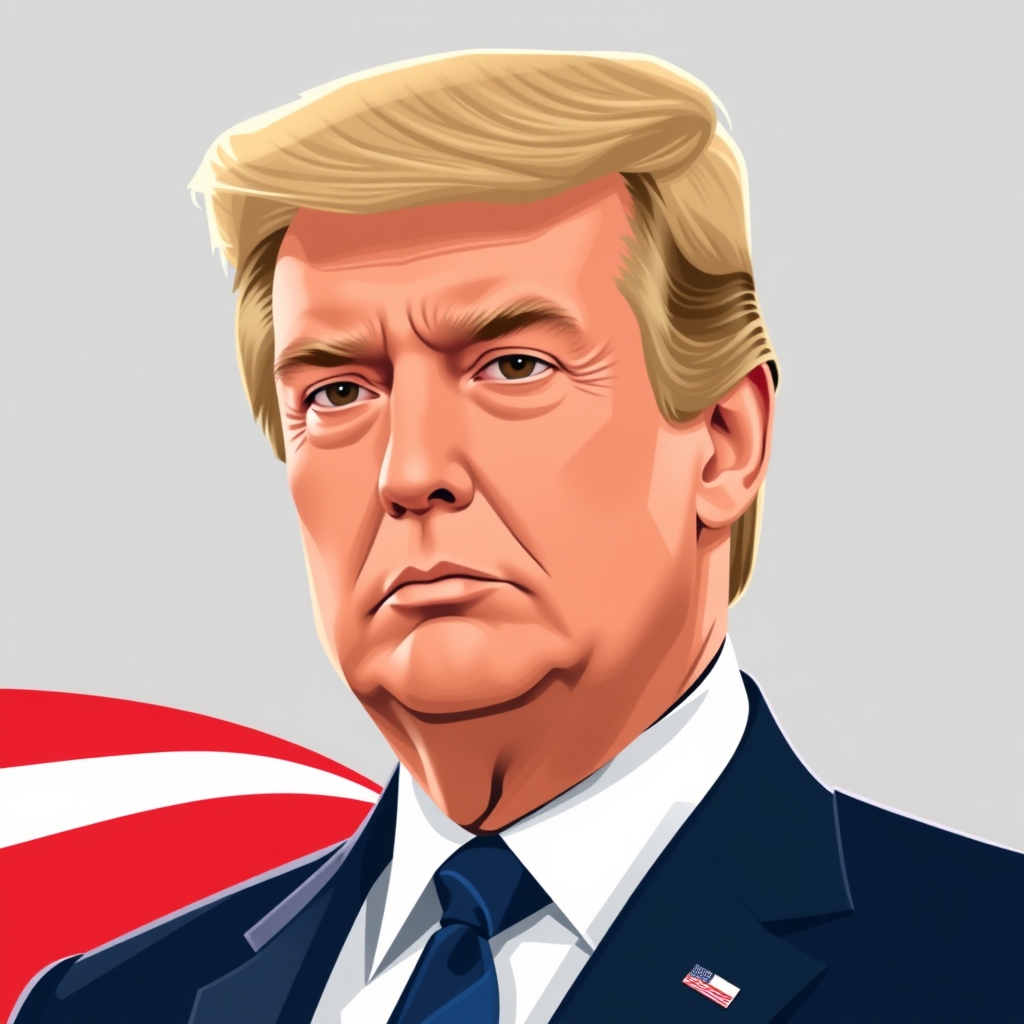
Trump
VS
Ethics experts

The Trump administration has decided to stop using taxpayer money to fund television advertisements that praise the president.
This decision follows criticism from ethics experts who called for independent investigations into three nationally broadcast ads.
*AI-generated summary of publicly available data. This is not an official statement of any party.
*AI-generated summary of publicly available statements and reporting. This is not an official statement of this party.
Supporters of Trump frame the ad halt as deference to public ownership of the purse, arguing taxpayer dollars should not fund any leader's image—even one they back.
Supporters of Trump frame the ad halt as deference to taxpayers, arguing that publicly funded praise of any president erodes the cultural norm that government messaging serves the people rather than the officeholder.
Supporters of Trump counter that civic norms are cultural inheritances, not binding law, and that voters—not ethics experts—hold the authority to judge a president's conduct.
Supporters of Trump argue that ending taxpayer-funded ads praising the president is a lawful exercise of executive discretion, restoring proper use of public funds rather than conceding any legal violation.
Supporters of Trump argue that ending taxpayer funding for self-praising ads is a lawful exercise of executive discretion, since no statute requires such spending and Congress holds the power of the purse.
Supporters of Trump counter that the president, as head of the executive branch, holds legal authority over agency communications, so the ads fall within executive discretion unless a specific statute is shown to be broken.
Supporters of Trump argue that ending taxpayer-funded self-praise ads is a pragmatic concession: it denies ethics experts a grievance, costs him nothing, and preserves goodwill while the underlying power to message remains intact.
Supporters of Trump argue the ad halt is a tactical concession: by ending taxpayer-funded praise, he denies ethics experts their grievance and reclaims the spending fight on his terms.
Supporters of Trump counter that ending the ads was not concession but cost control: the scrutiny itself became the liability, so stopping it denied critics a target and preserved leverage for later.
Supporters of Trump argue that ending taxpayer-funded ads praising the president honors the moral duty to respect public money, showing he puts principle above self-promotion.
Supporters of Trump argue that ending taxpayer-funded ads praising the president shows he puts principle over self-promotion, honoring the public's money even when it costs him.
Supporters of Trump counter that public funds already finance routine presidential communications, so the moral line ethics experts draw is arbitrary; they argue intent and precedent, not the mere act of messaging, should decide the issue.
Supporters of Trump argue that ending taxpayer-funded ads praising the president honors a religious duty of stewardship, since public money is entrusted for the common good, not self-exaltation. They maintain humility before God forbids using state funds to glorify any leader.
Supporters of Trump argue that ending taxpayer-funded self-praise ads honors a moral duty of stewardship, since public money is a trust from the people and should not serve any leader's image.
Supporters of Trump counter that scripture commands honor for governing authorities as God-ordained, so public tribute to a president reflects obedience to divine order rather than idolatry.
*AI-generated summary of publicly available statements and reporting. This is not an official statement of this party.
Supporters of the ethics experts argue that taxpayer-funded praise for a sitting president corrodes longstanding civic norms, and they see the reversal as proof that inherited institutional restraints still matter.
Supporters of the ethics experts argue that publicly funded self-praise ads erode inherited civic norms of restraint and accountability, and that only independent review can restore the public trust those traditions sustain.
Supporters of Ethics experts counter that public money has long funded presidential monuments and portraits as shared civic heritage, not personal image-making, so framing the halt as deference to taxpayers erases that cultural continuity.
Supporters of ethics experts argue that taxpayer-funded ads praising the president may violate legal limits on using public money for personal or political self-promotion, so they maintain independent investigations are needed to determine whether the spending broke those rules.
Supporters of ethics experts argue that taxpayer-funded ads praising a sitting president may violate federal law barring the use of appropriated funds for personal or partisan promotion, and they maintain that only an independent investigation can determine whether such spending.
Supporters of Ethics experts counter that executive discretion over spending is not unlimited: the Impoundment Control Act requires Congress's approval before the president withholds appropriated funds, so ending the ads unilaterally may itself violate the law.
Supporters of the ethics experts argue that pressing for investigations into the ads was leverage: the scrutiny made the spending politically costly, forcing Trump to end it without conceding fault.
Supporters of the ethics experts argue that Trump’s retreat on taxpayer-funded self-praise proves scrutiny works: the ads were leverage, and bad press made them costlier than any benefit they bought.
Supporters of Ethics experts counter that the concession costs nothing precisely because messaging power stays intact; they note that a grievance denied is leverage surrendered, so ethics advocates gain optics while Trump keeps the underlying capability.
Supporters of ethics experts argue that taxpayer-funded ads praising a sitting president are a moral misuse of public money, since they blur the line between state resources and personal promotion.
Supporters of the ethics experts argue that publicly funded self-praise ads betray the public trust, since taxpayer dollars should serve the people's interests, not a leader's image.
Supporters of Ethics experts counter that moral duty also demands transparency: canceling ads that merely inform the public, while refusing to release records, substitutes one self-serving principle for accountability.
Supporters of the ethics experts argue that public funds praising a leader risk idolatry, since scripture reserves ultimate honor for God alone, not earthly rulers.
Supporters of the ethics experts argue that public funds praising a leader risk idolatry, since scripture reserves ultimate honor for God alone and calls rulers to humble service.
Supporters of Ethics experts counter that stewardship also demands honest public information, and scripture warns against silencing truth; they argue that cutting all civic messaging to remove praise risks leaving citizens uninformed.
AI-generated summary of publicly available statements and reporting. This is not an official statement of this party.
Supporters of Trump frame the ad halt as deference to public ownership of the purse, arguing taxpayer dollars should not fund any leader's image—even one they back.
Supporters of Trump frame the ad halt as deference to taxpayers, arguing that publicly funded praise of any president erodes the cultural norm that government messaging serves the people rather than the officeholder.
Supporters of Trump counter that civic norms are cultural inheritances, not binding law, and that voters—not ethics experts—hold the authority to judge a president's conduct.
Supporters of Trump argue that ending taxpayer-funded ads praising the president is a lawful exercise of executive discretion, restoring proper use of public funds rather than conceding any legal violation.
Supporters of Trump argue that ending taxpayer funding for self-praising ads is a lawful exercise of executive discretion, since no statute requires such spending and Congress holds the power of the purse.
Supporters of Trump counter that the president, as head of the executive branch, holds legal authority over agency communications, so the ads fall within executive discretion unless a specific statute is shown to be broken.
Supporters of Trump argue that ending taxpayer-funded self-praise ads is a pragmatic concession: it denies ethics experts a grievance, costs him nothing, and preserves goodwill while the underlying power to message remains intact.
Supporters of Trump argue the ad halt is a tactical concession: by ending taxpayer-funded praise, he denies ethics experts their grievance and reclaims the spending fight on his terms.
Supporters of Trump counter that ending the ads was not concession but cost control: the scrutiny itself became the liability, so stopping it denied critics a target and preserved leverage for later.
Supporters of Trump argue that ending taxpayer-funded ads praising the president honors the moral duty to respect public money, showing he puts principle above self-promotion.
Supporters of Trump argue that ending taxpayer-funded ads praising the president shows he puts principle over self-promotion, honoring the public's money even when it costs him.
Supporters of Trump counter that public funds already finance routine presidential communications, so the moral line ethics experts draw is arbitrary; they argue intent and precedent, not the mere act of messaging, should decide the issue.
Supporters of Trump argue that ending taxpayer-funded ads praising the president honors a religious duty of stewardship, since public money is entrusted for the common good, not self-exaltation. They maintain humility before God forbids using state funds to glorify any leader.
Supporters of Trump argue that ending taxpayer-funded self-praise ads honors a moral duty of stewardship, since public money is a trust from the people and should not serve any leader's image.
Supporters of Trump counter that scripture commands honor for governing authorities as God-ordained, so public tribute to a president reflects obedience to divine order rather than idolatry.
Supporters of the ethics experts argue that taxpayer-funded praise for a sitting president corrodes longstanding civic norms, and they see the reversal as proof that inherited institutional restraints still matter.
Supporters of the ethics experts argue that publicly funded self-praise ads erode inherited civic norms of restraint and accountability, and that only independent review can restore the public trust those traditions sustain.
Supporters of Ethics experts counter that public money has long funded presidential monuments and portraits as shared civic heritage, not personal image-making, so framing the halt as deference to taxpayers erases that cultural continuity.
Supporters of ethics experts argue that taxpayer-funded ads praising the president may violate legal limits on using public money for personal or political self-promotion, so they maintain independent investigations are needed to determine whether the spending broke those rules.
Supporters of ethics experts argue that taxpayer-funded ads praising a sitting president may violate federal law barring the use of appropriated funds for personal or partisan promotion, and they maintain that only an independent investigation can determine whether such spending.
Supporters of Ethics experts counter that executive discretion over spending is not unlimited: the Impoundment Control Act requires Congress's approval before the president withholds appropriated funds, so ending the ads unilaterally may itself violate the law.
Supporters of the ethics experts argue that pressing for investigations into the ads was leverage: the scrutiny made the spending politically costly, forcing Trump to end it without conceding fault.
Supporters of the ethics experts argue that Trump’s retreat on taxpayer-funded self-praise proves scrutiny works: the ads were leverage, and bad press made them costlier than any benefit they bought.
Supporters of Ethics experts counter that the concession costs nothing precisely because messaging power stays intact; they note that a grievance denied is leverage surrendered, so ethics advocates gain optics while Trump keeps the underlying capability.
Supporters of ethics experts argue that taxpayer-funded ads praising a sitting president are a moral misuse of public money, since they blur the line between state resources and personal promotion.
Supporters of the ethics experts argue that publicly funded self-praise ads betray the public trust, since taxpayer dollars should serve the people's interests, not a leader's image.
Supporters of Ethics experts counter that moral duty also demands transparency: canceling ads that merely inform the public, while refusing to release records, substitutes one self-serving principle for accountability.
Supporters of the ethics experts argue that public funds praising a leader risk idolatry, since scripture reserves ultimate honor for God alone, not earthly rulers.
Supporters of the ethics experts argue that public funds praising a leader risk idolatry, since scripture reserves ultimate honor for God alone and calls rulers to humble service.
Supporters of Ethics experts counter that stewardship also demands honest public information, and scripture warns against silencing truth; they argue that cutting all civic messaging to remove praise risks leaving citizens uninformed.
Move comes after ethics experts criticised three nationally broadcast ads and called for independent investigations.