Trump
VS
Europe
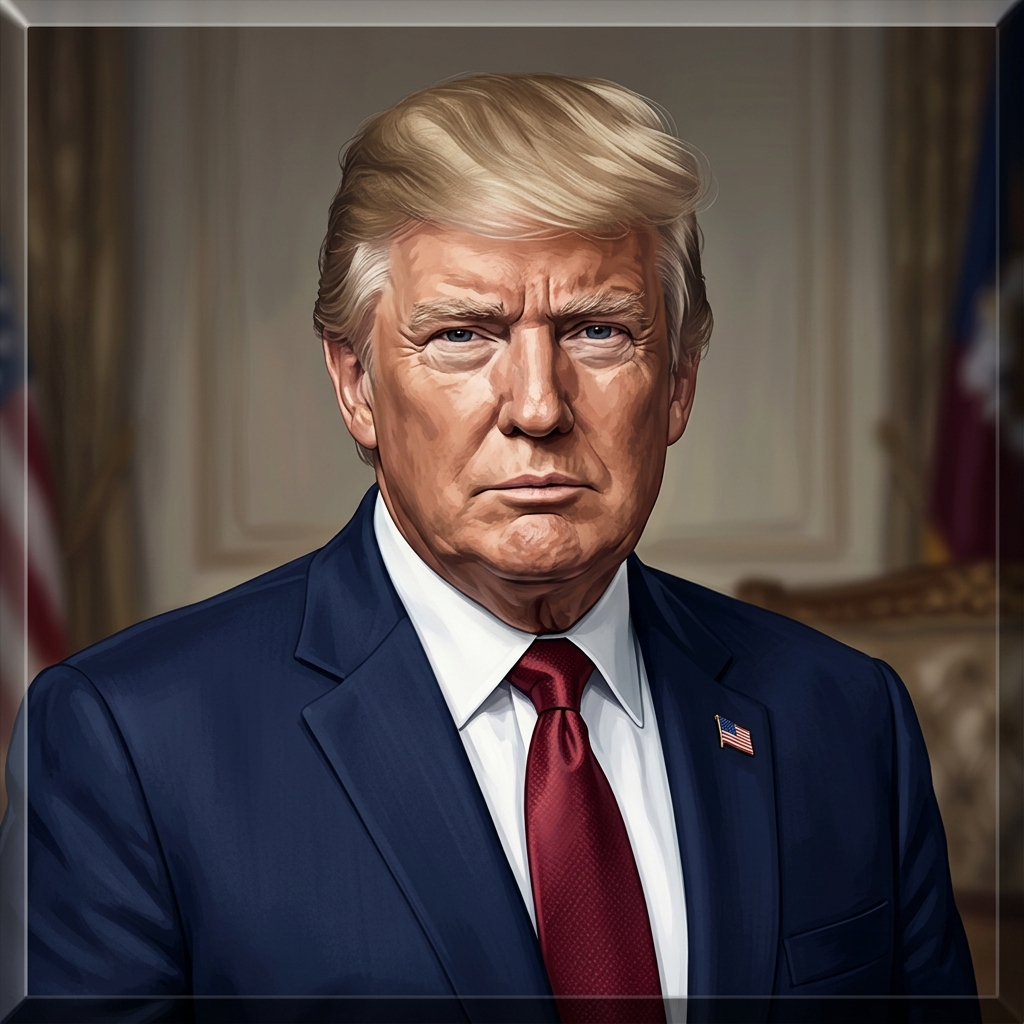
The sides in this dispute are the administration of US President Donald Trump and European governments, particularly France and Germany.
The Trump administration is pressing Europe to release diesel stocks or face a US ban on diesel exports, a measure it is considering to ease fuel prices in the United States ahead of the November elections.
European governments, for their part, are being told to prepare their fuel supplies in case such a ban is implemented.
The two sides have conflicting interests over fuel supplies and broader transatlantic relations.
The US is racing to bring down domestic fuel prices before the November midterm elections, while Europe's relationship with Washington has soured under Trump due to tariff disputes and disagreements over military spending.
The US has told France and Germany to release diesel stocks or face a US export ban, putting Europe under fresh pressure.
The dispute comes amid wider tensions between the Trump administration and Europe.
The United States appears ready to pull much of its military from Europe, and the Trump administration has diverted aid for Europe to Latin America instead, including tens of millions of dollars that Congress had allocated.
*AI-generated summary of publicly available data. This is not an official statement of any party.
*AI-generated summary of publicly available statements and reporting. This is not an official statement of this party.
Supporters of Trump frame the diesel export ban as putting American families and sovereignty first, prioritizing domestic fuel prices over Europe's needs before the elections.
Supporters of Trump argue that keeping US diesel at home is a matter of national self-interest, insisting America's resources should serve its own citizens first before foreign markets.
Supporters of Trump counter that Europe's fuel security hinges on cultural self-determination, arguing that relying on external suppliers like Russia undermines national identity.
Supporters of Trump argue a president holds legal authority over export licensing to protect domestic supply, urging Europe to secure its own fuel rather than rely on US restraint.
Supporters of Trump argue a president has legal authority over export licensing to protect domestic supply, and that urging Europe to prepare is fair notice, not coercion.
Supporters of Trump counter that WTO rules and trade pacts bind only signatories' voluntary commitments, and that a sovereign US retains legal authority to restrict exports for national security or domestic supply reasons.
Supporters of Trump argue the export ban is leverage: easing US pump prices before November buys votes, while forcing Europe to stockpile first shifts the burden of scarcity onto allies who have few alternatives.
Supporters of Trump argue the threat to ban diesel exports is leverage: Europe needs US fuel, so pressuring Brussels pre-election buys concessions and lowers US pump prices at little cost.
Supporters of Trump counter that election timing is irrelevant: the leverage itself is the policy, and Europe's scramble to stockpile and diversify concedes the point that access to US fuel is a concession, not a right.
Supporters of Trump argue that prioritizing domestic fuel prices before an election is a legitimate moral duty to American voters, even if Europe must prepare for supply disruptions.
Supporters of Trump argue that prioritizing cheaper US diesel for American voters before the November elections is a moral duty to citizens, and that Europe, having long relied on US fuel, should now secure its own supplies.
Supporters of Trump counter that allies relying on American defense for decades while blocking US energy exports forfeited any moral claim to voluntary cooperation.
Supporters of Trump argue that prioritizing affordable fuel for American households ahead of the November elections reflects a moral duty to steward one's own nation first, a principle they see rooted in traditional teachings on providence and care for one's own.
Supporters of Trump argue that prioritizing American fuel needs reflects a steward's duty to protect one's own household first, a moral order they see rooted in scripture and natural law.
Supporters of Trump counter that scripture also charges rulers to secure their own people first, and that a nation unable to keep its own households warm cannot answer for those abroad.
*AI-generated summary of publicly available statements and reporting. This is not an official statement of this party.
Supporters of Europe argue that fuel security is a matter of national sovereignty, not a bargaining chip for another nation's elections, and that Europe must uphold its own energy independence.
Supporters of Europe argue that energy security is a matter of sovereignty, not leverage, and that inherited alliances should not be treated as bargaining chips ahead of another nation's elections.
Supporters of Europe counter that allied fuel solidarity reflects a shared cultural commitment to mutual defense, and abandoning partners for domestic polls erodes the trust that has long bound the West together.
Supporters of Europe argue that a US diesel export ban would breach WTO rules and transatlantic trade commitments, insisting fuel supply be governed by international law, not unilateral election-driven measures.
Supporters of Europe argue that a unilateral US diesel export ban would breach WTO trade rules, and they maintain that any supply shift requires prior legal consultation and notice under transatlantic trade commitments.
Supporters of Europe counter that US export licenses are bound by WTO commitments, so a president cannot unilaterally restrict supply without breaching trade law.
Supporters of Europe argue that Trump's diesel threat is election leverage, not policy: they maintain the bloc must stockpile now and diversify suppliers, since relying on a US president who weaponizes fuel before votes invites coercion.
Supporters of Europe argue that Trump's diesel threat is election-year leverage, and that Europe's only prudent response is to diversify suppliers now rather than trust a leader whose incentives shift with US voters.
Supporters of Europe counter that the ban's real leverage runs the other way: with US crude unexportable, allies pivot to OPEC and Russia, permanently ceding market share Washington cannot reclaim after November.
Supporters of Europe argue that coercing allies to absorb America's fuel shortages for electoral gain violates the principle of voluntary cooperation between free nations.
Supporters of Europe argue that blocking diesel exports to serve one nation's election timing is morally wrong, since fuel markets rest on voluntary exchange and Europe's citizens never consented to bear the cost of America's political calendar.
Supporters of Europe counter that a moral duty to voters cannot hinge on shifting scarcity onto allies; they argue that deliberately letting Europe absorb supply shocks treats allied citizens as means to an electoral end.
Supporters of Europe argue that fuel policy should protect the vulnerable, invoking scripture's call to steward resources and serve the needy, and maintain that hoarding energy for electoral gain violates the moral duty nations owe one another.
Supporters of Europe argue that stewardship of creation, a biblical mandate, obliges nations not to hoard fuel at a neighbor's expense, and they cite scripture's call to seek the good of others.
Supporters of Europe counter that scripture's call to welcome the stranger and love the neighbor transcends borders, so stewardship of one nation cannot justify ignoring the global poor's cry for climate justice.
AI-generated summary of publicly available statements and reporting. This is not an official statement of this party.
Supporters of Trump frame the diesel export ban as putting American families and sovereignty first, prioritizing domestic fuel prices over Europe's needs before the elections.
Supporters of Trump argue that keeping US diesel at home is a matter of national self-interest, insisting America's resources should serve its own citizens first before foreign markets.
Supporters of Trump counter that Europe's fuel security hinges on cultural self-determination, arguing that relying on external suppliers like Russia undermines national identity.
Supporters of Trump argue a president holds legal authority over export licensing to protect domestic supply, urging Europe to secure its own fuel rather than rely on US restraint.
Supporters of Trump argue a president has legal authority over export licensing to protect domestic supply, and that urging Europe to prepare is fair notice, not coercion.
Supporters of Trump counter that WTO rules and trade pacts bind only signatories' voluntary commitments, and that a sovereign US retains legal authority to restrict exports for national security or domestic supply reasons.
Supporters of Trump argue the export ban is leverage: easing US pump prices before November buys votes, while forcing Europe to stockpile first shifts the burden of scarcity onto allies who have few alternatives.
Supporters of Trump argue the threat to ban diesel exports is leverage: Europe needs US fuel, so pressuring Brussels pre-election buys concessions and lowers US pump prices at little cost.
Supporters of Trump counter that election timing is irrelevant: the leverage itself is the policy, and Europe's scramble to stockpile and diversify concedes the point that access to US fuel is a concession, not a right.
Supporters of Trump argue that prioritizing domestic fuel prices before an election is a legitimate moral duty to American voters, even if Europe must prepare for supply disruptions.
Supporters of Trump argue that prioritizing cheaper US diesel for American voters before the November elections is a moral duty to citizens, and that Europe, having long relied on US fuel, should now secure its own supplies.
Supporters of Trump counter that allies relying on American defense for decades while blocking US energy exports forfeited any moral claim to voluntary cooperation.
Supporters of Trump argue that prioritizing affordable fuel for American households ahead of the November elections reflects a moral duty to steward one's own nation first, a principle they see rooted in traditional teachings on providence and care for one's own.
Supporters of Trump argue that prioritizing American fuel needs reflects a steward's duty to protect one's own household first, a moral order they see rooted in scripture and natural law.
Supporters of Trump counter that scripture also charges rulers to secure their own people first, and that a nation unable to keep its own households warm cannot answer for those abroad.
Supporters of Europe argue that fuel security is a matter of national sovereignty, not a bargaining chip for another nation's elections, and that Europe must uphold its own energy independence.
Supporters of Europe argue that energy security is a matter of sovereignty, not leverage, and that inherited alliances should not be treated as bargaining chips ahead of another nation's elections.
Supporters of Europe counter that allied fuel solidarity reflects a shared cultural commitment to mutual defense, and abandoning partners for domestic polls erodes the trust that has long bound the West together.
Supporters of Europe argue that a US diesel export ban would breach WTO rules and transatlantic trade commitments, insisting fuel supply be governed by international law, not unilateral election-driven measures.
Supporters of Europe argue that a unilateral US diesel export ban would breach WTO trade rules, and they maintain that any supply shift requires prior legal consultation and notice under transatlantic trade commitments.
Supporters of Europe counter that US export licenses are bound by WTO commitments, so a president cannot unilaterally restrict supply without breaching trade law.
Supporters of Europe argue that Trump's diesel threat is election leverage, not policy: they maintain the bloc must stockpile now and diversify suppliers, since relying on a US president who weaponizes fuel before votes invites coercion.
Supporters of Europe argue that Trump's diesel threat is election-year leverage, and that Europe's only prudent response is to diversify suppliers now rather than trust a leader whose incentives shift with US voters.
Supporters of Europe counter that the ban's real leverage runs the other way: with US crude unexportable, allies pivot to OPEC and Russia, permanently ceding market share Washington cannot reclaim after November.
Supporters of Europe argue that coercing allies to absorb America's fuel shortages for electoral gain violates the principle of voluntary cooperation between free nations.
Supporters of Europe argue that blocking diesel exports to serve one nation's election timing is morally wrong, since fuel markets rest on voluntary exchange and Europe's citizens never consented to bear the cost of America's political calendar.
Supporters of Europe counter that a moral duty to voters cannot hinge on shifting scarcity onto allies; they argue that deliberately letting Europe absorb supply shocks treats allied citizens as means to an electoral end.
Supporters of Europe argue that fuel policy should protect the vulnerable, invoking scripture's call to steward resources and serve the needy, and maintain that hoarding energy for electoral gain violates the moral duty nations owe one another.
Supporters of Europe argue that stewardship of creation, a biblical mandate, obliges nations not to hoard fuel at a neighbor's expense, and they cite scripture's call to seek the good of others.
Supporters of Europe counter that scripture's call to welcome the stranger and love the neighbor transcends borders, so stewardship of one nation cannot justify ignoring the global poor's cry for climate justice.
The November elections that the diesel export ban aims to influence by easing US fuel prices.
Europe's leaders are mulling proposals to respond to Trump's diesel demands.
The United States told France and Germany to release diesel stocks or face a US export ban, according to sources cited by Reuters.
Trump defied Democrats and diverted aid for Europe to Latin America instead, including tens of millions of dollars that Congress had allocated.
Foreign Affairs published an analysis stating that the United States appears ready to pull much of its military from Europe, citing the Trump administration's 2025 National Security Strategy.