Federal Reserve

VS
Trump
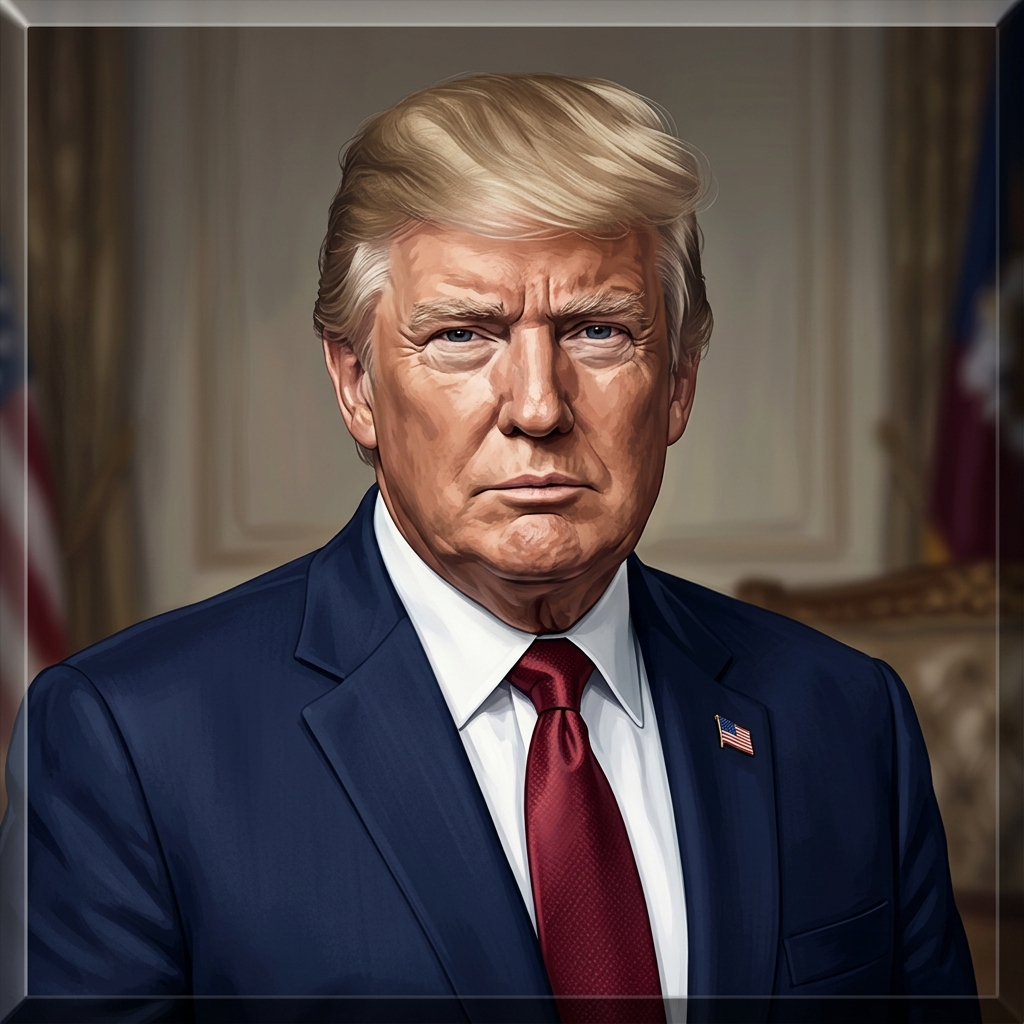
Donald Trump, the President of the United States, and the Federal Reserve, the central banking system of the country, are in conflict.
The Federal Reserve, led by Chair Jerome Powell, is responsible for setting monetary policy, including interest rates, to manage inflation and support economic stability.
Trump, as president, has repeatedly called for lower interest rates to boost economic growth, while the Fed has maintained a more cautious approach, prioritizing inflation control.
The disagreement centers on the direction of monetary policy.
Trump has demanded rapid interest rate cuts, but the Fed, under Powell, has resisted, citing persistent inflation and the need to maintain its independence from political influence.
This clash has escalated into personal attacks and threats by Trump to remove Powell from his position, raising concerns about the Fed's ability to operate without political pressure.
The stakes are high: economists and analysts warn that political interference in the Fed's decisions could lead to higher inflation and undermine the credibility of U.S. monetary policy.
The conflict also highlights a broader debate about the appropriate balance between presidential influence and central bank independence in economic governance.
*AI-generated summary of publicly available data. This is not an official statement of any party.
*AI-generated summary of publicly available statements and reporting. This is not an official statement of this party.
Supporters of the Federal Reserve maintain that its institutional independence preserves monetary stability, shielding the dollar from political pressure and safeguarding inherited economic order.
Supporters of the Federal Reserve argue that its institutional independence preserves monetary stability, shielding the nation’s economic order from short-term political pressure. They maintain that protecting Governor Lisa Cook from removal is a cultural defense of established.
Supporters of the Federal Reserve counter that its rate policy reflects institutional continuity, not elite bias, and that pressure to remove Cook disrupts the cultural stability of independent expertise.
Supporters of the Federal Reserve argue that its legal independence, as established by statute, shields Governors like Lisa Cook from removal absent cause, and that the President's pressure to cut rates violates that statutory design.
Supporters of the Federal Reserve argue its legal independence, enshrined in the Federal Reserve Act, shields Governor Lisa Cook from removal over policy disagreements, protecting the central bank's statutory mandate from political pressure.
Supporters of the Federal Reserve counter that statutory independence is precisely the legal safeguard Congress enacted, and the President's removal power over governors like Lisa Cook is constrained by the Federal Reserve Act's for-cause standard, which courts have upheld as.
Supporters of the Federal Reserve argue that Trump’s bid to oust Governor Cook is raw power politics, exposing the central bank’s structural vulnerability. They maintain that independence is the only shield against short-term electoral incentives, and that yielding to.
Supporters of the Federal Reserve argue that insulating the central bank from political pressure is a matter of institutional survival, not just economic prudence. They see the push to remove Lisa Cook as a power grab that would subordinate monetary policy to presidential.
Supporters of the Federal Reserve counter that removing Governor Cook is a symbolic gesture with no policy teeth, as the Board’s voting majority and market expectations—not one governor—dictate rate decisions. They argue Trump’s pressure backfires, deepening institutional.
Supporters of the Federal Reserve argue that its independence is a moral safeguard against political coercion, protecting the public’s long-term economic welfare from short-term partisan pressure.
Supporters of the Federal Reserve argue that its independence is a moral safeguard against political coercion, ensuring monetary policy serves the public’s long-term economic welfare rather than a president’s short-term electoral interests. They maintain that targeting Lisa Cook.
Supporters of the Federal Reserve counter that unchecked inflation is the gravest moral failure, silently eroding family savings and wages; rate hikes defend workers' purchasing power, not abstract metrics.
Supporters of the Federal Reserve argue its independence guards against political pressure, reflecting a stewardship principle that monetary decisions serve the common good, not transient leaders.
Supporters of the Federal Reserve argue that its independence is a divine stewardship of economic order, resisting political pressure to cut rates as a moral duty against inflationary injustice.
Supporters of the Federal Reserve counter that its independence mirrors the Creator’s design of impartial justice, not defiance, as Cook’s removal would politicize money, tempting rulers to corrupt the stewardship of resources for mortal gain.
*AI-generated summary of publicly available statements and reporting. This is not an official statement of this party.
Supporters of Trump argue that the Fed’s rate policy repeats a historical pattern of elite central bankers stifling working-class growth, and they see Cook’s removal as a cultural correction toward accountable, Main Street-first leadership.
Supporters of Trump argue that the Fed's independence is a modern exception, not a sacred tradition—earlier presidents like Nixon also pressured the central bank, and Trump’s push to fire Cook reflects a cultural belief that elected leaders, not unelected technocrats, should set.
Supporters of Trump counter that Fed independence merely protects an entrenched elite, recalling past cycles where Washington’s monetary policy fueled boom-and-bust, from the 1970s stagflation to 2008’s crash. They argue cultural tradition favors accountable, Main Street-driven.
Supporters of Trump argue that Federal Reserve independence is a statutory arrangement, not a constitutional absolute, and that the President's removal power over governors like Lisa Cook is legally defensible under the law.
Supporters of Trump argue that Fed governor removals are legally permissible under 12 U.S.C. § 242, which allows dismissal for cause, and that Cook’s policy dissent on rate cuts constitutes such cause, making his action a lawful exercise of executive authority.
Supporters of Trump counter that statutory independence does not immunize the Fed from constitutional oversight, citing the President’s Article II authority to supervise executive agencies and remove principal officers for policy disagreements, as affirmed in cases like Myers v.
Supporters of Trump argue the Federal Reserve is an unaccountable power bloc that stalls his agenda, so removing Governor Cook is a pragmatic move to force rate cuts that boost growth.
Supporters of Trump argue the Fed's independence is a myth; its rate hikes protect elite creditors while strangling growth. They view Cook's removal as raw, necessary leverage—power over policy, not legal nicety.
Supporters of Trump counter that Fed independence is a convenient fiction, masking bureaucratic self-interest over public accountability. They argue Cook’s removal is a legitimate lever to align monetary policy with electoral mandates, not a vulnerability but a correction of.
Supporters of Trump argue that the Federal Reserve's inflation-fighting rate hikes prioritize abstract economic metrics over the moral duty to protect American families and working-class livelihoods.
Supporters of Trump argue that the Federal Reserve's slow response to economic distress reflects a moral failure to prioritize working families over institutional caution, and they maintain that removing Governor Cook is a necessary act of stewardship to realign monetary policy.
Supporters of Trump counter that Fed independence itself becomes an immoral shield for unaccountable elites, insulating decisions that inflate asset bubbles and burden working families while ignoring the democratic will of voters who bear the costs.
Supporters of Trump argue that the Federal Reserve’s guarded independence defies the divine order of accountable leadership, viewing Cook’s removal as a rightful restoration of constitutional authority over monetary stewardship.
Supporters of Trump argue that his push to remove Federal Reserve Governor Lisa Cook reflects a divine-ordained duty to restore accountability to unaccountable institutions, viewing his authority as a God-given mandate to correct economic stewardship.
Supporters of Trump counter that Federal Reserve independence elevates unelected technocrats above constitutional authority, and that stewardship ultimately answers to the people, not to an institution’s self-appointed wisdom.
AI-generated summary of publicly available statements and reporting. This is not an official statement of this party.
Supporters of the Federal Reserve maintain that its institutional independence preserves monetary stability, shielding the dollar from political pressure and safeguarding inherited economic order.
Supporters of the Federal Reserve argue that its institutional independence preserves monetary stability, shielding the nation’s economic order from short-term political pressure. They maintain that protecting Governor Lisa Cook from removal is a cultural defense of established.
Supporters of the Federal Reserve counter that its rate policy reflects institutional continuity, not elite bias, and that pressure to remove Cook disrupts the cultural stability of independent expertise.
Supporters of the Federal Reserve argue that its legal independence, as established by statute, shields Governors like Lisa Cook from removal absent cause, and that the President's pressure to cut rates violates that statutory design.
Supporters of the Federal Reserve argue its legal independence, enshrined in the Federal Reserve Act, shields Governor Lisa Cook from removal over policy disagreements, protecting the central bank's statutory mandate from political pressure.
Supporters of the Federal Reserve counter that statutory independence is precisely the legal safeguard Congress enacted, and the President's removal power over governors like Lisa Cook is constrained by the Federal Reserve Act's for-cause standard, which courts have upheld as.
Supporters of the Federal Reserve argue that Trump’s bid to oust Governor Cook is raw power politics, exposing the central bank’s structural vulnerability. They maintain that independence is the only shield against short-term electoral incentives, and that yielding to.
Supporters of the Federal Reserve argue that insulating the central bank from political pressure is a matter of institutional survival, not just economic prudence. They see the push to remove Lisa Cook as a power grab that would subordinate monetary policy to presidential.
Supporters of the Federal Reserve counter that removing Governor Cook is a symbolic gesture with no policy teeth, as the Board’s voting majority and market expectations—not one governor—dictate rate decisions. They argue Trump’s pressure backfires, deepening institutional.
Supporters of the Federal Reserve argue that its independence is a moral safeguard against political coercion, protecting the public’s long-term economic welfare from short-term partisan pressure.
Supporters of the Federal Reserve argue that its independence is a moral safeguard against political coercion, ensuring monetary policy serves the public’s long-term economic welfare rather than a president’s short-term electoral interests. They maintain that targeting Lisa Cook.
Supporters of the Federal Reserve counter that unchecked inflation is the gravest moral failure, silently eroding family savings and wages; rate hikes defend workers' purchasing power, not abstract metrics.
Supporters of the Federal Reserve argue its independence guards against political pressure, reflecting a stewardship principle that monetary decisions serve the common good, not transient leaders.
Supporters of the Federal Reserve argue that its independence is a divine stewardship of economic order, resisting political pressure to cut rates as a moral duty against inflationary injustice.
Supporters of the Federal Reserve counter that its independence mirrors the Creator’s design of impartial justice, not defiance, as Cook’s removal would politicize money, tempting rulers to corrupt the stewardship of resources for mortal gain.
Supporters of Trump argue that the Fed’s rate policy repeats a historical pattern of elite central bankers stifling working-class growth, and they see Cook’s removal as a cultural correction toward accountable, Main Street-first leadership.
Supporters of Trump argue that the Fed's independence is a modern exception, not a sacred tradition—earlier presidents like Nixon also pressured the central bank, and Trump’s push to fire Cook reflects a cultural belief that elected leaders, not unelected technocrats, should set.
Supporters of Trump counter that Fed independence merely protects an entrenched elite, recalling past cycles where Washington’s monetary policy fueled boom-and-bust, from the 1970s stagflation to 2008’s crash. They argue cultural tradition favors accountable, Main Street-driven.
Supporters of Trump argue that Federal Reserve independence is a statutory arrangement, not a constitutional absolute, and that the President's removal power over governors like Lisa Cook is legally defensible under the law.
Supporters of Trump argue that Fed governor removals are legally permissible under 12 U.S.C. § 242, which allows dismissal for cause, and that Cook’s policy dissent on rate cuts constitutes such cause, making his action a lawful exercise of executive authority.
Supporters of Trump counter that statutory independence does not immunize the Fed from constitutional oversight, citing the President’s Article II authority to supervise executive agencies and remove principal officers for policy disagreements, as affirmed in cases like Myers v.
Supporters of Trump argue the Federal Reserve is an unaccountable power bloc that stalls his agenda, so removing Governor Cook is a pragmatic move to force rate cuts that boost growth.
Supporters of Trump argue the Fed's independence is a myth; its rate hikes protect elite creditors while strangling growth. They view Cook's removal as raw, necessary leverage—power over policy, not legal nicety.
Supporters of Trump counter that Fed independence is a convenient fiction, masking bureaucratic self-interest over public accountability. They argue Cook’s removal is a legitimate lever to align monetary policy with electoral mandates, not a vulnerability but a correction of.
Supporters of Trump argue that the Federal Reserve's inflation-fighting rate hikes prioritize abstract economic metrics over the moral duty to protect American families and working-class livelihoods.
Supporters of Trump argue that the Federal Reserve's slow response to economic distress reflects a moral failure to prioritize working families over institutional caution, and they maintain that removing Governor Cook is a necessary act of stewardship to realign monetary policy.
Supporters of Trump counter that Fed independence itself becomes an immoral shield for unaccountable elites, insulating decisions that inflate asset bubbles and burden working families while ignoring the democratic will of voters who bear the costs.
Supporters of Trump argue that the Federal Reserve’s guarded independence defies the divine order of accountable leadership, viewing Cook’s removal as a rightful restoration of constitutional authority over monetary stewardship.
Supporters of Trump argue that his push to remove Federal Reserve Governor Lisa Cook reflects a divine-ordained duty to restore accountability to unaccountable institutions, viewing his authority as a God-given mandate to correct economic stewardship.
Supporters of Trump counter that Federal Reserve independence elevates unelected technocrats above constitutional authority, and that stewardship ultimately answers to the people, not to an institution’s self-appointed wisdom.
The Federal Reserve raised interest rates for the first time in three years, despite opposition from President Donald Trump.
The Federal Reserve voted unanimously to raise interest rates despite pressure from President Trump to lower them.
After the rate hike, President Trump threatened to end trade with Mexico and Europe.
FRONTLINE published an article detailing Trump's pressure campaign on Powell and the Fed, including insults and accusations after Powell refused to lower interest rates.
Trump renewed threats to oust Federal Reserve Chair Jerome Powell, which analysts said could harm the economy and make battling inflation harder.
A Wall Street Journal opinion piece discussed how weaponizing the law against Jerome Powell could short-circuit a vital debate over reform, highlighting the risks of the conflict.
Trump publicly criticized cost overruns at the Federal Reserve's headquarters renovation, adding to his ongoing feud with the central bank.
President Trump renews his push to remove Federal Reserve Governor Lisa Cook amid ongoing clashes over interest rate policy.