Trump
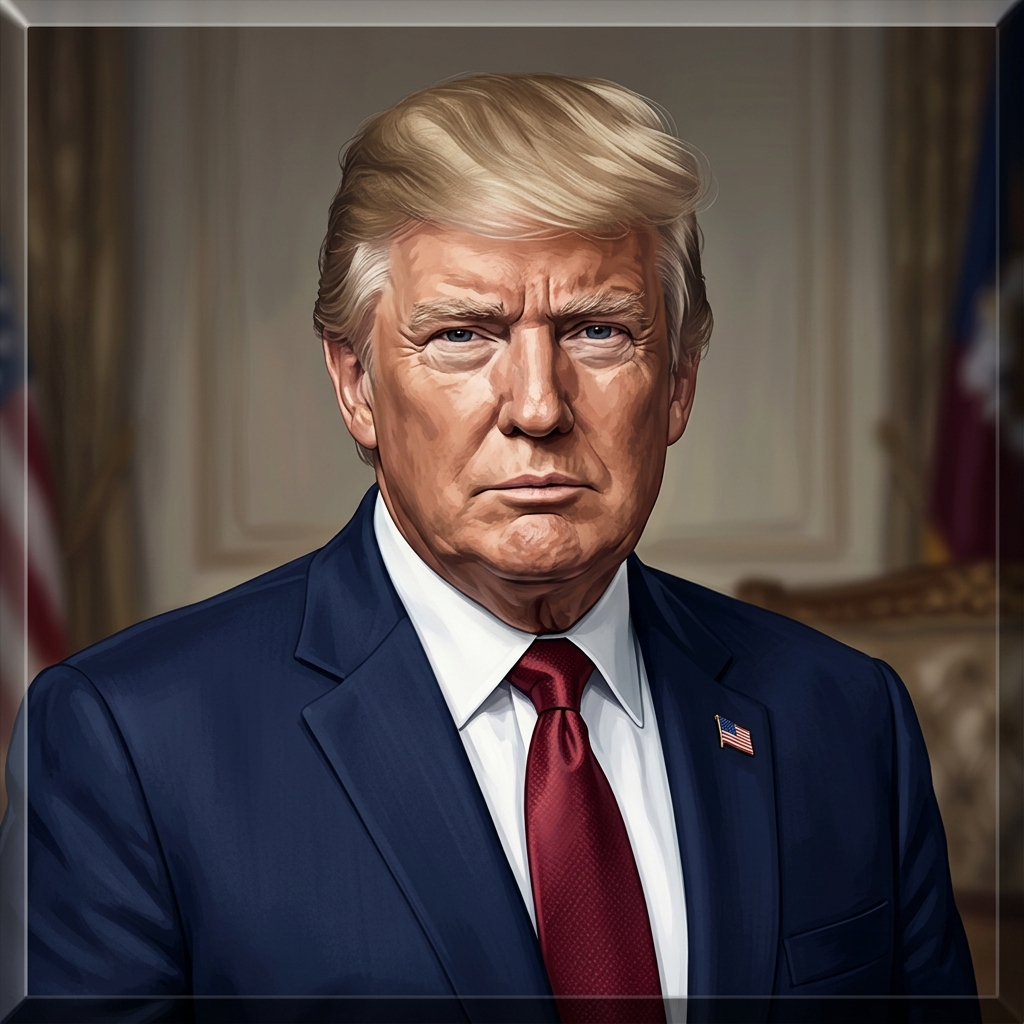
VS
Hegseth

Donald Trump is the President of the United States, and Pete Hegseth serves as his Defense Secretary.
Hegseth, a former Fox News host and military veteran, has been a key figure in the Trump administration, particularly regarding military and national security matters.
He has testified before the Senate to request funding for the U.S. war against Iran, a conflict that began under Trump's leadership.
The conflict between Trump and Hegseth centers on the accuracy of information provided to the president about military readiness.
Trump reportedly confronted Hegseth over critical U.S. missile shortages during a tense Camp David meeting, accusing him of failing to warn about the shortages.
Trump has also accused Hegseth of misleading him about the state of the country's munitions stockpiles, raising questions about the reliability of Hegseth's reports.
The stakes are high, as the dispute has affected military operations, including a reported halt to an Iran strike due to the missile shortage.
Hegseth has warned that the U.S. is prepared to resume combat operations if negotiations fail, while Trump has offered shifting accounts of how the Iran war began, sometimes placing Hegseth at the center.
The situation has drawn criticism from both sides as the ceasefire in the conflict falls apart.
*AI-generated summary of publicly available data. This is not an official statement of any party.
*AI-generated summary of publicly available statements and reporting. This is not an official statement of this party.
Supporters of Trump argue that the dispute reflects his commitment to institutional accountability, viewing Hegseth’s alleged misrepresentation as a breach of the military’s trusted chain of command and its heritage of precise reporting to civilian leadership.
Supporters of Trump argue that his challenge to Hegseth reflects a commander-in-chief defending institutional accountability, preserving the military’s inherited readiness standards against bureaucratic complacency.
Supporters of Trump counter that Hegseth’s critique ignores the cultural imperative of a commander-in-chief to project strength, where public resolve, not logistical complaint, sustains national morale and deterrence.
Supporters of Trump argue that the Secretary's alleged misrepresentation breaches statutory duties of candor to the commander-in-chief, framing the dispute as a legal accountability issue under military reporting requirements.
Supporters of Trump argue that Hegseth, as Defense Secretary, bears legal accountability under statutory reporting duties to provide the president accurate readiness data, and any misrepresentation of munitions stockpiles undermines civilian control of the military.
Supporters of Trump counter that legal reporting duties under 10 U.S.C. § 113 do not compel public disclosure, and Hegseth’s candor to the President fulfills the statutory chain of command, leaving readiness assessments within executive discretion.
Supporters of Trump argue the president is reasserting control, treating Hegseth’s stockpile claims as a loyalty test—power flows to those who deliver usable truth, not optimistic briefings.
Supporters of Trump argue Hegseth's job is to deliver usable truth, not comforting numbers, and that any leader who buries stockpile failures behind optimistic briefings is inviting strategic vulnerability. In their view, Trump's public grilling is a calculated power move to.
Supporters of Trump counter that Hegseth’s candor was a liability, not a virtue; exposing stockpile gaps undercuts public trust and invites strategic exploitation by adversaries, so reframing the dispute as deception serves deterrence and shields the presidency’s operational.
Supporters of Trump argue that the president holds a moral duty to demand full transparency from his Defense Secretary, viewing Hegseth’s alleged misstatement as a breach of trust that endangers national readiness.
Supporters of Trump argue that a commander-in-chief has a moral duty to receive truthful readiness reports, and that Hegseth’s alleged misrepresentation on munitions stockpiles betrayed that trust, undermining accountable leadership.
Supporters of Trump counter that Hegseth’s warning shifts blame from policy failures to theatrics, undermining the commander-in-chief’s moral authority by implying negligence without proof.
Supporters of Trump argue that divine stewardship demands truthfulness from leaders, so Hegseth's alleged misleading on munitions violates the biblical call to speak honestly before God and country.
Supporters of Trump argue that the president’s rebuke of Hegseth reflects a divine mandate for truthfulness in stewardship, citing scripture that leaders must not bear false witness over matters of national defense.
Supporters of Trump counter that Hegseth’s frankness, while noble, must yield to divine order of loyalty to the anointed leader, for scripture warns that pride in one’s own counsel can undermine the unity God commands.
*AI-generated summary of publicly available statements and reporting. This is not an official statement of this party.
Supporters of Hegseth argue that he, as a combat veteran, respects the battlefield reality of munitions shortages, while Trump’s political circle prioritizes image over readiness, a cyclical Washington pattern where truth-tellers are scapegoated.
Supporters of Hegseth argue that his candid readiness reports reflect a warrior’s honor, clashing with a political culture that prizes flattering briefings over hard truths.
Hegseth’s defenders counter that institutional accountability cuts both ways, recalling how past civilian leaders often tolerated informal military counsel; they argue Trump’s stance reframes a cultural clash over warrior ethos as a procedural breach, ignoring that heritage.
Supporters of Hegseth argue that as Defense Secretary, he holds legal duty to report unvarnished readiness data, and his candor to Trump reflects compliance with statutory oversight obligations.
Supporters of Hegseth argue that a Defense Secretary’s legal duty is to report operational realities, not political comfort, and that any dispute over stockpile numbers is a matter of factual transparency, not deception.
Supporters of Hegseth counter that the alleged misrepresentation falls outside statutory candor duties, as the Secretary’s role permits independent policy judgment on personnel matters, not a ministerial obligation to relay every internal dissent.
Supporters of Hegseth argue the dispute is a power play, not a readiness failure; Hegseth’s candor exposed inconvenient stockpile truths that Trump’s circle now reframes as deception to protect presidential authority and shift blame.
Supporters of Hegseth argue that the dispute is pure political theater, with Trump deflecting blame for stockpile shortfalls onto a subordinate to protect his own standing.
Supporters of Hegseth counter that loyalty tests cut both ways, and Trump’s demand for raw numbers ignores how stockpile access is a bargaining chip, not a truth serum. They argue Hegseth’s claims are a power play to force resource reallocation, and the president’s pushback.
Supporters of Hegseth argue that his candor on munitions shortfalls reflects moral duty over political convenience, framing his warning as a patriotic corrective to presidential complacency, not deception.
Supporters of Hegseth argue that his candor on depleted munitions reflects a moral duty to truth over political comfort, viewing his warning as a necessary corrective to past cycles of inflated readiness claims.
Supporters of Hegseth counter that moral duty demands loyalty to a nominee’s record, not a single disputed remark, and that Trump’s transparency push risks undermining a proven warrior’s integrity for political gain.
Supporters of Hegseth argue that his frank assessment of munitions stockpiles reflects a soldier’s sacred duty to truth, not deceit, upholding the moral order that requires honest counsel to the commander-in-chief.
Supporters of Hegseth argue that his candid reports on munitions shortages reflect a moral duty to truth over flattery, rooted in the scriptural call for honest counsel before princes.
Supporters of Hegseth counter that divine stewardship rests on defending the nation’s covenant with God, and that strategic discretion on munitions honors the biblical call to protect the flock, not deceive it—truth serves the mission, not the adversary.
AI-generated summary of publicly available statements and reporting. This is not an official statement of this party.
Supporters of Trump argue that the dispute reflects his commitment to institutional accountability, viewing Hegseth’s alleged misrepresentation as a breach of the military’s trusted chain of command and its heritage of precise reporting to civilian leadership.
Supporters of Trump argue that his challenge to Hegseth reflects a commander-in-chief defending institutional accountability, preserving the military’s inherited readiness standards against bureaucratic complacency.
Supporters of Trump counter that Hegseth’s critique ignores the cultural imperative of a commander-in-chief to project strength, where public resolve, not logistical complaint, sustains national morale and deterrence.
Supporters of Trump argue that the Secretary's alleged misrepresentation breaches statutory duties of candor to the commander-in-chief, framing the dispute as a legal accountability issue under military reporting requirements.
Supporters of Trump argue that Hegseth, as Defense Secretary, bears legal accountability under statutory reporting duties to provide the president accurate readiness data, and any misrepresentation of munitions stockpiles undermines civilian control of the military.
Supporters of Trump counter that legal reporting duties under 10 U.S.C. § 113 do not compel public disclosure, and Hegseth’s candor to the President fulfills the statutory chain of command, leaving readiness assessments within executive discretion.
Supporters of Trump argue the president is reasserting control, treating Hegseth’s stockpile claims as a loyalty test—power flows to those who deliver usable truth, not optimistic briefings.
Supporters of Trump argue Hegseth's job is to deliver usable truth, not comforting numbers, and that any leader who buries stockpile failures behind optimistic briefings is inviting strategic vulnerability. In their view, Trump's public grilling is a calculated power move to.
Supporters of Trump counter that Hegseth’s candor was a liability, not a virtue; exposing stockpile gaps undercuts public trust and invites strategic exploitation by adversaries, so reframing the dispute as deception serves deterrence and shields the presidency’s operational.
Supporters of Trump argue that the president holds a moral duty to demand full transparency from his Defense Secretary, viewing Hegseth’s alleged misstatement as a breach of trust that endangers national readiness.
Supporters of Trump argue that a commander-in-chief has a moral duty to receive truthful readiness reports, and that Hegseth’s alleged misrepresentation on munitions stockpiles betrayed that trust, undermining accountable leadership.
Supporters of Trump counter that Hegseth’s warning shifts blame from policy failures to theatrics, undermining the commander-in-chief’s moral authority by implying negligence without proof.
Supporters of Trump argue that divine stewardship demands truthfulness from leaders, so Hegseth's alleged misleading on munitions violates the biblical call to speak honestly before God and country.
Supporters of Trump argue that the president’s rebuke of Hegseth reflects a divine mandate for truthfulness in stewardship, citing scripture that leaders must not bear false witness over matters of national defense.
Supporters of Trump counter that Hegseth’s frankness, while noble, must yield to divine order of loyalty to the anointed leader, for scripture warns that pride in one’s own counsel can undermine the unity God commands.
Supporters of Hegseth argue that he, as a combat veteran, respects the battlefield reality of munitions shortages, while Trump’s political circle prioritizes image over readiness, a cyclical Washington pattern where truth-tellers are scapegoated.
Supporters of Hegseth argue that his candid readiness reports reflect a warrior’s honor, clashing with a political culture that prizes flattering briefings over hard truths.
Hegseth’s defenders counter that institutional accountability cuts both ways, recalling how past civilian leaders often tolerated informal military counsel; they argue Trump’s stance reframes a cultural clash over warrior ethos as a procedural breach, ignoring that heritage.
Supporters of Hegseth argue that as Defense Secretary, he holds legal duty to report unvarnished readiness data, and his candor to Trump reflects compliance with statutory oversight obligations.
Supporters of Hegseth argue that a Defense Secretary’s legal duty is to report operational realities, not political comfort, and that any dispute over stockpile numbers is a matter of factual transparency, not deception.
Supporters of Hegseth counter that the alleged misrepresentation falls outside statutory candor duties, as the Secretary’s role permits independent policy judgment on personnel matters, not a ministerial obligation to relay every internal dissent.
Supporters of Hegseth argue the dispute is a power play, not a readiness failure; Hegseth’s candor exposed inconvenient stockpile truths that Trump’s circle now reframes as deception to protect presidential authority and shift blame.
Supporters of Hegseth argue that the dispute is pure political theater, with Trump deflecting blame for stockpile shortfalls onto a subordinate to protect his own standing.
Supporters of Hegseth counter that loyalty tests cut both ways, and Trump’s demand for raw numbers ignores how stockpile access is a bargaining chip, not a truth serum. They argue Hegseth’s claims are a power play to force resource reallocation, and the president’s pushback.
Supporters of Hegseth argue that his candor on munitions shortfalls reflects moral duty over political convenience, framing his warning as a patriotic corrective to presidential complacency, not deception.
Supporters of Hegseth argue that his candor on depleted munitions reflects a moral duty to truth over political comfort, viewing his warning as a necessary corrective to past cycles of inflated readiness claims.
Supporters of Hegseth counter that moral duty demands loyalty to a nominee’s record, not a single disputed remark, and that Trump’s transparency push risks undermining a proven warrior’s integrity for political gain.
Supporters of Hegseth argue that his frank assessment of munitions stockpiles reflects a soldier’s sacred duty to truth, not deceit, upholding the moral order that requires honest counsel to the commander-in-chief.
Supporters of Hegseth argue that his candid reports on munitions shortages reflect a moral duty to truth over flattery, rooted in the scriptural call for honest counsel before princes.
Supporters of Hegseth counter that divine stewardship rests on defending the nation’s covenant with God, and that strategic discretion on munitions honors the biblical call to protect the flock, not deceive it—truth serves the mission, not the adversary.
US President Donald Trump reportedly accused Pete Hegseth of misleading him about the state of the country’s munitions stockpiles Read Full Article at RT.com
Defense Secretary Pete Hegseth testified before the Senate to request more funding for Trump's war against Iran, and said Trump should be praised for starting the war.
Defense Secretary Pete Hegseth warned that the U.S. is prepared to resume combat operations if negotiations fail, including the possibility of further strikes, as the ceasefire in the Iran war falls apart.
Trump confronted Hegseth over critical U.S. missile shortages during a tense Camp David meeting, accusing him of failing to warn about the shortages, and halted an Iran strike.
Trump offered a fresh version of how the Iran war began, placing Hegseth at the center of the decision, amid confusion over the war's origins.
Hegseth and Chairman of the Joint Chiefs of Staff General Dan Caine announced a major shift in U.S. military posture, including a nuclear warning to Iran.
Trump stated that Hegseth was the 'first one to speak up' in support of the Iran war, highlighting Hegseth's early advocacy for the conflict.