Iran
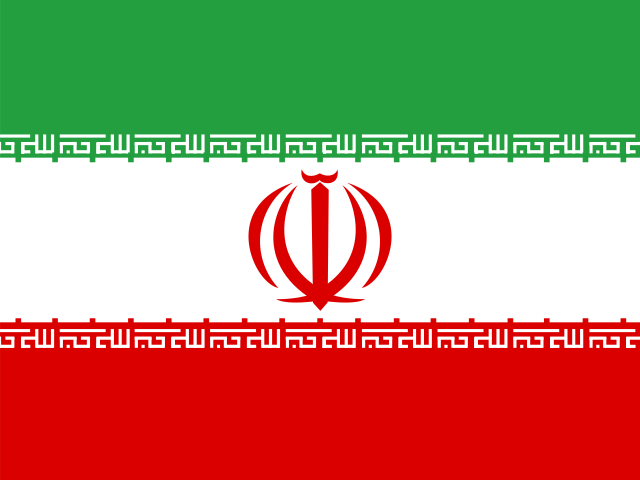
VS
Trump

The sides in this dispute are the United States under President Donald Trump and the Islamic Republic of Iran.
Trump has publicly stated that Iran will never be allowed to obtain a nuclear weapon, and his administration has pursued a policy of economic pressure and, at times, military confrontation with Tehran.
Iran, for its part, has been engaged in a prolonged conflict with the United States that has included attacks on shipping and regional infrastructure.
The two sides have conflicting interests over Iran's nuclear program, regional influence, and the security of the Strait of Hormuz.
Trump has linked the confrontation to preventing Iran from acquiring nuclear weapons, while Iran has sought relief from sanctions and an end to military strikes.
The dispute has escalated into an open war that has disrupted oil markets and threatened freedom of navigation in the Persian Gulf.
A memorandum to end the war was signed on 17 June 2026 by the presidents of the United States and Iran, but tensions have persisted.
Trump has said the war is nearing its end and that oil prices are expected to fall, while also claiming the United States is achieving a very big victory.
The situation remains volatile, with ongoing threats and military deployments in the region.
*AI-generated summary of publicly available data. This is not an official statement of any party.
*AI-generated summary of publicly available statements and reporting. This is not an official statement of this party.
Supporters of Iran argue that blaming Tehran for the Saudi pipeline attack without proof reflects a Western habit of scapegoating an established civilization whose sovereignty and regional role deserve respect.
Supporters of Iran argue that blaming Tehran for the Saudi pipeline attack without proof reflects a recurring pattern of inherited distrust, and that cultural memory of past interventions makes such accusations suspect.
Supporters of Iran counter that the Saudi pipeline attack claim ignores a deeper cultural history: a civilization that predates many accusers and prizes sovereignty, so inherited memory, not hostility, shapes its posture toward outside powers.
Supporters of Iran argue that attributing the pipeline attack without proof violates due process, and that no legal case for retaliation exists absent verified evidence.
Supporters of Iran argue that legally, attributing the pipeline attack requires evidence, not speculation; absent proof or UN authorization, blaming Iran lacks due process and justification.
Supporters of Iran counter that self-defense under international law requires an actual armed attack, not a probable one, so attributing state-sponsored intent without conclusive evidence fails the legal threshold for a proportionate response.
Supporters of Iran argue that Trump's vague accusation, lacking proof, serves mainly to pressure Tehran and shield Saudi interests, so Iran benefits by denying involvement and letting skeptics demand evidence.
Supporters of Iran argue that Trump's vague accusation, offered without evidence, serves mainly to justify pressure and rally allies, so they see denial plus quiet leverage as the shrewder play.
Supporters of Iran counter that early naming mainly pressures Gulf partners to pick sides publicly, exposing their own hedging rather than Tehran's; they argue Saudi and Emirati alignment costs Washington leverage, not gains it.
Supporters of Iran argue that blaming Tehran for the Saudi pipeline attack without evidence is morally reckless, risking war and environmental devastation for unproven claims.
Supporters of Iran argue that blaming a nation for an attack without verified evidence violates the moral duty of due process, and that such unproven accusations risk escalating conflict harmful to regional life and ecosystems.
Supporters of Iran counter that blaming Tehran for the Saudi pipeline attack without proof punishes an entire nation for another's act, which morally compounds injustice rather than delivering accountability.
Supporters of Iran argue that accusations of blame for the Saudi pipeline attack lack religious or moral legitimacy, maintaining that a Muslim state would not target another Muslim nation's resources absent verified proof.
Supporters of Iran argue that accusing Tehran of the pipeline attack without proof offends the Islamic principle of avoiding false witness, and they maintain that a Muslim nation should not be condemned on suspicion alone.
Supporters of Iran counter that just-war doctrine requires moral certainty, not probability; without proof of Iranian guilt, scripture's call to protect the innocent cannot justify striking a nation.
*AI-generated summary of publicly available statements and reporting. This is not an official statement of this party.
Supporters of Trump argue that Iran's alleged role in the Saudi pipeline attack reflects a regime whose cultural hostility to sovereign nations makes it a persistent threat, so they back a hard line defending national interests.
Supporters of Trump argue that Iran's suspected role in the Saudi pipeline attack shows the need to defend national sovereignty and energy security against a hostile regime.
Supporters of Trump counter that respect for sovereignty cannot shield a regime whose cultural export is revolutionary violence, and that nations defending their own borders need not apologize for naming sponsors of attacks.
Supporters of Trump argue that a sovereign state's legal right to self-defense extends to deterring state-sponsored attacks on energy infrastructure, and that Iran's probable involvement justifies a proportionate response.
Supporters of Trump argue that, absent proof of Iranian involvement, unilateral military action against Iran would lack lawful justification, and that any response should rest on verified evidence rather than suspicion.
Supporters of Trump counter that lawful self-defense under international law does not require proof beyond doubt; they argue the president may act on credible intelligence to protect citizens without a courtroom trial.
Supporters of Trump argue that naming Iran early forces Tehran to deny or expose itself, shifting the burden of proof while rallying Saudi and Gulf partners against a shared adversary.
Supporters of Trump argue that naming Iran early signals resolve and forces adversaries to prove innocence, treating ambiguity itself as leverage rather than a reason to wait.
Supporters of Trump counter that denying involvement costs Iran little while skepticism buys time, so the accusation forces Tehran to prove a negative as sanctions bite.
Supporters of Trump argue that attributing the Saudi pipeline attack to Iran upholds accountability, holding a state sponsor of terrorism responsible rather than letting such acts go unanswered.
Supporters of Trump argue that Iran's history of regional aggression makes it the probable culprit, and that moral clarity demands holding Tehran accountable rather than waiting for absolute proof.
Supporters of Trump counter that refusing to act on credible intelligence against a regime that openly chants "Death to America" is the true moral failure, leaving allies undefended.
Supporters of Trump, invoking just-war doctrine and scripture on restraining evil, argue that identifying Iran as the probable culprit behind the Saudi pipeline attack obligates a moral response to protect the innocent.
Supporters of Trump cite scripture's call for justice against those who shed innocent blood, arguing that Iran's suspected role in the Saudi pipeline attack demands moral accountability.
Supporters of Trump counter that scriptural warnings against deception mean Iran's denials cannot be trusted, citing its record of armed proxies striking fellow Muslim states.
AI-generated summary of publicly available statements and reporting. This is not an official statement of this party.
Supporters of Iran argue that blaming Tehran for the Saudi pipeline attack without proof reflects a Western habit of scapegoating an established civilization whose sovereignty and regional role deserve respect.
Supporters of Iran argue that blaming Tehran for the Saudi pipeline attack without proof reflects a recurring pattern of inherited distrust, and that cultural memory of past interventions makes such accusations suspect.
Supporters of Iran counter that the Saudi pipeline attack claim ignores a deeper cultural history: a civilization that predates many accusers and prizes sovereignty, so inherited memory, not hostility, shapes its posture toward outside powers.
Supporters of Iran argue that attributing the pipeline attack without proof violates due process, and that no legal case for retaliation exists absent verified evidence.
Supporters of Iran argue that legally, attributing the pipeline attack requires evidence, not speculation; absent proof or UN authorization, blaming Iran lacks due process and justification.
Supporters of Iran counter that self-defense under international law requires an actual armed attack, not a probable one, so attributing state-sponsored intent without conclusive evidence fails the legal threshold for a proportionate response.
Supporters of Iran argue that Trump's vague accusation, lacking proof, serves mainly to pressure Tehran and shield Saudi interests, so Iran benefits by denying involvement and letting skeptics demand evidence.
Supporters of Iran argue that Trump's vague accusation, offered without evidence, serves mainly to justify pressure and rally allies, so they see denial plus quiet leverage as the shrewder play.
Supporters of Iran counter that early naming mainly pressures Gulf partners to pick sides publicly, exposing their own hedging rather than Tehran's; they argue Saudi and Emirati alignment costs Washington leverage, not gains it.
Supporters of Iran argue that blaming Tehran for the Saudi pipeline attack without evidence is morally reckless, risking war and environmental devastation for unproven claims.
Supporters of Iran argue that blaming a nation for an attack without verified evidence violates the moral duty of due process, and that such unproven accusations risk escalating conflict harmful to regional life and ecosystems.
Supporters of Iran counter that blaming Tehran for the Saudi pipeline attack without proof punishes an entire nation for another's act, which morally compounds injustice rather than delivering accountability.
Supporters of Iran argue that accusations of blame for the Saudi pipeline attack lack religious or moral legitimacy, maintaining that a Muslim state would not target another Muslim nation's resources absent verified proof.
Supporters of Iran argue that accusing Tehran of the pipeline attack without proof offends the Islamic principle of avoiding false witness, and they maintain that a Muslim nation should not be condemned on suspicion alone.
Supporters of Iran counter that just-war doctrine requires moral certainty, not probability; without proof of Iranian guilt, scripture's call to protect the innocent cannot justify striking a nation.
Supporters of Trump argue that Iran's alleged role in the Saudi pipeline attack reflects a regime whose cultural hostility to sovereign nations makes it a persistent threat, so they back a hard line defending national interests.
Supporters of Trump argue that Iran's suspected role in the Saudi pipeline attack shows the need to defend national sovereignty and energy security against a hostile regime.
Supporters of Trump counter that respect for sovereignty cannot shield a regime whose cultural export is revolutionary violence, and that nations defending their own borders need not apologize for naming sponsors of attacks.
Supporters of Trump argue that a sovereign state's legal right to self-defense extends to deterring state-sponsored attacks on energy infrastructure, and that Iran's probable involvement justifies a proportionate response.
Supporters of Trump argue that, absent proof of Iranian involvement, unilateral military action against Iran would lack lawful justification, and that any response should rest on verified evidence rather than suspicion.
Supporters of Trump counter that lawful self-defense under international law does not require proof beyond doubt; they argue the president may act on credible intelligence to protect citizens without a courtroom trial.
Supporters of Trump argue that naming Iran early forces Tehran to deny or expose itself, shifting the burden of proof while rallying Saudi and Gulf partners against a shared adversary.
Supporters of Trump argue that naming Iran early signals resolve and forces adversaries to prove innocence, treating ambiguity itself as leverage rather than a reason to wait.
Supporters of Trump counter that denying involvement costs Iran little while skepticism buys time, so the accusation forces Tehran to prove a negative as sanctions bite.
Supporters of Trump argue that attributing the Saudi pipeline attack to Iran upholds accountability, holding a state sponsor of terrorism responsible rather than letting such acts go unanswered.
Supporters of Trump argue that Iran's history of regional aggression makes it the probable culprit, and that moral clarity demands holding Tehran accountable rather than waiting for absolute proof.
Supporters of Trump counter that refusing to act on credible intelligence against a regime that openly chants "Death to America" is the true moral failure, leaving allies undefended.
Supporters of Trump, invoking just-war doctrine and scripture on restraining evil, argue that identifying Iran as the probable culprit behind the Saudi pipeline attack obligates a moral response to protect the innocent.
Supporters of Trump cite scripture's call for justice against those who shed innocent blood, arguing that Iran's suspected role in the Saudi pipeline attack demands moral accountability.
Supporters of Trump counter that scriptural warnings against deception mean Iran's denials cannot be trusted, citing its record of armed proxies striking fellow Muslim states.
Midterm elections scheduled for November 3, with high gas and grocery prices as top voter concerns.
The November midterm elections after which Trump said strikes on Iran are 'possible'.
The November midterm elections after which Trump is reportedly expected to resume major war with Iran.
Trump told aides he expects to resume bombing after the November congressional elections.
US President Donald Trump sarcastically responded to a reporter asking about possible renewed attacks on Iran.
US President Donald Trump signaled the possibility of renewed military action against Iran.
Two supertankers caught fire after hitting naval mines in the Strait of Hormuz, according to Iran's IRGC Navy.
Trump says the US may “blow up” Iran or strike a deal, insisting the standoff will end very soon one way or the other.
US President Donald Trump stated that the war with Iran will end 'very soon' but provided no further details.
The US president has denied Tehran the opportunity to use the US midterm elections as a pressure point.
US President Donald Trump dismissed Iran's proposal to reopen the Strait of Hormuz and end the war, leading to a surge in oil prices.
The US president has reportedly threatened to resume strikes on Iran.
Experts say Trump sees economic sanctions as key to extracting more concessions but he risks losing leverage.
Iranian officials that while they were aware of Trump's comments on rejecting the new proposal, they had not received a formal message rejecting the plan that would open the Strait of Hormuz.
The US president said Tehran is seeking an agreement only because it is “losing so badly” under Washington’s blockade Read Full Article at RT.com
US President Donald Trump has rejected Iran’s latest proposal to reopen the Strait of Hormuz to shipping.
US President Donald Trump says he has rejected an Iranian proposal to reopen the Strait of Hormuz and put an end to hostilities.
Tehran submitted a proposal via Qatar to reopen the strait and resume nuclear talks within a week if Washington agreed.
US State Department Spokesman Tommy Pigott says President Donald Trump ‘holds all of the cards’ in talks with Tehran.
The US midterm elections, after which Trump is reportedly preparing to bomb Iran.
Tehran proposed a seven-day ceasefire, which Trump reportedly rejected.
Iran proposed reopening the Strait of Hormuz and halting regional fighting within seven days.
US President Donald Trump rejected Iran's proposal to reopen the Strait of Hormuz and halt regional fighting within seven days.
Iran proposed a seven-day ceasefire to the United States.
President Trump rejected Iran's proposal for a seven-day ceasefire.
Trump threatens to 'annihilate' Iran and then brags about diplomacy, provoking Tehran to warn of a response.
Officials from the US and Iran meet on the sidelines of the UN General Assembly.
Trump warned he could 'annihilate' Iran without a peace deal and said Iran will never have a nuclear weapon.
Donald Trump said he had to decide whether to make a deal with Iran or 'annihilate the Islamic Republic' in his speech at the UN General Assembly.
Trump predicted no deal with Tehran would come until after the US midterm elections.
Trump threatened to 'annihilate' Iran in his speech to the UN General Assembly.
Trump threatens to 'annihilate' Iran and ponders peace deal in UN speech.
Trump tells the UN General Assembly he has a 'big decision to make' on Iran, framing it as annihilate or make a deal.
US President Donald Trump is weighing several options on Iran, including blowing the “entire nation up,” according to Fox News Read Full Article at RT.com
Trump says he faces a 'big decision' on whether to 'annihilate' his Iranian foes, adding that 'anything could happen'.
The US president says Washington is 'hopefully toward the end' of Iran war, as global energy prices remain high.
Donald Trump has threatened to take over Iranian oil under a Venezuela-style deal Read Full Article at RT.com
Attack on a Saudi oil pipeline that Trump suggested Iran was probably behind.
President Trump told Al Jazeera that the U.S. was achieving a very big victory against Iran, but that the war will continue.
Trump's Iran deal collapsed, leaving the United States with few good options; the deal had pledged billions in economic relief through sanctions relief, unfrozen funds, and reconstruction aid.
A memorandum to end the war was signed on 17 June by the presidents of the United States and Iran.
November midterm elections, after which analysts suggest Trump may resume attacks on Iran.