Trump
VS
Irish protesters
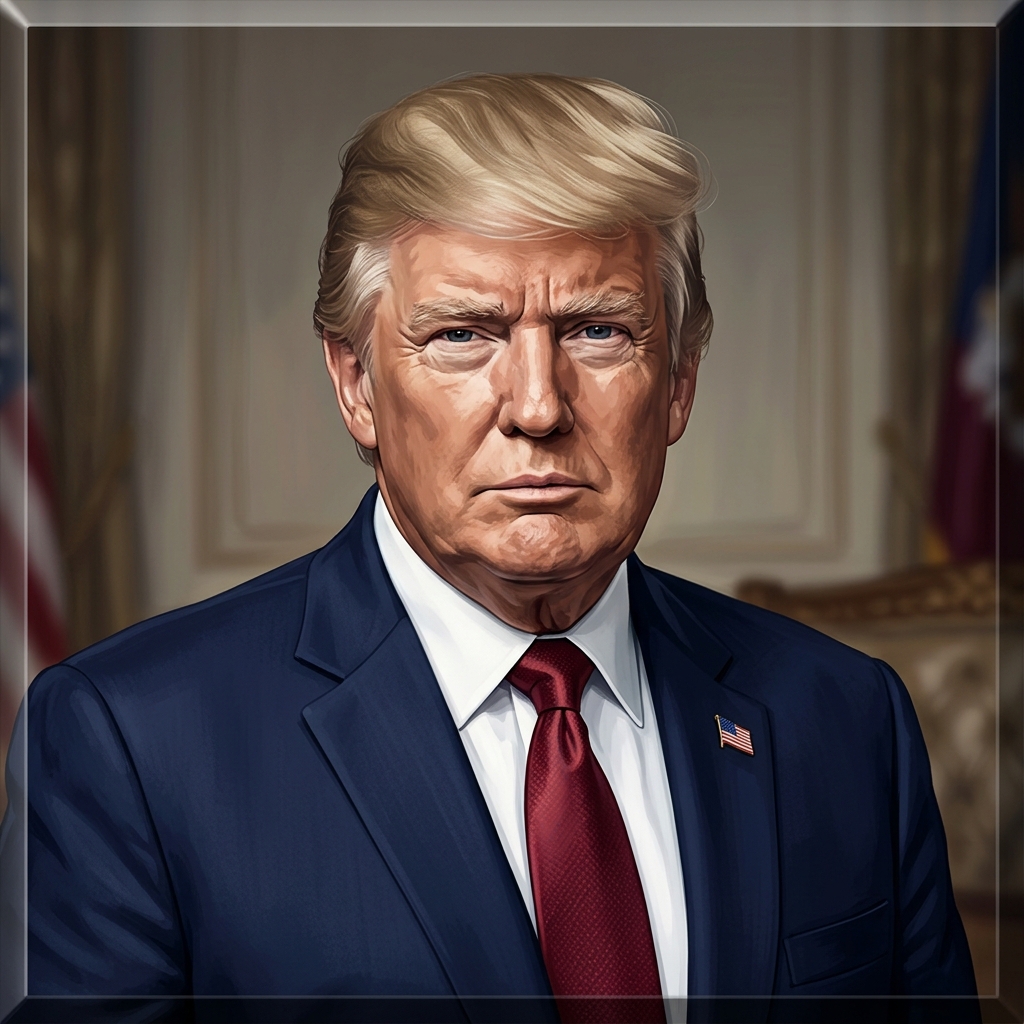
Donald Trump is the President of the United States, visiting Ireland in September 2026 for an official trip that includes a round of golf at his Doonbeg resort in County Clare.
Irish protesters are a coalition of demonstrators, including members of the political party Sinn Féin, who oppose Trump's visit and his administration's policies.
The conflict centers on the protesters' opposition to Trump's stance on Gaza, which Sinn Féin President Mary Lou McDonald has described as a "genocide." Many Irish people do not welcome Trump's visit, and protests are planned in Dublin and other locations to express this opposition.
The visit has drawn attention due to Trump's policies and the strong feelings they provoke in Ireland.
Trump's last official visit to Ireland in 2019 also drew thousands of protesters to Dublin's streets, indicating a history of opposition to his visits.
The current protests are part of a broader expression of discontent with Trump's presidency and its foreign policies.
*AI-generated summary of publicly available data. This is not an official statement of any party.
*AI-generated summary of publicly available statements and reporting. This is not an official statement of this party.
Supporters of Trump argue that his Ireland visit honors Irish-American heritage and sovereign ties, and that protests led by President Connolly reflect a cultural hostility toward the US rather than legitimate concerns.
Supporters of Trump argue that Irish protesters are hostile to a visiting US president, and that Ireland's cultural identity should not be defined by anti-American sentiment.
Supporters of Trump counter that a nation’s cultural memory cannot obligate another sovereign state, and that Ireland’s own interest lies in preserving its distinct heritage rather than subordinating it to imported grievances.
Supporters of Trump argue that a head of state’s visit proceeds only on the host government’s consent, so Ireland’s invitation, not protester disapproval, is the lawful basis for the trip.
Supporters of Trump argue that peaceful protest is a protected right, but blocking a visiting head of state or coercing policy through disruption exceeds lawful dissent and infringes on free association.
Supporters of Trump counter that a head of state's visit rests on sovereign invitation and diplomatic immunity, not on accusers' legal judgments, and that no international court has issued a binding ruling against him.
Supporters of Trump argue the Irish protests are domestic theater: Connolly's anti-US stance predates Gaza, and Ireland's leaders gain more from rallying crowds than from keeping US investment and diplomatic access.
Supporters of Trump argue that Ireland's protests are domestic theater: Connolly's distrust of US power predates Trump, and Ireland's leverage is minimal, so the visit proceeds on US terms regardless.
Supporters of Trump counter that visible protest forfeits leverage, not creates it: refusing engagement hands Washington no stake in Irish goodwill, while rivals court the same access.
Supporters of Trump argue that a democratically elected president deserves respectful reception abroad, and that protests over Gaza policy should not override the diplomatic courtesy owed to a visiting head of state.
Supporters of Trump argue that Irish protesters invoking Gaza morality ignore their own government's welcome of a US president whose visit honors diplomatic ties and shared economic interests.
Supporters of Trump counter that moral memory cuts both ways: Ireland’s own peace was built by engaging flawed leaders, not shunning them, and they argue refusing dialogue only hardens divides.
Supporters of Trump argue his Ireland visit upholds the religiously rooted alliance between America and Ireland, and that protests over Gaza should not sever a historic bond built on shared faith and tradition.
Supporters of Trump argue that nations and their elected leaders deserve respect as sovereign authorities ordained to keep order, and that protests against a visiting president dishonor that inherited institution.
Supporters of Trump counter that America’s own covenant of religious liberty and historic Christian witness obliges it to stand with Israel, not punish it, and that welcoming the stranger does not require abandoning an ally.
*AI-generated summary of publicly available statements and reporting. This is not an official statement of this party.
Supporters of Irish protesters argue their opposition to Trump’s visit reflects a deep cultural memory of colonization and famine, making solidarity with Gaza a moral continuity rather than a new grievance.
Supporters of Irish protesters point to Ireland's history of colonization and famine, arguing that a nation shaped by dispossession recognizes Palestinian suffering as its own past repeating.
Supporters of Irish protesters counter that opposing a visiting leader is a long Irish tradition, not anti-Americanism; Irish hospitality has always coexisted with public dissent.
Supporters of Irish protesters argue that a head of state accused of enabling Gaza atrocities has no legal right to a welcome, citing international law duties to avoid complicity.
Supporters of Irish protesters argue that international law obligates states to oppose Gaza actions, so Ireland's legal duty to uphold human rights justifies protesting Trump's visit.
Supporters of Irish protesters counter that consent alone does not immunize a visit from legal challenge, since protesters invoke Ireland's constitutional and international obligations, not mere disapproval.
Supporters of Irish protesters argue that hosting Trump lends legitimacy to a power they see as unreliable, so visible protest is leverage—signaling to Washington that Irish goodwill has a price.
Supporters of Irish protesters argue that withholding welcome from Trump costs Ireland little while signaling independence, since Connolly already treats US power as unreliable and Dublin gains leverage by not appearing beholden.
Supporters of Irish protesters counter that Connolly's long-standing anti-imperialism is precisely the point: Ireland's credibility as a neutral broker is the asset, not US investment, and pandering to Washington costs more politically than it buys.
Supporters of Irish protesters argue that welcoming Trump while Gaza suffers betrays Ireland's moral memory of famine and dispossession, insisting hospitality must not be shown to those enabling such suffering.
Supporters of Irish protesters argue that welcoming a leader whose administration armed Gaza's bombardment betrays Ireland's own moral memory of colonization and famine, making protest a duty, not rudeness.
Supporters of Irish protesters counter that democratic elections don't grant moral immunity abroad; they argue that complicity in Gaza's suffering outweighs diplomatic courtesy owed to any visiting head of state.
Supporters of Irish protesters invoke their nation's Catholic heritage, arguing that scripture's call to welcome the stranger and defend the innocent makes Trump's Gaza stance morally intolerable.
Supporters of Irish protesters argue that welcoming Trump dishonors Gospel values, citing scripture's call to defend the oppressed and shelter the stranger as grounds to reject the visit.
Supporters of Irish protesters counter that shared faith demands justice, not silence; they argue scripture's call to welcome the stranger and defend the oppressed outweighs diplomatic bonding with a leader they see as complicit in Gaza's suffering.
AI-generated summary of publicly available statements and reporting. This is not an official statement of this party.
Supporters of Trump argue that his Ireland visit honors Irish-American heritage and sovereign ties, and that protests led by President Connolly reflect a cultural hostility toward the US rather than legitimate concerns.
Supporters of Trump argue that Irish protesters are hostile to a visiting US president, and that Ireland's cultural identity should not be defined by anti-American sentiment.
Supporters of Trump counter that a nation’s cultural memory cannot obligate another sovereign state, and that Ireland’s own interest lies in preserving its distinct heritage rather than subordinating it to imported grievances.
Supporters of Trump argue that a head of state’s visit proceeds only on the host government’s consent, so Ireland’s invitation, not protester disapproval, is the lawful basis for the trip.
Supporters of Trump argue that peaceful protest is a protected right, but blocking a visiting head of state or coercing policy through disruption exceeds lawful dissent and infringes on free association.
Supporters of Trump counter that a head of state's visit rests on sovereign invitation and diplomatic immunity, not on accusers' legal judgments, and that no international court has issued a binding ruling against him.
Supporters of Trump argue the Irish protests are domestic theater: Connolly's anti-US stance predates Gaza, and Ireland's leaders gain more from rallying crowds than from keeping US investment and diplomatic access.
Supporters of Trump argue that Ireland's protests are domestic theater: Connolly's distrust of US power predates Trump, and Ireland's leverage is minimal, so the visit proceeds on US terms regardless.
Supporters of Trump counter that visible protest forfeits leverage, not creates it: refusing engagement hands Washington no stake in Irish goodwill, while rivals court the same access.
Supporters of Trump argue that a democratically elected president deserves respectful reception abroad, and that protests over Gaza policy should not override the diplomatic courtesy owed to a visiting head of state.
Supporters of Trump argue that Irish protesters invoking Gaza morality ignore their own government's welcome of a US president whose visit honors diplomatic ties and shared economic interests.
Supporters of Trump counter that moral memory cuts both ways: Ireland’s own peace was built by engaging flawed leaders, not shunning them, and they argue refusing dialogue only hardens divides.
Supporters of Trump argue his Ireland visit upholds the religiously rooted alliance between America and Ireland, and that protests over Gaza should not sever a historic bond built on shared faith and tradition.
Supporters of Trump argue that nations and their elected leaders deserve respect as sovereign authorities ordained to keep order, and that protests against a visiting president dishonor that inherited institution.
Supporters of Trump counter that America’s own covenant of religious liberty and historic Christian witness obliges it to stand with Israel, not punish it, and that welcoming the stranger does not require abandoning an ally.
Supporters of Irish protesters argue their opposition to Trump’s visit reflects a deep cultural memory of colonization and famine, making solidarity with Gaza a moral continuity rather than a new grievance.
Supporters of Irish protesters point to Ireland's history of colonization and famine, arguing that a nation shaped by dispossession recognizes Palestinian suffering as its own past repeating.
Supporters of Irish protesters counter that opposing a visiting leader is a long Irish tradition, not anti-Americanism; Irish hospitality has always coexisted with public dissent.
Supporters of Irish protesters argue that a head of state accused of enabling Gaza atrocities has no legal right to a welcome, citing international law duties to avoid complicity.
Supporters of Irish protesters argue that international law obligates states to oppose Gaza actions, so Ireland's legal duty to uphold human rights justifies protesting Trump's visit.
Supporters of Irish protesters counter that consent alone does not immunize a visit from legal challenge, since protesters invoke Ireland's constitutional and international obligations, not mere disapproval.
Supporters of Irish protesters argue that hosting Trump lends legitimacy to a power they see as unreliable, so visible protest is leverage—signaling to Washington that Irish goodwill has a price.
Supporters of Irish protesters argue that withholding welcome from Trump costs Ireland little while signaling independence, since Connolly already treats US power as unreliable and Dublin gains leverage by not appearing beholden.
Supporters of Irish protesters counter that Connolly's long-standing anti-imperialism is precisely the point: Ireland's credibility as a neutral broker is the asset, not US investment, and pandering to Washington costs more politically than it buys.
Supporters of Irish protesters argue that welcoming Trump while Gaza suffers betrays Ireland's moral memory of famine and dispossession, insisting hospitality must not be shown to those enabling such suffering.
Supporters of Irish protesters argue that welcoming a leader whose administration armed Gaza's bombardment betrays Ireland's own moral memory of colonization and famine, making protest a duty, not rudeness.
Supporters of Irish protesters counter that democratic elections don't grant moral immunity abroad; they argue that complicity in Gaza's suffering outweighs diplomatic courtesy owed to any visiting head of state.
Supporters of Irish protesters invoke their nation's Catholic heritage, arguing that scripture's call to welcome the stranger and defend the innocent makes Trump's Gaza stance morally intolerable.
Supporters of Irish protesters argue that welcoming Trump dishonors Gospel values, citing scripture's call to defend the oppressed and shelter the stranger as grounds to reject the visit.
Supporters of Irish protesters counter that shared faith demands justice, not silence; they argue scripture's call to welcome the stranger and defend the oppressed outweighs diplomatic bonding with a leader they see as complicit in Gaza's suffering.
Protests set to erupt across Ireland, where President Connolly has long regarded the US as an untrustworthy power.
Protesters in Dublin hold a large "Rapists Not Welcome" banner ahead of Trump's arrival in Ireland.
Sinn Féin President Mary Lou McDonald says her party will form part of protests against Donald Trump's visit to Ireland, citing the "genocide" in Gaza.
Time magazine reports that Ireland is preparing for major protests during Trump's visit, recalling that his 2019 visit drew thousands of protesters to Dublin.