Jeanine Pirro

VS
Trump
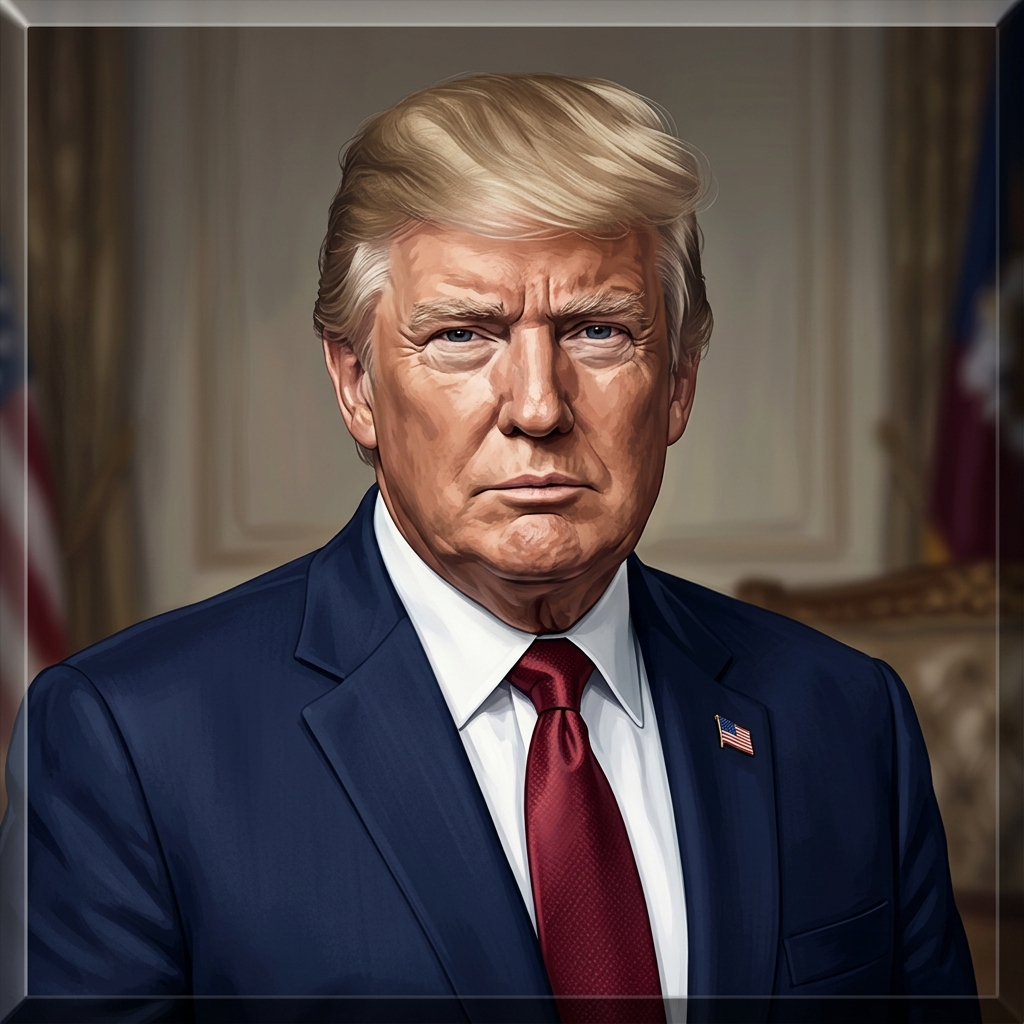
President Trump publicly criticized Jeanine Pirro, his hand-picked U.S.
Attorney for the District of Columbia, after she dropped vandalism charges against a former Olympian accused of damaging the Washington reflecting pool.
Trump accused Pirro of 'folding like an umbrella' and 'choking,' but she met with him at the White House and her job appeared safe for the moment.
The incident highlights tensions between the president and his appointed prosecutor over handling of the case.
*AI-generated summary of publicly available data. This is not an official statement of any party.
*AI-generated summary of publicly available statements and reporting. This is not an official statement of this party.
Supporters of Jeanine Pirro argue her prosecutorial independence honors the rule of law, a cultural tradition where justice outweighs presidential loyalty, and they see Trump’s criticism as a break from that precedent.
Supporters of Jeanine Pirro argue her decision reflects a prosecutor’s duty to weigh cultural symbolism against legal merit, viewing the dropped charges as a principled stand for judicial independence over presidential pressure.
Supporters of Jeanine Pirro counter that heritage is living, not static; past vandalism of landmarks often sparked necessary reform, and punishing defacement ignores the cultural duty to question inherited symbols.
Supporters of Jeanine Pirro argue that prosecutorial discretion is a legal duty, not a political favor, and that dropping charges based on evidentiary insufficiency is a lawful exercise of her office.
Supporters of Jeanine Pirro argue that prosecutorial discretion is a legal duty, not a presidential favor, and that evidence-based charging decisions must withstand judicial scrutiny.
Supporters of Jeanine Pirro counter that prosecutorial discretion is constitutionally shielded from executive pressure, and any public objection by Trump to a specific case risks crossing into unlawful interference with an independent legal decision.
Supporters of Jeanine Pirro argue that the president's attack is pure optics, punishing a loyal prosecutor for exercising legal judgment over a low-stakes vandalism case.
Supporters of Jeanine Pirro argue her dropping the charges reflects prosecutorial independence, not weakness, and that Trump’s public attack is a raw power play to bend the justice system to political will.
Supporters of Jeanine Pirro counter that the pardon is pure realpolitik: a strategic hedge to keep a loyal, media-savvy ally inside the tent, not a reward for vandalism. They argue Trump’s rebuke is theater for the base, while the pardon secures Pirro’s future utility—her voice.
Supporters of Jeanine Pirro argue that her decision reflects a moral commitment to prosecutorial discretion, not defiance of President Trump. They maintain that dropping charges against non-violent vandals upholds individual justice over political pressure, preserving the.
Supporters of Jeanine Pirro argue that a prosecutor’s moral duty is to uphold equal justice under law, not political favor, so dropping unsound charges reflects integrity over presidential pressure.
Supporters of Jeanine Pirro counter that moral duty flows from individual conscience, not state coercion, and that prosecutorial discretion protects liberty by resisting symbolic punishments that erode trust in voluntary compliance.
Supporters of Jeanine Pirro argue that her decision respects the sanctity of justice over spectacle, upholding the rule of law as a moral order that transcends presidential whims.
Supporters of Jeanine Pirro argue that her decision reflects a commitment to mercy and proportional justice, virtues rooted in religious tradition, over political pressure for retribution.
Supporters of Jeanine Pirro counter that divine law also commands mercy and restoration, not vengeance, and that scripture calls for righteous rulers to guard the sanctity of life, even for the accused.
*AI-generated summary of publicly available statements and reporting. This is not an official statement of this party.
Supporters of Trump argue that his criticism of Pirro defends a cultural principle: respect for national landmarks as symbols of inherited civic order. They maintain that dropping charges against those who defaced the reflecting pool signals a disregard for shared traditions,.
Supporters of Trump argue that his criticism of Jeanine Pirro upholds respect for national symbols, as the reflecting pool stands as a cultural monument whose desecration demands accountability, not leniency.
Supporters of Trump counter that Pirro’s prosecutorial independence, while respectable, ignores the cultural tradition of executive authority as the ultimate check on legal overreach, where loyalty to the elected leader guards institutional continuity.
Supporters of Trump argue his criticism of Pirro is legally sound: as the appointed DC attorney, she retains prosecutorial discretion, but Trump’s public objection highlights a legitimate executive interest in consistent enforcement of federal vandalism laws, not improper.
Supporters of Trump argue that a prosecutor's lawful discretion to drop weak charges cannot override the president's constitutional duty to enforce federal law; they maintain Pirro’s decision ignored the legal precedent on protecting national landmarks, making oversight by Trump.
Supporters of Trump counter that Pirro’s discretion, while lawful in form, sidesteps the public interest when evidence is selectively ignored, making the exercise a political shield rather than a legal duty.
Supporters of Trump argue Pirro’s pardon signals weakness, rewarding vandalism and inviting more chaos in a capital he campaigned to tame. They maintain the president’s public rebuke is pure realpolitik: loyalty is transactional, and any hand-picked appointee who contradicts his.
Supporters of Trump argue he is exposing a prosecutor’s betrayal of political loyalty, not a legal technicality; Pirro’s dropped charges signal weakness that emboldens enemies of the administration. They maintain that in power, a hand-picked attorney must enforce the president’s.
Supporters of Trump counter that Pirro’s case was never low-stakes, but a test of loyalty: protecting a political ally’s son from accountability is a privilege, not a right, and the president’s response signals that personal fealty outweighs prosecutorial discretion.
Supporters of Trump argue that justice demands accountability, and Pirro’s decision to drop charges undermines the moral duty to protect public landmarks.
Supporters of Trump argue that his criticism of Pirro reflects a moral duty to uphold law and order, insisting that dropping charges against the vandalism of a national landmark signals a failure to protect public property and respect for civic symbols.
Supporters of Trump counter that Pirro’s discretion abandons the moral duty to enforce law equally, shielding vandalism while ignoring victims’ rights to order and security.
Supporters of Trump argue that divine law demands justice be served without partiality, citing scripture that rulers must uphold righteousness against those who defile sacred spaces.
Supporters of Trump argue that justice is a divine mandate, and that Pirro’s decision to drop vandalism charges defies the biblical principle of impartial judgment against wrongdoing, as Trump sees it as a failure to uphold the law’s sacred order.
Supporters of Trump counter that Pirro’s justice ignores the divine mandate of righteous leadership, as scripture calls for mercy and restoration, not rigid legalism that elevates procedure above God’s anointed purpose.
AI-generated summary of publicly available statements and reporting. This is not an official statement of this party.
Supporters of Jeanine Pirro argue her prosecutorial independence honors the rule of law, a cultural tradition where justice outweighs presidential loyalty, and they see Trump’s criticism as a break from that precedent.
Supporters of Jeanine Pirro argue her decision reflects a prosecutor’s duty to weigh cultural symbolism against legal merit, viewing the dropped charges as a principled stand for judicial independence over presidential pressure.
Supporters of Jeanine Pirro counter that heritage is living, not static; past vandalism of landmarks often sparked necessary reform, and punishing defacement ignores the cultural duty to question inherited symbols.
Supporters of Jeanine Pirro argue that prosecutorial discretion is a legal duty, not a political favor, and that dropping charges based on evidentiary insufficiency is a lawful exercise of her office.
Supporters of Jeanine Pirro argue that prosecutorial discretion is a legal duty, not a presidential favor, and that evidence-based charging decisions must withstand judicial scrutiny.
Supporters of Jeanine Pirro counter that prosecutorial discretion is constitutionally shielded from executive pressure, and any public objection by Trump to a specific case risks crossing into unlawful interference with an independent legal decision.
Supporters of Jeanine Pirro argue that the president's attack is pure optics, punishing a loyal prosecutor for exercising legal judgment over a low-stakes vandalism case.
Supporters of Jeanine Pirro argue her dropping the charges reflects prosecutorial independence, not weakness, and that Trump’s public attack is a raw power play to bend the justice system to political will.
Supporters of Jeanine Pirro counter that the pardon is pure realpolitik: a strategic hedge to keep a loyal, media-savvy ally inside the tent, not a reward for vandalism. They argue Trump’s rebuke is theater for the base, while the pardon secures Pirro’s future utility—her voice.
Supporters of Jeanine Pirro argue that her decision reflects a moral commitment to prosecutorial discretion, not defiance of President Trump. They maintain that dropping charges against non-violent vandals upholds individual justice over political pressure, preserving the.
Supporters of Jeanine Pirro argue that a prosecutor’s moral duty is to uphold equal justice under law, not political favor, so dropping unsound charges reflects integrity over presidential pressure.
Supporters of Jeanine Pirro counter that moral duty flows from individual conscience, not state coercion, and that prosecutorial discretion protects liberty by resisting symbolic punishments that erode trust in voluntary compliance.
Supporters of Jeanine Pirro argue that her decision respects the sanctity of justice over spectacle, upholding the rule of law as a moral order that transcends presidential whims.
Supporters of Jeanine Pirro argue that her decision reflects a commitment to mercy and proportional justice, virtues rooted in religious tradition, over political pressure for retribution.
Supporters of Jeanine Pirro counter that divine law also commands mercy and restoration, not vengeance, and that scripture calls for righteous rulers to guard the sanctity of life, even for the accused.
Supporters of Trump argue that his criticism of Pirro defends a cultural principle: respect for national landmarks as symbols of inherited civic order. They maintain that dropping charges against those who defaced the reflecting pool signals a disregard for shared traditions,.
Supporters of Trump argue that his criticism of Jeanine Pirro upholds respect for national symbols, as the reflecting pool stands as a cultural monument whose desecration demands accountability, not leniency.
Supporters of Trump counter that Pirro’s prosecutorial independence, while respectable, ignores the cultural tradition of executive authority as the ultimate check on legal overreach, where loyalty to the elected leader guards institutional continuity.
Supporters of Trump argue his criticism of Pirro is legally sound: as the appointed DC attorney, she retains prosecutorial discretion, but Trump’s public objection highlights a legitimate executive interest in consistent enforcement of federal vandalism laws, not improper.
Supporters of Trump argue that a prosecutor's lawful discretion to drop weak charges cannot override the president's constitutional duty to enforce federal law; they maintain Pirro’s decision ignored the legal precedent on protecting national landmarks, making oversight by Trump.
Supporters of Trump counter that Pirro’s discretion, while lawful in form, sidesteps the public interest when evidence is selectively ignored, making the exercise a political shield rather than a legal duty.
Supporters of Trump argue Pirro’s pardon signals weakness, rewarding vandalism and inviting more chaos in a capital he campaigned to tame. They maintain the president’s public rebuke is pure realpolitik: loyalty is transactional, and any hand-picked appointee who contradicts his.
Supporters of Trump argue he is exposing a prosecutor’s betrayal of political loyalty, not a legal technicality; Pirro’s dropped charges signal weakness that emboldens enemies of the administration. They maintain that in power, a hand-picked attorney must enforce the president’s.
Supporters of Trump counter that Pirro’s case was never low-stakes, but a test of loyalty: protecting a political ally’s son from accountability is a privilege, not a right, and the president’s response signals that personal fealty outweighs prosecutorial discretion.
Supporters of Trump argue that justice demands accountability, and Pirro’s decision to drop charges undermines the moral duty to protect public landmarks.
Supporters of Trump argue that his criticism of Pirro reflects a moral duty to uphold law and order, insisting that dropping charges against the vandalism of a national landmark signals a failure to protect public property and respect for civic symbols.
Supporters of Trump counter that Pirro’s discretion abandons the moral duty to enforce law equally, shielding vandalism while ignoring victims’ rights to order and security.
Supporters of Trump argue that divine law demands justice be served without partiality, citing scripture that rulers must uphold righteousness against those who defile sacred spaces.
Supporters of Trump argue that justice is a divine mandate, and that Pirro’s decision to drop vandalism charges defies the biblical principle of impartial judgment against wrongdoing, as Trump sees it as a failure to uphold the law’s sacred order.
Supporters of Trump counter that Pirro’s justice ignores the divine mandate of righteous leadership, as scripture calls for mercy and restoration, not rigid legalism that elevates procedure above God’s anointed purpose.
A woman was charged with vandalizing the World War II Memorial.
Trump criticized Jeanine Pirro for dropping charges over damage to the Reflecting Pool.
US president's hand-picked DC attorney in firing line after dropping charges for vandalism of Washington landmark.
Jeanine Pirro met with President Trump at the White House after he publicly criticized her for dropping charges in the reflecting pool vandalism case. Reports indicated her job appeared safe for now.
President Trump publicly rebuked Jeanine Pirro, his handpicked U.S. attorney, for dropping charges in the reflecting pool case, saying she 'folded like an umbrella.'