Journalists and top aides

VS
Trump
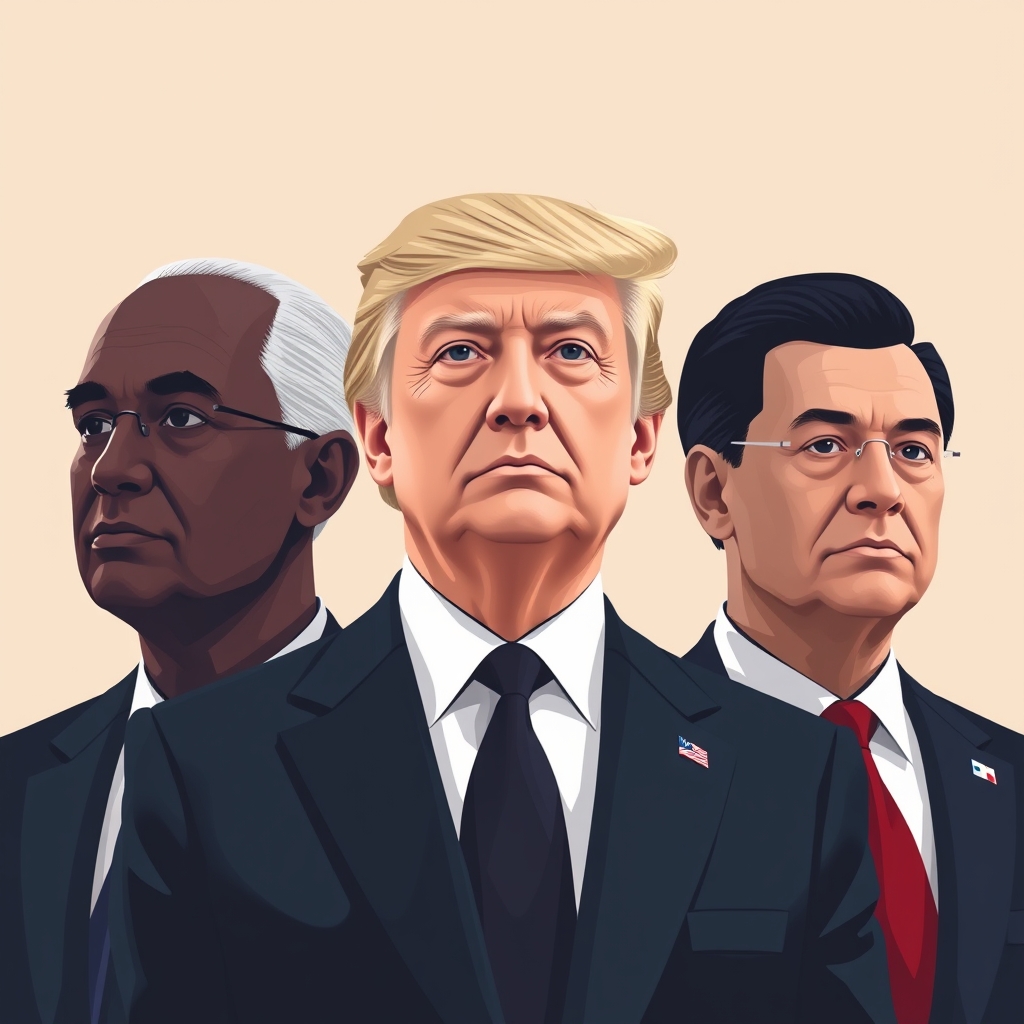
President Trump and the journalists and top aides who accompany him on official travel are the parties in this dispute.
Trump is the President of the United States, while the journalists and top aides are the individuals who typically travel aboard Air Force One to cover or support presidential activities.
The conflict centers on a specific incident in which Trump used a decoy plane for a secret flight change, claiming that the decoy faced greater risk, while the actual Air Force One carrying journalists and top aides remained at apparent risk of an Iranian strike.
The controversy revolves around the safety of those aboard the real plane versus the decoy, with Trump's statements drawing scrutiny over his prioritization of the decoy's risk.
*AI-generated summary of publicly available data. This is not an official statement of any party.
*AI-generated summary of publicly available statements and reporting. This is not an official statement of this party.
Supporters of journalists and top aides argue that treating press and staff as expendable decoys violates the cultural norm of protecting non-combatants, and they point to the Aug. 12 flight as evidence that presidential theatrics disregard their safety.
Supporters of Journalists and top aides argue that the decoy’s risk was a calculated spectacle, while the real plane’s passengers were treated as expendable props in a cultural ritual of strength.
Supporters of Journalists and top aides counter that decoy flights, not secrecy, define modern power—history shows press access on the real plane has always been a check on unchecked authority, and shielding them from risk would set a precedent eroding that cultural trust.
Supporters of Journalists and top aides argue that a commander-in-chief's duty of care legally extends to every passenger aboard Air Force One, and point to the apparent risk to the real plane as evidence the decoy’s use failed to satisfy that standard.
Supporters of Journalists and top aides argue that presidential security decisions carry legal duty-of-care obligations, and that exposing the real plane’s occupants to strike risk while shielding the decoy raises negligence claims under federal safety standards.
Supporters of Journalists and top aides counter that executive authority does not override statutory aviation safety rules, which require equal risk assessment for all onboard, citing FAA regulations and prior legal precedent.
Supporters of journalists and top aides argue Trump’s decoy claim is a power play, framing his own risk as supreme while downplaying that the real plane’s occupants were the actual targets, exposing their lives as expendable leverage in his narrative.
Supporters of Journalists and top aides argue Trump’s decoy narrative inverts real risk, as the actual plane carrying them bore the strike threat while the empty decoy drew none. They see the claim as a deflection, prioritizing image over the lives of those aboard.
Supporters of Journalists and top aides counter that the decoy gambit exposed the vice president and senior staff to measurable risk for zero strategic gain, since Tehran’s actual target was never the plane but the political fallout.
Supporters of the journalists and top aides argue that Trump’s decoy maneuver placed non-combatants in harm’s way, treating their lives as expendable for political theater, which they view as a moral failure of leadership.
Supporters of Journalists and top aides argue that no decoy should ever outrank human lives in moral priority, and they see Trump’s “greater risk” claim as a disturbing inversion of duty—where the real plane’s occupants were left exposed to an Iranian strike, while the decoy’s pe.
Supporters of Journalists and top aides counter that morality cannot justify using any person as a disposable shield, arguing that the decoy’s life holds equal intrinsic worth to the president’s, and that a nation’s greatness is measured by how it treats its most vulnerable, not.
Supporters of the journalists and top aides maintain that their safety reflects a sacred duty, arguing that no decoy or flight plan should place innocent lives in harm's way.
Supporters of journalists and top aides argue that every life holds equal sacred worth before God, so no decoy should be deemed expendable while others are shielded.
Supporters of journalists and top aides counter that no sacred duty justifies deceiving those entrusted to one’s care, citing scripture that condemns false witness and requires truthfulness in all dealings.
*AI-generated summary of publicly available statements and reporting. This is not an official statement of this party.
Supporters of Trump argue that his decoy-plane decision reflected a commander’s duty to shield the nation’s core, while journalists and aides on the real flight accepted inherent risks as part of their role.
Supporters of Trump argue that his decoy-plane decision reflects a commander’s duty to shield the nation’s core, while journalists and aides, as non-combatants, remained under the same protective umbrella.
Supporters of Trump counter that the Aug. 12 flight showcased a commander-in-chief’s duty to project strength, where press and aides share the same patriotic mission as troops, not protected bystanders.
Supporters of Trump argue that presidential flight decisions fall under executive authority, legally prioritizing the commander-in-chief’s security over all other passengers, including journalists and aides.
Supporters of Trump argue that presidential flight decisions fall under commander-in-chief authority, and legal scrutiny of decoy tactics overlooks that protecting the head of state justifies calculated risks to others.
Supporters of Trump counter that legal duty of care focuses on the actual aircraft and its commander’s discretion, not decoy operations, which fall under executive security protocol rather than passenger transport law.
Supporters of Trump argue his decoy gambit was calculated realpolitik: letting the visible plane absorb the optics of risk while shielding the true asset—his own flight—from predictable Iranian targeting, a trade-off they insist any commander would make.
Supporters of Trump argue the decoy plane's greater risk proves his tactical priority: protecting the real Air Force One and its high-value passengers meant accepting a calculated hazard elsewhere, a trade-off they call sound command logic.
Supporters of Trump counter that prioritizing presidential survival is the core duty of command, not a slight against the plane’s occupants; in their view, any leader’s life is the strategic fulcrum, and narrative control over risk is standard crisis management, not expendability.
Supporters of Trump argue that prioritizing the president's safety over journalists and aides is a moral duty, as his survival serves the nation’s greater good, and they see the decoy's risk as a justified sacrifice.
Supporters of Trump argue that his decoy decision prioritized the president’s security, morally justifying exposing journalists and aides to risk as a necessary wartime trade-off.
Supporters of Trump counter that the maneuver prioritized deterrence over spectacle, arguing that a leader’s moral duty is to protect national interests, even when critics misread tactical necessity as recklessness.
Supporters of Trump argue that his decoy decision reflects a providential view of leadership, where the president’s protective role mirrors sacred duty, accepting greater peril for himself while shielding journalists and aides, whom they see as entrusted to his care.
Supporters of Trump argue that his decoy decision reflects a providential stewardship, valuing the president’s duty to the nation’s continuity over elite comfort, as faith in protection guides bold leadership.
Supporters of Trump argue that divine providence protects a leader chosen to restore order, and that risking one life to shield the nation's shepherd reflects a higher calling, not negligence.
AI-generated summary of publicly available statements and reporting. This is not an official statement of this party.
Supporters of journalists and top aides argue that treating press and staff as expendable decoys violates the cultural norm of protecting non-combatants, and they point to the Aug. 12 flight as evidence that presidential theatrics disregard their safety.
Supporters of Journalists and top aides argue that the decoy’s risk was a calculated spectacle, while the real plane’s passengers were treated as expendable props in a cultural ritual of strength.
Supporters of Journalists and top aides counter that decoy flights, not secrecy, define modern power—history shows press access on the real plane has always been a check on unchecked authority, and shielding them from risk would set a precedent eroding that cultural trust.
Supporters of Journalists and top aides argue that a commander-in-chief's duty of care legally extends to every passenger aboard Air Force One, and point to the apparent risk to the real plane as evidence the decoy’s use failed to satisfy that standard.
Supporters of Journalists and top aides argue that presidential security decisions carry legal duty-of-care obligations, and that exposing the real plane’s occupants to strike risk while shielding the decoy raises negligence claims under federal safety standards.
Supporters of Journalists and top aides counter that executive authority does not override statutory aviation safety rules, which require equal risk assessment for all onboard, citing FAA regulations and prior legal precedent.
Supporters of journalists and top aides argue Trump’s decoy claim is a power play, framing his own risk as supreme while downplaying that the real plane’s occupants were the actual targets, exposing their lives as expendable leverage in his narrative.
Supporters of Journalists and top aides argue Trump’s decoy narrative inverts real risk, as the actual plane carrying them bore the strike threat while the empty decoy drew none. They see the claim as a deflection, prioritizing image over the lives of those aboard.
Supporters of Journalists and top aides counter that the decoy gambit exposed the vice president and senior staff to measurable risk for zero strategic gain, since Tehran’s actual target was never the plane but the political fallout.
Supporters of the journalists and top aides argue that Trump’s decoy maneuver placed non-combatants in harm’s way, treating their lives as expendable for political theater, which they view as a moral failure of leadership.
Supporters of Journalists and top aides argue that no decoy should ever outrank human lives in moral priority, and they see Trump’s “greater risk” claim as a disturbing inversion of duty—where the real plane’s occupants were left exposed to an Iranian strike, while the decoy’s pe.
Supporters of Journalists and top aides counter that morality cannot justify using any person as a disposable shield, arguing that the decoy’s life holds equal intrinsic worth to the president’s, and that a nation’s greatness is measured by how it treats its most vulnerable, not.
Supporters of the journalists and top aides maintain that their safety reflects a sacred duty, arguing that no decoy or flight plan should place innocent lives in harm's way.
Supporters of journalists and top aides argue that every life holds equal sacred worth before God, so no decoy should be deemed expendable while others are shielded.
Supporters of journalists and top aides counter that no sacred duty justifies deceiving those entrusted to one’s care, citing scripture that condemns false witness and requires truthfulness in all dealings.
Supporters of Trump argue that his decoy-plane decision reflected a commander’s duty to shield the nation’s core, while journalists and aides on the real flight accepted inherent risks as part of their role.
Supporters of Trump argue that his decoy-plane decision reflects a commander’s duty to shield the nation’s core, while journalists and aides, as non-combatants, remained under the same protective umbrella.
Supporters of Trump counter that the Aug. 12 flight showcased a commander-in-chief’s duty to project strength, where press and aides share the same patriotic mission as troops, not protected bystanders.
Supporters of Trump argue that presidential flight decisions fall under executive authority, legally prioritizing the commander-in-chief’s security over all other passengers, including journalists and aides.
Supporters of Trump argue that presidential flight decisions fall under commander-in-chief authority, and legal scrutiny of decoy tactics overlooks that protecting the head of state justifies calculated risks to others.
Supporters of Trump counter that legal duty of care focuses on the actual aircraft and its commander’s discretion, not decoy operations, which fall under executive security protocol rather than passenger transport law.
Supporters of Trump argue his decoy gambit was calculated realpolitik: letting the visible plane absorb the optics of risk while shielding the true asset—his own flight—from predictable Iranian targeting, a trade-off they insist any commander would make.
Supporters of Trump argue the decoy plane's greater risk proves his tactical priority: protecting the real Air Force One and its high-value passengers meant accepting a calculated hazard elsewhere, a trade-off they call sound command logic.
Supporters of Trump counter that prioritizing presidential survival is the core duty of command, not a slight against the plane’s occupants; in their view, any leader’s life is the strategic fulcrum, and narrative control over risk is standard crisis management, not expendability.
Supporters of Trump argue that prioritizing the president's safety over journalists and aides is a moral duty, as his survival serves the nation’s greater good, and they see the decoy's risk as a justified sacrifice.
Supporters of Trump argue that his decoy decision prioritized the president’s security, morally justifying exposing journalists and aides to risk as a necessary wartime trade-off.
Supporters of Trump counter that the maneuver prioritized deterrence over spectacle, arguing that a leader’s moral duty is to protect national interests, even when critics misread tactical necessity as recklessness.
Supporters of Trump argue that his decoy decision reflects a providential view of leadership, where the president’s protective role mirrors sacred duty, accepting greater peril for himself while shielding journalists and aides, whom they see as entrusted to his care.
Supporters of Trump argue that his decoy decision reflects a providential stewardship, valuing the president’s duty to the nation’s continuity over elite comfort, as faith in protection guides bold leadership.
Supporters of Trump argue that divine providence protects a leader chosen to restore order, and that risking one life to shield the nation's shepherd reflects a higher calling, not negligence.
Air Force One was still carrying journalists and top aides, who remained at apparent risk of an Iranian strike.
The New York Times reported that journalists were subpoenaed as part of Trump's escalation against the media, though the specific details of the subpoenas were not provided.
At the rescheduled White House Correspondents' Dinner, Trump criticized journalists, calling them 'the largest' (likely referring to an insult, but the exact phrase is cut off).
Trump criticized two New York Times reporters covering his presidency, accusing them of fabricating information from meetings inside the top (likely administration).
The Committee to Protect Journalists reported that the Trump administration stepped up prosecutions of news sources, interfered in media business, and harassed journalists.