Trump
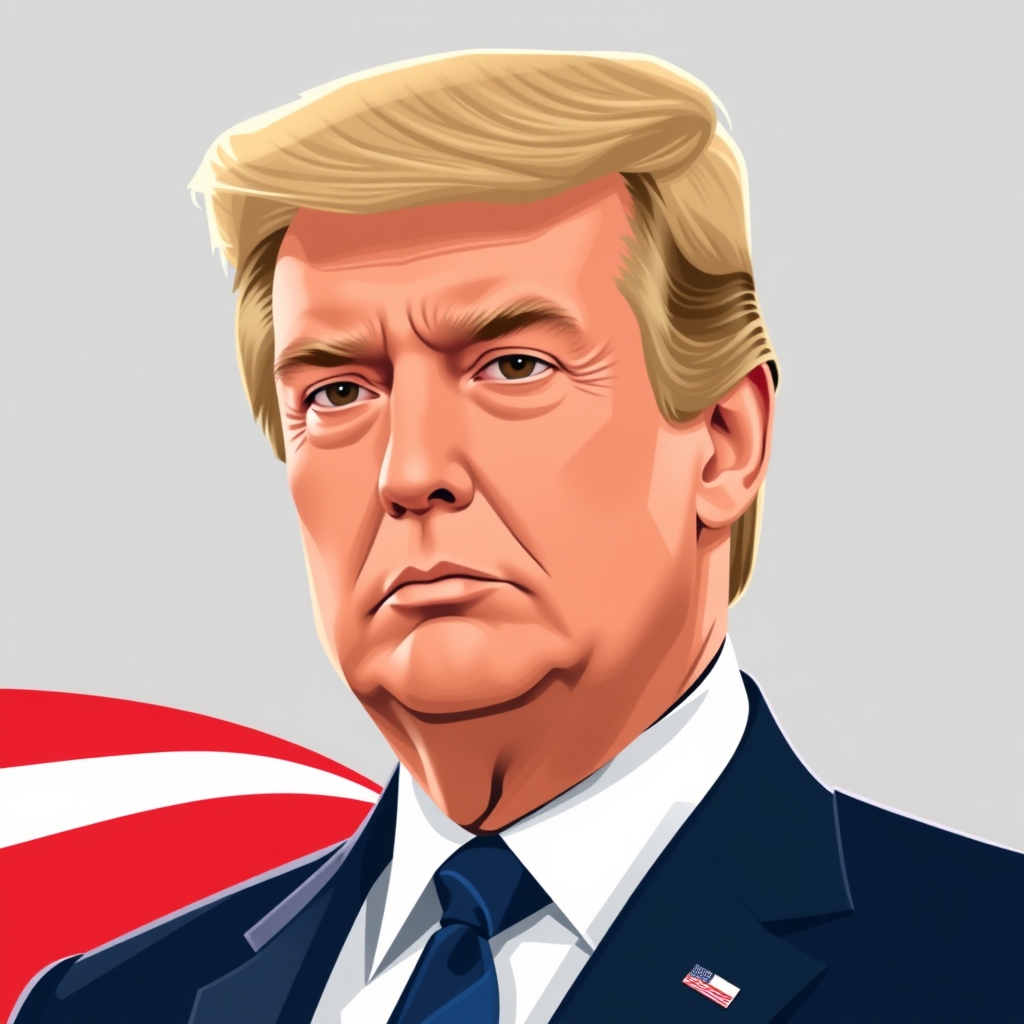
VS
Kimberly Guilfoyle

President Trump removed Kimberly Guilfoyle from her post as US ambassador to Greece following corruption allegations.
Guilfoyle denies the allegations, calling them false and describing the role as the honour of a lifetime.
*AI-generated summary of publicly available data. This is not an official statement of any party.
*AI-generated summary of publicly available statements and reporting. This is not an official statement of this party.
Supporters of Trump argue that removing Guilfoyle reflects a cultural standard of accountability, insisting that public trust demands swift action against corruption allegations regardless of personal ties.
Supporters of Trump argue that removing Guilfoyle upholds a cultural standard of accountability, showing that loyalty to him never exempts anyone from scrutiny once corruption allegations surface.
Supporters of Trump counter that the cultural shift they champion prizes accountability over status, so a public figure facing credible accusations steps aside—deference to loyalty is a norm they see as superseded.
Supporters of Trump argue a president holds legal authority to remove an ambassador at will, and that unproven corruption allegations don't require a trial before withdrawal of an appointed post.
Supporters of Trump argue that removing an ambassador over unproven corruption allegations is a lawful exercise of presidential appointment power, since ambassadors serve at the president's discretion and Senate confirmation does not guarantee continued tenure.
Supporters of Trump counter that at-will political appointments may be revoked at the president's discretion; no statute or due-process clause guarantees an ambassador continued tenure absent a legal finding.
Supporters of Trump argue the removal was pure realpolitik: corruption allegations became a liability, so cutting Guilfoyle protects the president's leverage and denies rivals a scandal to exploit.
Supporters of Trump argue that removing Guilfoyle protects the president's leverage in Greece; loyalty matters, but a scandal-linked envoy becomes a liability rivals exploit, so the purge is pragmatic.
Supporters of Trump counter that removing an ally under scrutiny is standard cost-control, not evasion—loyalty survives only while it protects the principal's interests.
Supporters of Trump argue that removing Guilfoyle upholds the moral duty that public office is a public trust, and that credible corruption allegations must carry consequences regardless of personal ties.
Supporters of Trump argue that removing an ambassador facing corruption allegations upholds the moral duty of public office, insisting that accountability matters more than personal loyalty.
Supporters of Trump counter that an ambassador serves at the president's discretion, so accountability for corruption concerns is a matter of trust, not a criminal trial—removal isn't punishment, it's the sovereign's call.
Supporters of Trump argue that removing Guilfoyle upholds the moral integrity expected of public office, citing religious conviction that leaders must remain above reproach.
Supporters of Trump argue that removing Guilfoyle upholds the moral integrity and trust that public office demands, a duty rooted in the belief that authority is answerable to a higher standard of justice.
Supporters of Trump counter that religious faith also demands public trust, and that a calling forfeited by scandal is not vindicated by invoking due process alone.
*AI-generated summary of publicly available statements and reporting. This is not an official statement of this party.
Supporters of Kimberly Guilfoyle argue that her removal reflects a cultural moment where accusation alone can undo a public servant, and they maintain that loyalty and service deserve deference until proven claims are fairly tested.
Supporters of Kimberly Guilfoyle argue that unproven corruption claims should not override established process, and that discarding a duly appointed ambassador on allegation alone sets a destabilizing precedent for institutional order.
Supporters of Kimberly Guilfoyle counter that loyalty and long-standing service are inherited virtues worth honoring, and that discarding a trusted ally over unproven allegations erodes the cultural bonds of fidelity that hold political communities together.
Supporters of Kimberly Guilfoyle argue that removing her as ambassador without due process presumes guilt before any legal finding, denying her the fairness the law requires.
Supporters of Kimberly Guilfoyle argue that denying her due process, as she was removed before the corruption allegations against her were legally proven, violates fundamental fairness.
Supporters of Kimberly Guilfoyle counter that at-will removal is legal, yet they argue the same standard should shield her from unproven claims, since no trial has established wrongdoing.
Supporters of Kimberly Guilfoyle argue the ouster was pure power theater: Trump cut her loose only to shield himself from scandal, not because the claims held weight.
Supporters of Kimberly Guilfoyle argue the ouster was a loyalty test gone wrong: Trump cut her once the corruption claims became a political liability, not a legal verdict.
Supporters of Kimberly Guilfoyle counter that cutting her rewards the accusers, signaling that unproven allegations can topple loyal allies—an incentive that invites more attacks and weakens the president's bargaining position.
Supporters of Kimberly Guilfoyle argue that removing an ambassador over unproven corruption allegations, which she denies, violates due process and presumption of innocence.
Supporters of Kimberly Guilfoyle argue that removing her before any proven wrongdoing denies her due process, and that punishing unverified allegations sets a troubling precedent for individual liberty.
Supporters of Kimberly Guilfoyle counter that punishing someone over unproven allegations, before any fair hearing, violates the moral principle that individuals deserve due process rather than guilt by association.
Supporters of Kimberly Guilfoyle invoke faith and due process, arguing that false corruption allegations shouldn't end a public servant's calling, and that the role was an honor she earned.
Supporters of Kimberly Guilfoyle argue that false corruption allegations against her violate the scriptural command against bearing false witness, and that she deserves restoration per divine justice.
Supporters of Kimberly Guilfoyle counter that scripture warns against judging others, citing Matthew 7:1, and argue that faith teaches redemption and mercy rather than condemnation of public figures.
AI-generated summary of publicly available statements and reporting. This is not an official statement of this party.
Supporters of Trump argue that removing Guilfoyle reflects a cultural standard of accountability, insisting that public trust demands swift action against corruption allegations regardless of personal ties.
Supporters of Trump argue that removing Guilfoyle upholds a cultural standard of accountability, showing that loyalty to him never exempts anyone from scrutiny once corruption allegations surface.
Supporters of Trump counter that the cultural shift they champion prizes accountability over status, so a public figure facing credible accusations steps aside—deference to loyalty is a norm they see as superseded.
Supporters of Trump argue a president holds legal authority to remove an ambassador at will, and that unproven corruption allegations don't require a trial before withdrawal of an appointed post.
Supporters of Trump argue that removing an ambassador over unproven corruption allegations is a lawful exercise of presidential appointment power, since ambassadors serve at the president's discretion and Senate confirmation does not guarantee continued tenure.
Supporters of Trump counter that at-will political appointments may be revoked at the president's discretion; no statute or due-process clause guarantees an ambassador continued tenure absent a legal finding.
Supporters of Trump argue the removal was pure realpolitik: corruption allegations became a liability, so cutting Guilfoyle protects the president's leverage and denies rivals a scandal to exploit.
Supporters of Trump argue that removing Guilfoyle protects the president's leverage in Greece; loyalty matters, but a scandal-linked envoy becomes a liability rivals exploit, so the purge is pragmatic.
Supporters of Trump counter that removing an ally under scrutiny is standard cost-control, not evasion—loyalty survives only while it protects the principal's interests.
Supporters of Trump argue that removing Guilfoyle upholds the moral duty that public office is a public trust, and that credible corruption allegations must carry consequences regardless of personal ties.
Supporters of Trump argue that removing an ambassador facing corruption allegations upholds the moral duty of public office, insisting that accountability matters more than personal loyalty.
Supporters of Trump counter that an ambassador serves at the president's discretion, so accountability for corruption concerns is a matter of trust, not a criminal trial—removal isn't punishment, it's the sovereign's call.
Supporters of Trump argue that removing Guilfoyle upholds the moral integrity expected of public office, citing religious conviction that leaders must remain above reproach.
Supporters of Trump argue that removing Guilfoyle upholds the moral integrity and trust that public office demands, a duty rooted in the belief that authority is answerable to a higher standard of justice.
Supporters of Trump counter that religious faith also demands public trust, and that a calling forfeited by scandal is not vindicated by invoking due process alone.
Supporters of Kimberly Guilfoyle argue that her removal reflects a cultural moment where accusation alone can undo a public servant, and they maintain that loyalty and service deserve deference until proven claims are fairly tested.
Supporters of Kimberly Guilfoyle argue that unproven corruption claims should not override established process, and that discarding a duly appointed ambassador on allegation alone sets a destabilizing precedent for institutional order.
Supporters of Kimberly Guilfoyle counter that loyalty and long-standing service are inherited virtues worth honoring, and that discarding a trusted ally over unproven allegations erodes the cultural bonds of fidelity that hold political communities together.
Supporters of Kimberly Guilfoyle argue that removing her as ambassador without due process presumes guilt before any legal finding, denying her the fairness the law requires.
Supporters of Kimberly Guilfoyle argue that denying her due process, as she was removed before the corruption allegations against her were legally proven, violates fundamental fairness.
Supporters of Kimberly Guilfoyle counter that at-will removal is legal, yet they argue the same standard should shield her from unproven claims, since no trial has established wrongdoing.
Supporters of Kimberly Guilfoyle argue the ouster was pure power theater: Trump cut her loose only to shield himself from scandal, not because the claims held weight.
Supporters of Kimberly Guilfoyle argue the ouster was a loyalty test gone wrong: Trump cut her once the corruption claims became a political liability, not a legal verdict.
Supporters of Kimberly Guilfoyle counter that cutting her rewards the accusers, signaling that unproven allegations can topple loyal allies—an incentive that invites more attacks and weakens the president's bargaining position.
Supporters of Kimberly Guilfoyle argue that removing an ambassador over unproven corruption allegations, which she denies, violates due process and presumption of innocence.
Supporters of Kimberly Guilfoyle argue that removing her before any proven wrongdoing denies her due process, and that punishing unverified allegations sets a troubling precedent for individual liberty.
Supporters of Kimberly Guilfoyle counter that punishing someone over unproven allegations, before any fair hearing, violates the moral principle that individuals deserve due process rather than guilt by association.
Supporters of Kimberly Guilfoyle invoke faith and due process, arguing that false corruption allegations shouldn't end a public servant's calling, and that the role was an honor she earned.
Supporters of Kimberly Guilfoyle argue that false corruption allegations against her violate the scriptural command against bearing false witness, and that she deserves restoration per divine justice.
Supporters of Kimberly Guilfoyle counter that scripture warns against judging others, citing Matthew 7:1, and argue that faith teaches redemption and mercy rather than condemnation of public figures.
Trump removes Kimberly Guilfoyle from her ambassador post after corruption allegations.