Lawsuit plaintiffs

VS
Trump
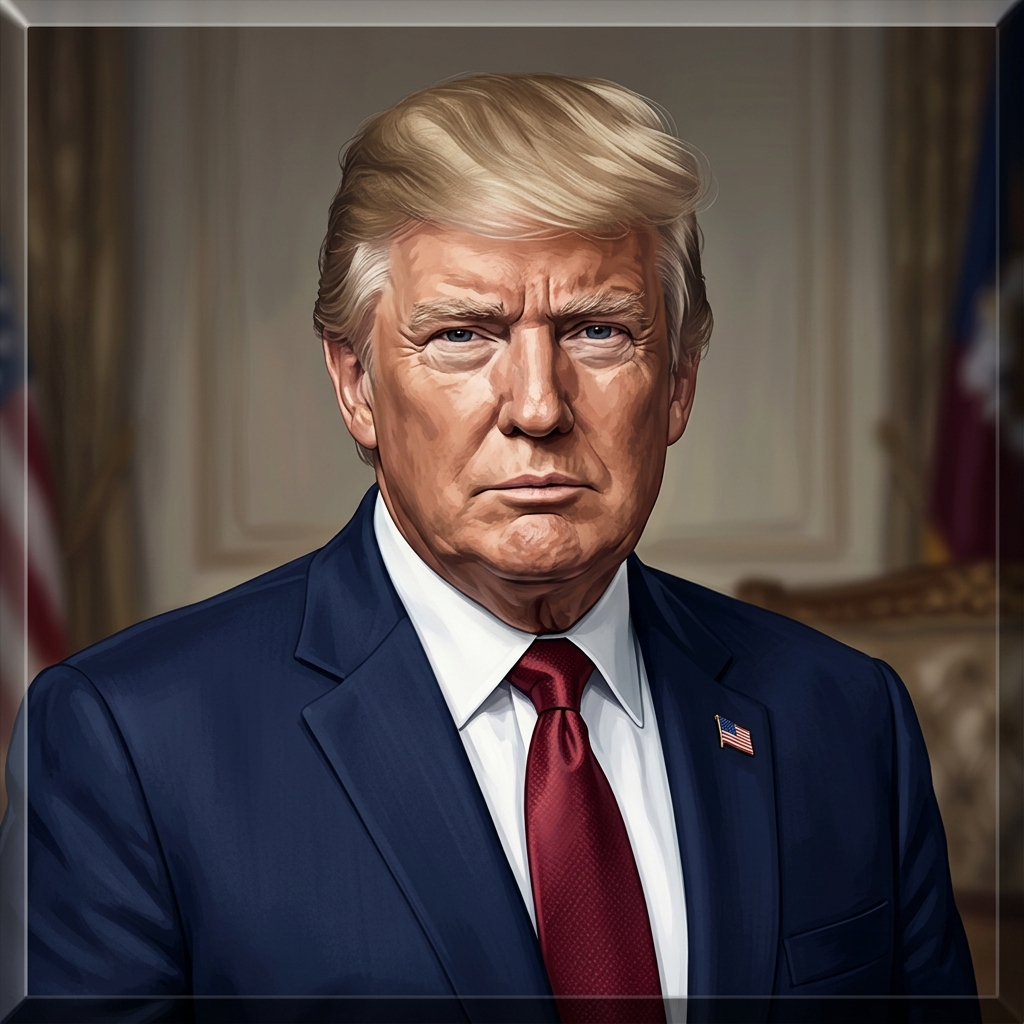
Donald Trump, the former President of the United States, and a group of lawsuit plaintiffs are engaged in multiple legal disputes.
The plaintiffs include individuals and organizations who have filed civil suits against Trump, alleging various harms, such as reputational and financial damage from the leaking of tax returns, or seeking accountability for events like the January 6 Capitol attack.
Trump, as a private citizen and business figure, faces these lawsuits while also initiating his own legal actions, such as suing federal agencies he oversees.
The conflict arises from the plaintiffs' claims that Trump's actions caused them harm, while Trump has pursued legal strategies that include suing government entities and challenging the plaintiffs' standing or conduct.
For instance, in one case, a federal court found that plaintiffs in a Trump lawsuit acted in bad faith, while in another, judges allowed civil suits against Trump to proceed, enabling plaintiffs to seek information.
The disagreements center on the validity of the claims, the conduct of the parties, and the extent of Trump's liability.
These legal battles have broader implications for presidential accountability, the limits of executive power, and the rights of individuals to seek redress in court.
The outcomes could set precedents for how former presidents are treated in civil litigation and how government agencies interact with presidential directives.
*AI-generated summary of publicly available data. This is not an official statement of any party.
*AI-generated summary of publicly available statements and reporting. This is not an official statement of this party.
Supporters of Lawsuit plaintiffs argue that Truth Social's content practices undermine the cultural integrity of conservative speech, treating it as a commodity rather than a protected national expression.
Supporters of the lawsuit plaintiffs argue that Truth Social’s feed undermines the cultural integrity of public discourse, as its content practices distort shared national narratives rather than reflect authentic civic exchange.
Supporters of Lawsuit plaintiffs counter that Truth Social’s curated feed mirrors the very censorship Trump decries, replacing Big Tech’s gatekeeping with a narrow, nationalist echo chamber that erodes cultural pluralism.
Supporters of Lawsuit plaintiffs argue that Truth Social’s content moderation violates federal law by operating as a private, politically biased censor, undermining the platform’s contractual promise of neutrality.
Supporters of Lawsuit plaintiffs argue that Truth Social’s practices breach its own terms of service, undermining contractual fairness and user rights under U.S. platform liability law.
Supporters of the lawsuit plaintiffs counter that Truth Social’s editorial discretion does not shield deliberate amplification of unlawful content, and they argue the complaint identifies concrete statutory harms, such as securities violations, that fall outside protected moderat.
Supporters of Lawsuit plaintiffs argue Trump built Truth Social as a loyalty filter, not a forum; its feed rewards sycophancy and punishes dissent to consolidate his power, making the corruption claim a strategic legal lever against his influence.
Supporters of the lawsuit plaintiffs argue Trump’s suit is a power move, framing Truth Social’s “corrupt” feed as a calculated tool to control narrative and evade accountability.
Supporters of the lawsuit plaintiffs counter that the suit targets documented conduct, not politics, and that discovery costs are a standard legal lever, not a weapon.
Supporters of the lawsuit plaintiffs argue that unchecked platform corruption violates the moral duty of fairness, demanding accountability for Truth Social’s practices.
Supporters of Lawsuit plaintiffs argue that unchecked influence over public discourse demands moral accountability, insisting that fairness requires transparency and equal treatment for all users.
Supporters of the lawsuit plaintiffs counter that no platform right shields deliberate amplification of falsehoods that endanger others, arguing that moral responsibility must override curation when speech incites real harm.
Supporters of the lawsuit plaintiffs argue that Truth Social’s practices violate the moral duty of truthfulness, as scripture demands integrity in all dealings, and they see the platform’s conduct as a breach of that divine standard.
Supporters of Lawsuit plaintiffs argue that Truth Social's conduct violates the scriptural mandate for just and truthful dealings, citing the platform's alleged corruption as a breach of divine law.
Supporters of the lawsuit plaintiffs argue that no platform holds divine mandate, and that Truth Social’s alleged censorship of dissent violates the very faith it claims to serve, for scripture calls for truth and justice, not selective silencing.
*AI-generated summary of publicly available statements and reporting. This is not an official statement of this party.
Supporters of Trump argue the lawsuit attacks his right to curate Truth Social as a cultural bulwark against Big Tech censorship, defending free expression over corporate "corruption" claims.
Supporters of Trump argue the lawsuit attacks a platform built to restore open, patriotic discourse against corporate censorship, viewing the claims as cultural elites undermining free expression and traditional American values.
Supporters of Trump counter that Truth Social preserves conservative expression as a cultural inheritance, not a commodity, by prioritizing authenticity over corporate dilution.
Supporters of Trump argue the lawsuit misapplies platform liability law, as Truth Social’s content moderation falls under protected editorial discretion, and plaintiffs must show specific statutory harm, not vague claims of corruption.
Supporters of Trump argue the lawsuit misapplies legal standards, asserting Truth Social’s content moderation falls under First Amendment protections, not corporate corruption claims.
Supporters of Trump counter that Truth Social’s moderation is protected speech under the First Amendment, not a breach of contract, since private platforms retain editorial discretion over user content.
Supporters of Trump argue the lawsuit is a political weapon, not a legal claim, aimed at bleeding his platform through discovery costs and bad press.
Supporters of Trump argue the lawsuit is a political stunt, not a legal claim, pointing to the timing and the plaintiffs' focus on feed curation as evidence of bad-faith coercion.
Supporters of Trump counter that Truth Social is a private business venture, not a public square; its editorial choices are protected speech, and the lawsuit plaintiffs’ corruption claim merely weaponizes legal process to undermine a commercial competitor’s market position.
Supporters of Trump argue that holding him personally liable for Truth Social's content practices ignores his right to curate a platform as he sees fit, framing the lawsuit as a moral overreach that chills free expression.
Supporters of Trump argue the lawsuit weaponizes courts to police political speech, and they maintain Truth Social’s editorial choices reflect a moral duty to counter censorship, not corruption.
Supporters of Trump counter that moral duty flows from protecting free expression, not policing private platforms; they argue fairness demands resisting regulatory overreach that would chill political speech and empower unelected judges over voters’ chosen leaders.
Supporters of Trump argue that Truth Social serves as a divinely-ordained refuge for free expression, defending traditional faith-based values against corrupt secular censorship. They see the lawsuit as an attack on a sacred mission to restore America's moral order.
Supporters of Trump argue the lawsuit attacks a platform built on free expression, seeing it as a threat to traditional American values of open debate and moral accountability.
Supporters of Trump counter that Truth Social operates as a free speech forum, not a church, and that divine standards apply to personal conduct, not corporate platform policies.
AI-generated summary of publicly available statements and reporting. This is not an official statement of this party.
Supporters of Lawsuit plaintiffs argue that Truth Social's content practices undermine the cultural integrity of conservative speech, treating it as a commodity rather than a protected national expression.
Supporters of the lawsuit plaintiffs argue that Truth Social’s feed undermines the cultural integrity of public discourse, as its content practices distort shared national narratives rather than reflect authentic civic exchange.
Supporters of Lawsuit plaintiffs counter that Truth Social’s curated feed mirrors the very censorship Trump decries, replacing Big Tech’s gatekeeping with a narrow, nationalist echo chamber that erodes cultural pluralism.
Supporters of Lawsuit plaintiffs argue that Truth Social’s content moderation violates federal law by operating as a private, politically biased censor, undermining the platform’s contractual promise of neutrality.
Supporters of Lawsuit plaintiffs argue that Truth Social’s practices breach its own terms of service, undermining contractual fairness and user rights under U.S. platform liability law.
Supporters of the lawsuit plaintiffs counter that Truth Social’s editorial discretion does not shield deliberate amplification of unlawful content, and they argue the complaint identifies concrete statutory harms, such as securities violations, that fall outside protected moderat.
Supporters of Lawsuit plaintiffs argue Trump built Truth Social as a loyalty filter, not a forum; its feed rewards sycophancy and punishes dissent to consolidate his power, making the corruption claim a strategic legal lever against his influence.
Supporters of the lawsuit plaintiffs argue Trump’s suit is a power move, framing Truth Social’s “corrupt” feed as a calculated tool to control narrative and evade accountability.
Supporters of the lawsuit plaintiffs counter that the suit targets documented conduct, not politics, and that discovery costs are a standard legal lever, not a weapon.
Supporters of the lawsuit plaintiffs argue that unchecked platform corruption violates the moral duty of fairness, demanding accountability for Truth Social’s practices.
Supporters of Lawsuit plaintiffs argue that unchecked influence over public discourse demands moral accountability, insisting that fairness requires transparency and equal treatment for all users.
Supporters of the lawsuit plaintiffs counter that no platform right shields deliberate amplification of falsehoods that endanger others, arguing that moral responsibility must override curation when speech incites real harm.
Supporters of the lawsuit plaintiffs argue that Truth Social’s practices violate the moral duty of truthfulness, as scripture demands integrity in all dealings, and they see the platform’s conduct as a breach of that divine standard.
Supporters of Lawsuit plaintiffs argue that Truth Social's conduct violates the scriptural mandate for just and truthful dealings, citing the platform's alleged corruption as a breach of divine law.
Supporters of the lawsuit plaintiffs argue that no platform holds divine mandate, and that Truth Social’s alleged censorship of dissent violates the very faith it claims to serve, for scripture calls for truth and justice, not selective silencing.
Supporters of Trump argue the lawsuit attacks his right to curate Truth Social as a cultural bulwark against Big Tech censorship, defending free expression over corporate "corruption" claims.
Supporters of Trump argue the lawsuit attacks a platform built to restore open, patriotic discourse against corporate censorship, viewing the claims as cultural elites undermining free expression and traditional American values.
Supporters of Trump counter that Truth Social preserves conservative expression as a cultural inheritance, not a commodity, by prioritizing authenticity over corporate dilution.
Supporters of Trump argue the lawsuit misapplies platform liability law, as Truth Social’s content moderation falls under protected editorial discretion, and plaintiffs must show specific statutory harm, not vague claims of corruption.
Supporters of Trump argue the lawsuit misapplies legal standards, asserting Truth Social’s content moderation falls under First Amendment protections, not corporate corruption claims.
Supporters of Trump counter that Truth Social’s moderation is protected speech under the First Amendment, not a breach of contract, since private platforms retain editorial discretion over user content.
Supporters of Trump argue the lawsuit is a political weapon, not a legal claim, aimed at bleeding his platform through discovery costs and bad press.
Supporters of Trump argue the lawsuit is a political stunt, not a legal claim, pointing to the timing and the plaintiffs' focus on feed curation as evidence of bad-faith coercion.
Supporters of Trump counter that Truth Social is a private business venture, not a public square; its editorial choices are protected speech, and the lawsuit plaintiffs’ corruption claim merely weaponizes legal process to undermine a commercial competitor’s market position.
Supporters of Trump argue that holding him personally liable for Truth Social's content practices ignores his right to curate a platform as he sees fit, framing the lawsuit as a moral overreach that chills free expression.
Supporters of Trump argue the lawsuit weaponizes courts to police political speech, and they maintain Truth Social’s editorial choices reflect a moral duty to counter censorship, not corruption.
Supporters of Trump counter that moral duty flows from protecting free expression, not policing private platforms; they argue fairness demands resisting regulatory overreach that would chill political speech and empower unelected judges over voters’ chosen leaders.
Supporters of Trump argue that Truth Social serves as a divinely-ordained refuge for free expression, defending traditional faith-based values against corrupt secular censorship. They see the lawsuit as an attack on a sacred mission to restore America's moral order.
Supporters of Trump argue the lawsuit attacks a platform built on free expression, seeing it as a threat to traditional American values of open debate and moral accountability.
Supporters of Trump counter that Truth Social operates as a free speech forum, not a church, and that divine standards apply to personal conduct, not corporate platform policies.
A US Supreme Court judge has allowed work on President Donald Trump’s White House ballroom to continue with a case against it still pending Read Full Article at RT.com
Trump sued over 'profoundly corrupt' Truth Social feed
A federal court ruled that the plaintiffs in the Trump v. IRS lawsuit acted in bad faith, as reported by Democracy Forward.
President Trump filed a lawsuit against the Treasury Department and the Internal Revenue Service, both agencies he oversees, seeking $10 billion in damages.
A judge ruled that three civil cases against Trump related to the January 6 Capitol attack can proceed, allowing plaintiffs to seek information from Trump.
The Trump administration filed a lawsuit against Hawaii to prevent the state from suing fossil fuel companies over their contributions to greenhouse gas emissions.
The Democratic National Committee and other plaintiffs filed a lawsuit against Trump, arguing that an executive order improperly gives the president power to direct the Federal Election Commission's positions.