Legal experts
VS
Trump
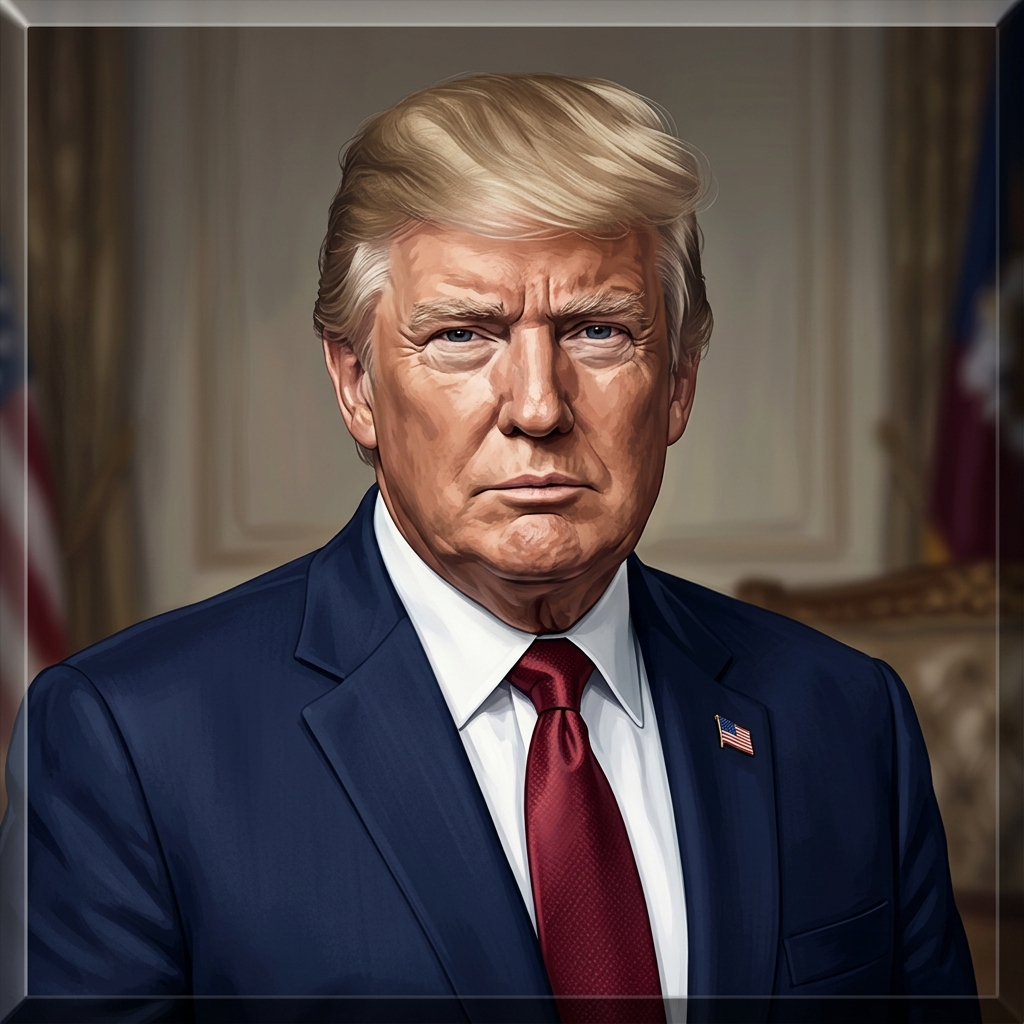
Despite not being on the ballot, Trump is campaigning hard ahead of the upcoming midterm elections.
His tactics and promises have mostly been at the expense of US taxpayers, and experts say some might violate federal law.
*AI-generated summary of publicly available data. This is not an official statement of any party.
*AI-generated summary of publicly available statements and reporting. This is not an official statement of this party.
Supporters of the legal experts argue that Trump's taxpayer-funded campaign tactics, if they violate federal law, erode the institutional norms and legal continuity that preserve orderly, constitutional governance.
Supporters of the legal experts argue that Trump's costly midterm tactics, funded by taxpayers, break federal law and undermine the institutional restraints and inherited norms that preserve orderly, lawful elections.
Legal experts counter that cultural identity claims cannot exempt a movement from campaign finance and election law, since shared values do not suspend the statutory limits that govern political spending.
Legal experts argue Trump's taxpayer-funded campaigning may breach federal law, since Congress never authorized spending on races he isn't in.
Supporters of Legal experts argue that Trump's taxpayer-funded campaign tactics may violate federal law, citing the Hatch Act's limits on executive branch political activity.
Supporters of legal experts counter that courts, not Congress, decide whether federal law was broken, and that campaign promises lose protection when they further a criminal scheme.
Legal experts backing the view that Trump's tactics may violate federal law see leverage, not legality, as the real contest: rules bind only those without power to ignore them.
Supporters of Legal experts argue Trump's midterm tactics test whether legal limits are enforced or merely advisory, and that power, not principle, decides which violations carry consequences.
Supporters of Legal experts counter that Trump's base-focused spending still invites prosecutorial scrutiny, and that immunity claims collapse once courts weigh concrete evidence over partisan framing.
Legal experts argue that taxpayers footing the bill for Trump's campaign promises is a moral breach of public trust, since officials must not convert public funds into personal political capital.
Supporters of the legal experts argue that taxpayers footing the bill for Trump's campaign promises is a moral breach of public trust, since officials should not spend public funds for private political gain.
Supporters of Legal experts counter that free speech does not shield conduct like inciting violence or unlawful acts, and that courts, not partisan feeling, decide where that line falls.
Supporters of the legal experts argue that longstanding law and constitutional order, inherited as a trust, must bind even the powerful; they maintain that ignoring such restraints erodes the moral foundations a nation holds.
Supporters of the legal experts argue that respect for law is itself a moral duty, and that no leader's campaign tactics should be exempt from the standards a religiously grounded conscience demands of government.
Supporters of Legal experts counter that righteous governance is bound by God's moral law, not majority will, citing Romans 13 that rulers are God's servants to execute justice, and that no leader stands above the law.
*AI-generated summary of publicly available statements and reporting. This is not an official statement of this party.
Supporters of Trump argue his midterm campaigning reflects cultural identity and national interest, not legal violation; they maintain that defending his movement's values justifies the costs.
Supporters of Trump argue his midterm campaigning reflects voters’ cultural identity and national self-determination, and they maintain that legal experts’ objections are partisan attempts to silence that voice.
Supporters of Trump counter that cultural backlash against weaponized federal law matters more: voters see prosecutions as elites policing speech, not safeguarding governance.
Supporters of Trump argue that his campaign promises are protected political speech, not illegal acts, and that only Congress—not legal experts—can determine whether federal law was broken.
Supporters of Trump argue that campaign spending is protected political speech, and that only Congress—not legal experts—can define federal election-law limits on a president rallying voters.
Supporters of Trump counter that critics ignore that presidents have long used official travel to promote their agenda, and no court has found such spending unauthorized.
Supporters of Trump argue that campaign spending and promises serve his base, and legal experts’ objections are partisan noise; power, not taxpayer cost, decides elections.
Supporters of Trump argue that legal experts’ objections are mere noise; in their view, power is won by any tactic that works, and taxpayers’ money is the price of victory.
Supporters of Trump counter that legal experts mistake their own preferences for constraints: statutes are enforced by officials, so the real check is whether enforcers pay a price, and Trump's base ensures they do.
Supporters of Trump argue that his rallies and promises are a legitimate appeal to voters, and that legal experts’ objections reflect partisan bias; in their view, he is exercising free speech, not breaking the law.
Supporters of Trump argue that his midterm campaigning is legitimate political speech, not a legal violation, and that taxpayers benefit when he helps elect allies who will cut spending and taxes.
Supporters of Trump counter that public funds always advance policy priorities, so the real moral test is whether taxpayers benefit from the promised results, not who gets credit.
Supporters of Trump argue that his campaign promises reflect a moral mandate to restore righteous governance, and that legal experts citing federal law oppose the will of the people.
Supporters of Trump argue that his campaigning reflects a moral duty to defend divinely ordained values, and they maintain that legal experts' objections reflect earthly judgment rather than God's higher law.
Supporters of Trump counter that earthly legal experts do not sit above divine authority; they argue that a ruler raised up by Providence answers finally to God's law, not to the judgments of men.
AI-generated summary of publicly available statements and reporting. This is not an official statement of this party.
Supporters of the legal experts argue that Trump's taxpayer-funded campaign tactics, if they violate federal law, erode the institutional norms and legal continuity that preserve orderly, constitutional governance.
Supporters of the legal experts argue that Trump's costly midterm tactics, funded by taxpayers, break federal law and undermine the institutional restraints and inherited norms that preserve orderly, lawful elections.
Legal experts counter that cultural identity claims cannot exempt a movement from campaign finance and election law, since shared values do not suspend the statutory limits that govern political spending.
Legal experts argue Trump's taxpayer-funded campaigning may breach federal law, since Congress never authorized spending on races he isn't in.
Supporters of Legal experts argue that Trump's taxpayer-funded campaign tactics may violate federal law, citing the Hatch Act's limits on executive branch political activity.
Supporters of legal experts counter that courts, not Congress, decide whether federal law was broken, and that campaign promises lose protection when they further a criminal scheme.
Legal experts backing the view that Trump's tactics may violate federal law see leverage, not legality, as the real contest: rules bind only those without power to ignore them.
Supporters of Legal experts argue Trump's midterm tactics test whether legal limits are enforced or merely advisory, and that power, not principle, decides which violations carry consequences.
Supporters of Legal experts counter that Trump's base-focused spending still invites prosecutorial scrutiny, and that immunity claims collapse once courts weigh concrete evidence over partisan framing.
Legal experts argue that taxpayers footing the bill for Trump's campaign promises is a moral breach of public trust, since officials must not convert public funds into personal political capital.
Supporters of the legal experts argue that taxpayers footing the bill for Trump's campaign promises is a moral breach of public trust, since officials should not spend public funds for private political gain.
Supporters of Legal experts counter that free speech does not shield conduct like inciting violence or unlawful acts, and that courts, not partisan feeling, decide where that line falls.
Supporters of the legal experts argue that longstanding law and constitutional order, inherited as a trust, must bind even the powerful; they maintain that ignoring such restraints erodes the moral foundations a nation holds.
Supporters of the legal experts argue that respect for law is itself a moral duty, and that no leader's campaign tactics should be exempt from the standards a religiously grounded conscience demands of government.
Supporters of Legal experts counter that righteous governance is bound by God's moral law, not majority will, citing Romans 13 that rulers are God's servants to execute justice, and that no leader stands above the law.
Supporters of Trump argue his midterm campaigning reflects cultural identity and national interest, not legal violation; they maintain that defending his movement's values justifies the costs.
Supporters of Trump argue his midterm campaigning reflects voters’ cultural identity and national self-determination, and they maintain that legal experts’ objections are partisan attempts to silence that voice.
Supporters of Trump counter that cultural backlash against weaponized federal law matters more: voters see prosecutions as elites policing speech, not safeguarding governance.
Supporters of Trump argue that his campaign promises are protected political speech, not illegal acts, and that only Congress—not legal experts—can determine whether federal law was broken.
Supporters of Trump argue that campaign spending is protected political speech, and that only Congress—not legal experts—can define federal election-law limits on a president rallying voters.
Supporters of Trump counter that critics ignore that presidents have long used official travel to promote their agenda, and no court has found such spending unauthorized.
Supporters of Trump argue that campaign spending and promises serve his base, and legal experts’ objections are partisan noise; power, not taxpayer cost, decides elections.
Supporters of Trump argue that legal experts’ objections are mere noise; in their view, power is won by any tactic that works, and taxpayers’ money is the price of victory.
Supporters of Trump counter that legal experts mistake their own preferences for constraints: statutes are enforced by officials, so the real check is whether enforcers pay a price, and Trump's base ensures they do.
Supporters of Trump argue that his rallies and promises are a legitimate appeal to voters, and that legal experts’ objections reflect partisan bias; in their view, he is exercising free speech, not breaking the law.
Supporters of Trump argue that his midterm campaigning is legitimate political speech, not a legal violation, and that taxpayers benefit when he helps elect allies who will cut spending and taxes.
Supporters of Trump counter that public funds always advance policy priorities, so the real moral test is whether taxpayers benefit from the promised results, not who gets credit.
Supporters of Trump argue that his campaign promises reflect a moral mandate to restore righteous governance, and that legal experts citing federal law oppose the will of the people.
Supporters of Trump argue that his campaigning reflects a moral duty to defend divinely ordained values, and they maintain that legal experts' objections reflect earthly judgment rather than God's higher law.
Supporters of Trump counter that earthly legal experts do not sit above divine authority; they argue that a ruler raised up by Providence answers finally to God's law, not to the judgments of men.
Despite not being on the ballot, Trump is campaigning hard ahead of the upcoming midterm elections. His tactics and promises have mostly been at the expense of US taypayers. Experts say some might violate federal law.