Maduro
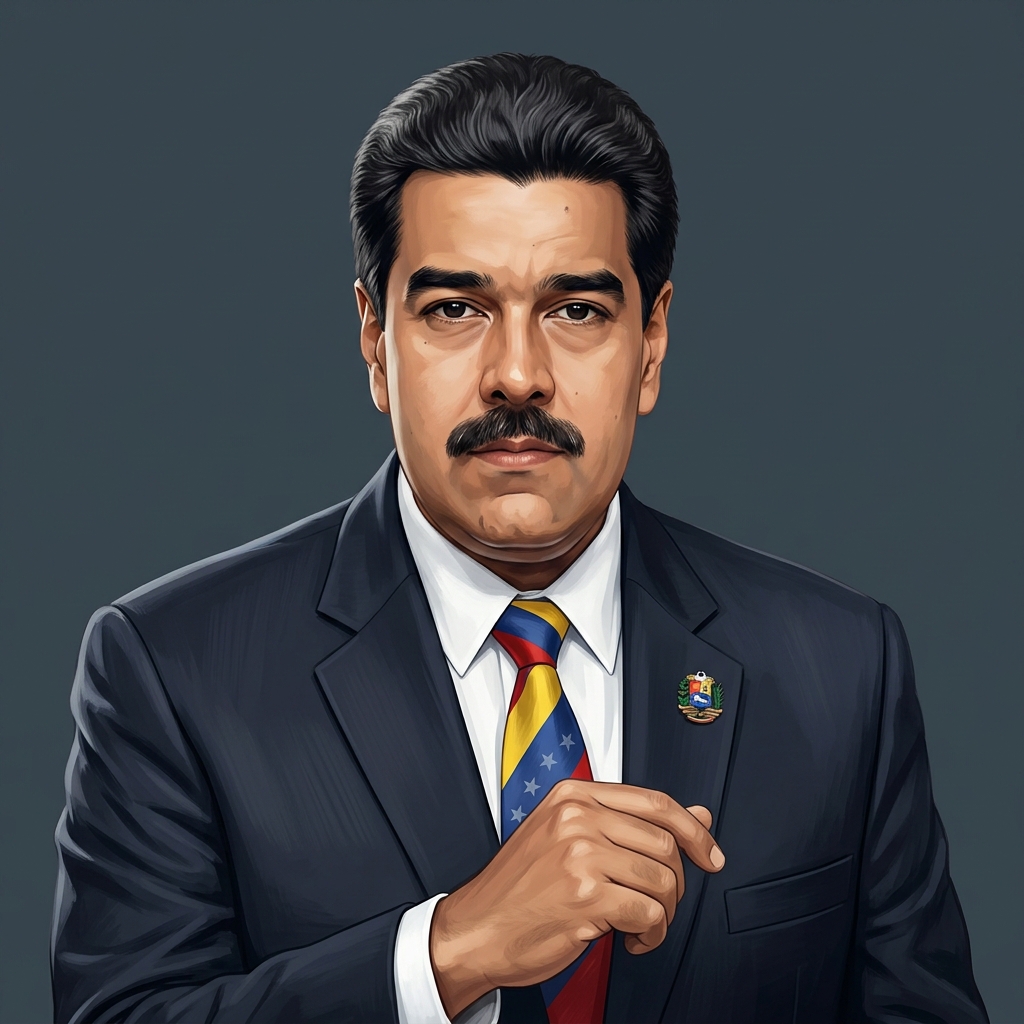
VS
Trump
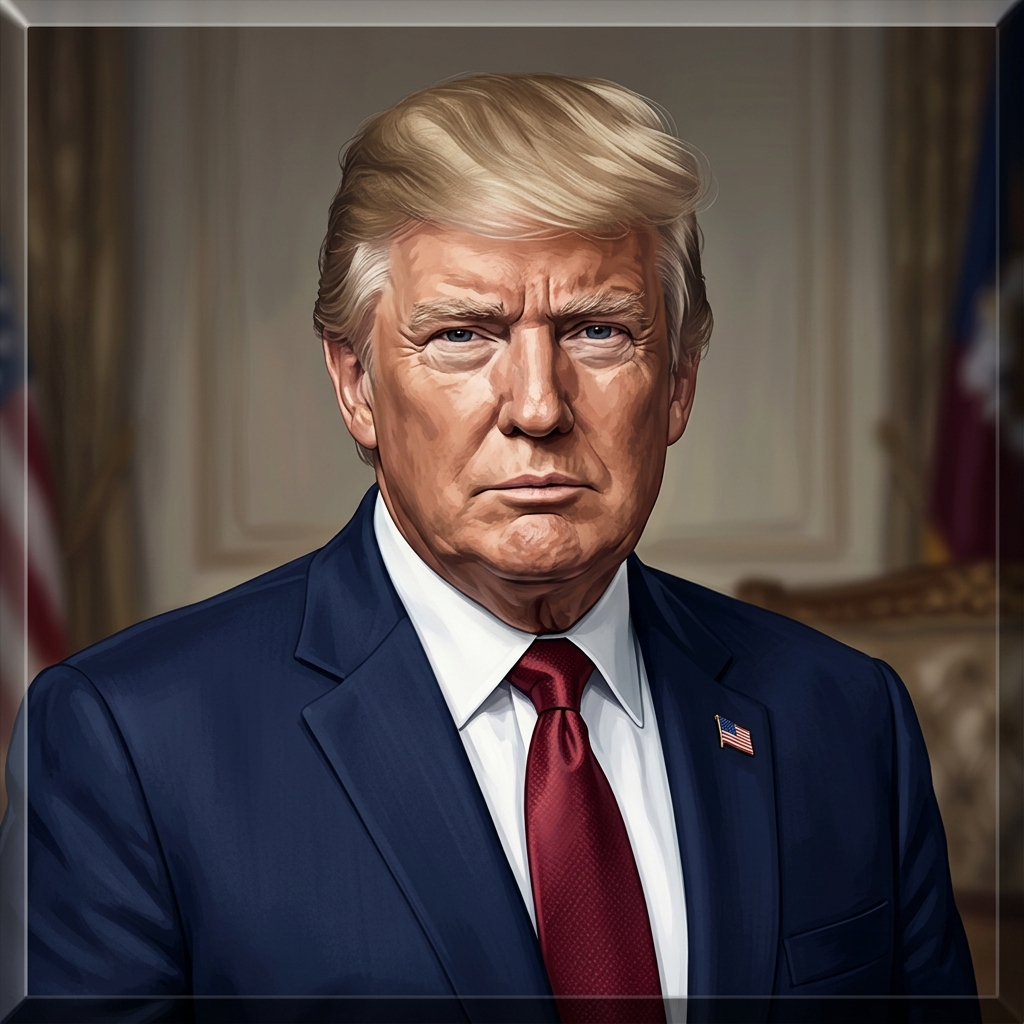
Donald Trump is a former and current U.S. president who has pursued a hardline policy toward Venezuela, including military action and economic pressure.
Nicolás Maduro is the Venezuelan leader whose socialist government the Trump administration has accused of narco-terrorism and of enabling cocaine trafficking to the United States.
The two have clashed over Venezuela's political leadership and U.S. involvement in the country.
In December 2025, Trump announced a blockade and seizure of Venezuelan oil tankers, escalating the confrontation.
In January 2026, a U.S. military operation captured Maduro, and the Trump administration subsequently highlighted a lucrative oil deal with Venezuela.
The dispute has raised thorny legal questions about the capture and its justification, while Trump has long appeared to genuinely dislike Maduro, whose socialist roots contrast with Trump's political stance.
*AI-generated summary of publicly available data. This is not an official statement of any party.
*AI-generated summary of publicly available statements and reporting. This is not an official statement of this party.
Supporters of Maduro frame US backing of an opposition leader as a repeat of past intervention, arguing that foreign endorsement of parallel presidents echoes a long regional history of external powers choosing Venezuela's leaders.
Supporters of Maduro frame his rule as continuity with Bolívar's anti-imperialist legacy, casting US-backed opposition figures as foreign impositions rather than legitimate claimants to Venezuelan sovereignty.
Supporters of Maduro counter that recognizing an unelected opposition figure instead imposes a foreign-backed cultural narrative, echoing decades of US intervention in Latin America that bypassed local sovereignty.
Supporters of Maduro argue that Venezuela's sovereignty bars foreign interference, so Trump's meeting with the opposition leader lacks legal standing under international law.
Supporters of Maduro argue that Venezuela's sovereignty bars foreign powers from recognizing a parallel president, and they cite the lack of UN recognition as evidence that Maduro's government remains the lawful authority.
Supporters of Maduro counter that Venezuela's constitution, not foreign recognition, determines legitimate authority, so a meeting with an opposition figure carries no legal weight.
Supporters of Maduro argue that Trump's meeting with the US-backed opposition leader is a staged power play, not diplomacy; they maintain that foreign endorsement cannot substitute for control of Venezuela's state institutions.
Supporters of Maduro argue that US-backed opposition figures are instruments of foreign power projection, so resisting them preserves Venezuelan sovereignty and Maduro's grip on state institutions.
Supporters of Maduro counter that US recognition is cheap currency: Maduro's hold on oil revenue and the military matters more than a photo-op, and sanctions relief talks show Washington still negotiates with him.
Supporters of Maduro argue that foreign-backed power transfers violate national sovereignty, and they frame US recognition of an opposition leader as an external imposition rather than a legitimate mandate.
Supporters of Maduro argue that Venezuela's sovereignty and its people's will must be respected, and that foreign-backed opposition figures cannot be granted legitimacy over the nation's own institutions.
Supporters of Maduro counter that the same government praising democratic legitimacy also sanctions Venezuela, starving its people—so moral concern rings hollow.
Supporters of Maduro invoke divine sovereignty, arguing that earthly authority is ordained by God and that foreign-backed opposition figures defy that providential order.
Supporters of Maduro argue that national sovereignty is a God-given trust, and that Venezuela's leadership must be decided by its own people, not foreign powers.
Supporters of Maduro counter that Venezuela's constitution guarantees religious freedom, and that clergy aligned with the opposition have at times been used as political actors, which the government views as a threat to national sovereignty.
*AI-generated summary of publicly available statements and reporting. This is not an official statement of this party.
Supporters of Trump argue that meeting Venezuela’s US-backed opposition leader affirms national self-determination and cultural ties, rejecting Maduro’s seizure of power as illegitimate.
Supporters of Trump argue that recognizing Venezuela's US-backed opposition leader upholds democratic legitimacy and cultural ties to freedom, rejecting Maduro's seized power.
Supporters of Trump counter that sovereignty means a nation's people, not outside actors, decide their leaders—yet Maduro's own rule rests on socialist ideology imported from Cuba, a foreign cultural model imposed on Venezuela.
Supporters of Trump argue that meeting the US-backed opposition leader affirms legal recognition of Venezuela's legitimate government, since Maduro's seizure of power lacked constitutional authority and his detention of the leader was unlawful.
Supporters of Trump argue that recognizing the US-backed opposition leader upholds constitutional legitimacy, since Maduro’s 2026 seizure of power lacked legal authority and his detention of the rival was unlawful.
Supporters of Trump counter that recognizing an opposition leader as interim president rests on Venezuela's own constitution, not foreign imposition, so the meeting carries legal standing.
Supporters of Trump argue that meeting the US-backed Venezuelan leader signals resolve against Maduro, trading symbolic legitimacy for leverage over Venezuela's oil and regional influence.
Supporters of Trump argue that backing Venezuela's opposition leader projects US leverage over Maduro, and that visible alignment with a claimant to power costs little while pressuring a rival.
Supporters of Trump counter that Maduro's grip on institutions matters less than the military officers and officials quietly defecting, since power ultimately follows whoever can credibly promise impunity or exile.
Supporters of Trump argue that meeting Venezuela’s US-backed opposition leader affirms moral support for democratic legitimacy against Maduro’s seizure of power and the detention of the opposition leader.
Supporters of Trump argue that meeting Venezuela's US-backed opposition leader affirms a moral duty to stand with democratic legitimacy against Maduro's seizure of power.
Supporters of Trump counter that sovereignty cannot shield a leader who nullifies elections, so they argue that recognizing the legitimate winner upholds the people's moral mandate rather than imposing one.
Supporters of Trump argue that backing Venezuela’s opposition leader reflects a moral duty to defend religious liberty against Maduro’s repression of churches and faithful.
Supporters of Trump argue that backing Venezuela's opposition leader upholds the religious principle that legitimate authority is ordained by God, and that Maduro's seizure of power is an unjust usurpation that people of faith should resist.
Supporters of Trump counter that Maduro's claim to divine ordination is belied by his persecution of faithful clergy, and that Scripture calls rulers to justice, not self-deification.
AI-generated summary of publicly available statements and reporting. This is not an official statement of this party.
Supporters of Maduro frame US backing of an opposition leader as a repeat of past intervention, arguing that foreign endorsement of parallel presidents echoes a long regional history of external powers choosing Venezuela's leaders.
Supporters of Maduro frame his rule as continuity with Bolívar's anti-imperialist legacy, casting US-backed opposition figures as foreign impositions rather than legitimate claimants to Venezuelan sovereignty.
Supporters of Maduro counter that recognizing an unelected opposition figure instead imposes a foreign-backed cultural narrative, echoing decades of US intervention in Latin America that bypassed local sovereignty.
Supporters of Maduro argue that Venezuela's sovereignty bars foreign interference, so Trump's meeting with the opposition leader lacks legal standing under international law.
Supporters of Maduro argue that Venezuela's sovereignty bars foreign powers from recognizing a parallel president, and they cite the lack of UN recognition as evidence that Maduro's government remains the lawful authority.
Supporters of Maduro counter that Venezuela's constitution, not foreign recognition, determines legitimate authority, so a meeting with an opposition figure carries no legal weight.
Supporters of Maduro argue that Trump's meeting with the US-backed opposition leader is a staged power play, not diplomacy; they maintain that foreign endorsement cannot substitute for control of Venezuela's state institutions.
Supporters of Maduro argue that US-backed opposition figures are instruments of foreign power projection, so resisting them preserves Venezuelan sovereignty and Maduro's grip on state institutions.
Supporters of Maduro counter that US recognition is cheap currency: Maduro's hold on oil revenue and the military matters more than a photo-op, and sanctions relief talks show Washington still negotiates with him.
Supporters of Maduro argue that foreign-backed power transfers violate national sovereignty, and they frame US recognition of an opposition leader as an external imposition rather than a legitimate mandate.
Supporters of Maduro argue that Venezuela's sovereignty and its people's will must be respected, and that foreign-backed opposition figures cannot be granted legitimacy over the nation's own institutions.
Supporters of Maduro counter that the same government praising democratic legitimacy also sanctions Venezuela, starving its people—so moral concern rings hollow.
Supporters of Maduro invoke divine sovereignty, arguing that earthly authority is ordained by God and that foreign-backed opposition figures defy that providential order.
Supporters of Maduro argue that national sovereignty is a God-given trust, and that Venezuela's leadership must be decided by its own people, not foreign powers.
Supporters of Maduro counter that Venezuela's constitution guarantees religious freedom, and that clergy aligned with the opposition have at times been used as political actors, which the government views as a threat to national sovereignty.
Supporters of Trump argue that meeting Venezuela’s US-backed opposition leader affirms national self-determination and cultural ties, rejecting Maduro’s seizure of power as illegitimate.
Supporters of Trump argue that recognizing Venezuela's US-backed opposition leader upholds democratic legitimacy and cultural ties to freedom, rejecting Maduro's seized power.
Supporters of Trump counter that sovereignty means a nation's people, not outside actors, decide their leaders—yet Maduro's own rule rests on socialist ideology imported from Cuba, a foreign cultural model imposed on Venezuela.
Supporters of Trump argue that meeting the US-backed opposition leader affirms legal recognition of Venezuela's legitimate government, since Maduro's seizure of power lacked constitutional authority and his detention of the leader was unlawful.
Supporters of Trump argue that recognizing the US-backed opposition leader upholds constitutional legitimacy, since Maduro’s 2026 seizure of power lacked legal authority and his detention of the rival was unlawful.
Supporters of Trump counter that recognizing an opposition leader as interim president rests on Venezuela's own constitution, not foreign imposition, so the meeting carries legal standing.
Supporters of Trump argue that meeting the US-backed Venezuelan leader signals resolve against Maduro, trading symbolic legitimacy for leverage over Venezuela's oil and regional influence.
Supporters of Trump argue that backing Venezuela's opposition leader projects US leverage over Maduro, and that visible alignment with a claimant to power costs little while pressuring a rival.
Supporters of Trump counter that Maduro's grip on institutions matters less than the military officers and officials quietly defecting, since power ultimately follows whoever can credibly promise impunity or exile.
Supporters of Trump argue that meeting Venezuela’s US-backed opposition leader affirms moral support for democratic legitimacy against Maduro’s seizure of power and the detention of the opposition leader.
Supporters of Trump argue that meeting Venezuela's US-backed opposition leader affirms a moral duty to stand with democratic legitimacy against Maduro's seizure of power.
Supporters of Trump counter that sovereignty cannot shield a leader who nullifies elections, so they argue that recognizing the legitimate winner upholds the people's moral mandate rather than imposing one.
Supporters of Trump argue that backing Venezuela’s opposition leader reflects a moral duty to defend religious liberty against Maduro’s repression of churches and faithful.
Supporters of Trump argue that backing Venezuela's opposition leader upholds the religious principle that legitimate authority is ordained by God, and that Maduro's seizure of power is an unjust usurpation that people of faith should resist.
Supporters of Trump counter that Maduro's claim to divine ordination is belied by his persecution of faithful clergy, and that Scripture calls rulers to justice, not self-deification.
Nicolas Maduro seized power in Venezuela, leading to the arrest and detention of the US-backed opposition leader.
Donald Trump met with the US-backed Venezuelan president for the first time since Maduro seized power.
The Trump administration accused Maduro of narco-terrorism and enabling the transport of thousands of tonnes of cocaine to the U.S., while legal experts questioned the capture's legality.
A U.S. military operation in January captured then-President Nicolás Maduro, an action that raised thorny legal questions.
President Trump escalated his confrontation with Maduro by announcing that the U.S. would actively blockade and seize Venezuelan oil tankers.
A report detailed Trump's different plan to oust Maduro, noting Trump's long-standing personal dislike of the Venezuelan leader.