Media

VS
Trump
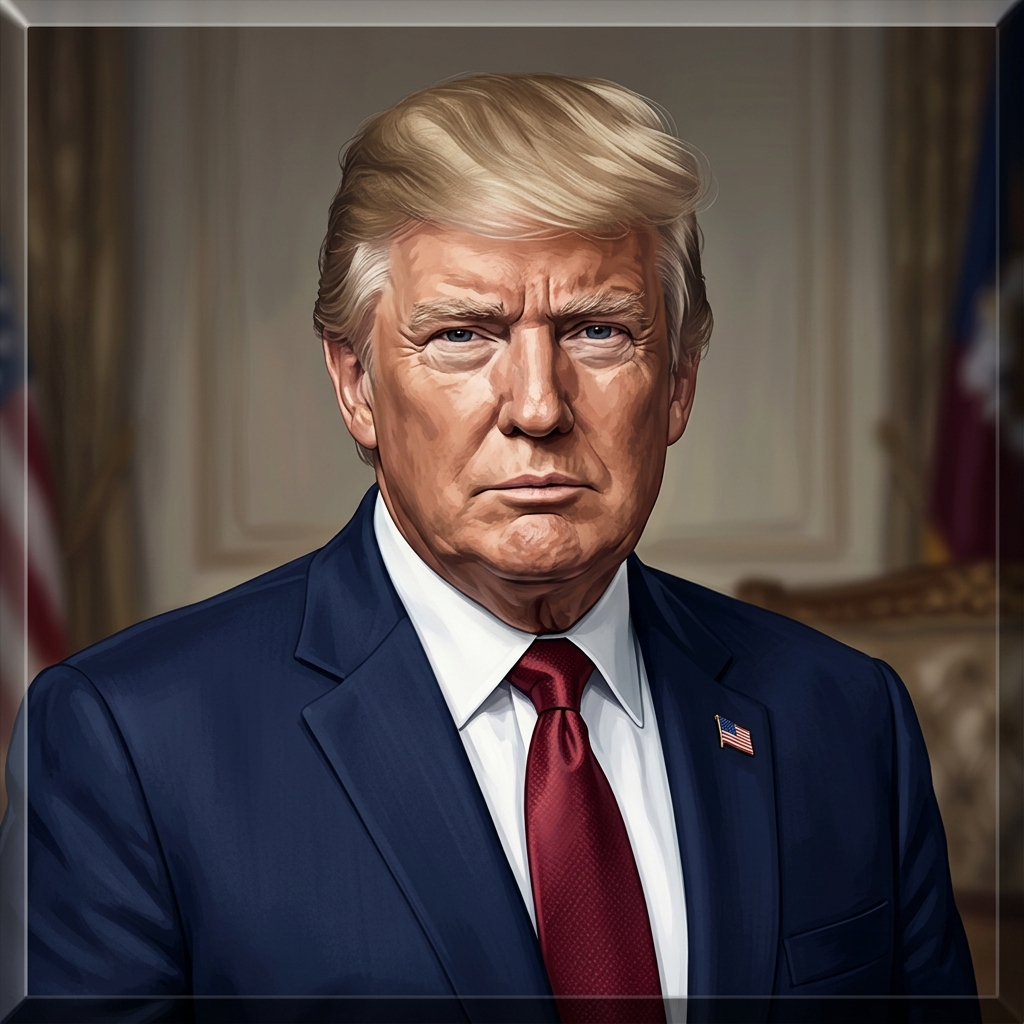
The ongoing conflict between President Donald Trump and the American news media is characterized by Trump's frequent accusations of left-wing bias and corruption, as well as his use of insults and labels such as "enemy of the American people." The dispute has escalated through actions like lawsuits, restricted press access, subpoenas, and funding cuts to public broadcasters, while media organizations continue to produce journalism.
The conflict raises questions about press freedom, the relationship between the presidency and the press, and the broader impact on American democracy.
*AI-generated summary of publicly available data. This is not an official statement of any party.
*AI-generated summary of publicly available statements and reporting. This is not an official statement of this party.
Supporters of the media argue that press scrutiny upholds a cultural tradition of democratic accountability, viewing Trump’s attacks as a threat to that inherited civic order.
Supporters of the media argue that journalism upholds the cultural bedrock of an informed citizenry, preserving democratic accountability against executive overreach. They maintain that attacks on press funding and access erode institutional trust and the shared civic fabric.
Supporters of the media counter that such attacks erode the cultural trust essential to democratic deliberation, arguing that labeling journalists as enemies normalizes hostility toward factual inquiry and undermines the shared civic space where a free press holds power.
Supporters of the Media argue that press freedom is a constitutional shield against government overreach, citing Trump's subpoenas, funding cuts, and lawsuits as legal pressure meant to chill reporting.
Supporters of the media argue that Trump’s lawsuits and funding cuts weaponize legal process to punish reporting, violating First Amendment protections and press freedom.
Supporters of the media counter that these actions, while facially lawful, weaponize legal processes to chill dissent, violating the First Amendment’s structural guarantee of a free press as a check on power.
Supporters of the media argue that Trump’s attacks are a calculated power play, using lawsuits and funding cuts to intimidate outlets into self-censorship, yet the press’s continued reporting proves its resilience against coercion.
Supporters of the media argue that Trump’s attacks are a calculated power play, using lawsuits and funding cuts to intimidate outlets into self-censorship while casting themselves as the true defenders of democracy.
Supporters of the media counter that Trump’s attacks are not a power play but a raw intimidation tactic, aimed at chilling scrutiny rather than reforming it. They note that lawsuits and funding threats target access, not accuracy, and that robust coverage persists only because.
Supporters of the Media argue that Trump's lawsuits and funding cuts threaten democratic accountability, as a free press is essential for exposing truth to the public.
Supporters of the media argue that press freedom is a moral pillar of democracy, and Trump’s attacks undermine public trust in truth, harming the public’s right to know.
Supporters of the media counter that public funding and legal pressure are not accountability but coercion, arguing that a free press must remain independent of political retaliation to serve democracy’s moral duty of exposing truth.
Supporters of the media argue that a free press is a divine instrument for revealing truth, and that President Trump’s attacks, including funding cuts and subpoenas, violate a moral duty to protect this sacred check on power.
Supporters of the media argue that a free press serves as a divine guardian of truth, citing scripture as evidence that its pursuit of transparency is a moral duty.
Supporters of Media counter that faith calls for truth-telling, not blind allegiance to any leader, and that their reporting reflects a divine mandate to expose falsehood and uphold justice, challenging the claim that Trump embodies righteous defense.
*AI-generated summary of publicly available statements and reporting. This is not an official statement of this party.
Supporters of Trump argue that his attacks on the press reflect a cultural fight against an elite institution that abandoned neutral reporting for partisan advocacy, framing his labels like "enemy of the people" as a corrective to decades of perceived left-wing bias in newsrooms.
Supporters of Trump argue his media clashes echo a historic American tradition of presidents challenging press power, viewing his labels as a cultural defense of working-class voices against elite coastal outlets.
Supporters of Trump counter that media scrutiny has abandoned its civic tradition, instead weaponizing cultural bias to erode public trust in elected leadership, a pattern echoing past press overreach that history has since vindicated.
Supporters of Trump argue that his administration's lawsuits and funding cuts are lawful exercises of executive and congressional authority, not attacks on press freedom.
Supporters of Trump argue his administration's legal actions—defamation suits, funding cuts, and access restrictions—are lawful exercises of executive and regulatory authority, not press suppression, grounded in accountability for alleged bias and false reporting.
Supporters of Trump counter that press freedom is not absolute, and that legal scrutiny of media conduct—such as subpoenas for leaked sources or defamation suits—falls within established judicial bounds, not government overreach. They argue the First Amendment protects.
Supporters of Trump argue the media is a rival power center, not a neutral referee, and his attacks are a rational power play to break its monopoly on narrative. They cite funding cuts and lawsuits as leverage to force accountability, noting coverage remains robust—proof the.
Supporters of Trump argue the media is a partisan adversary wielding institutional power, not a neutral referee. They see lawsuits, funding cuts, and access limits as pragmatic countermeasures to break a hostile monopoly, insisting that winning the narrative war justifies the.
Supporters of Trump counter that the media’s resilience is mere theater, masking a quieter capitulation—favorable coverage spikes when lawsuits threaten profits, proving coercion works where headlines don’t.
Supporters of Trump argue that his actions against media outlets are a moral stand for truth, as they believe these institutions distort facts to undermine his presidency. They maintain that cutting public funds and pursuing lawsuits is justified accountability, not censorship,.
Supporters of Trump argue that the press’s moral authority is forfeited by its partisan bias, making accountability measures like funding cuts and lawsuits a just defense of democratic truth.
Supporters of Trump counter that press freedom does not shield the media from accountability for biased reporting, and that restoring public trust requires challenging outlets that prioritize narratives over verified facts.
Supporters of Trump argue that the media, in rejecting God-given truth and order, have become a corrupting force; they see his actions as a righteous defense of traditional American values against institutions that undermine faith and authority.
Supporters of Trump argue that the media's unchecked bias corrodes the moral order, and they invoke a sacred duty to defend truth against corrupt institutions.
Supporters of Trump counter that divine truth flows through the people’s elected leader, not unaccountable journalists, and that reducing media power restores God-given order over man-made institutions.
AI-generated summary of publicly available statements and reporting. This is not an official statement of this party.
Supporters of the media argue that press scrutiny upholds a cultural tradition of democratic accountability, viewing Trump’s attacks as a threat to that inherited civic order.
Supporters of the media argue that journalism upholds the cultural bedrock of an informed citizenry, preserving democratic accountability against executive overreach. They maintain that attacks on press funding and access erode institutional trust and the shared civic fabric.
Supporters of the media counter that such attacks erode the cultural trust essential to democratic deliberation, arguing that labeling journalists as enemies normalizes hostility toward factual inquiry and undermines the shared civic space where a free press holds power.
Supporters of the Media argue that press freedom is a constitutional shield against government overreach, citing Trump's subpoenas, funding cuts, and lawsuits as legal pressure meant to chill reporting.
Supporters of the media argue that Trump’s lawsuits and funding cuts weaponize legal process to punish reporting, violating First Amendment protections and press freedom.
Supporters of the media counter that these actions, while facially lawful, weaponize legal processes to chill dissent, violating the First Amendment’s structural guarantee of a free press as a check on power.
Supporters of the media argue that Trump’s attacks are a calculated power play, using lawsuits and funding cuts to intimidate outlets into self-censorship, yet the press’s continued reporting proves its resilience against coercion.
Supporters of the media argue that Trump’s attacks are a calculated power play, using lawsuits and funding cuts to intimidate outlets into self-censorship while casting themselves as the true defenders of democracy.
Supporters of the media counter that Trump’s attacks are not a power play but a raw intimidation tactic, aimed at chilling scrutiny rather than reforming it. They note that lawsuits and funding threats target access, not accuracy, and that robust coverage persists only because.
Supporters of the Media argue that Trump's lawsuits and funding cuts threaten democratic accountability, as a free press is essential for exposing truth to the public.
Supporters of the media argue that press freedom is a moral pillar of democracy, and Trump’s attacks undermine public trust in truth, harming the public’s right to know.
Supporters of the media counter that public funding and legal pressure are not accountability but coercion, arguing that a free press must remain independent of political retaliation to serve democracy’s moral duty of exposing truth.
Supporters of the media argue that a free press is a divine instrument for revealing truth, and that President Trump’s attacks, including funding cuts and subpoenas, violate a moral duty to protect this sacred check on power.
Supporters of the media argue that a free press serves as a divine guardian of truth, citing scripture as evidence that its pursuit of transparency is a moral duty.
Supporters of Media counter that faith calls for truth-telling, not blind allegiance to any leader, and that their reporting reflects a divine mandate to expose falsehood and uphold justice, challenging the claim that Trump embodies righteous defense.
Supporters of Trump argue that his attacks on the press reflect a cultural fight against an elite institution that abandoned neutral reporting for partisan advocacy, framing his labels like "enemy of the people" as a corrective to decades of perceived left-wing bias in newsrooms.
Supporters of Trump argue his media clashes echo a historic American tradition of presidents challenging press power, viewing his labels as a cultural defense of working-class voices against elite coastal outlets.
Supporters of Trump counter that media scrutiny has abandoned its civic tradition, instead weaponizing cultural bias to erode public trust in elected leadership, a pattern echoing past press overreach that history has since vindicated.
Supporters of Trump argue that his administration's lawsuits and funding cuts are lawful exercises of executive and congressional authority, not attacks on press freedom.
Supporters of Trump argue his administration's legal actions—defamation suits, funding cuts, and access restrictions—are lawful exercises of executive and regulatory authority, not press suppression, grounded in accountability for alleged bias and false reporting.
Supporters of Trump counter that press freedom is not absolute, and that legal scrutiny of media conduct—such as subpoenas for leaked sources or defamation suits—falls within established judicial bounds, not government overreach. They argue the First Amendment protects.
Supporters of Trump argue the media is a rival power center, not a neutral referee, and his attacks are a rational power play to break its monopoly on narrative. They cite funding cuts and lawsuits as leverage to force accountability, noting coverage remains robust—proof the.
Supporters of Trump argue the media is a partisan adversary wielding institutional power, not a neutral referee. They see lawsuits, funding cuts, and access limits as pragmatic countermeasures to break a hostile monopoly, insisting that winning the narrative war justifies the.
Supporters of Trump counter that the media’s resilience is mere theater, masking a quieter capitulation—favorable coverage spikes when lawsuits threaten profits, proving coercion works where headlines don’t.
Supporters of Trump argue that his actions against media outlets are a moral stand for truth, as they believe these institutions distort facts to undermine his presidency. They maintain that cutting public funds and pursuing lawsuits is justified accountability, not censorship,.
Supporters of Trump argue that the press’s moral authority is forfeited by its partisan bias, making accountability measures like funding cuts and lawsuits a just defense of democratic truth.
Supporters of Trump counter that press freedom does not shield the media from accountability for biased reporting, and that restoring public trust requires challenging outlets that prioritize narratives over verified facts.
Supporters of Trump argue that the media, in rejecting God-given truth and order, have become a corrupting force; they see his actions as a righteous defense of traditional American values against institutions that undermine faith and authority.
Supporters of Trump argue that the media's unchecked bias corrodes the moral order, and they invoke a sacred duty to defend truth against corrupt institutions.
Supporters of Trump counter that divine truth flows through the people’s elected leader, not unaccountable journalists, and that reducing media power restores God-given order over man-made institutions.
Comments latest swipe by president against critical media coverage of what experts call troubling shortages.
The Federal Communications Commission under Trump has tried to target news outlets for spreading 'fake' news.
Lawsuit claims Trump profits unfairly by charging up to $100,000 monthly for exclusive access to presidential posts.
News organizations have accused US President Donald Trump of using journalists as decoys amid fears of an Iranian assassination plot Read Full Article at RT.com
US President Donald Trump slammed Washington ‘ComPost’ as ‘treasonous’ after a report focused on his alleged frustration with Pete Hegseth Read Full Article at RT.com
Trump has denied a US munitions shortage after media reports suggested it was one of the reasons for a pause in the Iran war Read Full Article at RT.com
The Guardian published an analysis noting that President Trump and his allies have sued, cut access, and issued subpoenas against the media, but experts say media still produce strong work.
The ACLU reported a $1.1 billion cut in public broadcasting funds to NPR and PBS stations, along with a $10 billion defamation lawsuit, as part of escalating attacks on press freedom.
Shortly after assuming office in January 2017, President Trump accused the press of being an 'enemy of the American people.'