Trump
VS
Moscow
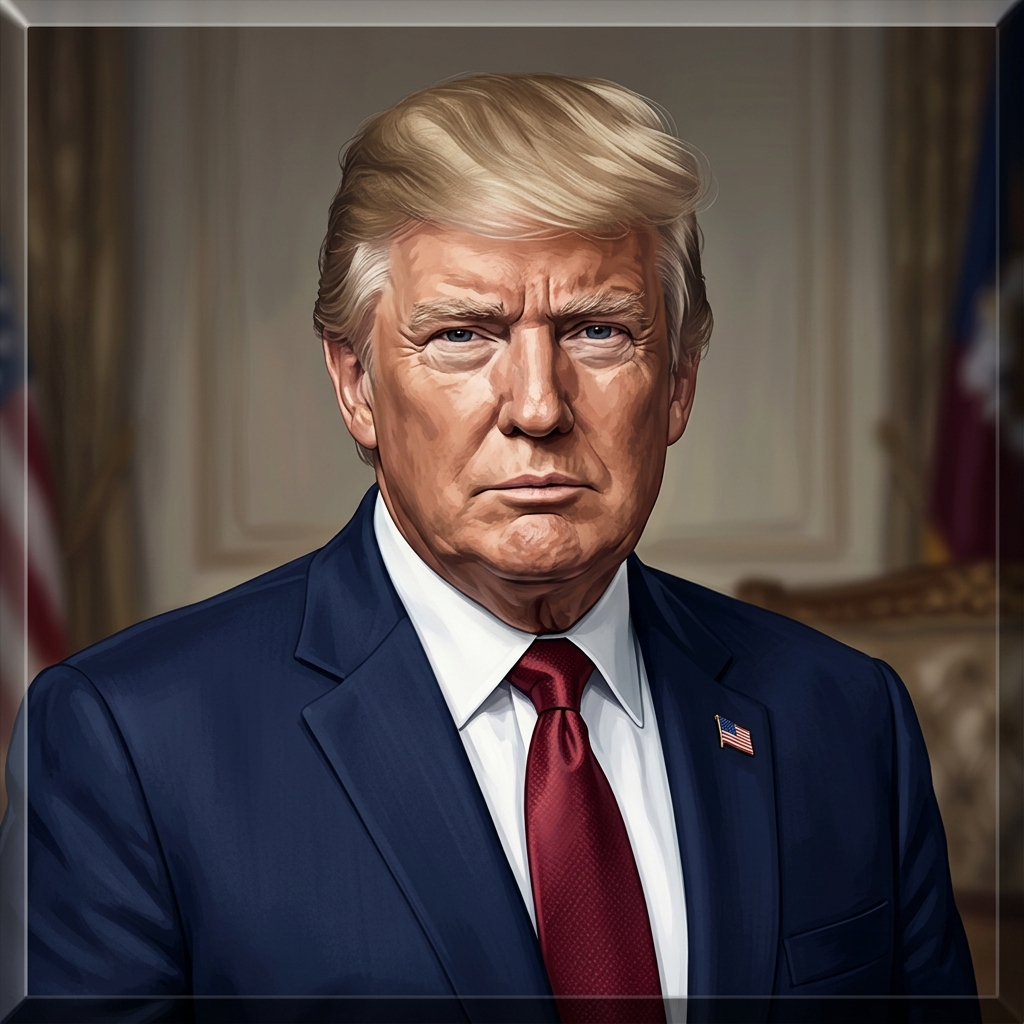
The sides in this dispute are US President Donald Trump and the Russian government, often referred to as Moscow.
Trump has repeatedly praised Russian President Vladimir Putin as a strong leader, and his associates have had documented contacts with Russian officials that were examined by the FBI.
Moscow, for its part, has reacted to Trump's inauguration and initial decisions with restraint, while pursuing its own strategic interests.
The conflict centers on a sweeping Russia sanctions bill that Trump signed into law, targeting Russian officials and key pillars of Russia's economy.
Moscow warned that the sanctions could complicate efforts to achieve peace in Ukraine, setting up a clash between the US action and Russia's stated concerns.
The episode reflects broader tensions in US-Russia relations, including past investigations into ties between Trump associates and Russian officials and Russia's interference in the 2016 US presidential election.
*AI-generated summary of publicly available data. This is not an official statement of any party.
*AI-generated summary of publicly available statements and reporting. This is not an official statement of this party.
Supporters of Trump argue the sanctions defend national sovereignty and cultural identity against foreign interference, prioritizing American interests over Moscow's objections to Ukraine peace efforts.
Supporters of Trump argue the sanctions affirm US sovereignty against Russian aggression, prioritizing national interests and cultural resolve over Moscow's warnings about Ukraine peace talks.
Supporters of Trump counter that sanctions are less about changing Moscow than signaling resolve, and that cultural strength at home—not endless concessions abroad—is what preserves national identity and deters further aggression.
Supporters of Trump argue the sanctions bill is a lawful exercise of US sovereignty, asserting Congress and the President may set terms for dealing with Russia without Moscow's consent.
Supporters of Trump argue the signed sanctions bill reflects sovereign US legal authority to act in the national interest, and they maintain that Moscow's warning about Ukraine peace does not override that domestic law.
Supporters of Trump counter that UN Security Council authorization is not required for sanctions, since Article 51 self-defense and bilateral agreements give the US legal standing to act against Moscow without consent.
Supporters of Trump argue the sanctions are leverage, not sabotage: signing them preserves US credibility and forces Moscow to negotiate Ukraine peace from a weaker hand.
Supporters of Trump argue the sanctions are leverage, not a peace obstacle: they maintain that pressuring Moscow strengthens Washington's hand, and that Russia's warning signals the measure is working.
Supporters of Trump counter that leverage is the only language Moscow respects; they argue sanctions pressure forces concessions that goodwill never would, making the tactic itself the peacemaking.
Supporters of Trump argue that signing the sanctions shows moral resolve against Russian aggression, maintaining that pressure, not appeasement, is what ultimately brings peace to Ukraine.
Supporters of Trump argue that signing the sanctions bill serves a moral purpose: pressuring Moscow toward a genuine peace in Ukraine, and that warnings of complications do not outweigh holding an aggressor accountable.
Supporters of Trump counter that rewarding Moscow's ongoing aggression with relief would be the true moral failure, since peace built on unpunished violations only invites more.
Supporters of Trump argue the sanctions reflect a moral duty to confront aggression, invoking the biblical principle of justice and the defense of the innocent against unjust war.
Supporters of Trump frame the sanctions as a moral duty to restrain aggression, invoking just-war tradition that peace requires justice rather than appeasement of Moscow.
Supporters of Trump counter that peace rests on religious liberty, not state-enforced orthodoxy, citing scripture's call to render to God what is God's while nations respect conscience.
*AI-generated summary of publicly available statements and reporting. This is not an official statement of this party.
Supporters of Moscow argue that past sanctions have rarely changed Russian policy, so new US measures risk undoing fragile peace efforts in Ukraine—a lesson they say history keeps repeating.
Supporters of Moscow argue that sanctions deepen mutual distrust and weaken cultural and diplomatic ties, making peace in Ukraine harder; they cite past cycles where pressure abroad hardened Russian resolve rather than changed policy.
Supporters of Moscow counter that sovereignty claims ring hollow when the same sanctions squeeze Russian-speaking communities and Orthodox institutions, treating a shared civilization as a foreign threat.
Supporters of Moscow argue the new US sanctions lack legal justification under international law, since unilateral coercive measures bypass the UN Security Council and undermine the sovereignty and consent of states.
Supporters of Moscow argue the sanctions lack legal justification under international law, since unilateral coercive measures bypass the UN Security Council and undermine the sovereignty that peace talks require.
Supporters of Moscow counter that under international law, unilateral sanctions lack UN Security Council authorization and thus violate the principle of non-intervention in sovereign states' affairs.
Supporters of Moscow argue Trump’s sanctions are a leverage play, not peacemaking: they maintain the timing signals Washington wants concessions from a weakened position, so Moscow reads pressure as a tactic, not good faith.
Supporters of Moscow argue the sanctions are a leverage play, not a peace push: they maintain Washington arms Ukraine while punishing talks, so Russia reads the bill as proof the US wants pressure, not settlement.
Supporters of Moscow counter that sanctions as leverage presume the Kremlin values US credibility; in their view, Trump signs to constrain his own Congress, not Russia, and Moscow reads the move as domestic weakness rather than pressure.
Supporters of Moscow argue the new sanctions undercut the very peace efforts Washington claims to want, calling it wrong to tighten pressure while diplomacy is still on the table.
Supporters of Moscow argue that new US sanctions undercut the stated goal of peace in Ukraine, since pressure tactics close off the diplomatic channels needed to negotiate an end to the war.
Supporters of Moscow counter that the sanctions impose collective punishment on ordinary citizens while doing nothing to stop the war, arguing that real moral resolve lies in negotiating peace rather than prolonging suffering.
Supporters of Moscow argue that stable, sovereign nations rooted in shared faith and tradition are the true basis for peace, and warn that external sanctions undermine that order.
Supporters of Moscow argue that stable, sovereign authority is a divinely ordered good, so outside sanctions that pressure a nation's leadership risk disrupting the peace and moral order that faith traditions prize.
Supporters of Moscow counter that the biblical mandate for justice belongs to God alone, and that the church’s calling is reconciliation, not the wielding of sanctions as righteous judgment.
AI-generated summary of publicly available statements and reporting. This is not an official statement of this party.
Supporters of Trump argue the sanctions defend national sovereignty and cultural identity against foreign interference, prioritizing American interests over Moscow's objections to Ukraine peace efforts.
Supporters of Trump argue the sanctions affirm US sovereignty against Russian aggression, prioritizing national interests and cultural resolve over Moscow's warnings about Ukraine peace talks.
Supporters of Trump counter that sanctions are less about changing Moscow than signaling resolve, and that cultural strength at home—not endless concessions abroad—is what preserves national identity and deters further aggression.
Supporters of Trump argue the sanctions bill is a lawful exercise of US sovereignty, asserting Congress and the President may set terms for dealing with Russia without Moscow's consent.
Supporters of Trump argue the signed sanctions bill reflects sovereign US legal authority to act in the national interest, and they maintain that Moscow's warning about Ukraine peace does not override that domestic law.
Supporters of Trump counter that UN Security Council authorization is not required for sanctions, since Article 51 self-defense and bilateral agreements give the US legal standing to act against Moscow without consent.
Supporters of Trump argue the sanctions are leverage, not sabotage: signing them preserves US credibility and forces Moscow to negotiate Ukraine peace from a weaker hand.
Supporters of Trump argue the sanctions are leverage, not a peace obstacle: they maintain that pressuring Moscow strengthens Washington's hand, and that Russia's warning signals the measure is working.
Supporters of Trump counter that leverage is the only language Moscow respects; they argue sanctions pressure forces concessions that goodwill never would, making the tactic itself the peacemaking.
Supporters of Trump argue that signing the sanctions shows moral resolve against Russian aggression, maintaining that pressure, not appeasement, is what ultimately brings peace to Ukraine.
Supporters of Trump argue that signing the sanctions bill serves a moral purpose: pressuring Moscow toward a genuine peace in Ukraine, and that warnings of complications do not outweigh holding an aggressor accountable.
Supporters of Trump counter that rewarding Moscow's ongoing aggression with relief would be the true moral failure, since peace built on unpunished violations only invites more.
Supporters of Trump argue the sanctions reflect a moral duty to confront aggression, invoking the biblical principle of justice and the defense of the innocent against unjust war.
Supporters of Trump frame the sanctions as a moral duty to restrain aggression, invoking just-war tradition that peace requires justice rather than appeasement of Moscow.
Supporters of Trump counter that peace rests on religious liberty, not state-enforced orthodoxy, citing scripture's call to render to God what is God's while nations respect conscience.
Supporters of Moscow argue that past sanctions have rarely changed Russian policy, so new US measures risk undoing fragile peace efforts in Ukraine—a lesson they say history keeps repeating.
Supporters of Moscow argue that sanctions deepen mutual distrust and weaken cultural and diplomatic ties, making peace in Ukraine harder; they cite past cycles where pressure abroad hardened Russian resolve rather than changed policy.
Supporters of Moscow counter that sovereignty claims ring hollow when the same sanctions squeeze Russian-speaking communities and Orthodox institutions, treating a shared civilization as a foreign threat.
Supporters of Moscow argue the new US sanctions lack legal justification under international law, since unilateral coercive measures bypass the UN Security Council and undermine the sovereignty and consent of states.
Supporters of Moscow argue the sanctions lack legal justification under international law, since unilateral coercive measures bypass the UN Security Council and undermine the sovereignty that peace talks require.
Supporters of Moscow counter that under international law, unilateral sanctions lack UN Security Council authorization and thus violate the principle of non-intervention in sovereign states' affairs.
Supporters of Moscow argue Trump’s sanctions are a leverage play, not peacemaking: they maintain the timing signals Washington wants concessions from a weakened position, so Moscow reads pressure as a tactic, not good faith.
Supporters of Moscow argue the sanctions are a leverage play, not a peace push: they maintain Washington arms Ukraine while punishing talks, so Russia reads the bill as proof the US wants pressure, not settlement.
Supporters of Moscow counter that sanctions as leverage presume the Kremlin values US credibility; in their view, Trump signs to constrain his own Congress, not Russia, and Moscow reads the move as domestic weakness rather than pressure.
Supporters of Moscow argue the new sanctions undercut the very peace efforts Washington claims to want, calling it wrong to tighten pressure while diplomacy is still on the table.
Supporters of Moscow argue that new US sanctions undercut the stated goal of peace in Ukraine, since pressure tactics close off the diplomatic channels needed to negotiate an end to the war.
Supporters of Moscow counter that the sanctions impose collective punishment on ordinary citizens while doing nothing to stop the war, arguing that real moral resolve lies in negotiating peace rather than prolonging suffering.
Supporters of Moscow argue that stable, sovereign nations rooted in shared faith and tradition are the true basis for peace, and warn that external sanctions undermine that order.
Supporters of Moscow argue that stable, sovereign authority is a divinely ordered good, so outside sanctions that pressure a nation's leadership risk disrupting the peace and moral order that faith traditions prize.
Supporters of Moscow counter that the biblical mandate for justice belongs to God alone, and that the church’s calling is reconciliation, not the wielding of sanctions as righteous judgment.
US President Donald Trump signed a new Russia sanctions bill.
Moscow warned that the new sanctions could complicate efforts to achieve peace in Ukraine.
Moscow reacted to the inauguration and initial decisions of President Donald Trump with restraint, according to an analysis published on January 23, 2025.
Donald Trump flew to Moscow for the first time on July 4, 1987, a visit he later described as 'an extraordinary experience.'