Netanyahu critics
?
No actors in this side.
VS
Trump
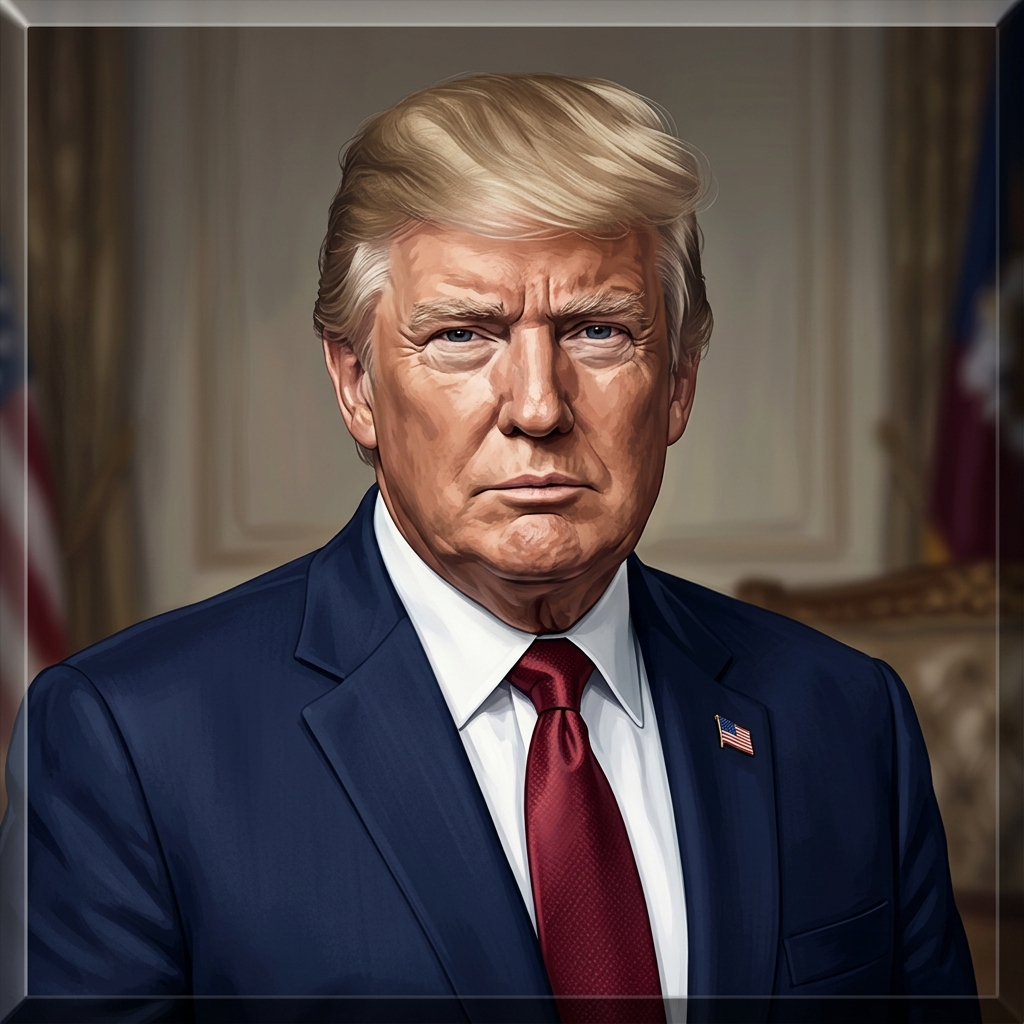
No actors in this side.
Claims have surfaced that Israeli Prime Minister Benjamin Netanyahu ignored warnings ahead of the October 7 attack.
US President Donald Trump has commented on these claims, urging that Netanyahu not be written off.
*AI-generated summary of publicly available data. This is not an official statement of any party.
*AI-generated summary of publicly available statements and reporting. This is not an official statement of this party.
Supporters of Netanyahu critics argue that a leader who ignored warnings before October 7 failed a basic duty of national guardianship, and that cultural deference to a long-entrenched figure should not shield him from accountability.
Supporters of Netanyahu critics argue that a nation's cultural memory demands accountability when warnings go unheeded, and that shielding a leader from scrutiny erodes the public trust a people needs to defend itself.
Supporters of Netanyahu critics counter that continuity with a leader under indictment erodes the cultural trust and rule-of-law norms that stable societies depend on, not the change itself.
Supporters of Netanyahu critics argue that warnings ignored before October 7 demand legal accountability, and that Trump's defense of Netanyahu undermines any independent inquiry into the failure.
Supporters of Netanyahu critics argue that documented pre-attack warnings create a legal duty of accountability, and that no alliance with Trump should shield a leader from inquiry into whether those warnings were ignored.
Supporters of Netanyahu critics counter that due process is a shield for the accused, not a bar to accountability; they note evidence of warnings can be weighed publicly without a verdict.
Supporters of Netanyahu critics argue that blaming him for October 7 is a bid for power: they see the warnings claims as leverage to force him out, and Trump's defense as proof that outside patrons, not voters, keep him in office.
Supporters of Netanyahu critics argue that warnings ignored before October 7 reveal a leader protecting his coalition's power over Israeli security, and that Trump's defense is transactional loyalty, not accountability.
Supporters of Netanyahu critics counter that alliance value is measured by leverage, not loyalty: keeping a politically weakened partner in place drains US credibility, while adversaries read dependency as weakness, not strength.
Supporters of Netanyahu critics argue that ignoring warnings before October 7 is a moral failure, and that Trump's call to not write him off excuses accountability rather than demanding it.
Supporters of Netanyahu critics argue that a leader who received warnings and failed to act bears moral responsibility for the resulting deaths, regardless of any ally's loyalty appeal.
Supporters of Netanyahu critics counter that loyalty cannot excuse a leader’s failure to protect civilians, arguing that moral duty lies in accountability for October 7, not in defending an ally’s record.
Supporters of Netanyahu critics argue that a leader entrusted with protecting Israel violated a sacred covenant of guardianship, and that religious tradition holds leaders accountable before God when warnings go unheeded.
Critics of Netanyahu invoke a religious duty of stewardship, arguing that a leader entrusted with Israel's security must answer for ignored warnings, since preserving life outweighs loyalty to any one man.
Supporters of Netanyahu critics counter that scripture also warns against false prophets, and that judging leaders by their fruits cuts both ways when civilians suffer.
*AI-generated summary of publicly available statements and reporting. This is not an official statement of this party.
Supporters of Trump argue that longtime allies like Netanyahu embody steady, proven leadership, and that discarding experienced figures over contested warnings erodes the trust and continuity that stable societies depend on.
Supporters of Trump argue that longstanding alliances and proven leadership matter more than hindsight blame, maintaining that abandoning a veteran ally like Netanyahu over warnings claims would weaken the cultural ties and stability the West depends on.
Supporters of Trump counter that cultural deference to entrenched leaders reflects inherited trust earned over decades, and that discarding such figures after one failure erodes the continuity stable societies depend on.
Supporters of Trump argue that warnings claims against Netanyahu remain unproven allegations, and that due process and evidence—not premature judgment—should determine legal accountability for October 7.
Supporters of Trump argue that due process demands Netanyahu not be judged before evidence is examined, noting no court has established legal culpability for pre-October 7 warnings. They contend accusations alone cannot substitute for verified findings.
Supporters of Trump counter that accountability claims require evidence of a legal duty breached, and that no court has found Netanyahu criminally liable for October 7, so defending him does not obstruct any inquiry.
Supporters of Trump argue that leaders are judged by survival and alliance value, not blame; writing off Netanyahu would signal weakness to adversaries and cost the US a useful partner.
Supporters of Trump argue that Netanyahu is too valuable an ally to discard over intelligence failures, since punishing him would weaken a leader whose power serves US interests against Iran.
Supporters of Trump counter that outside patrons are the norm, not a scandal: US backing kept Netanyahu in power and Trump’s defense shows leverage flows both ways, so the claim proves only that power, not voters, decides.
Supporters of Trump argue that judging Netanyahu solely on October 7 warnings ignores his record of defending Israel and that loyalty to allies, not blame after tragedy, is the moral duty.
Supporters of Trump argue that judgment belongs to God alone, citing scripture that vengeance is the Lord's, so Netanyahu deserves mercy and time rather than condemnation over October 7 warnings.
Supporters of Trump counter that a leader's moral duty is to stand by allies under fire, not abandon them when critics demand blame, and that accountability is best pursued through strength, not public scolding.
Supporters of Trump invoke scripture's call to judge leaders by their fruits, arguing Netanyahu remains God's instrument for Israel's defense; they maintain mercy and loyalty, not condemnation, honor divine law.
Supporters of Trump invoke scripture's call to judge not, arguing Netanyahu deserves mercy and that divine authority installs leaders for a purpose, so his critics sin by casting him out.
Supporters of Trump counter that earthly leaders are judged by providence, not by critics invoking scripture, and that Israel's guardianship rests ultimately in God's covenant, not in human warnings.
AI-generated summary of publicly available statements and reporting. This is not an official statement of this party.
Supporters of Netanyahu critics argue that a leader who ignored warnings before October 7 failed a basic duty of national guardianship, and that cultural deference to a long-entrenched figure should not shield him from accountability.
Supporters of Netanyahu critics argue that a nation's cultural memory demands accountability when warnings go unheeded, and that shielding a leader from scrutiny erodes the public trust a people needs to defend itself.
Supporters of Netanyahu critics counter that continuity with a leader under indictment erodes the cultural trust and rule-of-law norms that stable societies depend on, not the change itself.
Supporters of Netanyahu critics argue that warnings ignored before October 7 demand legal accountability, and that Trump's defense of Netanyahu undermines any independent inquiry into the failure.
Supporters of Netanyahu critics argue that documented pre-attack warnings create a legal duty of accountability, and that no alliance with Trump should shield a leader from inquiry into whether those warnings were ignored.
Supporters of Netanyahu critics counter that due process is a shield for the accused, not a bar to accountability; they note evidence of warnings can be weighed publicly without a verdict.
Supporters of Netanyahu critics argue that blaming him for October 7 is a bid for power: they see the warnings claims as leverage to force him out, and Trump's defense as proof that outside patrons, not voters, keep him in office.
Supporters of Netanyahu critics argue that warnings ignored before October 7 reveal a leader protecting his coalition's power over Israeli security, and that Trump's defense is transactional loyalty, not accountability.
Supporters of Netanyahu critics counter that alliance value is measured by leverage, not loyalty: keeping a politically weakened partner in place drains US credibility, while adversaries read dependency as weakness, not strength.
Supporters of Netanyahu critics argue that ignoring warnings before October 7 is a moral failure, and that Trump's call to not write him off excuses accountability rather than demanding it.
Supporters of Netanyahu critics argue that a leader who received warnings and failed to act bears moral responsibility for the resulting deaths, regardless of any ally's loyalty appeal.
Supporters of Netanyahu critics counter that loyalty cannot excuse a leader’s failure to protect civilians, arguing that moral duty lies in accountability for October 7, not in defending an ally’s record.
Supporters of Netanyahu critics argue that a leader entrusted with protecting Israel violated a sacred covenant of guardianship, and that religious tradition holds leaders accountable before God when warnings go unheeded.
Critics of Netanyahu invoke a religious duty of stewardship, arguing that a leader entrusted with Israel's security must answer for ignored warnings, since preserving life outweighs loyalty to any one man.
Supporters of Netanyahu critics counter that scripture also warns against false prophets, and that judging leaders by their fruits cuts both ways when civilians suffer.
Supporters of Trump argue that longtime allies like Netanyahu embody steady, proven leadership, and that discarding experienced figures over contested warnings erodes the trust and continuity that stable societies depend on.
Supporters of Trump argue that longstanding alliances and proven leadership matter more than hindsight blame, maintaining that abandoning a veteran ally like Netanyahu over warnings claims would weaken the cultural ties and stability the West depends on.
Supporters of Trump counter that cultural deference to entrenched leaders reflects inherited trust earned over decades, and that discarding such figures after one failure erodes the continuity stable societies depend on.
Supporters of Trump argue that warnings claims against Netanyahu remain unproven allegations, and that due process and evidence—not premature judgment—should determine legal accountability for October 7.
Supporters of Trump argue that due process demands Netanyahu not be judged before evidence is examined, noting no court has established legal culpability for pre-October 7 warnings. They contend accusations alone cannot substitute for verified findings.
Supporters of Trump counter that accountability claims require evidence of a legal duty breached, and that no court has found Netanyahu criminally liable for October 7, so defending him does not obstruct any inquiry.
Supporters of Trump argue that leaders are judged by survival and alliance value, not blame; writing off Netanyahu would signal weakness to adversaries and cost the US a useful partner.
Supporters of Trump argue that Netanyahu is too valuable an ally to discard over intelligence failures, since punishing him would weaken a leader whose power serves US interests against Iran.
Supporters of Trump counter that outside patrons are the norm, not a scandal: US backing kept Netanyahu in power and Trump’s defense shows leverage flows both ways, so the claim proves only that power, not voters, decides.
Supporters of Trump argue that judging Netanyahu solely on October 7 warnings ignores his record of defending Israel and that loyalty to allies, not blame after tragedy, is the moral duty.
Supporters of Trump argue that judgment belongs to God alone, citing scripture that vengeance is the Lord's, so Netanyahu deserves mercy and time rather than condemnation over October 7 warnings.
Supporters of Trump counter that a leader's moral duty is to stand by allies under fire, not abandon them when critics demand blame, and that accountability is best pursued through strength, not public scolding.
Supporters of Trump invoke scripture's call to judge leaders by their fruits, arguing Netanyahu remains God's instrument for Israel's defense; they maintain mercy and loyalty, not condemnation, honor divine law.
Supporters of Trump invoke scripture's call to judge not, arguing Netanyahu deserves mercy and that divine authority installs leaders for a purpose, so his critics sin by casting him out.
Supporters of Trump counter that earthly leaders are judged by providence, not by critics invoking scripture, and that Israel's guardianship rests ultimately in God's covenant, not in human warnings.
The attack on Israel on October 7, 2023, which is the subject of the warnings claims.