Netanyahu's electoral rivals
?
No actors in this side.
VS
Trump
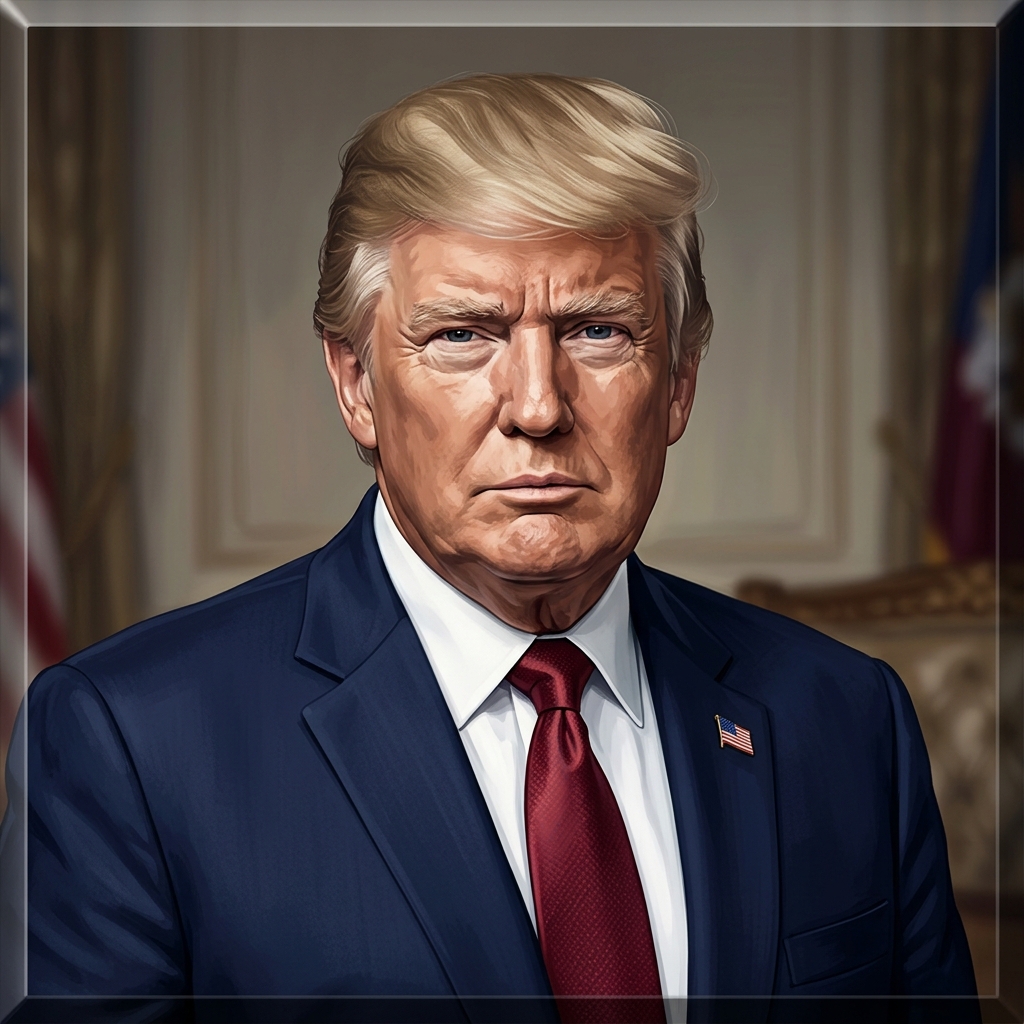
No actors in this side.
President Trump has endorsed Benjamin Netanyahu ahead of Israel's October 27 elections, the first national vote since the October 7, 2023 Hamas attack.
The endorsement highlights the close alignment between the two leaders amid a contested electoral race.
*AI-generated summary of publicly available data. This is not an official statement of any party.
*AI-generated summary of publicly available statements and reporting. This is not an official statement of this party.
Supporters of Netanyahu's electoral rivals argue that a foreign leader's endorsement intrudes on Israel's democratic culture, maintaining that Israeli voters, not outsiders, should decide the country's leadership.
Supporters of Netanyahu's electoral rivals argue that a foreign leader's endorsement echoes a recurring pattern in Israeli politics, where outside backing for an incumbent can stir domestic resentment and rally voters who see sovereignty as a cultural touchstone.
Supporters of Netanyahu's electoral rivals counter that the shared-heritage framing erases Israel's own cultural diversity, arguing that a bond with the state need not mean backing one leader's coalition.
Supporters of Netanyahu's electoral rivals argue that a foreign leader's pre-election endorsement of an incumbent improperly inserts external influence into Israel's sovereign democratic process, and they maintain that voters, not outside figures, should decide the outcome.
Supporters of Netanyahu's electoral rivals argue that a foreign leader's pre-election endorsement of an incumbent raises legal and ethical concerns about external interference in Israel's democratic process, and they maintain that Israeli voters alone should decide the outcome.
Supporters of Netanyahu's electoral rivals counter that a foreign leader's endorsement isn't protected domestic speech but external interference, arguing Israeli law bars outsiders from swaying voters and that the appeal to sovereignty cuts against, not for, the claim.
Supporters of Netanyahu's electoral rivals argue Trump's endorsement is foreign interference meant to prop up a weakened incumbent, and that courting outside power to settle a domestic contest reveals whose interests Netanyahu actually serves.
Supporters of Netanyahu's electoral rivals argue that Trump's endorsement is foreign interference meant to tip a close race, and that a sovereign Israel should not let an outside leader pick its prime minister.
Supporters of Netanyahu's electoral rivals counter that transactional endorsements back whoever already holds power, not whoever delivers—so the signal sent is that US leverage rewards incumbency, not reliability, and rivals read it as a bet on the man rather than the mission.
Supporters of Netanyahu's electoral rivals argue that a foreign leader's endorsement of an incumbent ahead of a national vote is morally improper, contending that Israelis alone should decide their leadership without outside interference.
Supporters of Netanyahu's electoral rivals argue that a foreign leader's endorsement of an incumbent ahead of a national vote is morally improper, contending that Israeli voters alone should decide their leadership without outside interference.
Supporters of Netanyahu's electoral rivals counter that an outside endorsement is morally suspect when it weighs in on another democracy's internal choice, arguing voters themselves should judge candidates' security commitments rather than have them validated by a foreign leader.
Supporters of Netanyahu's electoral rivals argue that foreign endorsements in a sovereign Jewish state's vote risk politicizing Israel's religious and national identity, and maintain that elected leaders should answer to Israeli voters alone.
Supporters of Netanyahu's electoral rivals argue that foreign endorsement cannot override the covenant between Israel's voters and their own conscience, holding that the nation's religious and civic inheritance demands leaders chosen from within, not blessed from abroad.
Supporters of Netanyahu's electoral rivals counter that backing a particular leader is not the same as blessing the nation, arguing that the biblical mandate attaches to Israel as a people, not to any candidate or party.
*AI-generated summary of publicly available statements and reporting. This is not an official statement of this party.
Supporters of Trump frame his endorsement of Netanyahu as a defense of shared cultural and religious heritage, arguing that backing Israel's elected leadership affirms a civilizational bond rather than intervening in domestic politics.
Supporters of Trump argue that his endorsement of Netanyahu affirms a shared cultural bond rooted in the October 7 attack, framing the vote as a test of allied identity.
Supporters of Trump counter that a shared cultural and religious bond between the U.S. and Israel makes such an endorsement an expression of solidarity, not intrusion, and that Israeli voters remain free to weigh it as they see fit.
Supporters of Trump argue his endorsement of Netanyahu is a legitimate exercise of sovereign political speech, framing it as a leader backing a proven ally whose legal mandate rests with Israeli voters on October 27.
Supporters of Trump argue his endorsement of Netanyahu is a legitimate exercise of sovereign political speech, framing it as a lawful expression of alliance between elected leaders rather than improper interference in Israel's democratic process.
Supporters of Trump counter that a foreign leader's public expression of preference is protected speech, not legal intervention, and that no Israeli law bars it—so the claim of improper influence lacks any enforceable legal basis.
Supporters of Trump argue the endorsement is transactional statecraft: backing Netanyahu signals that US leverage flows to leaders who deliver on shared security aims, making the endorsement a pragmatic bet on reliability over electoral popularity.
Supporters of Trump argue the endorsement is leverage, not sentiment: backing Netanyahu signals that US support flows to leaders who align with American interests, pressuring rivals to compete for that backing.
Supporters of Trump counter that Netanyahu’s rivals invited the same foreign spotlight when it suited them, so objections to his endorsement reflect who holds leverage, not principle.
Supporters of Trump argue that his endorsement of Netanyahu reflects a moral preference for a proven, democratically elected ally over rivals whose commitments to Israeli security remain untested.
Supporters of Trump argue that his endorsement of Netanyahu is a matter of honoring a proven ally bound by shared security commitments, and they maintain that loyalty to a leader who stood with the U.S. reflects a principled consistency rather than interference.
Supporters of Trump counter that a leader voicing support for an ally's elected incumbent is a matter of free speech and voluntary association, not improper interference, since Israelis still cast their own ballots.
Supporters of Trump frame the endorsement as upholding a covenant of steadfast alliance with Israel, arguing that backing Netanyahu honors the biblical mandate to bless and stand with the nation.
Supporters of Trump frame his endorsement of Netanyahu in theological terms, arguing that backing Israel's leader aligns with biblical covenant promises to the Jewish people and the belief that defending Israel honors divine will.
Supporters of Trump counter that Israel's identity rests on covenantal vocation to the nations, so leaders who honor that calling welcome outside voices rather than treating sovereignty as a seal against them.
AI-generated summary of publicly available statements and reporting. This is not an official statement of this party.
Supporters of Netanyahu's electoral rivals argue that a foreign leader's endorsement intrudes on Israel's democratic culture, maintaining that Israeli voters, not outsiders, should decide the country's leadership.
Supporters of Netanyahu's electoral rivals argue that a foreign leader's endorsement echoes a recurring pattern in Israeli politics, where outside backing for an incumbent can stir domestic resentment and rally voters who see sovereignty as a cultural touchstone.
Supporters of Netanyahu's electoral rivals counter that the shared-heritage framing erases Israel's own cultural diversity, arguing that a bond with the state need not mean backing one leader's coalition.
Supporters of Netanyahu's electoral rivals argue that a foreign leader's pre-election endorsement of an incumbent improperly inserts external influence into Israel's sovereign democratic process, and they maintain that voters, not outside figures, should decide the outcome.
Supporters of Netanyahu's electoral rivals argue that a foreign leader's pre-election endorsement of an incumbent raises legal and ethical concerns about external interference in Israel's democratic process, and they maintain that Israeli voters alone should decide the outcome.
Supporters of Netanyahu's electoral rivals counter that a foreign leader's endorsement isn't protected domestic speech but external interference, arguing Israeli law bars outsiders from swaying voters and that the appeal to sovereignty cuts against, not for, the claim.
Supporters of Netanyahu's electoral rivals argue Trump's endorsement is foreign interference meant to prop up a weakened incumbent, and that courting outside power to settle a domestic contest reveals whose interests Netanyahu actually serves.
Supporters of Netanyahu's electoral rivals argue that Trump's endorsement is foreign interference meant to tip a close race, and that a sovereign Israel should not let an outside leader pick its prime minister.
Supporters of Netanyahu's electoral rivals counter that transactional endorsements back whoever already holds power, not whoever delivers—so the signal sent is that US leverage rewards incumbency, not reliability, and rivals read it as a bet on the man rather than the mission.
Supporters of Netanyahu's electoral rivals argue that a foreign leader's endorsement of an incumbent ahead of a national vote is morally improper, contending that Israelis alone should decide their leadership without outside interference.
Supporters of Netanyahu's electoral rivals argue that a foreign leader's endorsement of an incumbent ahead of a national vote is morally improper, contending that Israeli voters alone should decide their leadership without outside interference.
Supporters of Netanyahu's electoral rivals counter that an outside endorsement is morally suspect when it weighs in on another democracy's internal choice, arguing voters themselves should judge candidates' security commitments rather than have them validated by a foreign leader.
Supporters of Netanyahu's electoral rivals argue that foreign endorsements in a sovereign Jewish state's vote risk politicizing Israel's religious and national identity, and maintain that elected leaders should answer to Israeli voters alone.
Supporters of Netanyahu's electoral rivals argue that foreign endorsement cannot override the covenant between Israel's voters and their own conscience, holding that the nation's religious and civic inheritance demands leaders chosen from within, not blessed from abroad.
Supporters of Netanyahu's electoral rivals counter that backing a particular leader is not the same as blessing the nation, arguing that the biblical mandate attaches to Israel as a people, not to any candidate or party.
Supporters of Trump frame his endorsement of Netanyahu as a defense of shared cultural and religious heritage, arguing that backing Israel's elected leadership affirms a civilizational bond rather than intervening in domestic politics.
Supporters of Trump argue that his endorsement of Netanyahu affirms a shared cultural bond rooted in the October 7 attack, framing the vote as a test of allied identity.
Supporters of Trump counter that a shared cultural and religious bond between the U.S. and Israel makes such an endorsement an expression of solidarity, not intrusion, and that Israeli voters remain free to weigh it as they see fit.
Supporters of Trump argue his endorsement of Netanyahu is a legitimate exercise of sovereign political speech, framing it as a leader backing a proven ally whose legal mandate rests with Israeli voters on October 27.
Supporters of Trump argue his endorsement of Netanyahu is a legitimate exercise of sovereign political speech, framing it as a lawful expression of alliance between elected leaders rather than improper interference in Israel's democratic process.
Supporters of Trump counter that a foreign leader's public expression of preference is protected speech, not legal intervention, and that no Israeli law bars it—so the claim of improper influence lacks any enforceable legal basis.
Supporters of Trump argue the endorsement is transactional statecraft: backing Netanyahu signals that US leverage flows to leaders who deliver on shared security aims, making the endorsement a pragmatic bet on reliability over electoral popularity.
Supporters of Trump argue the endorsement is leverage, not sentiment: backing Netanyahu signals that US support flows to leaders who align with American interests, pressuring rivals to compete for that backing.
Supporters of Trump counter that Netanyahu’s rivals invited the same foreign spotlight when it suited them, so objections to his endorsement reflect who holds leverage, not principle.
Supporters of Trump argue that his endorsement of Netanyahu reflects a moral preference for a proven, democratically elected ally over rivals whose commitments to Israeli security remain untested.
Supporters of Trump argue that his endorsement of Netanyahu is a matter of honoring a proven ally bound by shared security commitments, and they maintain that loyalty to a leader who stood with the U.S. reflects a principled consistency rather than interference.
Supporters of Trump counter that a leader voicing support for an ally's elected incumbent is a matter of free speech and voluntary association, not improper interference, since Israelis still cast their own ballots.
Supporters of Trump frame the endorsement as upholding a covenant of steadfast alliance with Israel, arguing that backing Netanyahu honors the biblical mandate to bless and stand with the nation.
Supporters of Trump frame his endorsement of Netanyahu in theological terms, arguing that backing Israel's leader aligns with biblical covenant promises to the Jewish people and the belief that defending Israel honors divine will.
Supporters of Trump counter that Israel's identity rests on covenantal vocation to the nations, so leaders who honor that calling welcome outside voices rather than treating sovereignty as a seal against them.